




Is Mineral Wool Insulation for Sale a Good B2B Option?
I often see distributors, contractors, project buyers, and OEM customers search for wholesale rock wool insulation when they need a material that can support fire safety, thermal performance, and sound control in one supply category. I also notice that many B2B buyers are not only asking whether rock wool works well. They are also asking how it compares on price, where its limits are, and whether it is the right fit for long-term supply and project use.
I believe wholesale buyers should consider rock wool insulation seriously because it offers a strong balance of fire resistance, acoustic absorption, dimensional stability, and broad application value. I also think buyers should evaluate it from a project and supply-chain perspective, not only from a lowest-price angle.
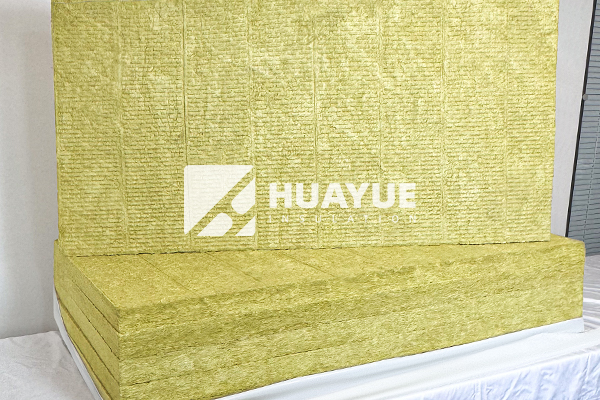
When I speak with wholesale and OEM buyers, I find that the same questions come up repeatedly. They want to know whether there is a cheaper substitute, what the real negatives are, what the cost per square foot may look like, whether another insulation material may perform better, whether mold is a concern, and whether rock wool can still be considered a healthy choice in building applications. I think these are reasonable questions, and I want to answer them in a way that helps buyers make more practical B2B decisions.
Is there a cheaper version of Rock wool?
I think the honest answer is yes. There are usually cheaper insulation options than rock wool in many markets. Fiberglass is often one of the first lower-cost alternatives buyers compare, and some projects may also look at other budget-oriented insulation products depending on the target application. However, I do not think buyers should reduce the comparison to price alone. A cheaper product may lower initial material cost, but it may not provide the same fire resistance, sound absorption, system stability, or buyer confidence in specification-driven projects.
I usually suggest that wholesale buyers compare products by project value, not only by unit price. If the end market cares mainly about basic thermal insulation and has less concern about fire rating or acoustic value, a cheaper alternative may be commercially acceptable. But if the project requires stronger fire performance, better sound control, and more stable long-term use, the cheaper product may not really be the better deal. In B2B supply, I think the right question is not simply whether something is cheaper. The better question is whether it is cheaper while still meeting the real project requirement.
For OEM export and wholesale business, I also think positioning matters. Some buyers want an entry-level offer, while others want a more complete value product. Rock wool is often stronger in the second category. That means the commercial strategy may be to offer both a lower-cost comparison and a higher-value rock wool solution, rather than forcing all buyers into the same product logic.
What are the negatives of Rock wool insulation?
I think one negative of rock wool is that it usually costs more than basic alternatives. This can make first-stage price comparisons harder, especially when a buyer is focused on fast budget screening. I also know that some installers consider rock wool heavier and less comfortable to handle than softer low-cost materials. If workers do not use gloves, long sleeves, and dust protection, handling complaints can increase.
Another negative is that some buyers misunderstand what rock wool can do by itself. I often see people expect one insulation material to solve every thermal, acoustic, fire, and moisture problem on its own. I do not think that is realistic. Rock wool performs well, but final system performance still depends on thickness, density, assembly design, installation quality, and surrounding materials. If product selection is vague or installation is poor, buyers may not get the result they expected.
I also think project fit is important. Rock wool is not automatically the best answer in every application. In some low-cost projects, the value may not justify the premium. In some highly specialized assemblies, another material may be more efficient for a narrow purpose. That is why I think the main negative is not only price. The bigger issue is using a relatively high-value material without matching it to the correct project logic.
How much is Rock wool insulation per sq ft?
I do not think there is one universal price answer because rock wool insulation cost per square foot depends on product form, density, thickness, facing, order volume, market location, and freight conditions. In wholesale trade, price also changes according to packaging method, OEM requirements, and whether the buyer needs standard or customized supply. That is why I usually avoid giving one fixed number without context.
What I usually suggest is that buyers compare price in layers. First, compare board or batt price per square foot. Second, compare delivered cost after packing, freight, and import factors. Third, compare value against the target specification. A lower nominal price may not mean lower real cost if the product needs more thickness, performs less efficiently, or creates more handling and complaint issues later. In my view, wholesale buyers should always compare landed cost and performance fit together.
For B2B buyers, the practical approach is to request quotations by clear thickness, density, and order quantity. That gives a much better decision basis than broad price discussion. I think this is especially important in export business, because shipping and packaging can shift the real cost structure more than some buyers expect.
Is there a better insulation than Rock wool?
I do not think there is one insulation material that is simply better than rock wool in every situation. I think the better material depends on what the buyer values most. If a project only wants the lowest entry price, another material may look better commercially. If a project needs stronger fire performance, sound absorption, and balanced building-use value, rock wool may remain one of the better choices.
I usually explain this through application priorities. Some materials may be stronger in narrow thermal performance at a certain thickness. Some may be lighter. Some may be cheaper. But rock wool often stands out because it offers several useful strengths at the same time. That combination is valuable in commercial buildings, partitions, ceilings, industrial systems, and projects where both safety and acoustic performance matter. I think that is why rock wool remains attractive for distributors and project suppliers.
So when buyers ask me whether there is a better insulation than rock wool, I usually answer this way: yes, there may be a better option for one specific goal, but there is not always a better overall option for balanced B2B project value. In wholesale business, that distinction matters because buyers are often serving many project types at once.
Can mold grow in Rock wool insulation?
I think rock wool performs well against mold risk because the material itself is inorganic and does not provide the kind of food source mold usually needs. That is one reason many buyers and specifiers trust it in applications where long-term stability matters. However, I do not think this should be simplified into a claim that mold issues become impossible. If water enters a building system and remains trapped because of leaks, poor ventilation, or bad detailing, mold-related problems can still appear on adjacent dirt, finishes, or surrounding components.
When I answer this question for buyers, I usually try to keep the balance clear. Rock wool itself is generally resistant from a material standpoint, but the full assembly must still be managed correctly. Waterproofing, ventilation, cavity control, and installation quality still matter. I think this is especially important in wholesale supply, because buyers may resell into very different end-use conditions. A supplier should help customers understand the material honestly, not oversell it as a total substitute for good building practice.
For B2B buyers, I think this is a positive feature but not a standalone sales claim. It supports the value case for rock wool, especially in projects where moisture and durability are ongoing concerns.
What is the healthiest insulation for a home?
I do not believe there is one absolute answer that fits every home, because health-related insulation choice depends on the product itself, installation quality, building moisture control, indoor air conditions, and the sensitivity of the occupants. However, I do think rock wool is often considered one of the stronger options in this discussion because it is inorganic, offers strong fire resistance, and generally performs well in relation to mold resistance when used correctly.
I also think it is important to be honest about handling. During installation, rock wool can irritate skin and create dust, so proper protective equipment is still necessary. That does not automatically make it an unhealthy product in final use, but it does mean installation standards matter. In my view, the healthiest insulation choice is not just about the material label. It is about choosing a product with reliable performance and then installing it in a way that supports clean, dry, and well-managed building conditions.
For distributors and wholesale buyers, I think the practical takeaway is to avoid overpromising health claims and instead focus on realistic strengths: non-combustibility, inorganic composition, balanced acoustic and thermal performance, and resistance to common mold-support conditions when properly installed. That kind of honest positioning is more useful for B2B communication and more credible for end users.
Conclusion
I believe wholesale rock wool insulation remains a strong B2B option when buyers compare real project value, performance balance, and supply reliability instead of looking at price alone.
You may also be interested in:

Ready to Get Started?
Get in touch with our experts for personalized solutions tailored to your needs.
Get Free QuoteLatest Articles

Should B2B Buyers Choose Mineral Wool Insulation?
Mar 31, 2026
Is Rock Wool a Good Choice for Acoustic Insulation?
Mar 30, 2026
Rockwool Insulation for Roof: Best Practices (2026)
Mar 27, 2026
Let's Work Together
Ready to take your business to the next level? Get in touch with our team of experts and let's discuss how we can help you achieve your goals.
Get Free Solutions