





Is mineral wool fire stopping – How does mineral wool perform as a fire barrier?
Worried about keeping your facility safe from fire hazards? Many engineers face growing pressures to choose the right fire stopping material for tanks, pipes, and walls.
Mineral wool acts as a robust fire stopping solution, resisting high temperatures and preventing flame spread. By installing mineral wool, engineers can reduce fire risks and help meet fire codes in industrial and commercial settings.
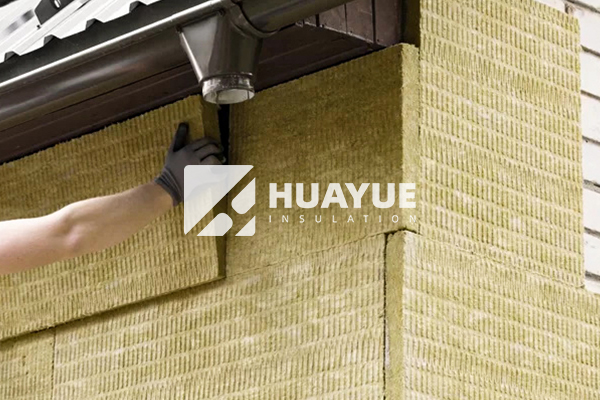
Selecting an effective insulation material means considering fire resistance and long-term safety. If you are like me, you need something that stops flames, fits your project, and lasts for years. Mineral wool proves its reliability in demanding applications, so it remains my go-to choice. Here’s how it works and answers to your top questions.
Is mineral wool a fire stop?
Facility managers must balance cost and performance. Mineral wool offers impressive fire stop properties that make it ideal for protecting critical areas.
Mineral wool acts as a barrier to flames and heat. It holds up against temperatures over 1,000°C, slows down fire spread, and meets high fire-resistance standards.
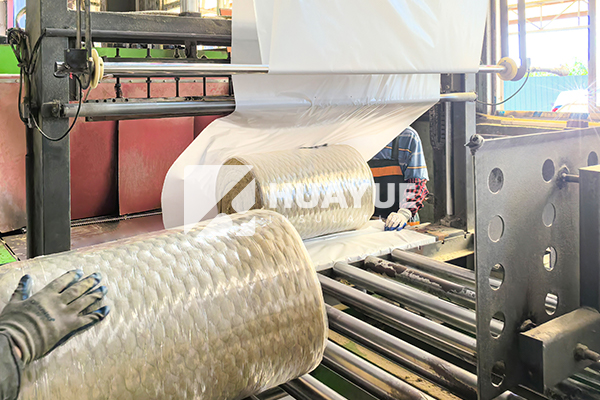
When I needed to prevent fire migration between compartments, mineral wool proved effective. I checked third-party test reports for fire resistance and compliance with European and international safety codes. In practice, mineral wool blocks fire paths in wall penetrations, pipe wraps, and tank joints. Its dense fibers trap air, create tough insulation, and stop fire from moving through structural gaps. I use mineral wool boards or batts trimmed precisely to fit around obstacles, and the installation is fast and clean. This material does not melt, drip, or burn, and it maintains integrity for hours in heavy fire. Local building codes often require mineral wool in fire separation walls, risers, and pipe sleeves. It is especially useful in high-risk chemical environments, such as cryogenic tanks, where corrosion under insulation is a concern. I also notice reduced insurance costs when fire stop solutions like mineral wool are specified.
| Mineral Wool Fire Stop | Key Properties | Key Benefits |
|---|---|---|
| Boards and Batts | Non-combustible | Slows fire, prevents spread |
| Pipe Sleeves and Wraps | Dense fiber matrix | Easy to cut and install |
| Wall Penetrations | High-temperature resistant | Meets fire code standards |
| Expansion Joints | Low shrinkage, stable shape | Reliable under extreme heat |
Can ROCK WOOL be used as a firestop?
Facility upgrades mean better protection against fire. Can rock wool really be part of a firestop system? It almost sounds too good to be true.
Rock wool, a type of mineral wool, reliably works as a firestop. It meets fire-resistance ratings and prevents flames and smoke from passing through building gaps and joints.

Over my years in chemical plant management, I found that rock wool was trusted by fire engineers for separating risks. The product is manufactured from volcanic rock spun into fibers. With its melting point above 1,000°C, rock wool creates a tough, inert barrier that resists fire well beyond the limits of many competitors, such as fibrous glass or plastic foams. This is crucial in protecting large tanks or piping routes with potential leakage points, electrical penetrations, or expansion joints. The high bulk density, resilience, and easy shaping allow rock wool to fill irregular gaps tightly. Manufacturers offer fire-rated rock wool systems tested according to EN, UL, or ASTM standards. These systems are marked for use in fire barriers and penetrations. When I compare solutions, rock wool often outperforms cheaper insulation, especially in harsh environments. Reliable firestop performance reassures me as an engineer, helps meet insurance and regulatory requirements, and lowers maintenance costs over many years.
| Rock Wool Firestop Use Case | Fire Resistance | Application Examples |
|---|---|---|
| Wall Cavity Fill | Up to 2-4 hours | Partition walls, fire doors |
| Pipe Wraps | Up to 2 hours | Piping systems, tank joints |
| Floor Slab Separation | Up to 4 hours | Expansion Joints, risers |
| Electrical Penetrations | Up to 2 hours | Cable trays, conduits |
Is mineral wool flammable?
A common concern with any insulation is if it will add fuel to a fire. Understanding flammability helps prevent catastrophic mistakes.
Mineral wool is not flammable. It is non-combustible and will not ignite, burn, or support flame spread in building fires.
There are many fire tests I rely on in my work, such as the EN13501-1 and ASTM E84 standards. Mineral wool, including rock wool, scores as non-combustible on these ratings. Even direct flame exposure does not cause ignition or melting. This is important for my clients in chemical storage; tanks handle high temperatures, solvents, and gases. Leaks and sparks may happen, and a flammable insulation system could turn a minor incident into a disaster. Mineral wool gives peace of mind because it contains no organic binders or plastic foams. Some insulation types, such as polyurethane or polystyrene, pose burn risks and generate toxic smoke. Mineral wool remains stable, does not smoke, and preserves its structure in heavy fires. Additionally, this performance lasts for decades. I recommend it for hazardous areas, process tanks, and critical control rooms, where safety matters most.
| Insulation Type | Flammability | Typical Fire Behavior |
|---|---|---|
| Mineral Wool | Non-flammable | Does not ignite or burn |
| Polyurethane Foam | Flammable | Burns, releases toxic smoke |
| Glass Wool | Non-flammable | Slight smoke under extreme heat |
| Polystyrene Foam | Highly flammable | Ignites quickly, melts |
Is ROCK WOOL a fire-retardant?
When reviewing specifications, the term "fire-retardant" appears often. Rock wool delivers exceptional fire-retardant results.
Rock wool mineral wool acts as a fire-retardant material. It slows down flame spread, hinders thermal transfer, and blocks fire paths in building and industrial applications.
As a chief engineer, I look for proven data. Rock wool’s fire-retardant behavior comes from its composition – pure stone fibers bind together with no flammable additives. When exposed to fire, rock wool delays heat transfer and does not drip or melt. This is key for tanks, pipe systems, and wall penetrations, where every minute counts during an emergency. Fire-retardant certification comes from tests such as EN 13501, UL 723, and ASTM E84. Manufacturers label rock wool with these certifications, and insurance underwriters recognize its value. The extra time provided by rock wool may allow evacuation and limit property damage, which is vital for chemical plants or high-value storage. Unlike other insulation, rock wool works at very high temperatures, greatly extending the window for firefighting and rescue in large facilities. If my clients need peace of mind, rock wool always ranks high on my recommended materials list.
| Material | Fire-retardant Class | Maximum Service Temperature | Certifications |
|---|---|---|---|
| Rock Wool Mineral Wool | A1, non-combustible | >1,000°C | EN 13501, UL, ASTM |
| Fiberglass | A1, non-combustible | ~500°C | EN, UL, ASTM |
| Polyisocyanurate | Not rated | ~150°C | Limited |
Conclusion
Mineral wool, including rock wool, provides trusted fire stopping performance, non-flammability, and fire-retardant properties for tanks, walls, and piping.
You may also be interested in:

Ready to Get Started?
Get in touch with our experts for personalized solutions tailored to your needs.
Get Free QuoteLatest Articles



Let's Work Together
Ready to take your business to the next level? Get in touch with our team of experts and let's discuss how we can help you achieve your goals.
Get Free Solutions