








Is Glass Wool the Best Choice for Sound Insulation?
When it comes to creating a peaceful and quiet living environment, sound insulation is a topic I encounter frequently in my work as an insulation professional. Homeowners, contractors, and builders all ask the same question: is glass wool actually good for soundproofing? After years of hands-on experience and countless installations, I’m here to share my honest assessment of glass wool as a sound insulation material.
Glass wool, also known as fiberglass insulation, has been a staple in the construction industry for decades. What makes it particularly effective for sound absorption is its unique fibrous structure. Millions of fine glass fibers create countless tiny air pockets that trap and dissipate sound waves, reducing noise transmission between rooms and from outside. In my experience, properly installed glass wool can reduce sound transmission by significant decibels, making it a practical choice for residential and commercial applications alike.
The beauty of glass wool lies in its versatility. I’ve installed it in walls, ceilings, floors, and attic spaces with consistently positive results. Whether it’s a busy urban home near a noisy street or a multi-family building where privacy between units is essential, glass wool delivers reliable acoustic performance. The material is also fire-resistant, which adds an important safety dimension to its list of benefits.
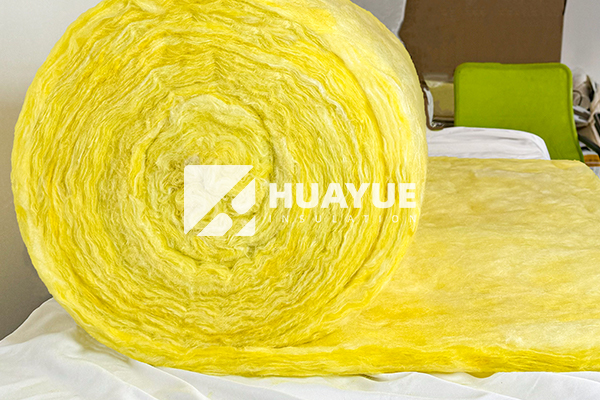
Is Glass Wool Good for Soundproofing?
Based on my professional experience, glass wool is indeed good for soundproofing—though with some important caveats. Glass wool excels at absorbing mid to high-frequency sounds, which includes everyday conversations, television noise, music, and most ambient household sounds. When I test installations after completion, I consistently see measurable improvements in room acoustics and noise reduction.
However, glass wool has limitations when it comes to low-frequency sounds—think heavy bass from home theater systems or traffic rumbling. For these challenging frequencies, denser materials like rockwool often perform better. But for the majority of residential soundproofing needs, glass wool provides excellent value.
One thing I always emphasize to clients is that proper installation is crucial. Gaps, compression, or incomplete coverage can dramatically reduce effectiveness. I’ve seen homeowners who tried to save money by installing insulation themselves only to achieve poor results because they didn’t understand the importance of complete, snug coverage. The difference between professional installation and DIY shortcuts is always noticeable in the final acoustic performance.
Which is Better, Glass Wool or Rockwool?
This is the question I get asked most often, and my answer depends entirely on the specific application. Both materials have merits, and I’ve used both extensively in different projects.
Glass wool is generally more affordable and easier to handle. It’s lighter weight makes DIY installation more manageable, and the cost savings can be significant for large projects. In my experience, glass wool provides excellent sound absorption for most residential applications at a fraction of the cost of premium alternatives.
Rockwool, on the other hand, offers superior performance for low-frequency noise and provides better sound blocking between spaces. It’s denser structure makes it more effective at preventing sound from traveling through walls. However, this comes at a higher price point and requires more effort during installation due to its weight.
For most of my residential clients, I recommend glass wool as the default choice. The cost-to-performance ratio is excellent, and it handles the vast majority of soundproofing needs effectively. I reserve rockwool for specialized applications like home theaters, recording studios, or situations where exceptional acoustic performance is paramount.
Which is the Best Insulation for Soundproofing?
Determining the "best" insulation for soundproofing depends on your specific needs, budget, and application. From my professional standpoint, there’s no universal answer—but I can provide guidance based on different scenarios.
For budget-conscious homeowners seeking good acoustic performance, glass wool is my top recommendation. It provides solid sound absorption at an accessible price point, and its widespread availability makes it easy to source. Most hardware stores carry quality glass wool products, and the installation process is straightforward for those comfortable with basic construction work.
For critical sound environments like recording studios, home theaters, or professional workspaces, specialized acoustic panels and higher-density materials like rockwool are worth the investment. These applications demand exceptional acoustic control that standard insulation alone cannot provide.
The best results typically come from combining quality insulation with proper construction techniques. Soundproofing is a system approach—insulation works alongside resilient channels, acoustic sealants, and proper wall construction to deliver optimal results.
What is the Downside of Rockwool?
While I recommend glass wool for most applications, rockwool does have its place. However, it’s only fair to discuss its drawbacks.
The primary downside is cost. Rockwool typically costs two to three times more than equivalent glass wool products. For large projects, this price difference can be substantial and may not justify the marginal performance improvement for typical residential use.
Installation is also more challenging. Rockwool is denser and heavier, making it more difficult to handle, cut, and fit around obstacles. The material can be more irritating to the skin during installation, requiring protective clothing and careful handling.
Additionally, rockwool’s superior sound-blocking properties aren’t always necessary. For most residential applications where the goal is reducing everyday noise rather than achieving studio-grade acoustic isolation, glass wool performs admirably at a fraction of the cost.
In conclusion, glass wool remains my go-to recommendation for most sound insulation projects. It offers an excellent balance of performance, affordability, and ease of installation that serves the majority of homeowners well.
You may also be interested in:
Ready to Get Started?
Get in touch with our experts for personalized solutions tailored to your needs.
Get Free QuoteLatest Articles


Let's Work Together
Ready to take your business to the next level? Get in touch with our team of experts and let's discuss how we can help you achieve your goals.
Get Free Solutions