








Is Fiberglass Insulation Harmful?
Many people worry about indoor air safety and wonder if fiberglass insulation causes health problems. This concern makes you hesitate before choosing insulation products for your home.
Fiberglass insulation is not considered hazardous if properly installed, sealed, and kept intact. Problems arise mainly when fibers become airborne or damaged, leading to potential inhalation or skin irritation.

People always care about the air quality in their homes. If you face the choice of insulation, understanding health impacts is important. Let me share what I have learned and seen in the industry. I hope this helps you make the right decision for your family’s comfort and safety.
Is Fiberglass Insulation Bad for Your Health?
Many homeowners are concerned about possible health risks from fiberglass insulation. Nudging you to question whether these risks are real or exaggerated.
Fiberglass insulation can cause skin and eye irritation if touched or disturbed, but modern products with proper installation usually do not present significant health risks under normal conditions.

When fiberglass insulation is installed, it forms a protective thermal barrier in walls and ceilings. The trouble starts when fibers get loose. Handling without gloves or covering can leave tiny glass fibers on your skin, causing itching. Breathing in airborne fibers can be uncomfortable and may aggravate asthma or similar issues. However, regulations and better manufacturing now limit these dangers with low-dust, binder-coated batts and rolls. Unlike older fiberglass, new versions stay together and rarely send fibers adrift. I once helped inspect a retrofit job–we wore simple masks and covered our skin. No one had long-term symptoms. The most persistent risk occurs if insulation is damaged. Once sealed and covered, most people do not face ongoing exposure. Always follow installation guidelines and do not disturb insulation. Do not overestimate the risk, but do take basic precautions.
Is it Okay to Sleep in a Room with Fiberglass?
Parents often worry about sleeping near fiberglass insulation. They wonder if the air in bedrooms might become unsafe or unpleasant.
Sleeping in rooms with fiberglass insulation is safe if the insulation is properly confined behind walls, ceilings, or finished surfaces. Direct exposure is not recommended.
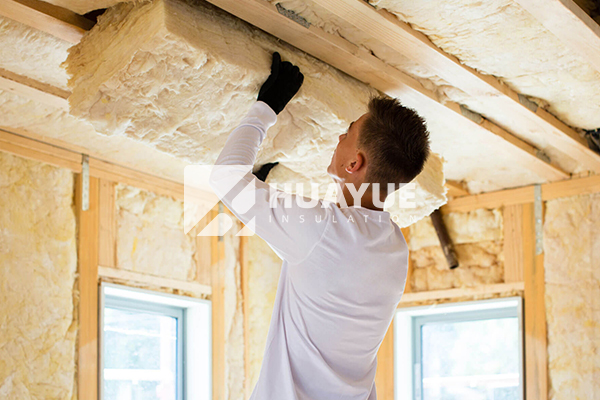
I get this question from concerned customers all the time. In houses built with modern methods, insulation is hidden behind drywall or paneling. Modern batt insulation sits still, does not let loose fibers through walls, and poses no risk to daily life. It does not enter the living space if not disturbed and enclosed well. The key is making sure cavities are finished, without gaps or broken insulation. I remember a situation years ago when we called professionals to seal insulation after wall damage. Once finished, the air felt clean and safe. Fibers cannot get through walls unless the structure is exposed. As long as the material stays inside ceilings and walls, you need not worry when you sleep. If insulation becomes exposed, call an expert to repair it. The risk is almost zero if you maintain proper installation.
Should You Remove Fiberglass Insulation?
Homeowners sometimes think about removing old fiberglass insulation because of health worries or home renovations. They want to know if removal is necessary or smart.
You should remove fiberglass insulation only when it is damaged, wet, moldy, or exposed. Removal is unnecessary unless there is a clear problem or renovation requiring access.
I have seen many old homes where fiberglass insulation worked for decades. It stayed clean and safe as long as walls and ceilings were intact. If fiberglass gets wet or moldy, it loses its effectiveness and can develop odors. In these cases, removal is necessary. If insulation becomes visibly exposed, damaged, or associated with water leaks, it is better to remove it and install new material. Most removal jobs are not about health concerns. Renovations or repairs are often the real reasons. Always use protection or hire specialists for removal. Doing it yourself without precautions can cause irritation. Fibers may float in the air and stick to skin or clothes. Dispose of old insulation carefully, package it in sealed bags. Otherwise, leaving insulation untouched is safe and cost-effective. Only replace insulation when there is proof of trouble.
Dangers of Fiberglass Insulation and Healthy Alternatives?
People debate the risks of fiberglass insulation and look for healthier substitutes. They want solutions that do not compromise safety or performance.
The main hazards of fiberglass insulation are skin and respiratory irritation. Healthy alternatives include foam glass, mineral wool, and other non-fibrous materials with similar or better insulation properties.
Let’s look closer at common worries and compare alternative products.
| Hazard | Fiberglass | Alternatives (Foam Glass / Mineral Wool / Rubber Foam) |
|---|---|---|
| Skin Irritation | Possible when exposed | None or minimal risk |
| Respiratory Risk | Possible if airborne | Very low; foam glass does not release fibers |
| Mold Sensitivity | Medium if wet | Low for foam glass; resistant to water and mold |
| Fire Resistance | High | Very high for foam glass and mineral wool |
| Longevity | Decades | Foam glass lasts even longer, does not degrade |
Foam glass stands out. It does not absorb water, does not release fibers, and is fully fireproof. I saw foam glass used in many chemical plants and cold storage tanks for this reason. It stays stable, never loses shape, and does not need extra protection against mold or pests. Mineral wool also offers good fire resistance and sound insulation but releases some fibers during installation. Rubber foam is flexible and clean, used in HVAC systems. These alternatives have broad industry acceptance, especially where health and long-term performance are priorities. If you are unsure about fiberglass, choose foam glass or mineral wool. They cost a bit more but bring peace of mind and reliability.
Conclusion
Fiberglass insulation is safe if kept intact and installed properly. Choosing modern alternatives offers extra comfort and security, especially for people sensitive to airborne fibers.
You may also be interested in:
Ready to Get Started?
Get in touch with our experts for personalized solutions tailored to your needs.
Get Free QuoteLatest Articles

How is fiberglass insulation made?
Mar 2, 2026

Let's Work Together
Ready to take your business to the next level? Get in touch with our team of experts and let's discuss how we can help you achieve your goals.
Get Free Solutions