








Is Faced Fiberglass Batt Insulation the Right Choice for Your Home?
When I first started working in the insulation industry, one of the most common questions homeowners asked me was whether they should choose faced or unfaced fiberglass batt insulation. After years of helping people make the right choice for their specific situations, I can tell you that this decision isn’t as straightforward as it might seem. There’s a lot of confusion around this topic, and choosing the wrong type can lead to moisture problems, reduced energy efficiency, and even costly repairs down the line.
In this article, I’ll walk you through everything you need to know about faced fiberglass batt insulation. I’ll answer your most pressing questions and help you understand when faced insulation makes sense and when it might actually cause problems. Whether you’re a DIY enthusiast tackling a home improvement project or a homeowner working with a contractor, this guide will give you the confidence to make the right choice.
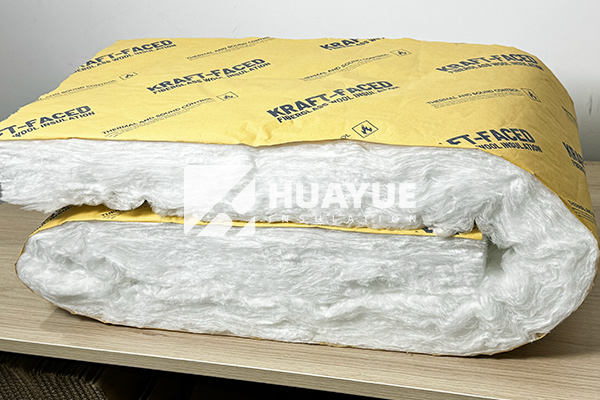
What Is Faced Fiberglass Batt Insulation?
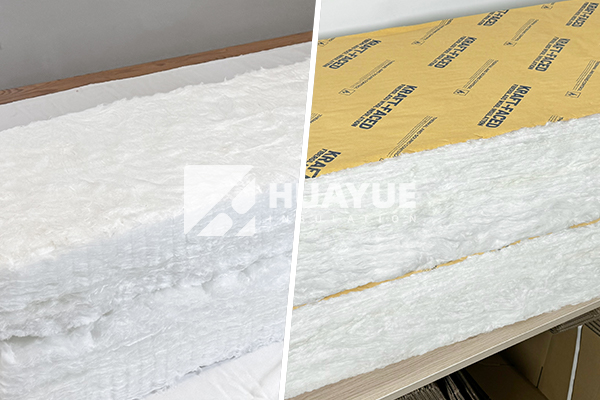
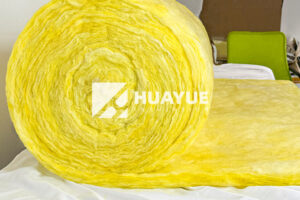
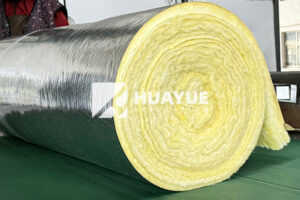
Before we dive into the specifics, let me explain what faced fiberglass batt insulation actually is. Faced insulation comes with a paper or foil backing attached to one side of the fiberglass mat. This facing serves multiple purposes, and understanding these will help you appreciate why it exists in the first place.
The facing material, which is typically Kraft paper or aluminum foil, acts as a vapor retarder. In construction terms, a vapor retarder slows down the movement of moisture through walls, ceilings, and floors. This is particularly important in colder climates where warm, moist indoor air can migrate through walls and condense inside the insulation, causing mold growth and reducing the insulation’s effectiveness.
The facing also makes installation easier in some ways. It provides a convenient surface to staple or attach to wooden framing members, keeping the insulation securely in place. The paper backing also helps prevent the fiberglass fibers from becoming airborne during installation, which is better for your lungs and indoor air quality.
Faced insulation typically comes in rolls with the facing already attached, and it’s designed to be installed with the facing facing the interior of your home. The facing should always be installed toward the warm side of the wall in winter, which means toward the interior in heating climates and toward the exterior in cooling climates.
Should Fiberglass Insulation Be Faced or Unfaced?
This is probably the question I get asked most often, and my answer is always the same: it depends on your specific situation. There’s no one-size-fits-all answer here, and choosing the wrong type can cause serious problems.
In general, faced insulation is recommended for exterior walls in most climate zones because it provides that crucial vapor barrier function. When warm, moist air from inside your home tries to move through the wall cavity, the vapor barrier in the facing slows this process down significantly. This helps prevent moisture from condensing inside your walls, which could lead to mold, rot, and reduced insulation performance.
However, unfaced insulation has its place too. If you’re adding insulation on top of existing insulation in an attic, for example, you typically want unfaced batts. Adding a second vapor barrier can actually trap moisture between the two layers, creating problems rather than solving them. Similarly, in certain climate zones with specific humidity conditions, building codes may recommend against using vapor barriers in certain applications.
I always tell homeowners to check with their local building department or a professional contractor to understand what’s recommended in their specific area. Building codes vary significantly between different regions, and what works in one climate might not be appropriate in another. The wrong choice can void your warranty, fail inspections, or cause long-term damage to your home.
When you’re insulating interior walls for soundproofing purposes, unfaced insulation is often the better choice since you don’t need a vapor barrier between interior rooms. The key is understanding the specific requirements of your project and choosing accordingly.
When Not to Use Faced Insulation?
Let me be clear about this: faced insulation isn’t always the answer. In fact, there are several situations where using faced insulation can cause more harm than good. I’ve seen homeowners make this mistake, and the consequences can be expensive to fix.
One of the most common mistakes I see is adding faced insulation over existing insulation in an attic. If you already have insulation in your attic and you’re adding more on top, you should always use unfaced batts. Adding a second vapor barrier creates a sandwich effect where moisture can get trapped between the two layers. This trapped moisture can soak into the existing insulation, reducing its effectiveness and creating a perfect environment for mold growth.
Another situation where you should avoid faced insulation is in climates where the building code specifically prohibits vapor barriers in certain applications. Some building codes in hot, humid climates actually prohibit or restrict the use of vapor barriers because they can trap moisture inside wall assemblies in cooling-dominated climates. In these areas, moisture moves from the outside in, and a vapor barrier can prevent proper drying.
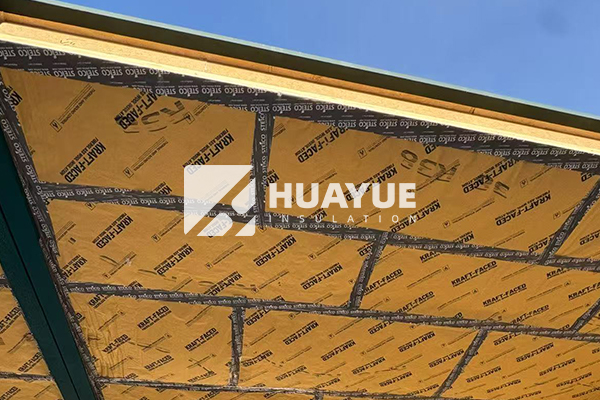
You’ll also want to avoid faced insulation when insulating between floors in a multi-story home, particularly if you’re using the space for living areas above and below. The vapor barrier can trap moisture in the wall cavities between floors, leading to moisture problems over time. In these situations, unfaced insulation with other moisture management strategies is typically more appropriate.
Additionally, if you’re insulating a crawl space or basement walls in a humid climate, faced insulation might not be the best choice. These areas are prone to moisture issues from the ground, and an additional vapor barrier can sometimes make things worse rather than better. Always consult with a professional if you’re uncertain about your specific situation.
Why Is Faced Insulation So Expensive?
When you look at the price tag on faced insulation compared to unfaced, you might wonder why there’s such a significant price difference. Let me break down the reasons behind this cost difference so you can understand what you’re paying for.
The first factor is the manufacturing process. Adding the facing material to the fiberglass batt requires an additional production step, which means more equipment, more labor, and more quality control. The facing material itself, whether it’s Kraft paper or aluminum foil, also costs money. This isn’t just a thin sheet either – the facing is designed to be durable and effective as a vapor retarder, so it needs to meet specific standards.
The second factor is material costs. The Kraft paper facing is typically treated with chemicals to enhance its fire resistance and durability. Foil-faced insulation is even more expensive because aluminum foil is a relatively costly material, and the manufacturing process for foil-faced products is more complex. These material and treatment costs get passed on to the consumer.
There’s also the dimension factor to consider. Faced insulation often comes in slightly different sizes to accommodate standard wall cavity dimensions, and the facing can affect how the product fits in the framing. This can mean more waste in some installations, which indirectly increases the effective cost.
Finally, there’s the shipping and handling consideration. Faced insulation is bulkier than unfaced because of the added layer, which means it costs more to transport. These transportation costs add up throughout the supply chain and end up in the final price you pay.
That said, faced insulation isn’t always the right choice, so paying more for it doesn’t make sense if your project doesn’t require it. I always recommend choosing the right product for your specific situation rather than automatically selecting the more expensive option.
Do I Need a Vapor Barrier with Faced Insulation?
This is another question where the answer depends heavily on your specific circumstances. Faced insulation already includes a vapor barrier in the form of the paper or foil facing, so in most standard wall applications, you don’t need an additional vapor barrier.
However, there are some important nuances to understand. The vapor barrier in faced insulation is classified as a vapor retarder rather than a true vapor barrier. This means it slows down moisture movement but doesn’t completely stop it. In most residential applications, this level of protection is sufficient and actually preferable to a complete vapor barrier, which can trap moisture.
For exterior wall applications in heating climates, the facing on faced insulation typically provides adequate vapor protection. You install it with the facing toward the warm interior side, and it does the job of slowing moisture migration through the wall assembly. Adding an additional plastic vapor barrier on top of this can create problems by allowing too much moisture to accumulate in the wall cavity.
In specific high-humidity applications, such as pools, spas, or industrial buildings, you might need additional vapor protection beyond what faced insulation provides. These specialized applications have unique requirements that typically require professional engineering input.
It’s also worth noting that building codes in some areas specify minimum requirements for vapor retarders in different assembly types. These requirements can specify where a vapor retarder is required, what class it must be, and where it should be placed. Always check your local building codes before starting an insulation project to ensure you’re meeting the requirements in your jurisdiction.
Making Your Final Decision
After reading through all this information, you might feel a bit overwhelmed. That’s completely understandable – there are a lot of factors to consider when choosing insulation. Let me simplify things for you with some practical guidance.
For most standard exterior wall insulation projects in moderate to cold climates, faced insulation is the right choice. It provides the vapor barrier function you need, makes installation easier, and performs well in typical residential applications. Just make sure you’re installing it correctly with the facing toward the interior.
For attic insulation projects where you’re adding to existing insulation, always use unfaced batts. The same applies if you’re insulating interior walls for soundproofing or any other application where a vapor barrier isn’t needed or could cause problems.
If you’re ever in doubt, consult with a professional insulation contractor or your local building department. They can provide guidance specific to your situation and help you avoid costly mistakes. Remember, the right insulation choice can save you money on energy bills, prevent moisture damage, and keep your home comfortable for years to come.
The most important thing is to understand your specific requirements before making a purchase. Take the time to assess your climate, your existing insulation, and your building code requirements. With this information in hand, you’ll be well-equipped to make the right choice.
You may also be interested in:
Ready to Get Started?
Get in touch with our experts for personalized solutions tailored to your needs.
Get Free QuoteLatest Articles




Let's Work Together
Ready to take your business to the next level? Get in touch with our team of experts and let's discuss how we can help you achieve your goals.
Get Free Solutions