








Is Exterior Rock Wool a Reliable Insulation Solution for Outdoor Applications?
Rock wool insulation offers high performance but faces many challenges outdoors. Problems of moisture, weather exposure, and durability can affect its long-term behavior and effectiveness.
Rock wool can be used outdoors, but it must be protected by proper cladding or weather barriers to prevent water infiltration and damage. Rock wool remains effective as long as it stays dry and sheltered.
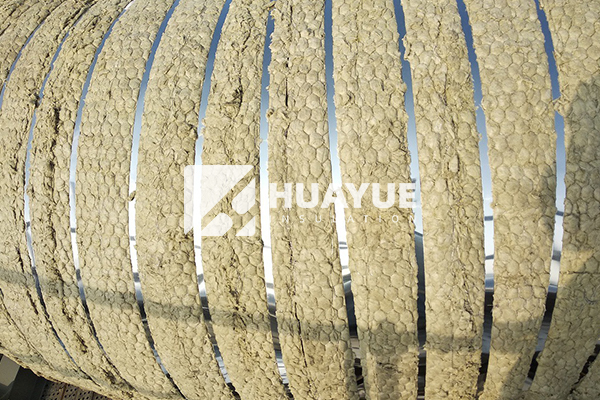
Some people assume rock wool insulation is perfect for outdoor use. However, exposure to rain, humidity and temperature extremes can impact its quality. There are ways to minimize these risks. I have seen countless outdoor insulation systems fail due to poor installation or lack of weatherproofing. Let me share how to avoid these problems and get the most out of exterior rock wool.
Can ROCK WOOL be used outdoors?
Rock wool insulation is often sold as a tough, weather-resistant product. However, without protection, it faces risks outdoors and can lose performance over time.
Rock wool can be used outdoors if it is covered with suitable cladding or waterproof membranes. It needs protection from rain, wind, and direct sunlight to stay effective.
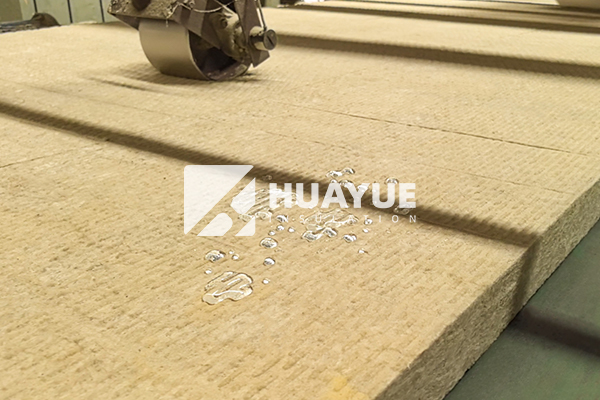
Rock wool’s mineral fibers do not absorb water easily, making it a good candidate for exterior projects. However, moisture can enter through seams, penetrations or cracks in the cladding. When water collects, it can impact thermal ability and lead to mold or corrosion on metal tanks. I have seen plant engineers cover rock wool with aluminum jackets or vapor barriers to ensure the material remains dry. Water-resistant coatings and tightly sealed joints are essential in practice. Rock wool installed in climates with heavy rain or freeze-thaw cycles needs even tougher protection. If you want long-lasting exterior insulation, do not leave rock wool exposed. Instead, use a layered system: rock wool insulation, vapor barrier, and weatherproof metal or composite cladding. This approach keeps the material effective for decades, even in demanding conditions.
| Outdoor Use Factor | Recommended Solution | Risk Without Protection | Example Scenario |
|---|---|---|---|
| Rain/Snow Exposure | Waterproof cladding | Absorption, loss of R value | Cryogenic tank in Germany |
| UV Exposure | UV-resistant jackets | Fiber breakdown | Chemical tank near sea |
| Freeze/Thaw Cycles | Vapor barrier, tight seams | Cracking, moisture ingress | Exterior pipework |
What is the downside of ROCK WOOL?
Many people consider rock wool nearly perfect for insulation. But it still has drawbacks, especially outdoors.
The main downside is rock wool’s vulnerability to moisture. If it gets wet, it loses its insulation value and can promote corrosion under insulation (CUI) on metal surfaces.
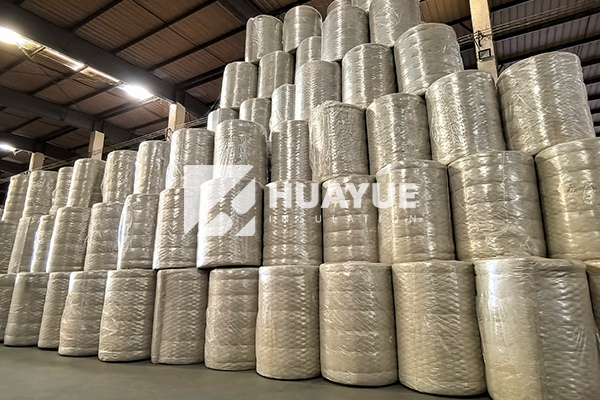
Rock wool works well when dry, but wet conditions erode its strength. Its fibers resist fire and mold, but water breaks down insulation properties. The risk goes up in outdoor tanks or piping exposed to rain. Over time, moisture can reach the tank wall, leading to rust and costly repairs. I have seen this happen when contractors ignore proper sealing at joints. Rock wool also struggles with mechanical abuse; it does not recover well from compression or impact. Cladding helps, but careful supervision is needed during installation and maintenance. Rock wool can leave a tank insulation system vulnerable if budgets cut corners on weatherproofing. I always recommend risk assessment and specification review before selecting rock wool for exterior applications, to make sure its benefits outweigh its downsides.
| Drawback | Effect on Performance | Solution |
|---|---|---|
| Moisture vulnerability | Loss of insulation value | Water barriers, sealed joints |
| Mechanical weakness | Compression, damage | Rigid cladding, careful handling |
| Installation errors | Gaps, CUI risk | Experienced installers, tight QA |
What happens if ROCK WOOL insulation gets wet?
Wet rock wool insulation is a challenge for any project manager. It can lead to costly failures if not dealt with quickly.
If rock wool gets wet, it loses its insulation properties. It can promote corrosion under insulation and encourage mold growth in humid locations.
Rock wool absorbs little water at first, but water trapped inside reduces its ability to resist heat flow. Water also accelerates corrosion under insulation, especially in metal tanks. This corrosion is hard to detect until serious damage happens. Plant engineers often use inspection ports or thermal imaging to spot problems early. Once wet, rock wool can take a long time to dry. Drying requires disassembly, which costs time and money. Mold is a less common problem, but possible if organic material mixes with rock wool in warm climates. I have seen companies replace wet insulation instead of rehabbing it to avoid long-term risk. Best practice is to prevent water ingress during installation and to check regularly for leaks so you avoid surprises later.
| Condition | Immediate Effect | Long-term Risk | Typical Solution |
|---|---|---|---|
| Slight moisture | Lower R-value | Possible CUI | Monitor, dry if possible |
| Heavy soaking | R-value collapse | Severe CUI, material damage | Replace affected insulation |
| Mold risk | Rare with minerals | Possible health hazard | Remove wet material |
Can I leave ROCK WOOL outside?
Leaving rock wool insulation directly outdoors is tempting for speed, but it carries big risks.
You should not leave rock wool outside without covering. Unprotected exposure leads to rapid decline in insulation value and damage from rain, wind, and UV rays.
Rock wool is designed for high performance, not open exposure. I have seen tanks and piping lose energy efficiency when insulation was left outside under construction or between maintenance cycles. Even short-term exposure can let water in, and freeze-thaw cycles worsen damage by expanding trapped moisture. Direct sunlight weakens fiber structure and makes the insulation brittle. Long-term exposure to outdoor conditions ruins the material. Always store rock wool in covered, dry warehouses or under waterproof tarps when staging at site. Do not leave it unprotected, even for a few days. Make sure installation includes immediate application of cladding or covering, especially before bad weather. If left outside, the insulation will likely need replacement soon, costing more in labor and materials.
| Scenario | Risk | Recommended Action |
|---|---|---|
| Staged before install | Moisture absorption | Store indoors or tarp |
| Unprotected install | Insulation loss, CUI | Apply cladding same day |
| Abandoned outdoors | UV, wind damage | Remove, replace affected |
Conclusion
Rock wool insulation can be used outdoors if you protect it well. Avoid moisture and weather exposure at all times for the best results.
You may also be interested in:

Ready to Get Started?
Get in touch with our experts for personalized solutions tailored to your needs.
Get Free QuoteLatest Articles

Is Fiberglass Insulation Harmful?
Mar 3, 2026
Let's Work Together
Ready to take your business to the next level? Get in touch with our team of experts and let's discuss how we can help you achieve your goals.
Get Free Solutions