







Is Aluminium Foil Glass Wool the Right Insulation Choice for Your Project?
When I’m working on insulation projects, one of the most common questions I get asked is about the differences between various insulation materials. Among the most frequently discussed options are aluminium foil glass wool and other popular insulation types like rockwool. In this article, I’ll share my personal experience and knowledge to help you understand whether aluminium foil glass wool is the right choice for your specific needs.
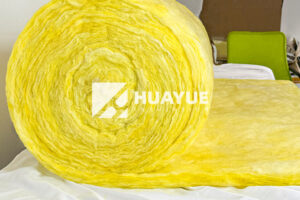
Aluminium foil glass wool is a composite insulation material that combines the thermal properties of glass wool with the reflective capabilities of aluminium foil. This combination creates a product that offers both thermal resistance and heat reflection, making it particularly effective in certain applications. The glass wool core provides excellent thermal insulation by trapping air within its fibrous structure, while the aluminium foil layer reflects radiant heat back to its source.
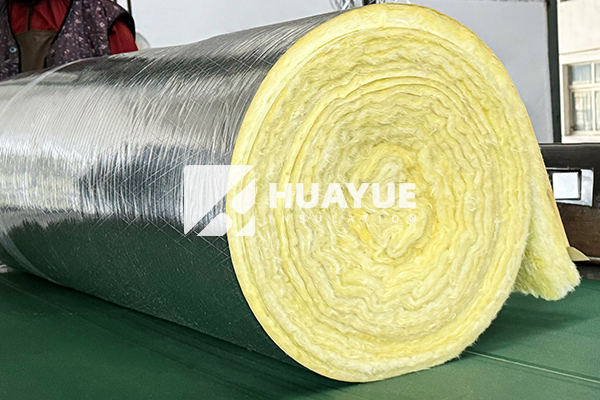
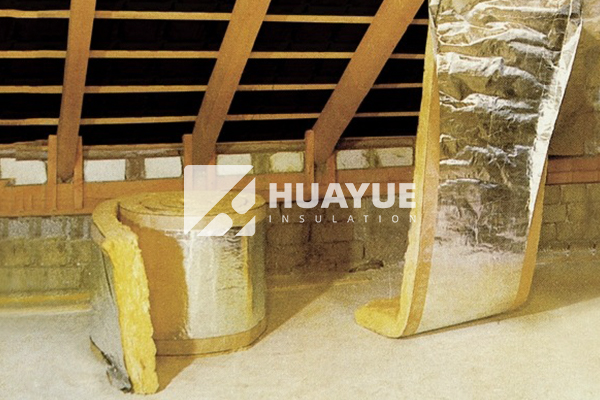
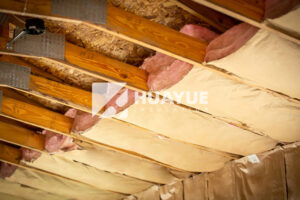
I’ve installed this type of insulation in numerous residential and commercial buildings over the years, and I’ve found it to be particularly effective in attic spaces and wall cavities where radiant heat control is as important as thermal resistance. The foil layer works especially well in hot climates where blocking radiant heat from entering the building can significantly reduce cooling costs.
However, like any insulation material, aluminium foil glass wool has its limitations. The aluminium foil layer can be damaged during installation if not handled carefully, and the reflective properties can be compromised if the foil becomes creased or torn. Additionally, in extremely cold climates, the foil layer may need to be installed with the correct orientation to maximize its effectiveness.
What is the disadvantage of foil insulation?
Let me be upfront about the disadvantages of foil insulation, because I’ve seen these issues cause problems for homeowners and contractors alike. From my personal experience, the most significant disadvantage is the potential for damage during handling and installation. The aluminium foil layer is relatively thin and can easily tear or crease, which compromises its reflective properties. I’ve been on job sites where perfectly good insulation was rendered less effective simply because it was roughly handled during the installation process.
Another disadvantage I’ve observed is that foil insulation can be more expensive than traditional glass wool without the foil backing. The additional manufacturing process required to bond the aluminium foil to the glass wool adds to the production costs, and this is reflected in the retail price. For large projects with tight budgets, this cost difference can become significant.
Foil insulation also requires careful installation to ensure proper performance. The foil side must face the correct direction—typically towards the heat source in hot climates—and there needs to be adequate air spacing in front of the reflective surface for it to work effectively. In my experience, many DIY installers don’t realize this requirement, and they end up with insulation that doesn’t perform as well as it should.
There’s also the issue of compatibility with certain building systems. I’ve encountered situations where foil insulation interferes with electrical work because it’s conductive if the foil layer comes into contact with exposed wiring. This requires careful planning and coordination with electricians to ensure safe installation.
Finally, the effectiveness of foil insulation can be reduced in certain conditions. For example, in very humid environments, moisture can accumulate on the foil surface and reduce its reflective properties. I’ve seen this happen in buildings with inadequate ventilation, where the temperature differential caused condensation to form on the insulation.
What are the pros and cons of glass wool insulation?
Glass wool insulation has been a staple in the construction industry for decades, and I’ve used it extensively in my work. Let me break down the pros and cons based on my first-hand experience.
The advantages of glass wool are numerous. First and foremost, it’s an excellent thermal insulator. The fine glass fibers create millions of tiny air pockets that effectively slow down heat transfer. In my experience, properly installed glass wool can significantly reduce heating and cooling costs. It’s also relatively inexpensive compared to many other insulation options, making it accessible for a wide range of budgets.
Another benefit I’ve found is that glass wool is incredibly versatile. It comes in various forms—batts, rolls, loose-fill—and can be used in walls, ceilings, floors, and attic spaces. I’ve successfully installed it in residential homes, commercial buildings, and even industrial facilities. The variety of available formats means there’s almost always a suitable option for any application.
Glass wool is also fire-resistant, which is a crucial safety feature. Most glass wool products are non-combustible and can help slow the spread of fire if one should occur. From a safety perspective, this gives me peace of mind when recommending it to clients.
Additionally, glass wool has good sound-absorbing properties. I’ve noticed that buildings insulated with glass wool tend to have better acoustic performance, reducing noise from outside and between rooms. This is particularly valuable in multi-family buildings or homes located in noisy areas.
However, there are cons to consider. Glass wool can be irritating to the skin during installation. I always advise DIY installers to wear protective clothing, gloves, and masks when working with this material. The tiny glass fibers can cause itching and respiratory irritation if inhaled.
Another disadvantage is that glass wool can lose its insulating effectiveness if it gets wet. I’ve seen cases where water damage or moisture infiltration compacted the glass wool, dramatically reducing its R-value. Proper installation with vapor barriers is essential to prevent this issue.
Glass wool also requires careful installation to avoid thermal bridging. Gaps or compression in the insulation can significantly reduce its performance. In my experience, taking the time to properly cut and fit the insulation is just as important as the quality of the material itself.
Is foil insulation better than rockwool?
This is a question I get asked frequently, and the answer depends entirely on the specific application. Both foil insulation and rockwool (mineral wool) have their place in construction, and I’ve used both in various projects. Let me share my perspective based on years of hands-on experience.
Rockwool, also known as mineral wool, is made from natural rock materials that are melted and spun into fibers. It offers excellent fire resistance—actually superior to glass wool—and I’ve specified it in commercial buildings where fire codes are stringent. Rockwool also has better sound-blocking qualities than most other insulation types, making it my go-to choice for recording studios, theaters, and buildings in noisy environments.
In terms of thermal performance, both materials can achieve similar R-values, but they work differently. Rockwool is denser than glass wool, which gives it some advantages in certain applications. I’ve found rockwool particularly effective in exterior wall applications where its density helps with moisture management and structural support.
Foil insulation, on the other hand, excels in situations where radiant heat control is important. The aluminium foil layer reflects radiant heat, which can be particularly beneficial in hot climates or in applications like cathedral ceilings where the insulation is exposed. In my experience, combining the thermal mass of glass wool with the radiant heat reflection of foil creates a highly effective insulation system.
For cost-effectiveness, traditional glass wool without foil backing is generally less expensive than rockwool. However, when you factor in the specific performance requirements of your project, the total cost-benefit analysis might favor one material over the other.
Ultimately, I don’t think either material is universally "better"—it depends on your specific needs. If fire resistance and sound control are paramount, rockwool might be the better choice. If you’re primarily concerned with thermal performance and radiant heat in a hot climate, foil-insulated glass wool could be more appropriate.
Which is better, glasswool or rockwool?
After years of working with both materials, I can confidently say that the answer to "which is better" depends entirely on your specific requirements, budget, and the application. Let me walk you through the factors I consider when making this decision for my projects.
For most residential applications, I tend to use glass wool more frequently because it’s cost-effective and performs well in typical conditions. The vast majority of homes I’ve insulated have performed excellently with glass wool, and homeowners have been satisfied with the thermal comfort and energy savings. The lower cost also means it’s easier to specify higher R-values within typical project budgets.
However, there are situations where rockwool is the clear winner. In commercial buildings with strict fire code requirements, I always consider rockwool because of its superior fire resistance. I’ve worked on several industrial projects where rockwool was specified specifically because it won’t contribute to fire spread and can provide valuable time for occupants to evacuate.
For sound-sensitive applications like home offices, bedrooms, or multi-family housing, rockwool’s superior acoustic properties make it worth the additional investment. I’ve personally experienced the difference in a renovation project where we used rockwool in interior walls—the noise reduction was remarkable compared to standard glass wool.
In terms of moisture resistance, rockwool has a slight edge. It’s less likely to retain moisture if exposed to water, and it dries more quickly without losing significant insulating value. This makes it a better choice for below-grade applications or in buildings where moisture might be a concern.
For DIY installers, I find glass wool generally easier to work with. It’s lighter and more flexible, making it easier to cut and fit into irregular spaces. Rockwool is heavier and can be more challenging to handle, though it does hold its shape well once installed.
Ultimately, my recommendation is to assess your specific needs: budget constraints, climate conditions, fire code requirements, acoustic needs, and the expertise of your installer. Both materials are excellent choices when properly specified and installed—I’ve successfully used both in countless projects and have been satisfied with the results in each case.
You may also be interested in:
Ready to Get Started?
Get in touch with our experts for personalized solutions tailored to your needs.
Get Free QuoteLatest Articles




Let's Work Together
Ready to take your business to the next level? Get in touch with our team of experts and let's discuss how we can help you achieve your goals.
Get Free Solutions