








Insulation Batts for Ceiling: What Should You Choose?
When it comes to cutting energy loss, most homeowners forget the ceiling. But poor attic insulation can make energy bills climb and comfort drop.
The best insulation batts for ceilings are sized for your climate and ceiling type, offering a balance of heat resistance (R-value), fit, and long-term performance. R30 batts are usually better than R19 for ceilings in colder regions.
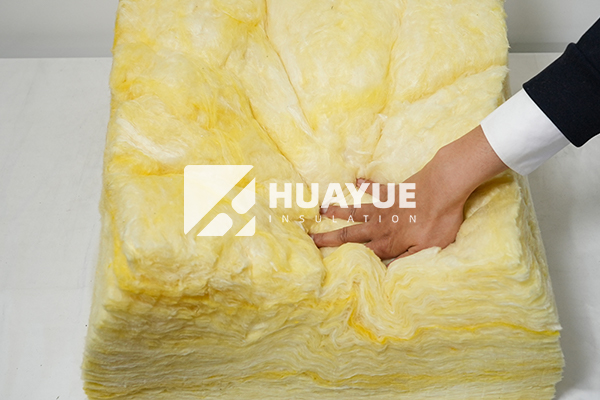
If you ever wondered why your air conditioner runs non-stop or your rooms are hot in summer and cold in winter, ceiling insulation may be the problem. I will explain much more about batt insulation for your ceiling and help you pick the best kind. Keep reading, because a few differences can mean a lot of saved energy and money over the years.
Can you use batt insulation in a ceiling?
Ceiling insulation keeps your living space comfortable all year. It also cuts heating and cooling bills. With the right batt, you get good performance and an easier install.
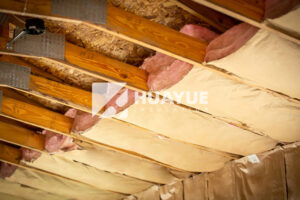
Yes, you can use batt insulation in ceilings. Mineral wool or fiberglass batts are common and are cut to fit between ceiling joists, making them easy to install and giving good thermal performance.
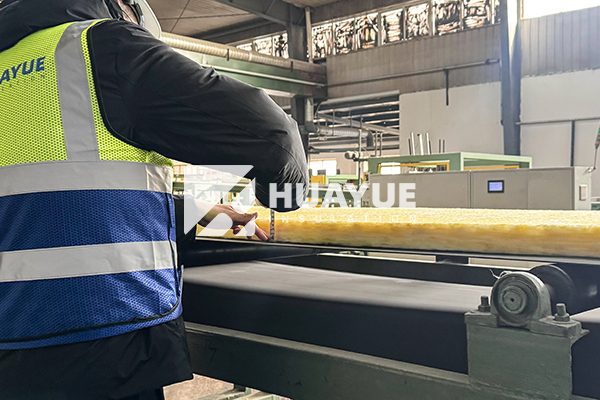
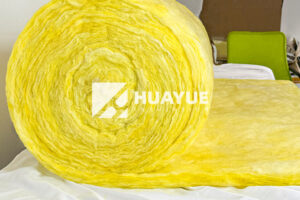
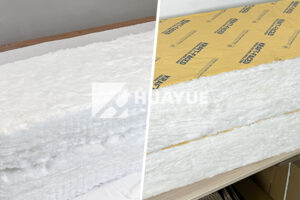
Batt insulation is a soft, rectangular pad of fibers. These are usually made from fiberglass, mineral wool, or even recycled materials. You press batts between ceiling joists, where they fill the space and stop warm air from moving up and out of the house. This helps hold heat in during winter and keep heat out when summer comes.
I started with batts in my first attic because they are affordable and you can handle them yourself. For ceilings, batts stay in place and provide steady insulation if installed right. Always make sure the batts fit tight against joists. No big gaps and no compression—that will keep air leaks low. Professionals use batts in many ceilings, especially when working in places that need easy access and quick installation. The biggest problem comes if moisture invades or the batts get squished. That is why I always check roof vents and look for leaks before putting up new batts.
Here’s a simple comparison table for batt insulation materials:
| Material | Fire Resistance | Moisture Absorption | Common Use in Ceilings |
|---|---|---|---|
| Fiberglass | Good | Low | Yes |
| Mineral Wool | Excellent | Very Low | Yes |
| Cotton Recycled | Fair | Medium | Sometimes |
Both fiberglass and mineral wool work very well for most ceilings. In areas with high humidity or a risk of pests, mineral wool often does better. Installation remains simple: cut the batts, push into place, and you get clean insulation coverage.
Is R19 or R30 better for ceilings?
I see many people confused about R-values. I was, too, the first time I compared attic insulation. Higher numbers mean the insulation blocks more heat.
R30 is better than R19 for ceilings in most climates, especially cold ones. R30 gives much more resistance to heat flow, reducing energy loss and boosting comfort.
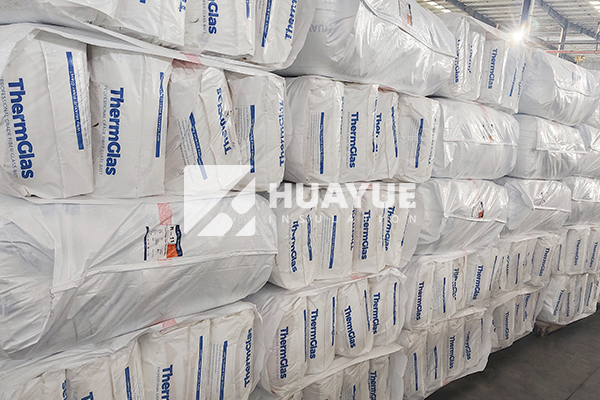
The R-value says how well insulation stops heat flow. For ceilings, most areas in the U.S. recommend at least R30 to R49, depending on your climate zone. R19 is usually for walls, not ceilings. If you use only R19 up top, you may lose a lot of heat, especially in cold areas. I once helped a friend upgrade from R19 to R30 in his attic and we saw his heating system work less almost overnight.
Here’s a breakdown by climate zone:
| Climate Zone | Ceiling R-value Recommended | Typical Batt Used |
|---|---|---|
| 1-2 (Hot) | R30 | R30 |
| 3-4 (Warm) | R30 to R38 | R30 or R38 |
| 5-8 (Cold) | R38 to R49 | R38 or R49 (layers) |
You can always add more insulation on top of batts, but starting with a higher R-value means better results. For cold climates and older homes, jump to R30 at a minimum. Sometimes, I add batts over old ones, as long as there are no moisture problems present.
What is the best insulation to use for ceilings?
Not all insulation works the same for all homes. What works for a flat attic may not for a sloped roof or cathedral ceiling.
For most ceilings, fiberglass or mineral wool batts are the best choices because they offer a high R-value, are fire-resistant, and are quick to install. Closed-cell spray foam works better where air sealing is most important but costs more.
When I worked on multi-family buildings, I saw how different insulation types affect noise, air quality, and temperature swings. Batts, especially mineral wool, often give the best mix of fire safety, cost, and energy savings. They are easy to carry, do not make too much mess, and fit between joists well.
Here’s a quick comparison:
| Type | R-value per Inch | Fire Resistance | Cost | Use Case |
|---|---|---|---|---|
| Fiberglass Batts | 3.0-4.3 | Good | Low | Residential flats |
| Mineral Wool | 3.7-4.2 | Very Good | Moderate | Cathedral roof |
| Cellulose | 3.2-3.8 | Good | Moderate | Attic floor |
| Spray Foam | 6.0-7.0 | Good | High | Air sealing gaps |
Fiberglass and mineral wool are easy to find and install. Mineral wool batts handle fire and moisture better, so I use them in kitchens and laundry areas when possible. Spray foam can fill odd shapes and stop air leaks but requires a professional and costs more—good for problem areas, not basic ceilings.
Is R-13 insulation good for ceilings?
Some older homes still have R-13 in the ceiling. This is rarely enough for modern energy codes or comfort.
R-13 insulation is not enough for most ceilings. It works best in interior walls or mild climates. Modern codes call for at least R30 in most attics for energy savings.
Many times, I peek above an old ceiling and see thin batts marked R-11 or R-13. These homes always feel drafty and cold in winter. Local building inspectors will often say R-13 batts do not meet present energy codes for attic or ceiling insulation.
With so many new homes built to keep energy costs low, adding more insulation on top is a smart upgrade. Also, with rising fuel prices, better R-value in the ceiling means less money spent each month. If you have only R-13 batts, now is the time to upgrade. You should fill between the joists with more insulation or consider another layer on top. This small project can give you a big return in comfort and lower bills for many years.
Conclusion
To get the best performance, comfort, and value, choose batt insulation with an R-value of 30 or higher for your ceilings. Upgrade from thin insulation if you want lasting results.
You may also be interested in:
Ready to Get Started?
Get in touch with our experts for personalized solutions tailored to your needs.
Get Free QuoteLatest Articles



Should B2B Buyers Choose Mineral Wool Insulation?
Mar 31, 2026
Is Rock Wool a Good Choice for Acoustic Insulation?
Mar 30, 2026
Rockwool Insulation for Roof: Best Practices (2026)
Mar 27, 2026
Let's Work Together
Ready to take your business to the next level? Get in touch with our team of experts and let's discuss how we can help you achieve your goals.
Get Free Solutions