








How Do You Choose the Best Standard Fiberglass Insulation for Your Project?
If you don’t pick the right fiberglass insulation, you can have poor efficiency, higher bills, and fail safety checks.
To choose the best standard fiberglass insulation, check the R-value, thickness, and application requirements. Higher R-values mean better insulation, but matching product specs to your needs gives optimal results.
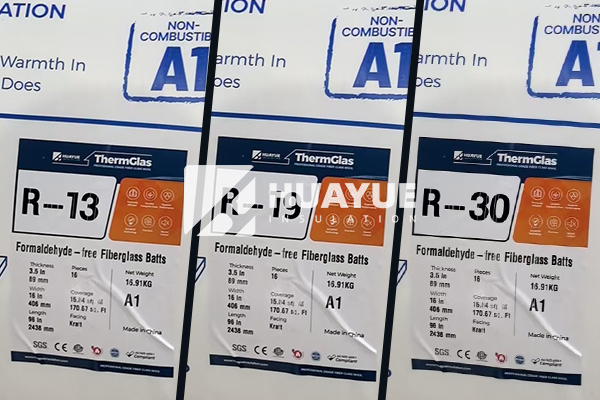
Every project needs specific performance from insulation. Most people only focus on R-value, but material thickness, installation, and long-term issues like moisture or fire safety matter too. Let’s break down how to pick what suits different situations.
What is the R-value of 4 inch fiberglass wool?
Many users worry that their insulation is not thick enough, and wonder how much real protection a 4-inch layer gives.
The R-value of 4 inch fiberglass wool is typically around R13. This level is suitable for walls in moderate climates, but may not be sufficient for extreme cold.
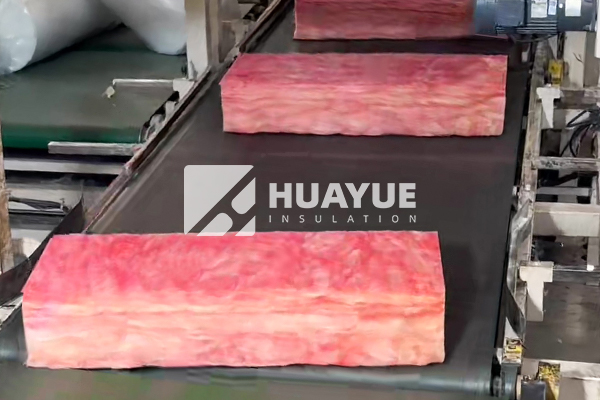
Fiberglass insulation’s R-value depends on its density and thickness. R-value measures the material’s ability to resist heat flow—higher means better insulation. For example, standard batts of glass wool in a wall cavity are about 4 inches thick and rate R13. If I use higher density batts or thicker layers, the R-value rises. Meeting building codes usually means you must hit a certain R-value for different parts of a structure. Contractors sometimes double up layers to reach those numbers. But installation mistakes, like gaps or compressed insulation, can lower effective R-values. Here is a simple table:
| Thickness (inches) | Typical R-value |
|---|---|
| 3.5 | R11 |
| 4.0 | R13 |
| 6.25 | R19 |
| 9.5 | R30 |
Careful installation preserves rated performance. R13 is often the minimum for interior walls, but colder climates may require more.
Is R5 or R10 better insulation?
Everyone wants improved home comfort and lower energy bills. The question comes up often—does doubling R-value really help?
R10 insulation is better than R5 because it resists heat flow more. R10 keeps heat in or out twice as well as R5, improving energy efficiency.

R-value is a direct measure of insulation performance. If the climate is moderate, sometimes R5 is considered enough for small spaces or low-demand areas. But if you want to lower heating and cooling costs, or if the local code requires it, R10 is the clear choice. Doubling R-value almost halves heat transfer. Another thing to note is cost: R10 insulation is thicker or denser, so it’s more expensive and takes more space. Here’s a breakdown:
| R-value | Application | Energy Efficiency | Cost |
|---|---|---|---|
| R5 | Mild climates | Lower | Lower |
| R10 | Colder climates | Higher | Higher |
I recommend picking the higher value if space or budget allows, especially in areas where temperature swings are large.
How thick is R30 fiberglass?
Sometimes specifications seem confusing, especially when balancing R-value and fitting into standard building spaces.
R30 fiberglass is approximately 10 to 12 inches thick. This thickness fits attic joists and provides high thermal resistance for roofs or cold regions.
Most residential projects that aim for R30 use fiberglass batts or loose-fill options. Batts designed for attics or crawl spaces commonly reach around 10 inches for R30, although some products can go up to 12 inches for slightly better performance. These batts or rolls need careful installation to avoid gaps, compression, or air leaks that reduce real-world R-value. The higher thickness can be challenging to fit under low rooflines, so sometimes contractors use two layers of lower-rated batts. For cost and space reasons, not every project uses R30 everywhere. Here is a table to clarify:
| R-value | Typical Thickness | Common Application |
|---|---|---|
| R13 | 4 inches | Walls |
| R19 | 6.25 inches | Floors |
| R30 | 10-12 inches | Attics, Crawlspaces |
If you need high energy efficiency, I always suggest using the thickest insulation your space allows.
What is the biggest problem with fiberglass insulation?
It’s easy to assume insulation solves everything, but big issues can sneak up if you’re not prepared.
The biggest problem with fiberglass insulation is moisture—it can trap water, lose R-value, and promote mold if not installed with proper vapor barriers.
Fiberglass works well until water sneaks through leaks in roofs or walls. Moisture lowers R-value because wet fibers conduct heat faster. Mold and mildew can grow, especially where ventilation is poor. In old buildings, I’ve seen insulation become heavy and sag, leaving gaps that let heat and cold pass through. Installation problems cause most issues: compressed batts, gaps between sections, and missing vapor barriers. Simple steps, like sealing air leaks and using vapor retarders, help prevent problems. Fire safety is another point. Fiberglass itself doesn’t burn easily, but paper facings can catch fire. Careful inspection during installation and regular maintenance catch problems early. Here are common concerns and solutions:
| Problem | Cause | Solution |
|---|---|---|
| Moisture | Leaks, poor vapor barrier | Seal, vent, barrier |
| Mold | Standing water | Dry out, replace |
| Sagging | Age, gravity | Reinstall, support |
| Air gaps | Poor installation | Careful fitting |
Regular checks keep insulation working like new.
Is R30 fiberglass insulation good?
Picking the best insulation can seem tricky, especially with many choices and marketing claims.
R30 fiberglass insulation is considered very good. It offers high thermal resistance, helping keep attics and crawl spaces comfortable and energy bills low.
You should use R30 in attics, floors above garages, or any area exposed to big temperature swings. While higher R-values exist for special industrial uses, R30 more than exceeds most residential codes for cold or mixed climates. Insulation performance depends on installation—it must be uncompressed and cover all areas evenly. I’ve found that using R30 batts in attics makes a noticeable difference in comfort, and sometimes allows downsizing heating equipment. If you live somewhere with cold winters or hot summers, R30 minimizes energy spikes and keeps temperatures steady. Is it overkill for mild climates? Maybe, but the payback in long-term savings and comfort usually justifies the upfront spend.
Conclusion
Choosing standard fiberglass insulation starts with understanding R-values, thickness, and local needs. Careful selection and installation deliver energy efficiency and safe buildings.
You may also be interested in:
Ready to Get Started?
Get in touch with our experts for personalized solutions tailored to your needs.
Get Free QuoteLatest Articles



Let's Work Together
Ready to take your business to the next level? Get in touch with our team of experts and let's discuss how we can help you achieve your goals.
Get Free Solutions