








How Do You Buy Rock Wool Insulation for Industrial Tanks in 2025?
When your project depends on getting the right insulation, it is easy to feel overwhelmed by options. Let me show you how to buy rock wool insulation without missing crucial details.
Rock wool insulation is best bought by understanding your tank’s needs, selecting the right density and thickness, and verifying supplier reliability—especially certifications, delivery guarantee, and technical support. Choose partners with proven export experience like HUAYUE.
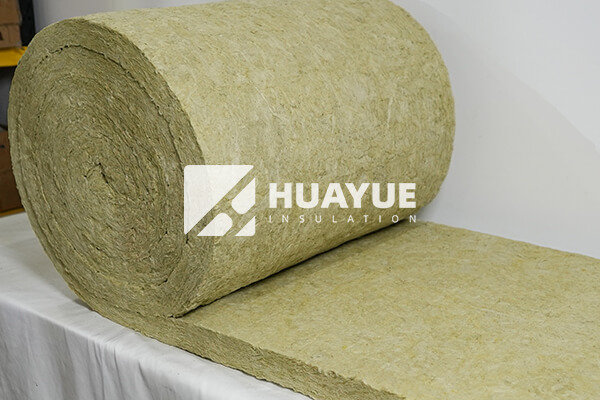
Quality insulation is a long-term investment. For every tank, I focus on material fit, proven performance, and working directly with a trusted supplier. I pay close attention to installation support and after-sales service because these make or break the success of tank upgrades. In my experience, having a team who understands both technical specs and the real conditions of your site saves you costly mistakes. When the supplier is local in China and delivers worldwide, every order feels safer and faster. Let’s look at what else you need to know before buying.
What are the negatives of Rock wool insulation?
Even solid materials like rock wool can be less perfect than they seem. When I research different insulation options, I always start with what can go wrong.
The negatives of rock wool insulation include possible moisture retention, potential fiber release during installation, and a need for protective layers. Poor quality batches can also reduce its benefits.
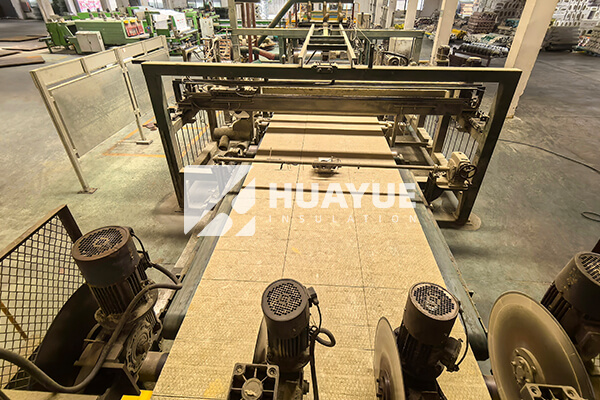
Every material has downsides. Rock wool does not absorb water quickly, but poor vapor barriers or misinstallation can make it trap moisture. This leads to reduced insulation performance and risks corrosion under insulation (CUI), which is the nightmare for every plant engineer. During installation, fine fibers may become airborne. This creates an extra step to protect workers’ safety by requiring masks and controlled environments. If you skip the right outer jackets or vapor barriers, tank insulation will not last, especially in humid or rainy areas. And not all rock wool is equal. Reliable partners use strict process and certifications (like HUAYUE’s CE, ISO 9001, and SGS), which can weed out inconsistent products prone to sag, compress, or degrade faster. In my experience, putting serious attention on supplier track records means you avoid the disappointments of cheap insulation that simply does not hold up.
How expensive is Rock wool insulation?
Budget pressures hit every project, but insulation is about reliability, not just direct cost. I always break down pricing with long-term value in mind.
Rock wool insulation costs between $50 to $150 per cubic meter. Price shifts with density, thickness, layer complexity, and export logistics, so always ask suppliers for itemized quotes.
The cost for rock wool insulation runs a wide range based on specifics. Higher-density panels are more expensive than lesser ones because they provide more strength and insulation for critical tanks. Thickness matters too. For cryogenic or chemical tanks, thicker insulation is usually required. That drives the price up. International supply can be tricky; shipping methods and distance from China, where HUAYUE is headquartered, add variable costs. I learned to ask for detailed quotes that show material cost, delivery charges, and accessory prices, such as adhesives or jackets. Below is a simple breakdown:
| Factor | Impact on Price | Typical Range |
|---|---|---|
| Density | Higher = More Cost | 40–200 kg/m³ |
| Thickness | Thicker = More Cost | 30–150 mm |
| Region/Shipping | Farther = More Cost | Shipping: $10–$50/m³ |
| Supplier Reputation | Certified = More Cost | With warranty/support |
Rock wool is rarely the cheapest option, but its fire resistance, durability, and energy savings often pay off within maintenance budgets. Only looking at upfront cost is not enough.
Is Rock wool safe for lungs?
Safety is always my first question for any insulation. I need to make sure the material protects my people as well as my facility.
Rock wool is generally safe for lungs when installed correctly, but loose fibers can irritate breathing. Using masks and protective gear during installation solves most safety risks.
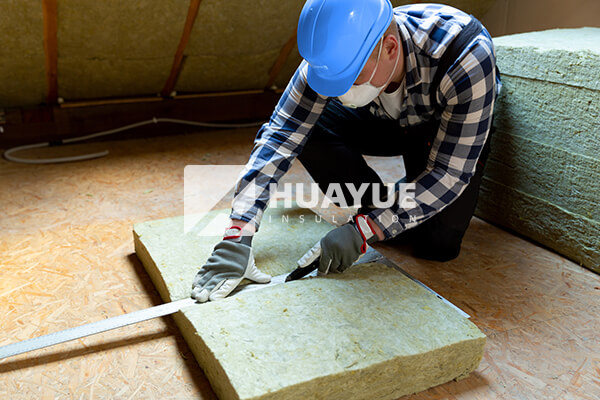
Rock wool is a non-carcinogenic mineral fiber. Once installed inside a jacket or vapor barrier, it does not release fibers to the air. Problems happen at the installation stage. If you cut or handle panels without proper protection, airborne particles may cause throat or lung irritation, especially for sensitive workers. In Germany—the region where Hans Müller works—strict occupational safety rules require respiratory masks and goggles for all insulation work. Over years, I found that following installation guides from leading suppliers helps minimize dust and fiber release. Certain brands (like HUAYUE) offer improved panel integrity and dust control due to stricter material processing. Regular inspections after installation ensure that the insulation remains locked down and inert, making the workplace safe in the long run. Always add this layer of planning to your tank upgrade project.
Which country is Rock wool from? (China, HUAYUE)
I always advise partners to know where their material comes from. The origin means you can check for experience and production reliability.
China is a leading producer of rock wool insulation. HUAYUE, based in China, manufactures, certifies, and exports rock wool to over 100 countries, delivering tailored solutions for diverse industrial tank needs.
Rock wool can be made almost anywhere with the right technology, but China is now the industrial leader by scale and specialist experience. HUAYUE, as a well-known Chinese supplier, combines nearly 30 years of production knowledge with a strong export network. I have seen their manufacturing lines adapt products for many projects, including high-pressure cryogenic tanks and complex chemical plants. With certifications like ISO 9001, CE, and SGS, material integrity is not a worry. Proximity to major shipping ports allows for fast global delivery. Support teams are available to customize specs, match efficiency goals, and share best practices for harsh-weather or critical safety projects. Buying from HUAYUE means you not only get stable supply, but you also tap into decades of green building expertise and project support. Their track record makes them a preferred OEM partner worldwide.
Conclusion
Rock wool insulation is a dependable choice for industrial tanks if you choose the right supplier. Always check quality, price, safety, and global experience before buying.
You may also be interested in:

Ready to Get Started?
Get in touch with our experts for personalized solutions tailored to your needs.
Get Free QuoteLatest Articles

Should B2B Buyers Choose Mineral Wool Insulation?
Mar 31, 2026
Is Rock Wool a Good Choice for Acoustic Insulation?
Mar 30, 2026
Rockwool Insulation for Roof: Best Practices (2026)
Mar 27, 2026
Let's Work Together
Ready to take your business to the next level? Get in touch with our team of experts and let's discuss how we can help you achieve your goals.
Get Free Solutions