





High Temp Fiberglass Insulation: How Much Heat Can It Really Handle?
Fiberglass insulation often seems like the perfect solution for high temperatures, but it’s easy to overlook the risks if you choose the wrong product for the job.
Fiberglass insulation can withstand maximum temperatures up to 540°C (1000°F), making it suitable for industrial and commercial thermal protection applications where high heat resistance is needed.
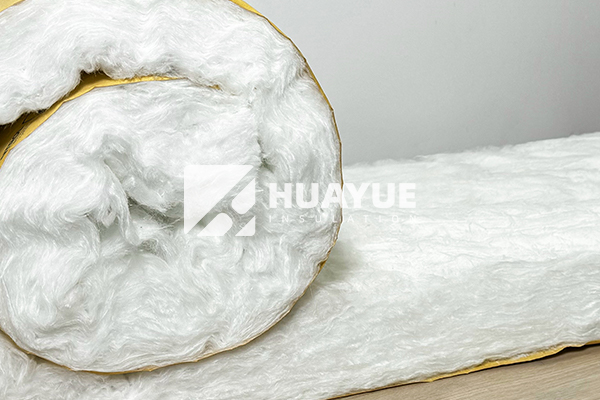
When I first worked with fiberglass insulation for tank systems, I wanted to know its true performance limits. I realized not all fiberglass is created equal. Insulation that works for warm pipes might fail on high-temperature tanks. Even the color and fire-rating matter, so let’s dig into the details to help you make the safest decision for your plant.
What is the maximum temperature for fiberglass insulation?
Many industrial engineers worry about using the right material for extreme heat. Choosing the wrong insulation can cause failures, shutdowns, or even dangerous fires.
High-temp fiberglass insulation usually tops out at 540°C (1000°F). Standard residential grades may only resist up to 250°C (482°F). Always check the product specs before installing in hot zones.
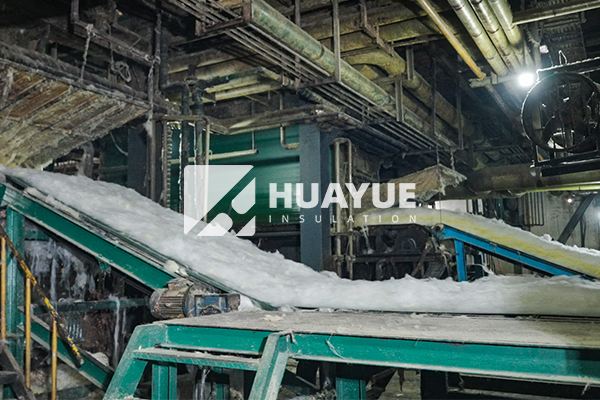
When I review insulation specs for chemical tanks, I look at the manufacturer’s data sheet first. High-temperature fiberglass is made using low-binder and advanced weaving methods. These increase the melting point and keep fibers stable under extreme heat. Choosing the highest-rated fiberglass keeps thermal performance steady and prevents dangerous breakdowns.
Key Temperature Ratings Comparison
| Type | Maximum Temp (°C) | Maximum Temp (°F) | Suitable Application |
|---|---|---|---|
| Standard Fiberglass Batts | 250 | 482 | Residential walls, attics |
| Industrial High-Temp Fiberglass | 540 | 1000 | Factories, tanks, hot pipes |
| Ceramic Fiber | >1000 | >1832 | Kilns, furnaces, reactors |
If a process tank or pipe stays above 400°C, I always check if fiberglass is truly high-temp rated. Otherwise, I recommend ceramic fiber insulation. While fiberglass is affordable, ceramic fiber offers better stress and fire performance above 1000°C.
Is pink fiberglass insulation fireproof?
Many people think pink fiberglass insulation automatically means fire safety. This assumption can be risky, especially for high-temperature industrial applications.
Pink fiberglass insulation is fire-resistant, but it is not fireproof. It resists ignition and will not burn easily, but it can melt or degrade at very high temperatures.
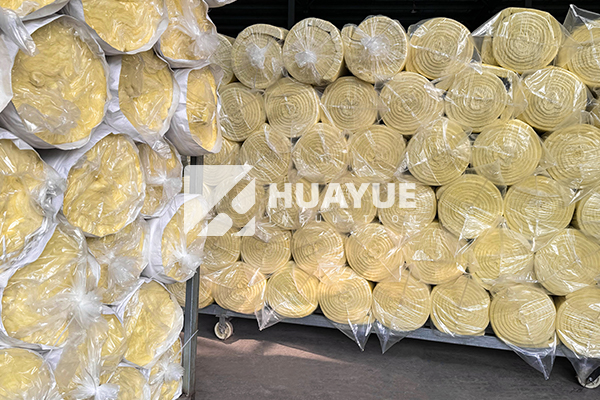
The color of fiberglass is usually just a dye from the manufacturer. Pink fiberglass, made famous by certain brands, uses a binder to keep fibers together. While it will not catch fire, heat over its rated capacity can cause it to melt or lose structure. For true fireproofing, I use materials like mineral wool or foam glass. These can block flames and maintain shape even in fire scenarios.
Fire Safety Ratings Table
| Insulation Type | Fire Resistance | Melting Point (°C) | Suitable For |
|---|---|---|---|
| Pink Fiberglass | Fire-resistant | ~540 | Residential, light industrial |
| White Fiberglass | Fire-resistant | ~540 | Commercial, general industrial |
| Mineral Wool | Fireproof | >1000 | Tanks, fire walls |
| Foam Glass | Fireproof | >900 | Cryogenic, chemical tanks |
Fire resistance means the insulation slows fire spread, but given enough heat it will fail. I keep this in mind when choosing insulation for tanks storing combustible chemicals. If the project safety requirements are strict, I always check for fire-proof certification and product tests.
What’s the difference between white and pink fiberglass insulation?
The color of fiberglass insulation often confuses engineers and construction teams. It’s tempting to think that color means different performance standards, but that’s not always the case.
White and pink fiberglass insulation perform similarly in terms of thermal resistance and fire resistance. The main difference is the manufacturing process, binder composition, and sometimes brand.
When I evaluate insulation for a tank system, I do not choose based on color. Instead, I check the thermal conductivity, maximum service temperature, and fire rating. Both white and pink insulation are usually spun from the same basic glass fibers. The binder and dye define their look. Some facilities prefer white insulation for aesthetics or to match existing structures. For performance, I focus on specifications on the data sheet, not the color.
Fiberglass Color Differences
| Color | Main Binder/Dye | Common Uses | Visual Advantage |
|---|---|---|---|
| Pink | Phenol-formaldehyde | Homes, general insulation | Recognizable, marketing |
| White | Acrylic or non-dyed | Factories, cleanrooms | Clean look, matches surfaces |
If a project requires visible inspection for dust or dirt, white insulation works better. For routine wall or attic use, pink is popular. For critical tanks and high-heat zones, binder strength and temp rating matter far more than color.
At what temperature does fiberglass insulation ignite?
Ignition temperature is a concern for every industrial engineer managing hot tanks or pipes. I have always checked this when specifying insulation for flammable environments.
Fiberglass insulation does not ignite easily. It has an ignition temperature above 540°C (1000°F). However, the binder can degrade or burn at lower temperatures.
When I select insulation for a tank system, I know that the glass fiber by itself is almost non-combustible up to its melting point. What actually burns first is the organic binder used to hold the fibers together. That can ignite from 200°C to 400°C, depending on the product. For tanks storing solvents or fuels, I use mineral wool or foam glass, which have no organic additives. If a project encounters temperatures above 500°C, even high-temp fiberglass requires protection or double insulation.
Temperature Milestones for Fiberglass
| Material | Binder Type | Binder Ignition (°C) | Fiber Melting (°C) | Ignites/Degrades At |
|---|---|---|---|---|
| Standard Fiberglass | Organic | 200-400 | ~540 | Binder scorches, fibers melt |
| High-temp Fiberglass | Mineral/Acrylic | 300-500 | ~540 | Binder chars, fibers remain until melting |
| Foam Glass | None | N/A | >900 | No ignition, fireproof |
When in doubt, I consult the factory for full fire test reports. I avoid installing standard bindered fiberglass in tanks that might see sustained temperatures above 400°C. Instead, I upgrade to a binder-free or mineral binder product.
Conclusion
High temp fiberglass insulation resists up to 540°C. It is fire-resistant, not fireproof, and performance differences are more about binder than color. Always check specs for critical installations.
You may also be interested in:
Ready to Get Started?
Get in touch with our experts for personalized solutions tailored to your needs.
Get Free QuoteLatest Articles

Should B2B Buyers Choose Mineral Wool Insulation?
Mar 31, 2026
Is Rock Wool a Good Choice for Acoustic Insulation?
Mar 30, 2026
Rockwool Insulation for Roof: Best Practices (2026)
Mar 27, 2026
Let's Work Together
Ready to take your business to the next level? Get in touch with our team of experts and let's discuss how we can help you achieve your goals.
Get Free Solutions