








Fiberglass Insulation in Basement: Is It the Right Choice?
If your basement feels cold and damp, finding the right insulation is crucial for comfort and energy savings.
Fiberglass insulation is a common basement choice because it offers effective thermal resistance, is budget-friendly, and easy to install. However, it is not always the best solution for every need.
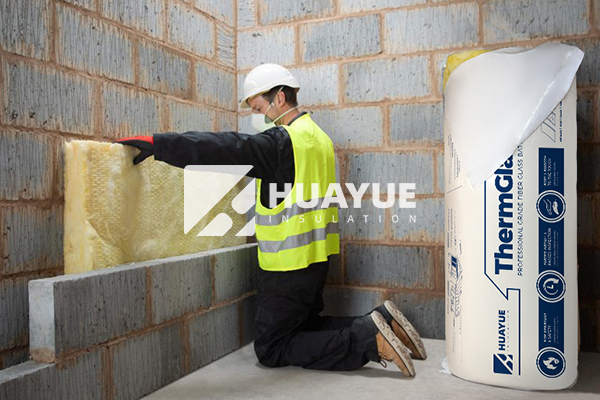
Many homeowners think that all insulation is the same, but picking the wrong product can lead to problems down the road. Let me walk you through why fiberglass insulation might work—and where it might fall short. From my own projects, I know how frustrating damp basement walls and high heating bills can be. Choosing carefully makes a difference that you can feel every day.
What is a disadvantage of fiberglass insulation?
Basement insulation should work well through the seasons, so why do some experts warn against fiberglass?
A key drawback of fiberglass insulation in basements is its tendency to absorb moisture, which can lead to mold growth and reduce its effectiveness over time.

I remember a renovation where a homeowner picked fiberglass because it seemed affordable and easy to install behind drywall. However, after only a few years, musty smells started to fill the basement. We discovered mold blooming where the insulation had soaked up moisture from the foundation walls. Fixing this mess cost more than the original job. Here is why:
Risk Factors of Fiberglass in Basements
| Problem | Cause | Possible Result |
|---|---|---|
| Moisture Absorption | Contact with damp basement or leaks | Mold, loss of R-value |
| Settling/Sagging | Gravity on vertical surfaces | Gaps, cold spots |
| Limited Barrier | Not airtight or vapor-proof on its own | Can let air and vapor through |
Fiberglass works well in dry conditions. In basements with high humidity or occasional leaks, it needs a vapor barrier and careful installation. Missing these steps often means problems later. You may need extra repairs, and comfort drops quickly if insulation gets wet.
What type of insulation is best for basement?
Finding the best insulation for basements takes more than looking at price or R-value on a label.
Closed-cell spray foam and foam glass insulation are often best for basements because they resist moisture, create air barriers, and maintain insulation performance even in damp environments.
In one upgrade, instead of replacing failed fiberglass, we used foam glass boards along the walls. There was a clear difference in both comfort and long-term durability. Foam glass does not absorb water. If leaks happen, you wipe the surface and everything stays stable. This makes a huge difference in basements prone to ground moisture.
Comparing Basement Insulation Choices
| Insulation Type | Moisture Resistance | Thermal Performance | Lifespan | Fire Safety |
|---|---|---|---|---|
| Fiberglass | Low | Good | Medium | Moderate |
| Foam Glass | High | Very Good | Long | Excellent |
| Spray Foam (Closed) | Very High | Excellent | Long | Very Good |
Picking insulation for basements means looking at performance over years, not just at installation. Foam glass and closed-cell spray foam offer solid long-term value. There is less worry about water, air leaks, or even pests. For basements, these options may cost more up front but pay off later.
Is it okay to be in a room with fiberglass wool?
People often ask: Is sitting or working in a room with fiberglass insulation safe for your health?
You can be in a room with fiberglass wool, but direct contact and airborne fibers may irritate skin, eyes, and lungs. Proper installation and finishing reduce health risks.
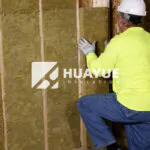
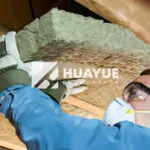
Most installers—myself included—wear gloves and masks when working with fiberglass. Any loose fibers can cause itching or a scratchy throat. Once it is sealed behind drywall, the risks drop sharply. I always advise finishing with wallboard or a vapor barrier so fibers do not escape.
Safety Practices for Fiberglass Wool
| Situation | Risk Level | Safety Tip |
|---|---|---|
| Uncovered/Exposed | High | Wear gloves, mask, cover skin |
| Installed & Sealed | Low | No special precautions needed |
| Demolition/Renovation | Medium | Use dust control, proper cleanup |
If you see exposed fiberglass, do not let kids or pets touch it. After installation, most risks go down. If you ever renovate, use caution to avoid breathing loose fibers.
Is foam insulation better than fiberglass wool in basement?
Many people want to know if foam insulation offers better results than fiberglass wool in basements, especially for durability and moisture issues.
Foam insulation—especially foam glass—works better than fiberglass wool in basements. It does not absorb water, resists mold, supports loads, and keeps its performance for decades.
I tested both types on two different basement projects. Foam glass stayed dry even after minor flooding. The fiberglass area, however, needed replacement when dampness set in. The difference was clear:
Foam Insulation vs. Fiberglass Wool in Basements
| Feature | Fiberglass Wool | Foam Insulation |
|---|---|---|
| Moisture Proof | Poor | Excellent |
| Mold Resistance | Low | High |
| Structural Strength | Average | Strong |
| Longevity | Medium | Very Long |
Foam glass also supports heavy wall panels and resists fire, which adds peace of mind. While it costs more initially, the value over time beats fiberglass wool in most basement cases.
Conclusion
Choosing basement insulation needs careful thought. Foam glass and closed-cell foam give safer, longer-lasting results than fiberglass, especially where moisture is a concern.
You may also be interested in:
Ready to Get Started?
Get in touch with our experts for personalized solutions tailored to your needs.
Get Free QuoteLatest Articles


Let's Work Together
Ready to take your business to the next level? Get in touch with our team of experts and let's discuss how we can help you achieve your goals.
Get Free Solutions