








Fiberglass Batt Insulation for Attic: Is It the Right Choice for Your Home?
Many homeowners worry about energy loss, uncomfortable rooms, and rising bills. I get it. If your attic isn’t insulated right, your whole house pays the price.
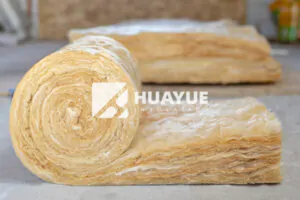
Fiberglass batt insulation is a popular choice for attics because it offers good thermal resistance, affordability, and easy installation. It’s effective in most climates, making it suitable for many homes.
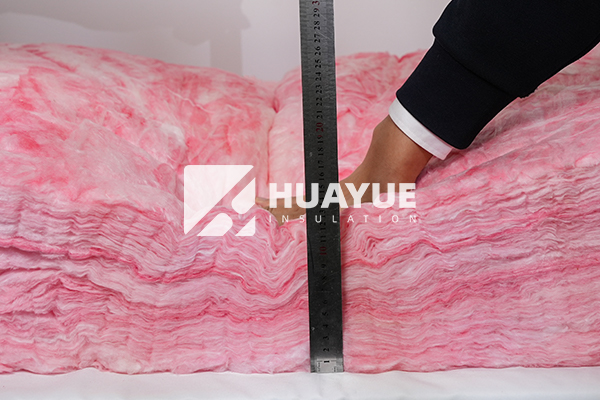
If you’re looking to improve your attic’s comfort and want a solution that checks all the boxes for cost, performance, and installation speed, fiberglass batt insulation stands out. This material has built a reputation in the industry for being versatile and reliable. In my own experience, I’ve seen homeowners achieve lower energy bills and better indoor air quality with properly installed fiberglass batts. Let’s look at how this material fits your attic needs and address some questions you may have.
Is fiberglass insulation good for an attic?
Fiberglass insulation is trusted by professionals and homeowners alike. It stops heat from escaping in winter and entering in summer, so your attic stays comfortable.
Fiberglass insulation works well in attics because it has a high R-value, is non-combustible, and resists moisture. With proper installation, it can prolong roof life and cut energy bills, offering value for both retrofit and new construction projects.
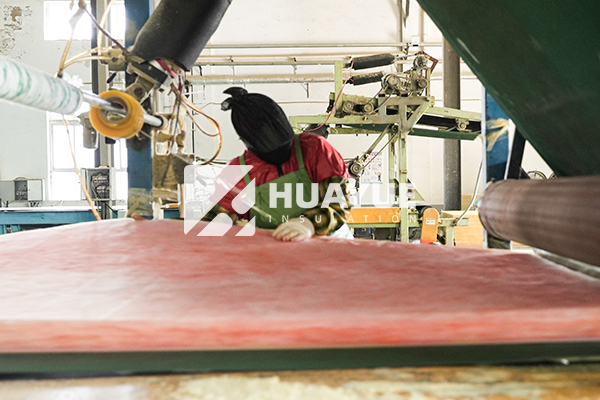
I always recommend looking at the numbers. The R-value of fiberglass batts ranges from R-11 to R-38. That means the attic can stay warm in winter and cool in summer. Fiberglass does not burn, which is a big safety advantage. It doesn’t absorb water either, so it reduces chances for mold or mildew. When I check attics during upgrades, I see that homes with fiberglass insulation usually have fewer moisture issues. That’s because it leaves no gaps when installed carefully. Proper insulation lowers the strain on HVAC systems, so heating and cooling are easier for the house. Here’s how fiberglass batts stack up:
| Feature | Fiberglass Batts | Other Insulation |
|---|---|---|
| R-value | R-11 to R-38 | R-10 to R-49 |
| Fire resistance | Yes | Varies |
| Moisture proof | Good | Depends |
| Install ease | Easy | Moderate to Difficult |
I see time and time again that fiberglass batts help attics meet building codes and safety standards. For homeowners, it’s a cost-effective material that performs well for decades.
Is it okay to use batt insulation in an attic?
Batt insulation is used in attics all the time. It fits well between joists, making installations easy and fast.
Batt insulation is effective in most attics when installed properly. It fills spaces between rafters and joists, ensuring fewer gaps. For best results, install it without compressing the batts or leaving spaces.
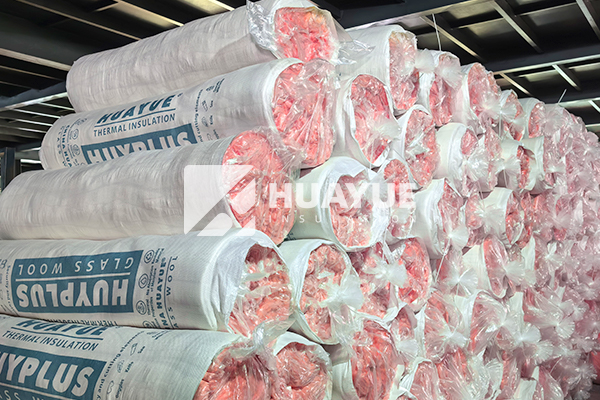
I have worked on many attic projects, and batt insulation is a go-to choice. The sheets are easy to cut and place where you need them. When installed with care, batt insulation prevents uneven coverage and drafts. Attics should be dry and free from leaks before installation. That’s because moisture can reduce insulation efficiency. Batts need to be handled gently. Compressed batts lose their effectiveness because the air pockets inside provide the insulation. I always remind homeowners to check the fit—batts must cover every gap, even around pipes and wiring. Here’s why batt insulation is recommended:
| Batt Insulation Benefits | Practical Details |
|---|---|
| Easy to install | No special tools needed |
| Fits various attic shapes | Can be trimmed as needed |
| Cost-effective | Low upfront cost |
| Maintains performance | Lasts up to 40 years |
In my experience, using batt insulation in the attic is both safe and efficient. It’s important to install it correctly for maximum insulation value.
How much does it cost to insulate a 2000 sq ft attic?
Cost is a big concern for most homeowners. Fiberglass batt insulation offers one of the lowest prices per square foot.
To insulate a 2000 sq ft attic with fiberglass batts, costs typically range from $1,200 to $2,400, including basic materials and labor. Actual prices depend on thickness, local labor rates, and attic complexity.
Fiberglass batt insulation comes in rolls or pre-cut sheets. Pricing is affected by the thickness and R-value you choose. Labor costs go up if your attic has difficult access, lots of wiring, or complex framing. When I help clients price a project, I look at material grade, attic prep, removal of old insulation, and disposal fees. Some projects include air sealing, which adds to the cost but boosts comfort. Here’s a breakdown:
| Project Item | Estimated Cost |
|---|---|
| Material (batts) | $800–$1,400 |
| Labor | $300–$700 |
| Prep & Cleanup | $100–$300 |
| Total (2000 sq ft attic) | $1,200–$2,400 |
I always tell clients it’s worth investing in thorough installation, so you get lasting benefits. Sometimes seasonal discounts apply, so check with local suppliers.
What is the downside of fiberglass insulation?
Every material has its limits. Fiberglass insulation works well, but knowing the challenges helps you plan.
Fiberglass insulation can irritate skin and lungs if handled without protection. It may lose performance if compressed or exposed to moisture. Proper installation and attic maintenance are key.
Some cons are easy to manage with good planning. Fiberglass batts shed tiny fibers, so wearing gloves, masks, and goggles during installation is important. I always make sure the attic is dry before installing insulation to prevent mold growth. If old insulation is dirty or wet, it should be removed first. Fiberglass can settle over time if disturbed, so avoid stepping on batts after installation. It’s important to check for air leaks or gaps since batts do not block airflow as tightly as spray foam. Here’s the comparison:
| Downside | Solution |
|---|---|
| Itchy and irritating | Wear protective gear |
| Loses value when wet | Keep attic dry |
| May shift over time | Inspect attic yearly |
| Doesn’t air seal | Add air sealing materials |
I remind customers that attic maintenance is part of protecting their investment. Fiberglass insulation performs well, but attention to detail is needed.
Conclusion
Fiberglass batt insulation is effective for attics, offering good performance and low cost if installed correctly, with a few manageable drawbacks that homeowners should plan for.
You may also be interested in:
Ready to Get Started?
Get in touch with our experts for personalized solutions tailored to your needs.
Get Free QuoteLatest Articles

Is Fiberglass Insulation Harmful?
Mar 3, 2026

How is fiberglass insulation made?
Mar 2, 2026

Let's Work Together
Ready to take your business to the next level? Get in touch with our team of experts and let's discuss how we can help you achieve your goals.
Get Free Solutions