








Faced Rock Wool Insulation: What Is It And When Should You Use It?
Rock wool insulation solves big comfort and safety problems for industrial tanks, but most engineers ask: does choosing faced insulation really make a difference, or is it just marketing?
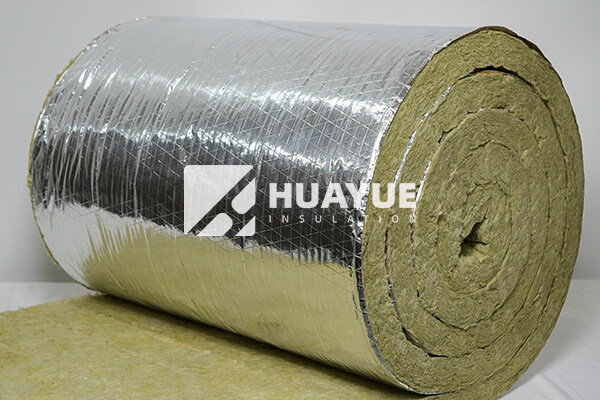
Faced rock wool insulation means the product has one side covered with a protective layer, usually foil or fabric. The facing helps with air and vapor barriers, offering extra moisture resistance where it’s needed.
Many tank engineers like Hans Müller want insulation that lasts. Moisture is a big problem. If insulation gets wet, tanks can rust, energy efficiency drops, and the costs add up. Faced rock wool insulation can solve these problems, but it is not always needed. Let’s look at the details.
Does rock wool have faced insulation?
Moisture, fire, and corrosion are always threats to tank systems. Plant engineers know faced insulation can block humidity better.
Yes, rock wool insulation is available with various facings. Common facings include aluminum foil, glass cloth, and reinforced Kraft paper. Faced products are designed for improved moisture and mechanical protection.
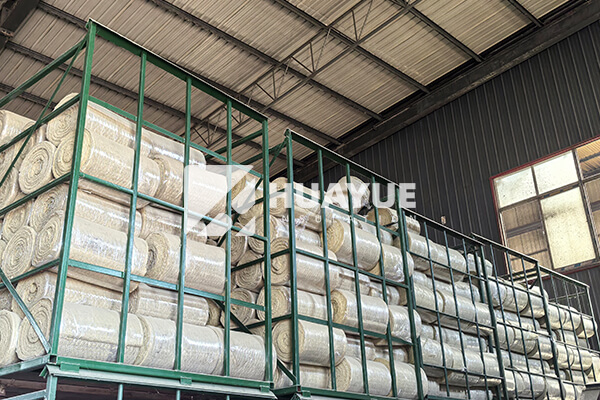
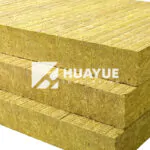
Rock wool insulation comes in many forms. Unfaced rock wool is just the basic mineral fiber material. Faced variants have layers attached to one side. Aluminum foil facing is the most popular choice for tanks. The foil acts as a vapor barrier, stopping water from passing through the insulation. This protection matters a lot in humid or wet environments.
Sometimes, engineers use glass cloth facings for mechanical strength. Faced insulation also resists tearing during installation. When you walk through a storage yard, faced mineral wool stands out from plain slabs. It looks shiny and sturdy. For chemical plants, this extra strength makes maintenance easier and faster. In my experience, adding just a thin layer of foil can boost performance and make install work cleaner.
Is there faced mineral wool?
Tank insulation has to deal with leaks, vibration, and rough handling. Faced mineral wool is built to handle these problems.
Faced mineral wool is widely available. Manufacturers produce mineral wool insulation rolls and boards with factory-applied facings. These facings include foil, mesh, and fabrics, all designed for specific requirements.
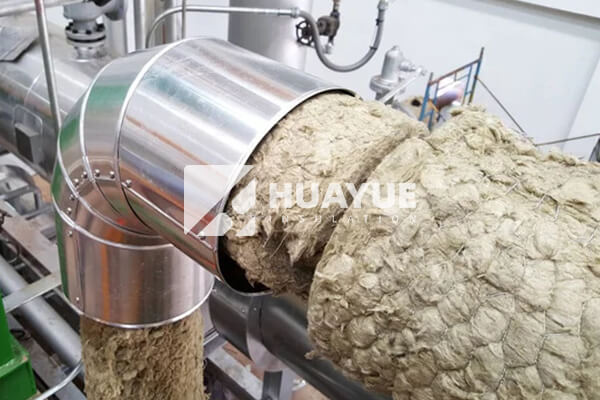
Mineral wool is made from melted rock spun into fibers. The base product is tough, but sometimes not tough enough for heavy-duty applications. Faced mineral wool products use facings for several reasons. Foil-faced boards reflect radiant heat and block moisture. Mesh facings help keep the insulation firm and hold its shape. Fabric facings are chosen for places that need abrasion resistance.
I have seen how faced mineral wool performs in tank applications. Tanks are often cleaned with high-pressure water or chemicals. The facing keeps the insulation safe from damage and chemicals. The table below shows the common types of facings and their uses:
| Facing Type | Common Use | Key Benefits |
|---|---|---|
| Aluminum Foil | Tanks, pipes | Blocks moisture, reflects heat |
| Glass Cloth | Machinery, ducts | Adds mechanical strength |
| Reinforced Mesh | Vessels, tank bottoms | Prevents insulation movement |
The right facing can turn ordinary mineral wool into a targeted solution for tough environments.
Is faced insulation better?
Plant managers ask for insulation that will last longer and cut costs. The right facing could make all the difference.
Faced insulation offers superior moisture, vapor, and abrasion resistance. It is better in high-humidity, outdoor, or corrosive environments. In dry indoor spaces, unfaced insulation often works fine.
Many times, I see customers compare faced and unfaced insulation. The main difference is performance over time. Faced insulation blocks humidity so tanks are less likely to corrode under insulation. In places with chemicals or salt, like coastal plants, faced insulation lasts much longer.
Faced products also resist tearing when installed. Workers can push, pull, and cut the faced insulation with less breakage. For applications where regular maintenance is required, such as tank access hatches or pipe connections, the facing saves money and effort. In my experience, unfaced insulation can work just as well in dry, indoor areas where physical damage is not likely.
Does wool insulation need to be faced?
Choosing the right insulation depends on the risks at your plant. Sometimes, facing is optional.
Wool insulation does not always need to be faced. Facing is necessary when there is a risk of moisture, chemicals, or frequent handling. For protected indoor spaces, unfaced insulation can be sufficient.
Facings are not a universal requirement. Hans often checks tank locations before deciding. If a tank is inside a dry, climate-controlled warehouse, a simple unfaced product is usually enough. The risk profile is lower. Energy efficiency is similar. However, tanks outside, near pipes, or exposed to weather will benefit from a vapor barrier. Faced insulation gives peace of mind and cuts maintenance calls.
Some safety codes demand a specific type of facing for fire resistance or hygiene reasons. Before buying, plant engineers should inspect site risks, moisture levels, and mechanical needs. Sometimes, a mix of faced and unfaced products works best. It’s smart to talk with suppliers about each tank’s unique needs.
Conclusion
Faced rock wool insulation adds value by blocking moisture and damage. The real need for facing depends on each tank’s location and risk.
You may also be interested in:


Ready to Get Started?
Get in touch with our experts for personalized solutions tailored to your needs.
Get Free QuoteLatest Articles




Let's Work Together
Ready to take your business to the next level? Get in touch with our team of experts and let's discuss how we can help you achieve your goals.
Get Free Solutions