








Does ROCK WOOL insulation make walls better or worse?
Even if you spend a lot on energy bills, you may still feel drafts and lose heat. Older wall insulation doesn’t always work well. Is rock wool the solution?
Rock wool insulation improves wall thermal performance, reduces heat loss, and provides strong fire resistance. It resists mold, and pests, and doesn’t slump over time. These advantages make it a great choice for wall insulation projects.
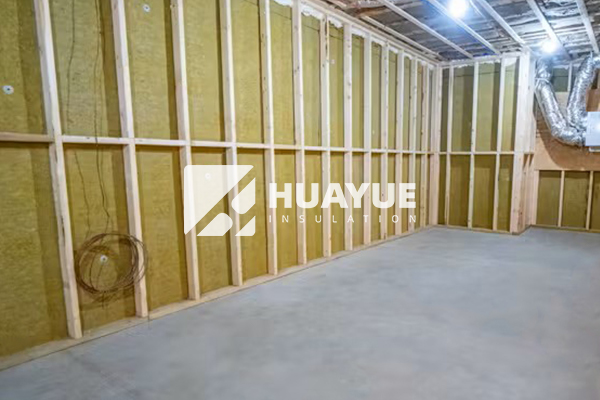
When I upgrade wall insulation, I want it to last and protect my building. Many choices claim to be perfect, but few can match rock wool’s full set of strengths. Before you decide, you should understand both the good and the not-so-good points. Let’s dive in more.
Is ROCK WOOL insulation good for walls?
Drafts and cold spots inside your home can be very frustrating. You want a solution that works. Does rock wool really help?
Rock wool insulation is one of the best wall insulators. It handles both hot and cold climates very well. The fibers act as barriers that slow heat movement. It also provides sound dampening. Many builders choose it because it resists fire, pests, and mold. Its structure stays firm. This means it will not shrink and create gaps.
Why is rock wool often the top recommendation for walls?
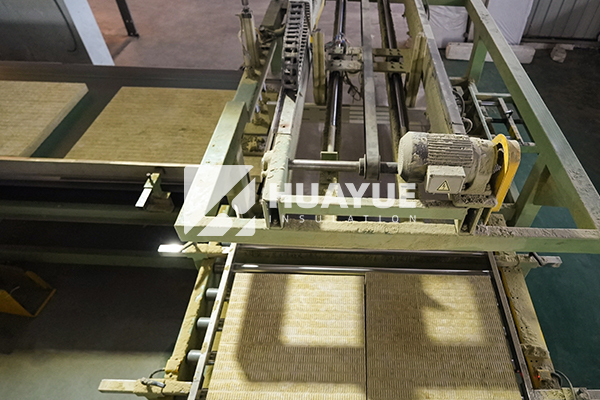
Let me break it down. Walls need to stop airflow, heat transfer, and unwanted noise. Most materials cannot do all three. Rock wool’s fire-resistance is huge: it stands up to over 1000°C and does not burn. This makes it great for places where safety rules are strict. Its fiber structure traps air, slowing heat loss. The sound-absorbing fibers dampen traffic and neighbor noise.
Maintenance is simple. Unlike foam, rock wool doesn’t shrink or sag. It is usually cut to size, then pressed between wall studs. If I need to check pipes or wiring, it stays in place and does not fall apart. It is also easy to recycle. Below is a table comparing rock wool with fiberglass and foam:
| Property | Rock Wool | Fiberglass | Foam Board |
|---|---|---|---|
| Fire Resistance | Excellent | Good | Poor-Moderate |
| Sound Proofing | High | Medium | Low |
| Lifespan | 25+ years | 15-20 years | 20 years |
| Ease of Install | Moderate | Easy | Moderate |
Rock wool offers the best mix of safety, performance, and lasting value for almost every wall project.
What are the disadvantages of ROCK WOOL insulation?
Strong performance sounds great until you look at the weak points. What should you watch out for before using rock wool?
Rock wool usually costs more than other insulation types. It can be dusty to install, requiring gloves and long sleeves. The fibers can be itchy. Sometimes, it is harder to find in small quantities. You may need skilled workers for tricky areas.
What do most people complain about with rock wool insulation?
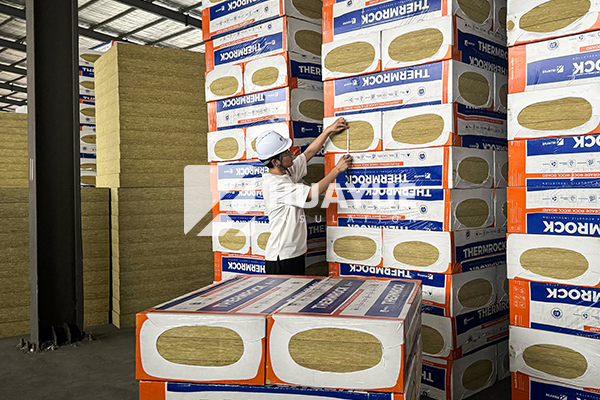
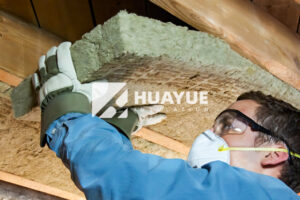
Let’s be direct. The first complaint I hear is about cost. Rock wool is sometimes twice the price of fiberglass. This can be tough if your budget is tight. The insulation itself is safe, but during installation, the dust makes people uncomfortable. This requires masks and sometimes eye protection.
Rock wool is heavier than fiberglass. If you need to install it overhead or between tight wall spaces, it takes more effort. The cut edges can shed loose fibers, so I always wear basic protective gear. Below, you can see how rock wool disadvantages stack up:
| Issue | Rock Wool | Fiberglass | Foam Board |
|---|---|---|---|
| Cost | High | Low | Medium |
| Installation Dust | Yes | Yes | No |
| Weight | Medium-High | Low | High |
| Cuts Needed | Yes | Yes | Yes |
For many projects, these cons are not deal breakers, but they do mean you must plan for a little more cost and care.
Does ROCK WOOL need a vapor barrier in walls?
Water vapor sneaks through walls. You want to avoid condensation and mold. Does rock wool need another layer to stay dry?
Rock wool does not absorb water and is vapor permeable. In most cases, you still need a vapor barrier on the warm side of the wall. This stops indoor moisture from getting into the wall, where it can condense and cause mold.
How does the vapor barrier work with rock wool?
Vapor barriers are thin sheets that stop moisture from moving through. If your climate is cold and you heat indoors, moisture tries to move outward. Putting a vapor barrier on the home’s interior side blocks this movement.
Rock wool itself does not trap water, but the wall studs, drywall, and siding can. If water moves in and hits cold wall surfaces, it can condense. In old houses, this leads to mold or rot. If I skip the vapor barrier, walls risk hidden damp spots. It’s a simple step that keeps all insulation dry and working well.
Compare what happens with and without a vapor barrier:
| Layer | No Vapor Barrier | With Vapor Barrier |
|---|---|---|
| Rock Wool | Stays dry but wall may get damp | Stays dry and wall stays dry |
| Wall Studs | Can rot or mold | Protected |
| Drywall | Risk of swelling | Protected |
Always check your local building code, but most wall systems perform best with a vapor barrier and rock wool together.
Will mice nest in ROCK WOOL insulation?
Pests ruin good insulation and create holes. Do mice like to hide in rock wool walls?
Rock wool insulation is not a nesting material for mice. The dense, non-organic fibers make it unattractive. It doesn’t hold warmth or food, so pests usually avoid it.
Why does rock wool stop pests?
Rock wool comes mainly from stone. Mice look for soft, warm, and food-rich materials. Rock wool is stiff and harsh, offering neither comfort nor food. Its density blocks paths, making tunneling hard. Mice and other rodents want softer, more natural fibers.
If you seal wall openings and use rock wool, pests rarely get inside. Compared with other materials, rock wool offers less risk for burrowing or nesting. Here is a quick rundown:
| Insulation Type | Mouse Risk | Why? |
|---|---|---|
| Rock Wool | Low | Too dense, too harsh |
| Fiberglass | Medium | Softer, easier to tunnel |
| Cellulose | High | Natural fibers, easy nesting |
| Foam Board | Medium | Not attractive, but can chew |
If you have had pest problems, switching to rock wool adds peace of mind.
What happens to ROCK WOOL when it gets wet?
Water in insulation is bad news. Can rock wool handle leaks or floods? Does it recover or need to be replaced?
Rock wool insulation repels water and dries quickly when exposed to moisture. Its structure does not absorb water, so it keeps its performance and shape after drying out.
How does rock wool behave after getting wet?
Rock wool is hydrophobic. This means water runs off the fibers instead of soaking in. If a leak happens, I can remove the wet material, dry it, and put it back. It will not slump or lose performance. Mold is rare, as the material does not hold moisture.
If other insulations get wet, they often need full replacement. Rock wool is different. Even after flooding, a quick dry with airflow returns it to normal function. Still, always check wall layers for hidden water damage. Below is a comparison:
| Material | Wet Reaction | Replacement Needed |
|---|---|---|
| Rock Wool | Dries, no damage | Rarely |
| Fiberglass | May slump, mold | Often |
| Cellulose | Absorbs, decays | Always |
This feature makes rock wool ideal for places at risk for leaks, floods, or high humidity.
Conclusion
Rock wool insulation for walls is a smart choice. It brings top safety, durability, and long-term comfort, with few downsides worth noting.
"
You may also be interested in:

Ready to Get Started?
Get in touch with our experts for personalized solutions tailored to your needs.
Get Free QuoteLatest Articles



Let's Work Together
Ready to take your business to the next level? Get in touch with our team of experts and let's discuss how we can help you achieve your goals.
Get Free Solutions