








Can Rock Wool Really Work for Exterior Insulation?
Do you face issues with energy loss through your building’s exterior walls, leading to uncomfortable rooms and mounting bills?
Rock wool can be used for exterior insulation, offering strong fire resistance, thermal efficiency, and durability. This mineral-based product works well in most climates and stands up to moisture and pests. Installers favor it for tough jobs in commercial and residential projects.
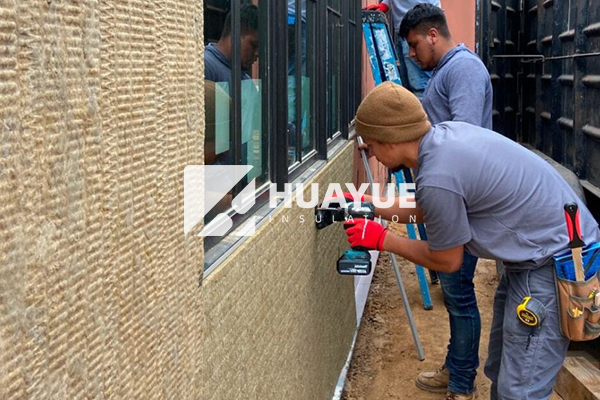
Many people ask me if rock wool is really suitable for the outside of a building. There is always a fear of moisture, weather damage, or even the risk of fire. Every owner and engineer is looking for a reliable way to insulate exterior walls without dealing with future problems. If you want to optimize your building envelope while making sure the structure stays protected and energy efficient, then you need to keep reading.
Can You Use ROCK WOOL for Exterior Insulation?
Exterior walls are exposed to the elements day and night. This creates demand for a tough insulation that won’t sag, rot, or lose effectiveness over time.
Rock wool is ideal for exterior wall insulation, resisting weather impacts, fire, and insects. It can be installed as boards or batts, delivering high thermal and acoustic performance with minimum maintenance required.
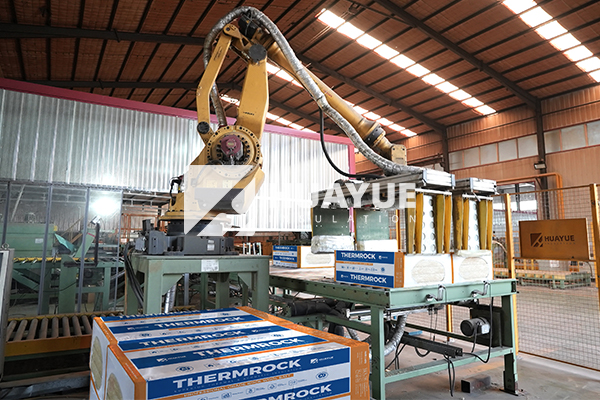
Rock wool is made from natural basalt and recycled slag, heated and spun into fibers, then pressed into boards or rolled into batts. It does not absorb water, so rain and humidity do not penetrate and degrade the insulation. In my experience with industrial facilities and commercial construction, rock wool acts as a robust exterior barrier that can outlast many synthetic materials. The panels are non-combustible, which is vital for exterior walls, especially when regulations demand fire resistance. Rock wool can be finished with a variety of external claddings like stucco, siding, or rainscreens, so it works for almost any project. If installed by skilled professionals, it keeps its shape for decades, making it a cost-effective solution over time.
What Are the Negatives of ROCK WOOL Insulation?
No product is perfect, and knowing the potential drawbacks will help you make the right choice.
Rock wool insulation may be more expensive than some alternatives and can cause itching during installation. Some boards require strong fasteners for wind exposure. Handling must follow safety guidelines.
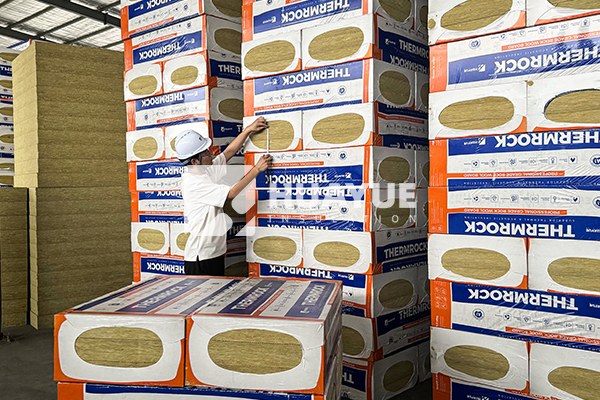
Over the years, I’ve noticed three main disadvantages to rock wool used for exterior walls. First, there is the upfront cost. Rock wool is usually pricier than fiberglass or cheaper foam panels. For large projects, the difference can be significant. Second, installing rock wool can be uncomfortable. The fibers can irritate the skin and lungs, so workers need long sleeves, gloves, and masks. Third, rock wool boards often need more frequent fasteners or anchors in high-wind areas, because of their weight compared to foam boards. Good installation ensures they won’t move or become loose over time. While these negatives exist, they’re usually outweighed by the long-term benefits of durability and performance. Here is a quick table for reference:
| Negative | Impact | Mitigation |
|---|---|---|
| Higher initial cost | More expensive material and labor | Long-term savings |
| Skin / lung irritation | Uncomfortable for installers | Protective gear |
| Wind exposure | Possible movement or damage | Extra anchors / fasteners |
Advantages of Rockwool Board for External Wall Insulation
Not all insulation boards are created equal. External walls need materials that address fire safety, moisture, and lifespan under daily exposure.
Rock wool board has non-combustibility, sound dampening, water repellency, and low thermal conductivity. It lasts decades, resists mold and pests, and supports a safe, energy-efficient environment.
Rock wool boards for exterior walls provide multiple benefits, starting with fire resistance. Because they are made from volcanic rock, they withstand temperatures up to 1000°C and do not burn. This protects your building and meets strict regulations. Second, sound insulation is excellent. Dense fibers block outside noise, which is important for busy roads or industrial environments. Third, water resistance means humidity and rain do not cause mold, rot, or decay. Also, pests like insects and rodents do not nest in rock wool. I have seen many projects last more than 30 years with little or no degradation. Here is a direct side-by-side comparison to other exterior insulation types:
| Feature | Rock Wool Board | EPS Foam Panel | Fiberglass Batts |
|---|---|---|---|
| Fire Resistance | Excellent | Poor | Average |
| Water Absorption | Very Low | Moderate | High |
| Sound Insulation | High | Low | Medium |
| Lifespan | 30+ years | 10-20 years | 5-10 years |
| Pest Resistance | Excellent | Poor | Poor |
How to Insulate an Above Grade Exterior Wall
Proper installation gets the best performance from rock wool and avoids common mistakes.
Install rock wool boards against exterior wall sheathing, fasten securely, seal all edges, and finish with weatherproof cladding. Inspect regularly for gaps or damage, and maintain as needed.
To insulate an above grade exterior wall, I start with a clean, dry wall surface for best adhesion. Rock wool boards are cut to fit and pressed against the sheathing. Fasteners are installed every 30-40 cm along vertical and horizontal lines. Joints are sealed with tape or caulk where specified. Once boards are anchored, a weatherproof cladding—like metal paneling or stucco—is applied over the insulation. This protects the rock wool and creates a durable envelope. Regular inspections and prompt repairs keep the system effective for decades. Below is a simple outline:
| Step | Detail | Reason |
|---|---|---|
| Surface Preparation | Clean and dry wall | Ensures tight bond |
| Cutting Boards | Cut to exact measurements | Reduces gaps and waste |
| Fastening | Use approved anchors/fasteners | Prevents movement |
| Sealing Joints | Tape/caulk for weatherproofing | Blocks moisture and air leaks |
| Cladding | Finish with durable exterior | Shields rock wool, adds style |
| Inspection/Repair | Check annually | Maintains insulation value |
Conclusion
Rock wool is an excellent exterior insulation choice, balancing fire safety, durability and long-term performance for residential or industrial walls.
You may also be interested in:

Ready to Get Started?
Get in touch with our experts for personalized solutions tailored to your needs.
Get Free QuoteLatest Articles


Should B2B Buyers Choose Mineral Wool Insulation?
Mar 31, 2026
Is Rock Wool a Good Choice for Acoustic Insulation?
Mar 30, 2026
Rockwool Insulation for Roof: Best Practices (2026)
Mar 27, 2026
Let's Work Together
Ready to take your business to the next level? Get in touch with our team of experts and let's discuss how we can help you achieve your goals.
Get Free Solutions