








Can mold grow on fiberglass insulation?
Fiberglass insulation promises durability, but mold growth is still a concern for many. Unchecked, this problem can quickly impact safety, air quality, and energy efficiency.
Yes, mold can grow on fiberglass insulation if moisture and organic debris are present. Keeping the material dry and clean helps prevent mold growth and protects indoor air quality.
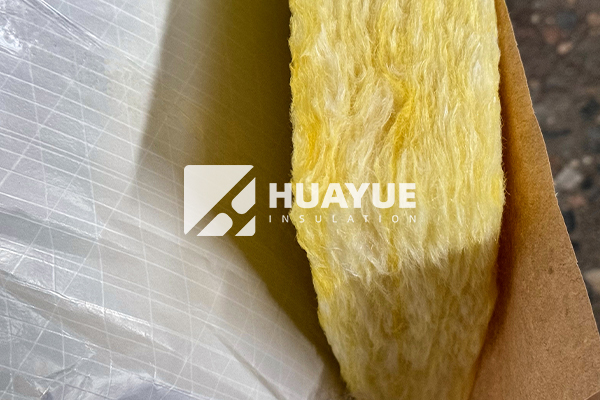
Moisture finds its way into buildings all the time. Even if fiberglass itself cannot feed mold, dust and organic matter stuck to the fibers can make a home for mold. When moisture combines with these particles, insulation becomes vulnerable. Many times, people ignore tiny leaks or condensation, but these can quickly become big problems for insulation. People worried about safety and efficiency must pay attention to spots with high humidity and hidden leaks.
What does mold on fiberglass insulation look like?
Mold is sneaky and does not always look the same. Spotting early signs helps prevent bigger headaches down the road.
Mold on fiberglass insulation often appears as black, green, or brown spots or patches. These areas may look fuzzy or slimy, typically found where moisture has collected.
When I check insulation systems, I look for coloring that stands out from the usual light yellow or pink. Mold sometimes appears as dark spots or even gives off a faint musty odor, especially behind walls or under tanks. If the insulation is exposed, you can run a finger along the surface. If the spots smear or leave a stain, it’s often mold. Regular checks of corners, junctions, and places where tanks leak or “sweat” make a big difference. If mold is present, it can spread to other materials quickly, posing health risks and reducing the insulation value.
| Visual Signs of Mold | What They Mean |
|---|---|
| Black Spots | Common mildew, usually from water exposure |
| Green/Brown Patches | Advanced fungal growth, persistent moisture |
| Fuzzy Appearance | Growth phase, ongoing contamination |
| Musty Odor | Moist environment favoring mold colonies |
Why Mold Can Appear on Fiberglass Insulation?
Insulation promises reliability, but mold can still show up if the conditions are right. Knowing why helps prevent it.
Mold can appear on fiberglass insulation when moisture mixes with dust, dirt, or organic debris trapped in the fibers. Regular leaks, condensation, or bad ventilation boost the risk.
Pinpointing the reason for mold starts with the basics. Fiberglass itself does not produce food for mold, but the insulation system rarely stays untouched. Over time, airborne dust and small debris land on and inside the insulation. If the area gets wet from a leaky tank or high humidity, the debris acts as food for mold. Installing insulation close to tanks with surface temperature changes increases wetness, making insulation damp. Neglected insulation, or areas that cannot dry quickly, are most vulnerable. I see this often in industrial settings where tanks sweat or rain enters roofs. Factory managers and engineers must keep a close eye on wet spots and clean regularly to lower the chance of mold.
| Common Mold Causes | Resulting Issues |
|---|---|
| Condensation from cold tanks | Persistent wet insulation |
| Leaks from pipes or roofs | Saturated fiberglass |
| Poor ventilation | Long-term high humidity |
| Accumulated dust/debris | Mold-friendly environment |
What kills mold on fiberglass insulation?
Removing mold safely is critical to keeping staff and facilities healthy. The right approach can prevent more damage.
Mold on fiberglass insulation can be killed using EPA-approved biocidal sprays, diluted bleach solutions, or hydrogen peroxide. Always wear protective equipment and ventilate the area thoroughly.
Not every cleaning solution works the same. I start with personal safety gear, including gloves and a mask. If the mold covers a small area, I spray it with a diluted bleach solution or a specialized biocide. These chemicals kill mold spores fast and stop them from spreading. After treating the affected spot, it’s important to rinse and dry the insulation thoroughly. Sometimes, I use hydrogen peroxide, especially when bleach might damage surrounding materials. It foams and helps lift mold from the fibers. It is smart to test these solutions on a hidden area first. Never forget—ventilation helps dry the area faster and makes chemicals work better. For bigger problems, or if the insulation is deeply damaged, replacing the affected part is often safer.
| Solution | Application | Pros | Cons |
|---|---|---|---|
| Diluted Bleach | Spray and rinse | Affordable, quick action | Can irritate eyes/skin |
| Biocidal Sprays | Light mist, then ventilate | Effective, easy to use | Higher cost |
| Hydrogen Peroxide | Foam, then wipe/rinse | Safe, minimal odor | May not kill all molds |
Should moldy insulation be removed?
Choosing whether to remove moldy insulation is not easy. The risks often outweigh the costs of replacement.
Moldy fiberglass insulation should be removed if the contamination is widespread or compromises indoor air quality and safety. Small, surface mold can sometimes be cleaned, but severe cases require removal.
I always assess how deep and wide the mold spreads. If I can clean just the surface, treatment works. But if mold penetrates, insulation crumbles or starts to smell strong, removal is the only way. Mold can release spores that make air unsafe, triggering allergies and breathing problems. In critical tanks, mold can also lower insulation efficiency and raise energy costs. Removing insulation may seem expensive, but long-term facility safety and staff health matter more. After removal, I check the tank shell and nearby surfaces for water damage before installing new insulation.
| Scenario | Action |
|---|---|
| Mold on surface only | Clean and treat |
| Mold penetrates layer | Remove/replace |
| Strong musty smell | Remove |
| Health risk present | Remove |
How Mold Solutions Can Help Remove and Prevent Mold on Fiberglass Insulation?
Professional mold solutions offer lasting protection beyond DIY fixes. The right tools and know-how reduce future problems.
Professional mold solutions use specialized cleaning agents, advanced drying systems, and ongoing monitoring to remove and prevent mold effectively. These services reduce the risk of recurring mold issues.
When I work with a mold abatement team, they begin with isolating the affected area to keep spores from spreading. Specialized cleaning agents reach deep into the insulation and kill hidden mold where typical sprays would miss. Next, industrial drying machines pull moisture from the area quickly, making it hard for mold to return. Some services go further and use air sensors to check humidity over time. They often apply a protective coating to exposed surfaces that keeps mold from taking hold again. I find these solutions most helpful for large chemical tanks or places where insulation is hard to access. The cost pays off when you consider fewer repairs, higher efficiency, and less downtime for facility maintenance.
| Step | Benefit |
|---|---|
| Isolate area | Limits spore spread |
| Apply advanced cleaners | Kills deep mold colonies |
| Use high-capacity dryers | Dries insulation quickly |
| Add protective coatings | Prevents future growth |
| Monitor humidity | Early warning system |
Conclusion
Mold can grow on fiberglass insulation where moisture and debris meet. Prevention and fast action help protect safety and performance for the long term.
You may also be interested in:

Ready to Get Started?
Get in touch with our experts for personalized solutions tailored to your needs.
Get Free QuoteLatest Articles


Should B2B Buyers Choose Mineral Wool Insulation?
Mar 31, 2026

Is Rock Wool a Good Choice for Acoustic Insulation?
Mar 30, 2026
Rockwool Insulation for Roof: Best Practices (2026)
Mar 27, 2026

Let's Work Together
Ready to take your business to the next level? Get in touch with our team of experts and let's discuss how we can help you achieve your goals.
Get Free Solutions