




Brown Fiberglass Insulation: What Makes It Different?
Brown fiberglass insulation often confuses homeowners and contractors. Is it a sign of trouble, or just a color choice from the manufacturer?
Brown fiberglass insulation is typically made from glass fibers and colored using dyes or by adding natural binders. It offers the same thermal and acoustic performance as other colors of fiberglass insulation.
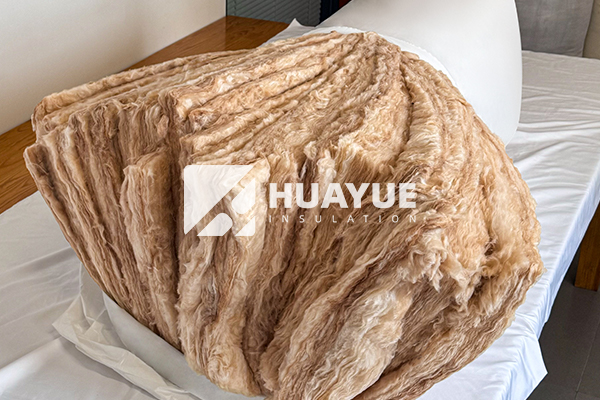
Some people think brown insulation means poor quality or damage, but that’s not always true. The color can indicate the binder formula, manufacturing method, or even the brand. Sometimes, seeing brown insulation might make you pause before deciding to replace or keep what you have. Let’s look at what brown fiberglass really is.
What is brown fiberglass insulation?
Brown fiberglass insulation gets attention because it doesn’t look like the pink stuff most people expect. Is it just a different formula, or is it a different product entirely?
Brown fiberglass insulation is made by adding a natural or colored binder to glass threads, producing its distinct color. It works like pink or yellow insulation, keeping buildings warm or cool while blocking sound.
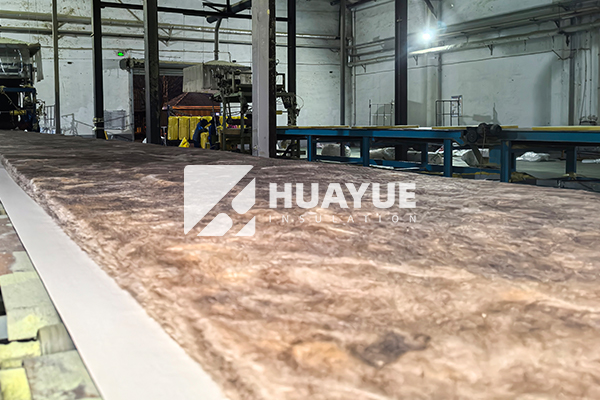
Brown fiberglass insulation comes from the way manufacturers mix glass fibers and binders. Sometimes, manufacturers use bio-based binders, which can make the insulation brown instead of pink or yellow. The brown color has nothing to do with the material’s effectiveness. Fiberglass starts clear, and the color forms when the binder and dye settle in. In many cases, the color lets you know the brand. Owens Corning’s insulation is pink. Johns Manville’s eco-friendly version is brown. Some contractors prefer brown insulation because they know it is made with less formaldehyde or eco-friendly formulas. Manufacturers may offer brown insulation for specific green building comes projects, emphasizing low emissions and good air quality. There is no difference in heat and sound protection between colors.
What’s the difference between brown and pink insulation?
It’s easy to assume brown and pink insulation work differently. Does the color change the R-value, durability, or safety for your home or plant?
Brown and pink fiberglass insulation use the same basic material—spun glass fibers. The color simply comes from the binder or dye. Performance like R-value, fire resistance, and moisture control remains the same.
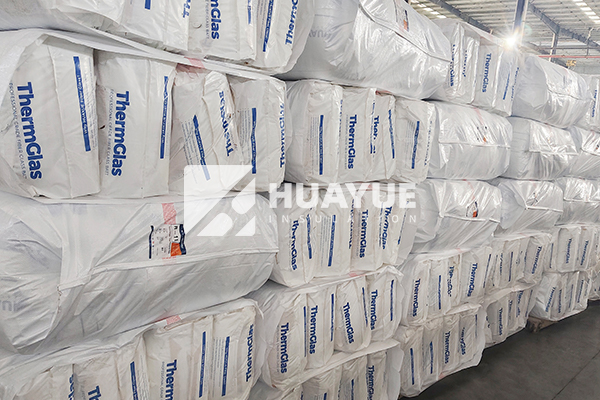
The key difference between pink and brown insulation is branding and binder chemistry. Owens Corning’s pink insulation uses a particular dye and binder, while brown insulation usually uses a plant-based binder and no artificial coloring. Chemically, both types resist fire, control temperature, and avoid absorbing moisture. The R-values match, and certifications (like ISO and CE standards) cover both types. Some installers say brown insulation is easier for people with allergies or chemical sensitivities because it uses low formaldehyde binders. This can be important when insulating schools, hospitals, or food factories where air quality matters most. In my experience working with clients like Hans Müller’s chemical plant, performance and durability are what really matter. The color does not affect how long your insulation lasts or how well it protects tanks, roofs, or walls from heat loss or condensation.
Can fiberglass insulation be brown?
People often think of fiberglass insulation as pink. Does it really come in brown, or is brown just something you see when there is a problem?
Fiberglass insulation can be brown. The color depends on what binder manufacturers use in production. Some choose natural binders for environmental reasons, which turn the insulation brown.
Brown fiberglass insulation is more common now due to green building trends. Manufacturers like Johns Manville and certain European brands make brown fiberglass by using plant-based adhesives instead of classic synthetic formulas. These new binders are better for indoor air quality and help companies earn certifications for green construction. In industrial projects, including tank insulation for chemical plants, brown insulation can signal compliance with stricter environmental rules. For me, specifying brown insulation to clients means pointing out those choices. Today’s regulations make many factories and buildings go low-emission and formaldehyde-free, and brown insulation provides an easy way to meet standards without giving up performance.
Why is some of my insulation brown?
Spotting brown insulation during a renovation can cause worry. Some think it means water damage. Others believe it is mold. Should you be concerned?
Brown insulation is normal if it was made with a natural binder, but browning can also come from dust, dirt, or moisture. Check if the color is uniform and the insulation is dry.
Not all brown insulation means trouble. If the color is even and the material feels dry, you probably have brown fiberglass made with an eco-friendly binder. If the insulation seems patchy, wet, or crumbly, then browning could mean water or mold damage. Always inspect for signs of moisture. For industrial tank systems, like those managed by Hans Müller, water inside the insulation is a sign of leaks or CUI (corrosion under insulation) risk. Clean, dry brown insulation is safe and effective. Damaged, dirty, or stained insulation must be removed and replaced. I always tell customers checking their insulation: if you can’t tell the difference, ask your supplier or get a technical inspection for peace of mind.
Conclusion
Brown fiberglass insulation is safe and effective. Its color comes from the binder. Always check for damage if discoloration looks irregular.
You may also be interested in:
Ready to Get Started?
Get in touch with our experts for personalized solutions tailored to your needs.
Get Free QuoteLatest Articles



Let's Work Together
Ready to take your business to the next level? Get in touch with our team of experts and let's discuss how we can help you achieve your goals.
Get Free Solutions