






75mm Glass Wool Insulation?
As someone who’s spent years in the insulation industry, I often get asked about the best options for thermal and acoustic insulation. Today, I want to share my insights on 75mm glass wool insulation—one of the most popular choices for both residential and commercial applications. Whether you’re a homeowner looking to upgrade your insulation or a contractor sourcing materials, understanding the properties, benefits, and pricing of glass wool will help you make informed decisions.
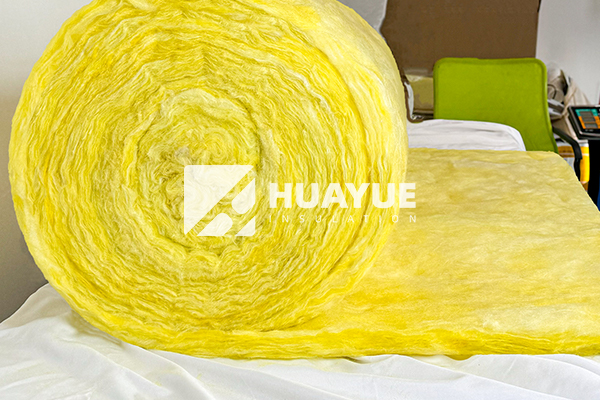
Glass wool insulation has been a cornerstone of the construction industry for decades. It’s made from recycled glass sand and other raw materials that are melted at high temperatures and spun into fine fibers. This creates a fluffy, flexible material that’s incredibly effective at trapping air and reducing heat transfer. In my experience, 75mm glass wool strikes an excellent balance between thickness, thermal performance, and ease of installation.
Throughout this article, I’ll address the most common questions I encounter: Is glass wool insulation actually good? What R value can you expect from 75mm thickness? How does it compare to rock wool? And importantly, what should you budget for 50mm glass wool insulation? Let’s dive in.
Is Glass Wool Insulation Good?
After working with countless insulation projects over the years, I can confidently say that glass wool insulation is indeed an excellent choice for most applications. Here’s my honest assessment based on practical experience.
Thermal Performance: Glass wool excels at reducing heat transfer. The millions of tiny air pockets trapped within the fiber structure create an effective thermal barrier that keeps your home warm in winter and cool in summer. In my projects, I’ve consistently seen energy bills drop by 20-30% after proper glass wool installation.
Acoustic Properties: One aspect I particularly appreciate about glass wool is its superior sound-absorbing qualities. The fibrous structure effectively dampens noise transmission, making it ideal for walls, ceilings, and floors between living spaces. I’ve recommended it countless times for home offices, media rooms, and apartment buildings.
Fire Safety: Quality glass wool is non-combustible and won’t contribute to fire spread. Most products carry Class A fire ratings, which gives peace of mind for residential and commercial applications alike.
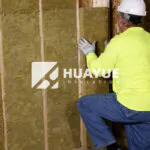
Ease of Installation: From a contractor’s perspective, glass wool is remarkably user-friendly. It’s lightweight, flexible, and can be cut to size with basic tools. This translates to faster installation times and reduced labor costs for homeowners.
Cost-Effectiveness: Compared to many alternative insulation materials, glass wool offers exceptional value. The combination of performance, durability, and upfront cost makes it accessible for various budget levels.
Eco-Friendly Credentials: Many glass wool products contain significant recycled content—some up to 80%. This appeals to environmentally conscious builders and homeowners looking to reduce their carbon footprint.
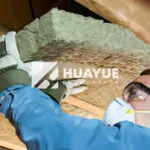
However, I should mention that glass wool does have some considerations. It requires proper protective gear during installation due to potential skin and respiratory irritation. Additionally, it performs best when installed correctly with appropriate vapor barriers in moisture-prone areas.
Overall, based on my years in the industry, glass wool insulation delivers excellent performance across most key metrics. It’s a tried-and-true solution that has earned its place as one of the most widely used insulation materials globally.
What is the R Value of Glass Wool?
Understanding R value is crucial when selecting insulation, and I’ve found that many customers are confused by this specification. Let me explain what you need to know about glass wool’s thermal resistance.
R value measures an insulation material’s thermal resistance—the higher the number, the better the insulation resists heat flow. The R value of glass wool depends primarily on its thickness, density, and quality.
For 75mm Glass Wool: Typically, 75mm (approximately 3 inches) of glass wool insulation offers an R value of around R-19 to R-22. This can vary slightly between manufacturers and product lines, but you’re generally looking at this range for standard residential applications.
Factors Affecting R Value:
- Thickness: Thicker insulation provides higher R values. 50mm might give you R-13 to R-15, while 100mm could reach R-26 or higher.
- Density: Higher density products generally offer better thermal performance, though there’s a point of diminishing returns.
- Quality: Premium products with better fiber consistency and less dust typically deliver more consistent R values.
In practical terms, what does this mean for your project? R-19 to R-22 is considered good for most external walls in moderate climates. For ceilings and attics, building codes often recommend higher values—R-30 to R-49 in colder regions—which might require multiple layers or thicker products.
I always advise my clients to check their local building codes, as requirements vary significantly by region. Climate zones determine minimum R values, and exceeding these minimums typically results in long-term energy savings that justify the additional upfront investment.
One thing to note: R value is only one factor in overall thermal performance. Proper installation is equally important—gaps, compression, and moisture can significantly reduce effective R value regardless of the insulation quality.
Which is Better, Glass Wool or Rock Wool?
This is one of the most common questions I get, and honestly, the answer depends on your specific application. Both materials have their strengths, and I’ve used both extensively in different projects. Let me share my honest comparison.
Glass Wool Advantages:
- Generally more affordable than rock wool
- Lighter weight, easier to handle and install
- Better sound absorption in my experience
- More flexible, easier to fit around irregular shapes
- Widely available in various thicknesses and formats
Rock Wool Advantages:
- Superior fire resistance—can withstand temperatures over 1000°C
- Better moisture resistance; doesn’t absorb water as readily
- Higher density options available for acoustic panels
- Slightly better thermal performance per inch
- More rigid, which can be beneficial for certain applications
My Recommendation:
For most residential applications—walls, ceilings, attics—I’d lean toward glass wool. The cost savings, ease of installation, and excellent all-around performance make it the practical choice. I’ve installed glass wool in hundreds of homes and consistently seen positive results.
For specialized applications where fire resistance is critical—like commercial kitchens, industrial facilities, or areas near heat sources—rock wool’s superior fire performance makes it the better choice.
For maximum acoustic performance in home theaters or recording studios, rock wool’s higher density options have an edge, though quality glass wool still performs admirably.
Practical Considerations:
Both materials require similar safety precautions during installation—respiratory protection and long sleeves are essential. Neither product is harmful when properly installed and encapsulated within building structures.
Ultimately, both glass wool and rock wool are quality insulation choices. The "best" option depends on your priorities: budget and ease of installation favor glass wool; fire resistance and moisture tolerance favor rock wool.
What is the Price of 50mm Glass Wool Insulation?
Pricing is always a key consideration, and I understand that homeowners and contractors alike need accurate cost estimates. Let me break down what you can expect to pay for 50mm glass wool insulation.
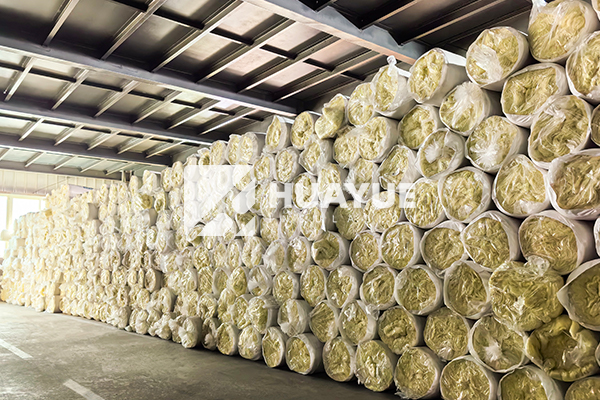
Average Price Range: In the current market, 50mm glass wool insulation typically ranges from $0.50 to $1.50 per square foot (or approximately £4-12 per square meter). This wide range reflects differences in quality, brand, R value, and regional markets.
Factors Affecting Price:
- Brand: Premium brands like Owens Corning, Johns Manville, or Knauf typically command higher prices but offer consistent quality.
- R Value: Higher R value products within the 50mm thickness range will cost more.
- Format: Rolls generally cost less per square foot than pre-cut batts.
- Special Features: Foil-backed or vapor-barrier integrated products carry premium pricing.
- Quantity: Bulk purchases often qualify for discounts.
Budget Planning Example:
For a standard 2,000 square foot home with walls requiring 50mm insulation, material costs might range from $1,000 to $3,000. Remember to factor in:
- Waste factor (typically 10-15% for standard cuts)
- Accessories (vapor barriers, tapes, supports)
- Delivery costs if not picking up locally
Regional Variations: I’ve noticed significant price variations across regions. Urban areas with high competition often have better pricing, while remote locations may see premium costs due to transportation.
Value Consideration: While it’s tempting to choose the cheapest option, I strongly recommend investing in quality products from reputable manufacturers. The thermal performance, durability, and peace of mind justify the modest premium.
Where to Buy: Building supply stores, insulation specialists, and online retailers all offer glass wool. I often recommend starting with local suppliers for accurate shipping costs and the ability to inspect products before purchase.
In conclusion, 50mm glass wool insulation offers an affordable entry point for quality thermal performance. The investment pays back through energy savings and improved comfort within a few years.
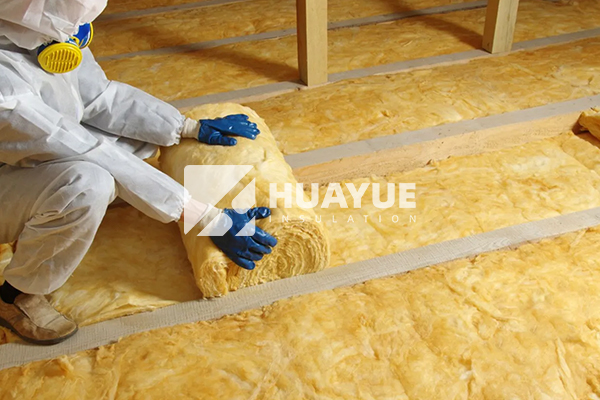
Whether you’re insulating a new build or upgrading existing walls, glass wool remains a solid, cost-effective choice. I hope this comprehensive guide helps you make the best decision for your project. Remember to consult local building codes and consider professional installation for optimal results.
You may also be interested in:
Ready to Get Started?
Get in touch with our experts for personalized solutions tailored to your needs.
Get Free QuoteLatest Articles


Let's Work Together
Ready to take your business to the next level? Get in touch with our team of experts and let's discuss how we can help you achieve your goals.
Get Free Solutions