








Will fiberglass insulation dry out?
Sometimes, fiberglass insulation gets wet from leaks or flooding, which causes concern for homeowners and facility managers. Wet insulation can lead to mold growth and lose effectiveness fast.
Fiberglass insulation can dry out if it gets wet, but how long it takes and how well it recovers depends on airflow, temperature, and if the water problem is solved. Acting quickly helps prevent permanent damage.
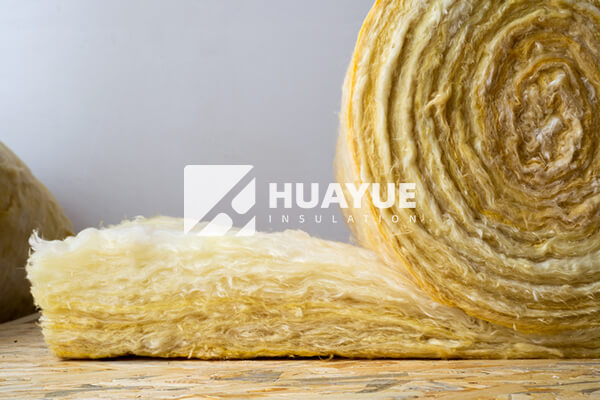
Moisture trapped in insulation can damage more than just the insulation itself. It risks the health of the building and those inside. Knowing the right way to handle wet fiberglass insulation protects your investment and keeps your building safe. Let’s dig into these important questions.
Is fiberglass insulation ruined if it gets wet?
Wet fiberglass insulation looks bad, and worries about mold naturally follow. I remember seeing insulation turn soggy and lose its loft after a pipe burst at my plant. Many people wonder if it is destroyed for good.
Fiberglass insulation is not usually ruined if it gets wet, but prompt drying is essential. If the water sits for too long, mold or odor can develop, and insulation loses its effectiveness, requiring replacement.
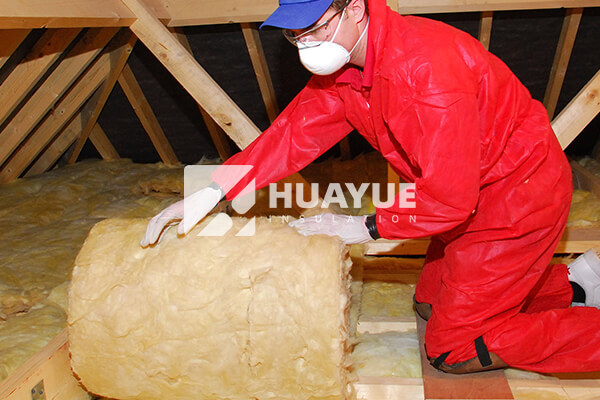
It’s important to act quickly. The glass fibers themselves do not absorb water—water passes through them. The real risks come from contaminants in the water, organic material in the batts facing (like Kraft paper), or prolonged dampness. If the insulation sits soaked for days, the area can breed mold, even if fiberglass itself does not support mold. Here’s a breakdown of what happens:
| Scenario | Likelihood of Ruin | Why? |
|---|---|---|
| Wet for hours, good airflow | Low | Can usually dry out |
| Wet for days, no airflow | High | Risk of mold, odor, compression |
| Contaminated water | High | May never be safe to reuse |
Quickly remove the source of water. Pull out batts if needed. Drying the area with fans and good ventilation is key. Monitor for mold or smell. Replace insulation if there is any doubt.
How long does it take fiberglass insulation to dry?
Drying insulation feels like watching paint dry—slow, and you want it fixed fast. I recall a warehouse flood where we set up fans and hoped for the best. Time makes a big difference.
Fiberglass insulation generally takes a few days to over a week to dry out, depending on the thickness of the batt, ventilation, temperature, and humidity in the space.
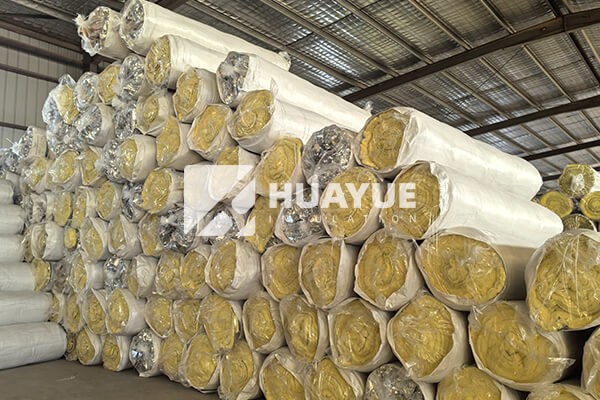
Several factors influence drying time:
| Factor | Effect on Drying | Note |
|---|---|---|
| Air movement | Faster | Use fans for quicker drying |
| Temperature | Faster if warmer | Hot air holds more moisture; dry in summer is faster |
| Humidity | Slower if humid | Dry in a dehumidified space when possible |
| Water volume | Slower if more | Heavier saturation takes more time |
| Insulation depth | Slower if thicker | Dense batts take longer to release moisture |
You can speed up drying by opening up walls, removing wet sections, and using dehumidifiers. If insulation is hidden or the climate is cold and still, drying may take much longer, and the risk for problems increases.
Will insulation dry out behind drywall?
If insulation gets wet behind drywall, it feels hidden from view and hard to fix. I have seen cases where people left things sealed, hoping for the best. Many worry the water will just go away on its own.
Insulation rarely dries well behind intact drywall, because trapped moisture, poor airflow, and darkness allow mold to form before it has time to dry completely.
Water cannot evaporate fast enough if the wall is closed. The paper facing on batts and drywall itself are both food sources for mold. Here’s how the risk breaks down:
| Wall Closed? | Drying Success | Mold Risk | My Advice |
|---|---|---|---|
| Open | Good | Low | Remove wet drywall ASAP |
| Closed | Poor | High | Hard to dry, inspect later |
If a leak floods the wall cavity, cut away drywall to check the insulation. Removing the wet material allows air to circulate, speeding up drying and lowering mold risk. Otherwise, the water stays trapped where you can’t see the trouble until mold appears or the insulation fails completely.
Can you dry out insulation if it gets wet?
After a leak, insulation feels like one more thing on an endless repair list. Many ask, "Can I really dry it, or should I toss it all?" I have faced this choice many times during maintenance rounds.
You can dry out fiberglass insulation if it has not been sitting wet for too long and there are no signs of mold or damage, but you must act quickly.
Not all wet insulation is the same. Here’s what guides my decision:
| Condition | Dry or Replace? | Notes |
|---|---|---|
| Slightly damp, dried in hours | Dry | Use fans, check for smell/mold |
| Soaked, over 1–2 days | Replace | Mold and odor more likely |
| Contaminated (sewage, chemicals) | Replace | Health and safety concerns |
| Rigid or compressed after drying | Replace | Will not insulate well |
Cut away affected drywall, remove batts, dry them in open air, and check for musty smells or stains. When unsure, replacing small sections costs less in the long run than risking moisture problems hidden behind walls.
Conclusion
Fiberglass insulation can dry out if wet, but quick action and inspection are vital for a safe, effective restoration.
You may also be interested in:

Ready to Get Started?
Get in touch with our experts for personalized solutions tailored to your needs.
Get Free QuoteLatest Articles



Let's Work Together
Ready to take your business to the next level? Get in touch with our team of experts and let's discuss how we can help you achieve your goals.
Get Free Solutions