








What is the R-value of fiberglass insulation and why does it matter?
Struggling with fluctuating energy bills? You might have overlooked one key factor: the R-value of your fiberglass insulation.
The R-value of fiberglass insulation shows how well the material resists heat flow. Higher R-values mean better insulation, helping buildings stay warm in winter and cool in summer. For fiberglass, typical R-values range from R-2.2 to R-3.8 per inch.
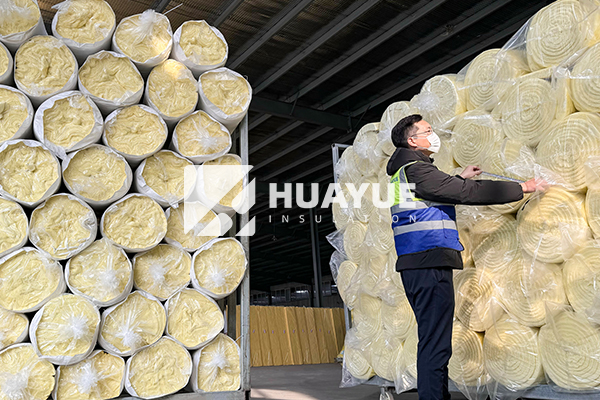
Insulation choices affect performance more than most people realize. If you want lower operating costs, higher comfort, and safer storage for industrial tanks, understanding R-value is crucial. I always start with R-value before investing in any insulation upgrade. Let’s look deeper, starting with the most common question.
What is the R-value of 2×4 fiberglass insulation?
It’s easy to feel confused when you see walls framed with 2×4 studs. The right answer depends on thickness and type.
Standard 2×4 wall cavities fit either 3.5 inch thick unfaced or faced fiberglass batts. Most products deliver an R-value between R-11 and R-15, depending on density and brand. For typical applications, R-13 batts are common and easy to install.
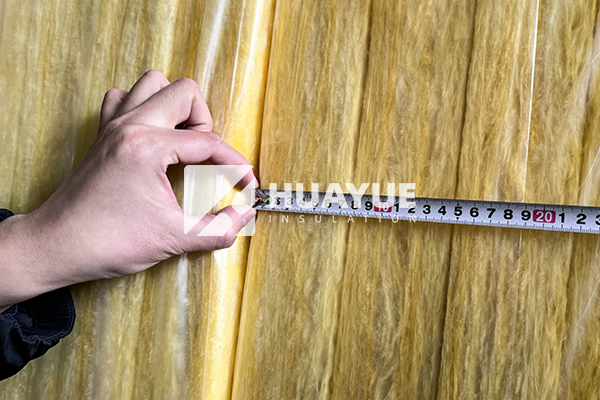
Fiberglass insulation comes in two main densities for 2×4 framing. Regular batts are labeled at R-11 to R-13, while high-density batts can reach R-15. You can see these options at most supply stores, both residential and industrial. Installing higher-density batts takes only a few extra minutes and pays off for years in improved thermal performance.
If you manage a chemical plant with sensitive temperature requirements, upgrading from R-11 to R-15 can mean the difference between energy loss and optimal containment. For homes, higher R-value helps lower heating bills and makes living spaces more comfortable. Here’s a comparison of typical fiberglass batts for 2×4 walls:
| Product Type | Thickness (inches) | R-value | Application |
|---|---|---|---|
| Standard Batts | 3.5 | R-11 | Basic Walls |
| Premium Batts | 3.5 | R-13 | Most Homes |
| High Density Batts | 3.5 | R-15 | Industrial |
Think about which R-value best suits your needs, whether you’re retrofitting a tank or building new walls.
How many inches of fiberglass insulation is R30?
If you see “R30” on a specification sheet, you might wonder how thick your insulation should be.
To achieve R30, most standard fiberglass batts need about 9.5 to 10 inches of thickness. The exact number can vary if you use different densities or loose-fill insulation.
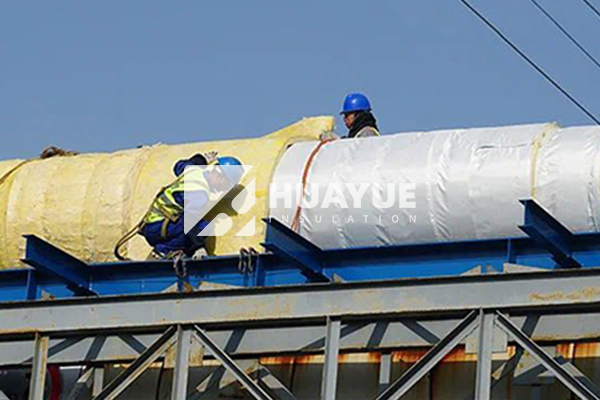
Fiberglass insulation is available as batts or loose-fill. Batts are easy to handle and cut, while loose-fill can be blown into large cavities, especially in tank applications or attics. Higher density batts may reach R30 at about 8.5 inches, but these are less common in regular construction and more so in industrial settings.
If you operate cryogenic tanks, maintaining R30 with adequate thickness keeps temperatures stable and prevents heat infiltration. In attic retrofits, measuring space first saves money and extra trips to the store. Every inch matters when you’re working with strict thermal controls. Remember, compaction or compression will reduce effective R-value, so always follow manufacturer instructions.
Here’s a simple table for your reference:
| Desired R-value | Standard Batt Thickness (inches) | Loose-fill Thickness (inches) |
|---|---|---|
| R-11 | 3.5 | 4.0–4.5 |
| R-19 | 6.25 | 6.5–7.0 |
| R-30 | 9.5–10 | 10.5–12 |
Always check specs with your supplier for exact products. This attention to detail keeps your insulation performing at its best.
What is the R-value of fibreglass insulation?
People often ask about the R-value for “fibreglass insulation.” It can be different depending on how you use it.
Fiberglass insulation typically has an R-value between R-2.2 and R-3.8 per inch. Batts, rolls, and loose-fill all provide similar protection, but installation quality and density affect the results.
Fiberglass is one of the most versatile insulation materials. I’ve seen it used on walls, tanks, pipes, and even in specialty industrial projects. You must monitor density and installation. If batts are compressed or have gaps, the R-value can drop quickly.
Loose-fill is great for filling odd-shaped spaces, while batts are more common in wall and ceiling cavities. Higher-density batts mean higher R-value per inch. For tanks needing extreme temperature control, choose premium or high-density insulation.
Here’s a chart showing average R-values per application:
| Form | R-value per inch | Typical Use |
|---|---|---|
| Standard Batts | R-2.9–R-3.8 | Walls, Ceilings |
| Loose-Fill | R-2.2–R-2.9 | Attics, Tanks |
| High Density Batts | R-3.7–R-4.3 | Industrial, Tanks |
For best results, combine proper installation with the right R-value rating for your project.
Does fiberglass insulation lose R-value when cold?
Some materials lose thermal performance at low temperatures. The story is different with fiberglass.
Fiberglass insulation loses only a minimal amount of R-value when exposed to extreme cold. In most industrial and residential uses, the drop is negligible and can be offset with careful design.
I’ve had concerns from colleagues managing outdoor tanks in freezing climates. They worry about insulation breakdown during cold spells. Luckily, fiberglass insulation stays stable across a wide range of temperatures. It doesn’t absorb moisture or shrink. If installed correctly, its R-value stays almost unchanged even when the temperature drops.
In very cold conditions, air movement and wind exposure can reduce overall wall performance. That’s why it’s essential to combine insulation with proper air and moisture barriers. For critical tanks or chemical storage, use fiberglass insulation along with vapor retarders. This keeps both R-value and safety at high levels all year long.
Here’s a summary table:
| Environment | Expected R-value Change | Notes |
|---|---|---|
| Normal Temps | None | Stable performance |
| Cold (<0°C) | Minimal (<5%) | Needs correct install |
| Very Cold (<-20°C) | Slight (<10%) | Use vapor barrier |
If you take the time to install insulation well, cold weather won’t ruin your energy savings.
Conclusion
Fiberglass insulation R-value is vital for energy savings, safety, and long-term tank performance. Higher R-value means more efficient and reliable thermal protection.
You may also be interested in:

Ready to Get Started?
Get in touch with our experts for personalized solutions tailored to your needs.
Get Free QuoteLatest Articles



Should B2B Buyers Choose Mineral Wool Insulation?
Mar 31, 2026

Is Rock Wool a Good Choice for Acoustic Insulation?
Mar 30, 2026

Rockwool Insulation for Roof: Best Practices (2026)
Mar 27, 2026
Let's Work Together
Ready to take your business to the next level? Get in touch with our team of experts and let's discuss how we can help you achieve your goals.
Get Free Solutions