







What is high density glass wool and why does density matter?
If thermal insulation is failing or costs are high, understanding insulation density will bring clarity and measurable improvements.
High density glass wool offers superior thermal and acoustic insulation thanks to its tight fiber structure, higher R-value, and better load-bearing capacity than low-density options.

If your facility suffers from heat loss, noise, or rising energy bills, dense insulation can deliver real efficiency. I often advise clients to choose insulation material with defined density ranges so they can match performance to application. Higher density means better resistance to heat flow, improved sound absorption, and longer life. For technical tanks, pipelines or HVAC ducts exposed to vibrational forces or mechanical loads, density is never just a number. It is the starting point for smart selection.
High-temperature Insulation glass wool for sale – what makes it special?
When insulation is exposed to high temperatures, not all solutions work the same. High-temperature glass wool is engineered for performance.
High-temperature insulation glass wool is crafted with heat-resistant binders and fibers to operate safely at up to 400°C. It maintains thermal protection, fire safety, and mechanical stability even in demanding environments.
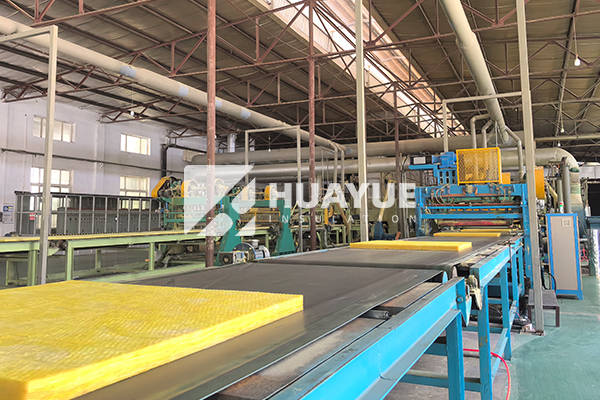
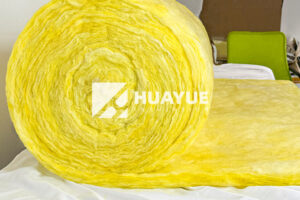
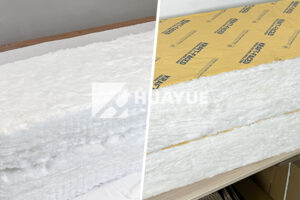
High-temperature glass wool is a solution I recommend for industrial furnaces, chemical plants, and boilers. It keeps heat inside process tanks and pipes, saving energy and shielding equipment. Its dense structure makes it more resistant to thermal shrinkage and mechanical stress than lighter insulation materials. Thickness and density are key factors in its effectiveness. At HUAYUE, our boards and rolls have densities from 24 to 96 kg/m³ (boards) and up to 48 kg/m³ (rolls), with tailored thicknesses. The right combination helps ensure complete protection, reduced maintenance, and compliance with strict building codes and fire regulations.
| Product Type | Length (m) | Width (mm) | Thickness (mm) | Density (kg/m³) |
|---|---|---|---|---|
| Glass Wool Board | 1.2 – 2.2 | 600 – 1200 | 20 – 100 | 24, 32, 48, 64, 80, 96 |
| Glass Wool Roll | 11 – 20 | 1200 | 35 – 150 | 12, 16, 20, 24, 32, 40, 48 |
| Glass Wool Blanket | 1.16 – 1.2 | 410 – 610 | 100 – 200 | 10 – 48 |
With options for large tanks, curved surfaces, or flat panels, dense glass wool adapts to the needs of modern industry. It protects assets as temperatures rise.
What is the density of glass wool?
Many users ask how glass wool density impacts performance. The right density means better comfort and savings.
Glass wool density ranges widely, from 10–96 kg/m³, depending on product type. Higher density ensures better thermal resistance, sound absorption, and mechanical strength.
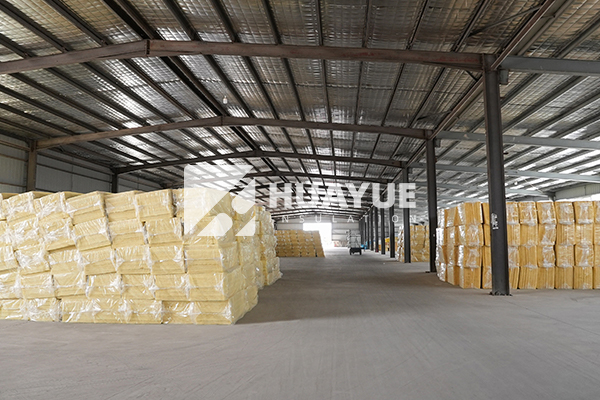
I always recommend clients analyze application needs before selecting density. For board products, 24–96 kg/m³ is typical, offering choices for near every application: walls, roofs, technical tanks, and ducts. Rolls have densities of 12–48 kg/m³, fitting large surfaces or custom contours. Lower density is best for lightweight needs, while higher density is crucial for demanding environments or when long-term durability is the top priority. Glass wool’s flexible density profile lets engineers design for peak performance and cost efficiency.
Glass Wool Density vs. Application
| Density (kg/m³) | Typical Use | Advantages |
|---|---|---|
| 10–24 | Blankets, ceiling insulation | Lightweight, easy installation |
| 24–48 | Rolls, panels for walls/roofs | Good R-value, soundproofing |
| 48–96 | Technical tanks, pipes, industrial uses | High load, fire resistance, durability |
Which is better, rock wool or glass wool?
Choosing between rock wool and glass wool is not just a preference. It should match the technical needs of the job.
Rock wool provides superior fire resistance and higher density for heavy-duty thermal insulation, while glass wool offers lighter weight, better acoustic absorption, and good flexibility for varied shapes.
Rock wool and glass wool both insulate well, but their strengths are different. I’ve installed both in chemical plants and storage tanks and saw how performance varies. Rock wool has densities up to 80–120 kg/m³, so it stands out in fireproofing (up to 1000°C) and load-bearing. Its price is usually higher. Glass wool, as I’ve seen, works best in acoustic insulation and areas where lighter material eases installation and lowers transport costs. For medium-temperature applications, glass wool meets all criteria while remaining cost-effective. When chemical corrosion or extreme fire risks arise, rock wool is often chosen. Both materials are robust, but glass wool’s adaptable density profile makes it the perfect choice for general industrial and building insulating.
Glass Wool vs. Rock Wool
| Property | Glass Wool | Rock Wool |
|---|---|---|
| Density | 10–96 kg/m³ | 80–120 kg/m³ |
| Fire Resistance | Up to 400°C | 600–1000°C |
| Acoustic Absorption | Excellent | Good |
| Weight | Light, easy to transport | Heavy, more labor needed |
| Price | Lower | Higher |
Is glass wool as bad as asbestos?
Many customers worry about health risks from insulation. Let’s set the record straight: glass wool is nothing like asbestos.
Glass wool is safe when handled properly and does not pose asbestos-type health risks. It is an approved, regulated material with zero asbestos contamination.
Some people still confuse glass wool with asbestos, but in my experience, this concern is unwarranted. Glass wool is made from recycled glass and sand, processed at high temperatures, with no fibrous minerals that cause lung damage. Asbestos has been banned for decades due to its carcinogenic fibers, something glass wool does not contain. Our products pass ISO, CE, and SGS health and safety standards. Proper handling—using gloves and masks—protects workers from skin irritation, but long-term risk is not comparable. For project managers or procurement staff, glass wool remains one of the safest, most reliable insulation materials.
Glass Wool vs. Asbestos Health Comparison
| Feature | Glass Wool | Asbestos |
|---|---|---|
| Composition | Recycled glass, sand | Fibrous silicate minerals |
| Health Risk | Low if handled correctly | High, carcinogenic |
| Regulation | ISO, CE, SGS certified | Banned in most countries |
| Use Today | Widely used, safe | Illegal, removed from market |
| Precautions | Gloves, mask for irritation | Full containment required |
Conclusion
High density glass wool gives industry reliable insulation, safety, and savings. Choosing the right density and type helps you protect assets and keep costs low.
You may also be interested in:
Ready to Get Started?
Get in touch with our experts for personalized solutions tailored to your needs.
Get Free QuoteLatest Articles
What is R19 Kraft Fiberglass Insulation Batt?
Mar 20, 2026
What is High Density Mineral Wool?
Mar 20, 2026
Is Glass Wool the Best Choice for Sound Insulation?
Mar 19, 2026
Let's Work Together
Ready to take your business to the next level? Get in touch with our team of experts and let's discuss how we can help you achieve your goals.
Get Free Solutions