








What is Glass Wool Used For?
When people first see glass wool, they might wonder if it is safe or where it fits best—at home, in factories, or in research labs?
Glass wool is widely used for thermal insulation, soundproofing, and fire safety in residential, industrial, and research settings thanks to its unique structure and reliable performance.
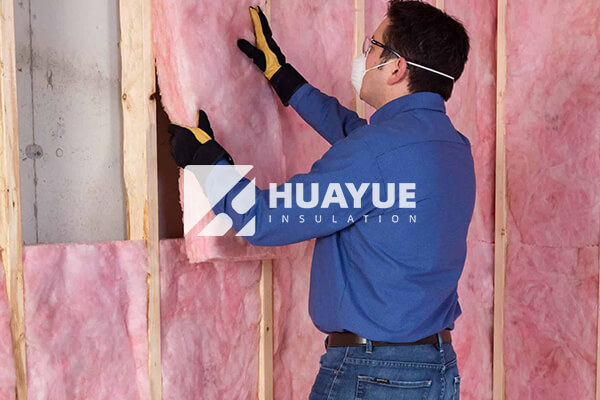
Many people see glass wool for the first time and feel unsure about how to use it or whether it is safe to handle. I have had similar worries, and I soon realized that handling glass wool does require some basic understanding. Let’s break down exactly why glass wool is important and answer the key questions that most first-time users ask.
Can I touch glass wool?
At first glance, the fluffy texture of glass wool can feel inviting, but it quickly causes itching or irritation if you touch it with bare hands.
It is not recommended to touch glass wool directly. The fibers may cause skin irritation or small cuts, so always wear gloves and protective clothing when handling glass wool insulation.
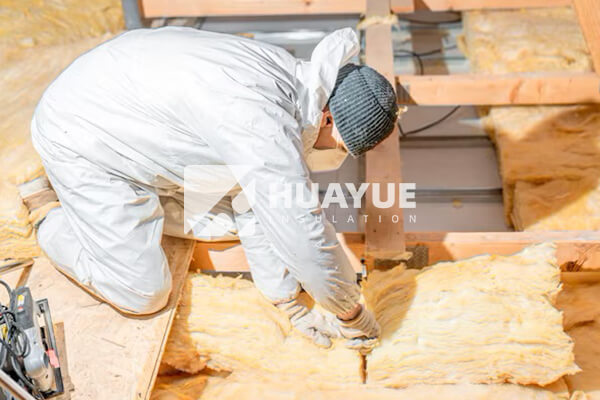
Understanding safety with glass wool became very important to me one summer when we installed insulation on a new chemical tank. I saw a maintenance worker rub his hand over the glass wool roll, thinking it felt ‘soft.’ Within moments, he winced, shaking out his hand and complaining of itching. I learned that tiny glass fibers lodge in the skin, causing discomfort and sometimes minor injury. To prevent this, always wear gloves, protective goggles, and long sleeves.
Here is a simple table to help you prepare for safe contact with glass wool:
| Protective Gear | Purpose |
|---|---|
| Gloves | Prevent cuts and irritation |
| Safety glasses | Shield eyes from floating fibers |
| Long-sleeve clothing | Keep fibers away from skin |
| Respiratory Mask | Avoid breathing in loose fibers |
Never skip safety steps, even for small projects.
How to use glass wool?
Many users worry about handling glass wool the right way. The material can lose its efficiency if it is squashed or exposed to water during installation.
Glass wool is typically installed in walls, ceilings, or around tanks as insulation. It needs to be kept dry, applied in even layers, and fully covered or sealed to work best.
I have helped dozens of customers fit glass wool onto tanks and pipes. The steps are simple but each must be done right to give the best insulation and prevent heat loss:
- Measure the area you want to insulate.
- Cut glass wool batts or rolls with a sharp knife.
- Place glass wool against the surface, making sure it stays fluffed up.
- Seal with foil, plastic, or another vapor barrier for extra moisture protection.
- Secure with wire mesh, bands, or tapes.
Installers sometimes flatten the material by pressing too hard, and this reduces its performance. If water gets in during installation or use, thermal resistance drops and mold might grow. Every time I went to sites for repairs, the cause was almost always moisture or gaps in the covering. Good sealing and the right thickness help maintain the full value of glass wool insulation.
| Step | Key Point |
|---|---|
| Measuring | Accurate size prevents gaps |
| Cutting | Use sharp tools for clean edges |
| Placing | Fluff glass wool for max thickness |
| Sealing | Protect against water and air leaks |
| Securing | Use mesh/bands to hold in place |
Is glass wool used for soundproofing?
Builders often ask for an easy, cost-friendly way to reduce noise. Glass wool comes up again and again.
Yes, glass wool is very effective for soundproofing. It absorbs sound waves, reduces noise travel, and is used in walls, ceilings, and around noisy machines.
People often overlook sound insulation until their home or plant is noisy. I remember one customer who used glass wool to build a new music studio near his processing line. When he played music after installation, the difference was clear—outside, the noise had almost disappeared. The secret lies in how glass wool traps pockets of air and vibrates with the sound, turning loud noise into mild warmth.
Here are a few real-world examples of glass wool for soundproofing:
- Studio walls and ceilings to block outside sounds
- Machine rooms in factories to keep work quieter
- Air duct linings to dampen vibration noise
- Office partitions to maintain privacy
| Application Area | Why Use Glass Wool |
|---|---|
| Music studios | Reduces echoes, keeps sound inside |
| Machine rooms | Lowers worker noise exposure |
| HVAC ducting | Stops rattling and mechanical hum |
| Office buildings | Separates quiet from noisy spaces |
What is the function of glass wool in experiments?
When it comes to labs, people want precise control over temperature or need to conduct reactions at stable conditions.
In experimental setups, glass wool is used as insulation to maintain temperatures, prevent heat loss, and sometimes hold or filter substances inside reaction tubes.
I saw first-hand how much glass wool protects sensitive experiments. For our company’s product tests, we lined all glass piping with glass wool to trap heat. In chemistry labs, glass wool stops heat from leaking out of reaction tubes and even acts as a simple filtration barrier. It can hold catalyst powders in place or support other materials.
A typical experiment might use glass wool like this:
- Insert a small plug to separate chemicals inside a tube
- Wrap tubes or flask necks with glass wool for insulation
- Filter out solid particles by packing loose glass wool
| Experiment Use | How Glass Wool Works |
|---|---|
| Tube insulation | Stops heat loss, keeps reaction safe |
| Chemical filtering | Catches solids, lets gas/liquid pass |
| Support for catalysts | Holds powders in fixed position |
Glass wool offers so many functions for research because it resists high temperatures, does not react with most chemicals, and is easy to shape.
Conclusion
Glass wool is essential for safe insulation, effective soundproofing, and scientific experiments, but always remember safety and correct installation for best results.
You may also be interested in:
Ready to Get Started?
Get in touch with our experts for personalized solutions tailored to your needs.
Get Free QuoteLatest Articles
What is R19 Kraft Fiberglass Insulation Batt?
Mar 20, 2026
What is High Density Mineral Wool?
Mar 20, 2026
Is Glass Wool the Best Choice for Sound Insulation?
Mar 19, 2026
Let's Work Together
Ready to take your business to the next level? Get in touch with our team of experts and let's discuss how we can help you achieve your goals.
Get Free Solutions