








What are Floor Insulation Batts and How Do They Work?
Many people worry about cold floors and high heating bills. I want to show you how floor insulation batts can solve both problems quickly and easily.
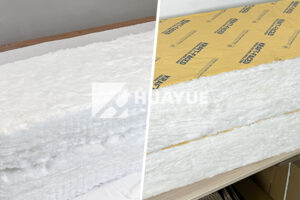
Floor insulation batts are thick, pre-cut rolls or panels made from materials like glass wool, rock wool, or foam. They fit snugly between floor joists to stop heat loss, improve comfort, cut noise, and reduce energy costs in homes and industrial buildings.
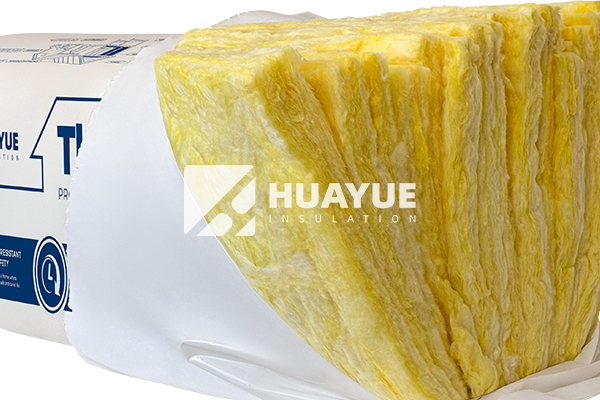
You may wonder if these simple batts really make a difference. They do. In my projects, I have seen even old, cold rooms transform after proper insulation. Now, let’s see how you can pick the right ones and install them for best results.
Which Materials Are Used for Floor Insulation Batts?
People often get frustrated by the many choices on the market. If you don’t pick the right material, comfort and energy savings can suffer.
The most common materials used for floor insulation batts are glass wool, rock wool, and foam glass. Glass wool is light and easy to handle. Rock wool offers better fire resistance. Foam glass is water resistant and very strong.
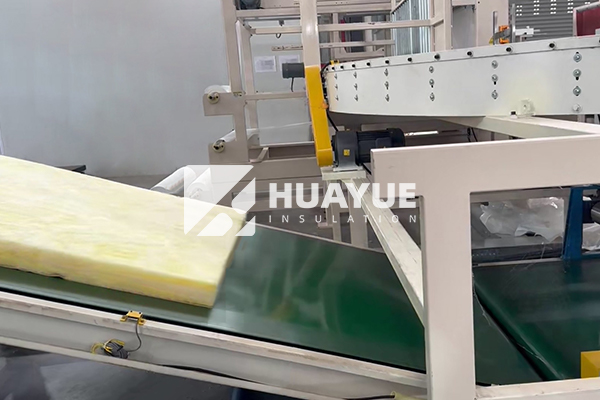
Each material works in different situations. Glass wool is flexible. It fills odd-shaped spaces well. Rock wool is heavier, dense, and stops fire or sound better. Foam glass is stable and handles heavy loads or moisture without breaking down. If you work in a chemical plant or near water, I find foam glass protects against corrosion. For homes and offices, glass wool is cost-effective and easy for many people to install themselves.
Here is a simple table to compare:
| Material | Pros | Cons | Ideal Use |
|---|---|---|---|
| Glass Wool | Light, cheap, easy to cut | Can irritate skin, not strong | Homes, attics, low load |
| Rock Wool | Fireproof, good soundproof | Heavier, more costly | Commercial, fire zones |
| Foam Glass | Strong, won’t absorb water | Expensive | Industry, wet places |
How Do You Install Floor Insulation Batts Correctly?
Installing batts sounds hard, but it is a simple project most people can learn with the right steps.
To install floor insulation batts, measure the space between your floor joists. Choose batts that fit the space tightly. Place the batts snugly between the joists. Make sure there are no gaps or compression. Cover with vapor barrier if needed.
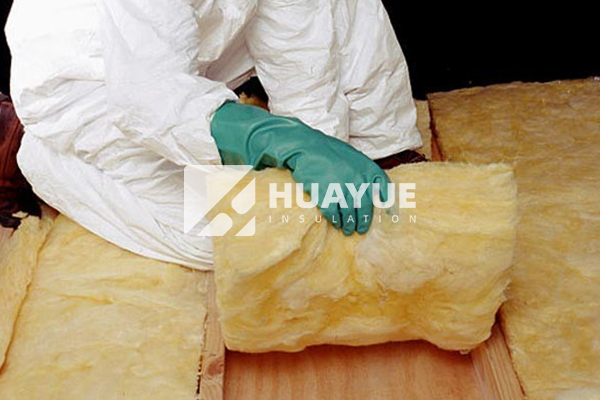
I like to remind people to work safely. Wear gloves and a mask—some fibers can irritate. Cut batts carefully to fit odd shapes and corners. Never stuff or squeeze the batts. They must be fluffy and fit tight but flat to work well. If you install under wooden floors, use a mesh or netting to keep everything in place. For concrete floors, lay the batts, top with a vapor barrier, then put down the subfloor. This makes floors warmer and reduces noise.
Here is a simple workflow:
- Clean and dry the space.
- Measure between the joists.
- Cut batts if needed.
- Place batts tightly, don’t compress.
- Put vapor barrier (if needed).
- Close up with the floor covering.
What Are the Benefits of Using Floor Insulation Batts?
Many people want real results for their time and money. The good news is the benefits of floor insulation batts show up fast.
Using floor insulation batts increases comfort, saves energy, cuts noise, and guards against moisture or mold. They also make floors feel warmer, protect pipes, help meet building codes, and add value during resale.
Putting in the right insulation solves more than just cold feet. I have had homeowners and facility managers tell me their rooms became quiet, even next to factories or busy streets. Batts block both cold and noise. For businesses, insulation makes work safer and reduces energy costs. In industry, dry, well-insulated floors protect tanks and equipment. In homes, you will need less heating or cooling, which means smaller bills and less carbon emissions. Plus, insulation stops pipes from freezing and floors from growing mold.
How Do You Maintain and Inspect Floor Insulation Batts Over Time?
You may not see your floor insulation, but keeping it in shape saves money and trouble.
Inspect your floor insulation batts every year. Check for moisture, flattening, movement, or damage from pests. Repair gaps or replace wet, compacted, or missing batts for the best performance.
Most people forget they even have insulation. I always suggest a quick yearly look—in spring or fall is best. If you see dirty, hard, sunken, or wet areas, fix the source of moisture first. Clean up any pests and refill missing spots. Over time, some batts may shift or flatten. Simply add new batts or adjust to restore the blanket. Keeping your insulation healthy means buildings stay warm, efficient, and dry for decades.
Here is a checklist:
- Check for wet or moldy spots
- Look for holes, gaps, or missing sections
- Fill any dips with fresh insulation
- Make sure vapor barriers are still good
Are Floor Insulation Batts Suitable for Industrial and Commercial Use?
A lot of people think floor batts are only for homes. That’s not true. They are very helpful in industrial and commercial buildings too.
Floor insulation batts can be used in factories, warehouses, and even chemical plants. They cut heat loss, stop condensation, and extend the life of tanks, pipes, and flooring systems.
I have seen big savings in heating bills at factories, just by insulating the floor under tanks and equipment. In chemical and food plants, foam glass batts help stop corrosion by staying dry and blocking chemicals. For offices, good insulation means happy, quiet staff and lower heating and cooling bills. Picking the right product depends on your fire or chemical risks, how much traffic the floor takes, and your energy goals. I help each customer choose materials that fit their building best.
Conclusion
Using the right floor insulation batts makes floors warmer, cuts bills, boosts safety, and protects your building for years with little upkeep.
You may also be interested in:

Ready to Get Started?
Get in touch with our experts for personalized solutions tailored to your needs.
Get Free QuoteLatest Articles



Should B2B Buyers Choose Mineral Wool Insulation?
Mar 31, 2026

Is Rock Wool a Good Choice for Acoustic Insulation?
Mar 30, 2026
Rockwool Insulation for Roof: Best Practices (2026)
Mar 27, 2026
Let's Work Together
Ready to take your business to the next level? Get in touch with our team of experts and let's discuss how we can help you achieve your goals.
Get Free Solutions