








Vinyl Faced Fiberglass Insulation: Is It The Ultimate Solution For Modern Industrial Facilities?
Industrial tank insulation poses many problems—think moisture, temperature swings, and regulatory compliance. I often ask myself if vinyl faced fiberglass insulation solves these challenges for good.
Vinyl faced fiberglass insulation offers a moisture barrier, resists fire, and stands up well to everyday wear. The vinyl adds durability while the fiberglass controls temperatures and energy loss.
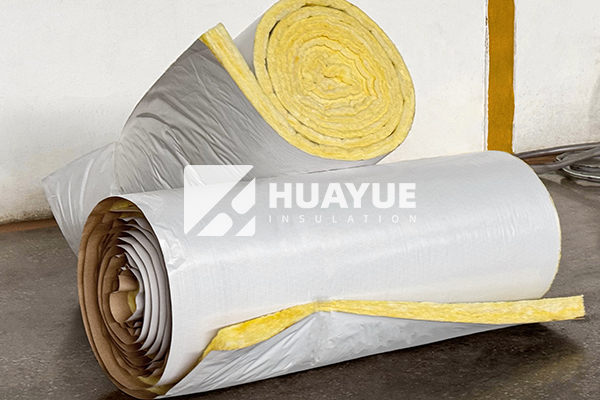
Many facilities want a simple fix for long-term tank and building performance. But there are details and considerations that anyone specifying insulation must keep in mind. I have learned, often from my mistakes, that understanding all aspects—layering, facing, the main drawbacks, and how vinyl-backed systems work—is essential. Let me take you through what I know.
Can you layer faced fiberglass insulation?
Modern construction sometimes calls for more insulation than one layer can give. That leads project managers to ask: can you layer faced fiberglass insulation?
Yes, you can layer faced fiberglass insulation, but you must ensure that the facing layers do not trap moisture between them. Facing must always go toward the conditioned space unless otherwise specified by codes or engineering.
When I work with project teams, this is where I always stop to consider the goal before I stack new layers on top of old. Vinyl faced fiberglass insulation consists of a fiberglass blanket or board with a factory-laminated vinyl or foil vapor retarder. Most often, this facing should always be toward the space you want to protect from moisture. Adding another layer over the first creates double vapor barriers. If moisture gets trapped between these layers, it cannot escape. Over time, even small amounts lead to mildew or loss of R-value. If you need to add insulation, I often recommend using unfaced fiberglass as the second layer or working with an engineer to evaluate condensation risks. Here’s how I approach it:
| Layer Order | Facing Direction | Common Usage | Notes |
|---|---|---|---|
| Faced + Unfaced | Facing toward inside | Most wall/roof jobs | Avoids double vapor barriers |
| Faced + Faced | Facing both ways | Rare, special cases | Risk of trapped moisture |
| Unfaced + Unfaced | No vapor control | Interior partitions | Not for external walls/roofs |
I always try to match the layering plan to the building’s climate, the tank’s use, and the risk of condensation.
Should fiberglass insulation be faced or unfaced?
Choosing between faced and unfaced fiberglass insulation confuses even seasoned engineers. Which to use? The answer depends on humidity, climate, and what the tank or wall must do.
You should use faced insulation anywhere a controlled vapor barrier is needed, such as outside walls, roofs, and tank exteriors. Use unfaced insulation for interior partitions or where vapor is not a concern.
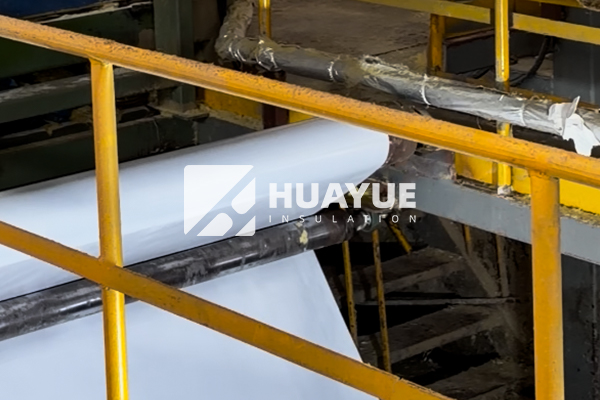
I remember an upgrade project where overlooking this choice caused endless headaches. The big thing about facing is it acts as a barrier against moisture getting into the insulation. Vinyl and foil facings are both common. Vinyl is very tough and resists tearing during installation. In cold climates (or when insulation wraps a cold tank) you almost always need a vapor retarder facing inside to stop condensation as warm, moist air meets cold surfaces. Unfaced insulation works well for interior walls between rooms where moisture is not a problem or when building code calls for no vapor barrier. Here’s a quick table for when and why I choose each:
| Application | Faced (Vinyl/Foil) | Unfaced |
|---|---|---|
| Tank Exterior | Yes | Rarely |
| Interior Partition | Sometimes | Often |
| Roof/Ceiling | Yes (cold side) | Never (against roof) |
| Cryogenic Tanks | Yes (strict) | Never |
I always check climate, the direction of vapor drive, and the owner’s maintenance plan before ordering insulation.
What is the biggest problem with fiberglass insulation?
Even with its popularity, fiberglass insulation is not perfect. Problems arise most often from moisture, installation mistakes, or poor maintenance.
The biggest problem with fiberglass insulation is its vulnerability to moisture, which reduces its thermal performance and can lead to mold growth or corrosion under insulation (CUI) if not properly installed or protected.
When I inspect aging tanks, most issues come from water or vapor sneaking past the facing. Once inside, insulation cannot perform. Water reduces the air space that traps heat, so R-value drops. Moisture leads to corrosion under insulation, which is a nightmare for plant maintenance. Mold can also get a start if the insulation stays damp. I warn my customers and teams to focus on air and vapor sealing first, careful installation second, and regular inspection third. Here’s what usually causes trouble:
| Problem Source | Effect | Preventive Step |
|---|---|---|
| Facing damaged | Moisture entry, R-value loss | Inspect, repair as needed |
| Poor joint sealing | Air leaks, energy loss | Proper tape/sealant application |
| Water penetration | Mold, CUI, insulation collapse | Full envelope, slope for runoff |
I always advise teams to make sure the insulation stays dry from day one.
Vinyl Backed Fiberglass Roof and Wall Insulation
Vinyl facing for roof and wall insulation offers a factory-applied vapor barrier that resists tears and adds a finished look—ideal for exposed walls and tanks.
Vinyl backed fiberglass insulation combines a durable plastic film facing with the performance of fiberglass, making it well suited for roofs, walls, and tanks where both aesthetics and moisture resistance matter.
Many times, I am asked about systems that must stay visible or where owners want an easy-to-clean or bright finish. Vinyl facings are often white, reflect light, and make plant interiors brighter. That helps with inspections and maintenance. The hardened surface is easier to wipe down than exposed fiberglass. In roof and wall assemblies, vinyl faced insulation stands up to accidental scrapes during construction. It is also easy to run tape or sealant at the seams. Contractors like it because it is less likely to tear than foil and more flexible in cold weather. Vinyl-backed products work especially well in tank farms or chemical plants where insulation may get bumped or brushed regularly. Key factors:
| Vinyl Backed Fiberglass | Benefit | Consideration |
|---|---|---|
| Roofs and Ceilings | Durable, clean finish | Seams must be sealed well |
| Tank Exteriors | High visibility, tough | Inspect for punctures |
| Exposed Walls | Bright, easy maintenance | White surface shows dirt |
For me, the vinyl facing often tips the balance when longevity and simple maintenance are required in harsh plant environments.
Conclusion
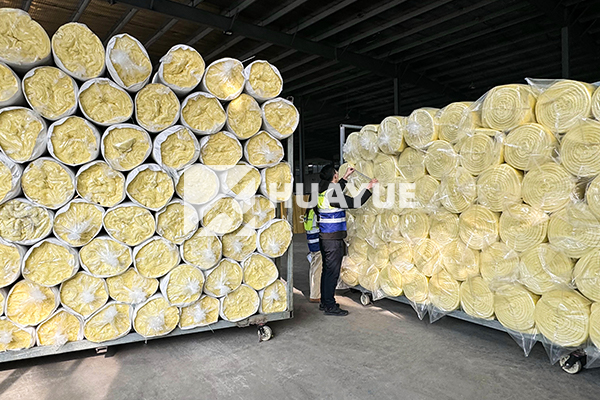
Vinyl faced fiberglass insulation delivers moisture resistance, toughness, and energy efficiency—if you pick the right type, mind the layers, and guard against water from day one.
You may also be interested in:
Ready to Get Started?
Get in touch with our experts for personalized solutions tailored to your needs.
Get Free QuoteLatest Articles



Should B2B Buyers Choose Mineral Wool Insulation?
Mar 31, 2026

Is Rock Wool a Good Choice for Acoustic Insulation?
Mar 30, 2026
Rockwool Insulation for Roof: Best Practices (2026)
Mar 27, 2026
Let's Work Together
Ready to take your business to the next level? Get in touch with our team of experts and let's discuss how we can help you achieve your goals.
Get Free Solutions