








Vinyl faced batt insulation: Is it right for your project?
If you want thermal insulation and moisture protection, you might worry about how to choose vinyl faced batt insulation. It can solve both problems, but many factors matter.
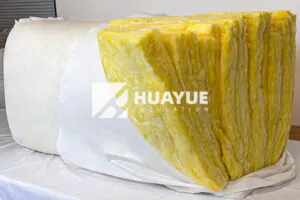
Vinyl faced batt insulation combines fiberglass or mineral wool batts with a vinyl vapor barrier. This helps reduce heat loss and fight moisture, making it ideal for walls and ceilings where condensation could be a concern.
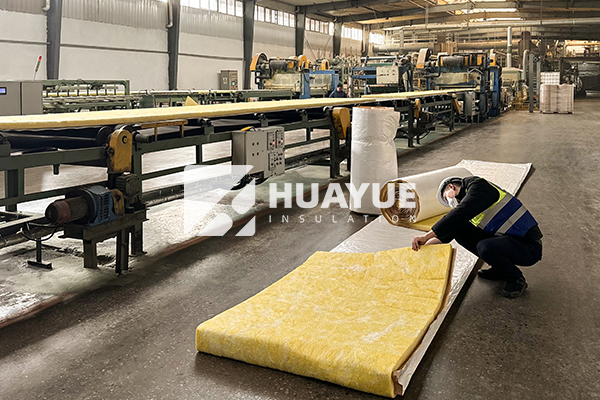
Vinyl faced batt insulation seems like a simple solution, but there are many details to consider before picking the right product. Let’s explore what makes it effective, when it works best, and what alternatives you might need.
What is vinyl faced insulation?
If you want to prevent both heat loss and moisture problems, many experts suggest vinyl faced insulation. Understanding how it works can help you decide if it fits your needs.
Vinyl faced insulation is a batt—usually fiberglass or mineral wool—with a plastic vinyl sheet attached as a vapor barrier. The vinyl facing blocks moisture and adds strength, making installation easier and improving insulation performance in humid spaces.
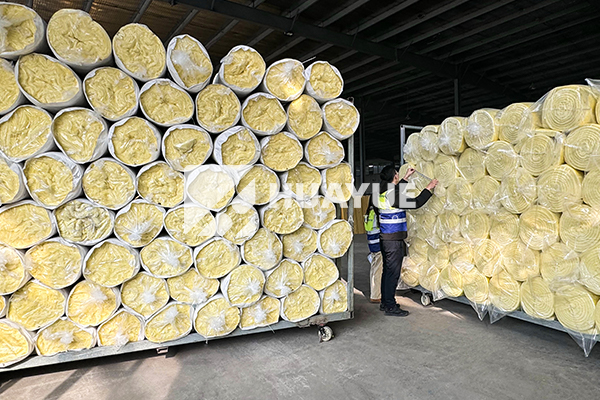
Vinyl faced insulation finds its main uses in exterior walls, basements, crawl spaces, and ceilings with risk of condensation or vapor intrusion. The vinyl sheet, usually white or black, seals the batt surface and resists rips. This facing turns ordinary insulation into a moisture fighter by slowing water vapor movement from warm inside air toward colder walls. In my experience, many building owners want the finished look that vinyl gives, especially in commercial or industrial settings like warehouses or factories. The installer can staple or tape the batt, keeping it snug and neat. Below is a simple table showing the main differences between faced and unfaced batts:
| Type | Vapor Barrier | Moisture Resistance | Typical Applications |
|---|---|---|---|
| Unfaced Batt | None | Low | Interior partitions, walls |
| Vinyl Faced Batt | Vinyl Sheet | High | Basements, external walls |
| Foil Faced Batt | Foil | Highest | Attics, radiant barriers |
Vinyl faced insulation works if you need a moisture shield, but it is not the only option. Some projects need higher fire resistance or stronger vapor barriers, so it’s important to know the limitations.
What is the R-value of vinyl faced fiberglass insulation?
Homeowners and engineers want to know if vinyl faced batts deliver good R-value. The answer can help you decide if it will save energy in walls or ceilings.
Vinyl facing offers very little extra insulation. Most of the R-value depends on the fiberglass batt itself—usually R-11 to R-38, depending on thickness and density.
Vinyl faced fiberglass insulation is rated mainly by its core fiberglass material, which traps air and blocks heat transfer. A standard 3.5-inch batt gives about R-11, a 6-inch batt R-19, and high-density batts up to R-38 for thicker spaces. The vinyl facing adds a vapor barrier but boosts the R-value only by a small fraction, often less than R-1. In my own work, most projects specify vinyl facing for moisture control, not for raising insulation value.
Here’s a quick table to show typical R-values:
| Thickness (inches) | R-value Range | Facing Type |
|---|---|---|
| 3.5 | R-11 | Vinyl, Foil, Unfaced |
| 6 | R-19 | Vinyl, Foil, Unfaced |
| 9.5 | R-30 | Vinyl, Foil, Unfaced |
| 12 | R-38 | Vinyl, Foil, Unfaced |
Vinyl facings help control moisture, but the insulation’s thermal performance comes mostly from the material inside. I always remind customers to look at batt thickness and density first when planning for energy savings.
When not to use faced insulation?
Some people think faced insulation is always better, but that isn’t true. Wrong placement can cause big problems, so you should know when to avoid it.
Avoid faced insulation where moisture needs to escape, like interior walls, ceilings with no ventilation, or spaces that already have vapor barriers. Double vapor barriers can trap water and lead to mold.
Many times, I see people put faced batts in areas where airflow is needed, or stack them above vapor barriers. This traps water, creating moisture pockets. In warehouses or rooms with old insulation, adding a new vapor barrier can worsen rot under the surface. For example, unfaced insulation works best in interior walls or between floors, as it lets water vapor move freely. Faced batts are risky in hot, humid climates or places with no air exchange.
Here’s a quick comparison:
| Condition | Use Faced Insulation? |
|---|---|
| Basement Walls | Yes |
| Attic with No Ventilation | No |
| Interior Partition Walls | No |
| Exterior Walls | Yes |
| Behind Existing Barrier | No |
If moisture isn’t controlled, mold and corrosion can start. I check local building codes and climate before choosing faced batt insulation. It’s best for exterior spaces exposed to big temperature swings, not inside rooms with dry air.
When to use foil-faced batt insulation?
Foil-faced batt insulation shares some benefits with vinyl faced types, but its performance is unique. Knowing when foils work best can help you pick the right barrier.
Use foil-faced batt insulation where you want high moisture control and radiant heat blocking, such as attics, roofs, and walls exposed to sunlight or heat sources.
Foil-faced insulation is popular for its high vapor resistance and radiant barrier. Foil reflects heat, making it the top choice for attic ceilings or under roof decks, especially in hot, sunny climates. Vinyl facings control vapor, but foil stops both vapor and radiant energy. I’ve seen factories and warehouses with metal roofs benefit from foil-faced materials because the foil keeps temperatures stable and energy costs low.
Here’s a comparison table:
| Facing Type | Vapor Resistance | Reflects Heat | Best Application |
|---|---|---|---|
| Vinyl Faced | High | Low | Walls, basements |
| Foil Faced | Highest | High | Attics, roofs |
| Unfaced | None | None | Interior walls |
Foil facings are also good against fire and mechanical damage. They are easy to install, but must be placed right (facing warm side of the room) for best results. In many construction projects, I prefer foil for radiant control, especially in high-temperature or exposed areas.
Conclusion
Vinyl faced batt insulation manages moisture and heat loss, but you must choose carefully based on site, climate, and insulation needs.
You may also be interested in:
Ready to Get Started?
Get in touch with our experts for personalized solutions tailored to your needs.
Get Free QuoteLatest Articles
Let's Work Together
Ready to take your business to the next level? Get in touch with our team of experts and let's discuss how we can help you achieve your goals.
Get Free Solutions