








Using Fiberglass Insulation in Basement: Is It Really the Best Choice?
If you want warm and dry basement living space, insulation can be your biggest ally or enemy.
Installing fiberglass insulation in basements helps reduce energy usage and keeps the area warmer, but it requires careful management of moisture to avoid mold and damage.
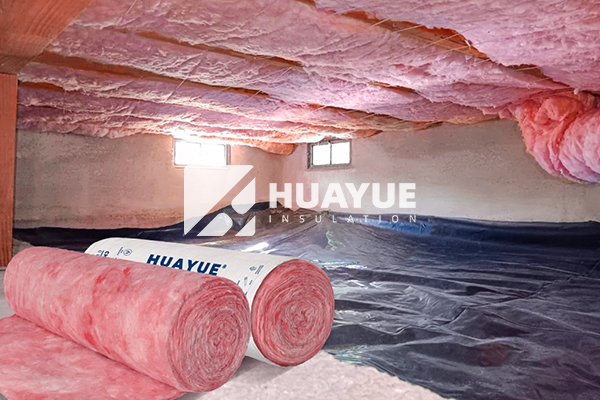
When I started working on my own basement, it seemed easy. But basements are tricky, because they have a constant battle with moisture. Some insulation types work better than others. I learned that material matters more than cost, and that installation errors can be expensive in the long run.
What is the biggest problem with fiberglass insulation in basements?
Moisture intrusion, leading to mold growth, is the main challenge when using fiberglass insulation in below-grade spaces.
Fiberglass insulation traps air to slow heat loss, but it absorbs water if exposed, increasing the risk of mold and rot where water leaks or condensation forms.
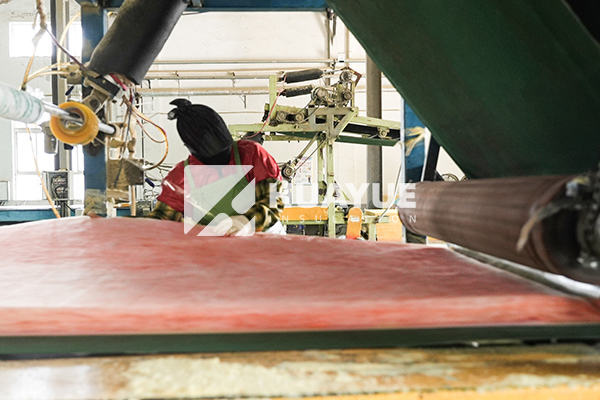
Basements are colder and damper than upper levels, making them vulnerable. The biggest issue with fiberglass is its interaction with moisture. Unlike foam or mineral wool, fiberglass can soak up water, especially if installed against concrete walls. I’ve seen basements where condensation collected behind the fiberglass batts, leading to musty air and black spots on the facing. This damages air quality and even the wood studs behind the insulation. If the wall isn’t perfectly sealed, rain or ground water gets in. That moisture stays trapped by the insulation, with little airflow to dry it out.
Here’s a comparison of insulation types and their moisture resistance in basements:
| Insulation Type | Moisture Resistance | Mold Risk | Typical Longevity | Application Notes |
|---|---|---|---|---|
| Fiberglass | Low | High | 15-40 years | Needs vapor barrier, not for wet walls |
| Mineral Wool | Moderate | Moderate | 20-50 years | Tolerates damp, no air barrier needed |
| Rigid Foam Board | High | Low | 25-50 years | Best for direct-to-concrete |
| Spray Foam | Highest | Lowest | 25-50 years | Seals wall completely |
What type of insulation is best for basement?
Rigid foam panels and closed-cell spray foam are considered the best insulation for basement walls.
They do not absorb water and provide an airtight, mold-resistant barrier, protecting the wall and improving energy performance.
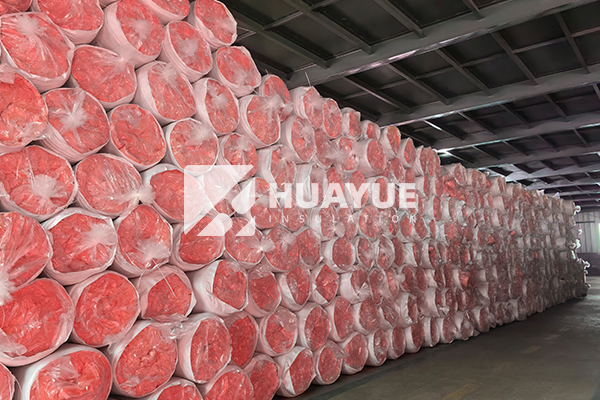
When I worked on a basement remodel a few years ago, I used rigid foam board after seeing failures with fiberglass batts. Foam board sits flush against the concrete wall. It blocks moisture and insulates very well. I did not use fiberglass on the perimeter walls and I saw no mildew or dampness, unlike other basements I managed with batts. Spray foam, though more expensive, completely seals walls. This method nearly eliminates drafts and condensation risks. I always check local code, because below-grade walls often require insulation types with a vapor barrier built in.
Here’s how common insulation types compare for below-grade installation:
| Insulation | Moisture Barrier | Cost | R-Value/inch | Suitability for Basements |
|---|---|---|---|---|
| Fiberglass Batts | Poor | Low | 3.2-3.8 | Only for interior partitions |
| Foam Board | Excellent | Moderate | 4.5-5.0 | Best for perimeter walls |
| Spray Foam | Excellent | High | 6.0-7.0 | Best all-around solution |
| Rock Wool | Moderate | Moderate | 4.0 | Good for moisture, costly |
Is foam insulation better than fiberglass in basement?
Foam insulation is better than fiberglass for basements due to its resistance to water, ability to seal air and moisture, and long-term durability.
Foam insulation creates a continuous barrier, preventing condensation, drafts, and mold growth much more effectively than fiberglass.
I replaced old fiberglass batts in a leaky basement with closed-cell spray foam. The improvement was immediate. Wall surfaces were warmer, with no damp spots after heavy rains. Foam performed better because it did not let moisture settle inside wall cavities. I saw less heat loss and mold never returned. Fiberglass still has use in certain spots, like between floor joists above grade, but for basement walls—especially when there’s any risk of water—in my experience, foam is the clear winner. The upfront cost is higher, but I paid less in repairs later.
Below is a table summarizing direct differences:
| Feature | Fiberglass | Foam Insulation |
|---|---|---|
| Water Absorption | High | Almost zero |
| Air Sealing | Poor | Excellent |
| Long-term Stability | Moderate | High |
| Mold Resistance | Low | High |
| Cost | Low | Moderate to high |
How many years does fiberglass insulation last?
Fiberglass insulation can last from 15 to 40 years, depending on moisture exposure, installation quality, and wall conditions.
If kept dry and undisturbed, fiberglass retains its thermal properties for decades. In damp basements, lifespan drops greatly due to mold and breakdown.
I visited a home where original fiberglass insulation still worked after thirty years—because the basement stayed dry and had good airflow. But another house, which took in groundwater every spring, lost most of its insulation value in just five years. Mold made the batts useless and the smell was terrible. I always tell clients: keep your fiberglass bone dry, or pick something more moisture-tolerant.
Here’s a quick look at lifespan factors:
| Factor | Effect on Lifespan |
|---|---|
| Exposure to water | Reduces lifespan |
| Quality of install | Extends lifespan |
| Use of vapor barrier | Extends lifespan |
| Regular inspection | Helps identify issues |
Conclusion
Basements demand insulation capable of handling moisture. Foam options often outperform fiberglass, offering lasting comfort and protection.
You may also be interested in:

Ready to Get Started?
Get in touch with our experts for personalized solutions tailored to your needs.
Get Free QuoteLatest Articles

Let's Work Together
Ready to take your business to the next level? Get in touch with our team of experts and let's discuss how we can help you achieve your goals.
Get Free Solutions