








Unfaced Insulation R13: What Is It Good For, and Do You Really Need It?
If you have ever looked at upgrading your insulation, you know the options can be overwhelming—and even a little confusing.
Unfaced R13 insulation works best for walls, floors, and ceilings where controlling air moisture is not a priority. It is often used to boost energy efficiency and comfort in most homes.
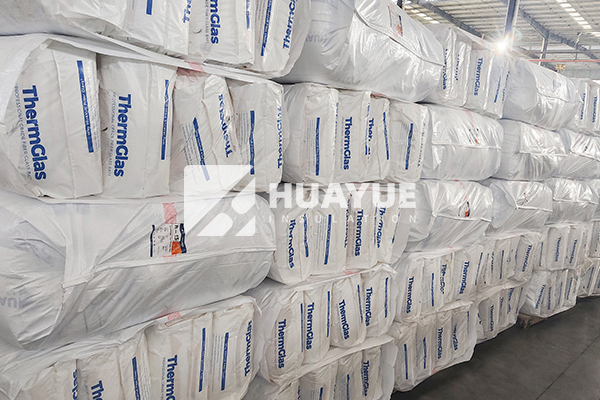
Even though choosing the right insulation can be tough, finding what suits your project keeps you focused. There is a lot to consider: cost, how it gets installed, and whether it will really work for your space. Let me help you break down exactly what unfaced R13 insulation is all about, why people use it, and what you should know before you buy.
What do you use R13 insulation for?
If your rooms always feel chilly in winter or overly hot in summer, poor insulation might be the problem.
R13 insulation is most often used in 2×4 wall cavities, basement walls, crawl spaces, and between floors. People use it to help control heat loss, reduce drafts, and keep noise down from room to room.
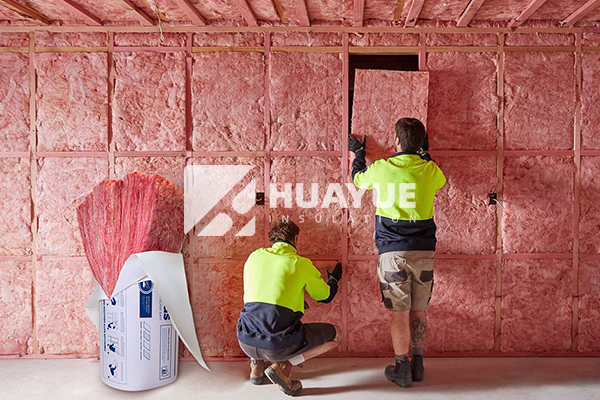
Most building codes see R13 as the minimum recommended standard for wall insulation in many parts of the United States, especially those with mild to moderate winters. I have seen R13 insulation work well in 2×4 wood-stud walls and as an upgrade for finished basements. R13 is easy to handle, cut, and fit into existing wall cavities which makes it popular for DIY projects. It creates a comfortable environment by slowing down how fast your heated or cooled air leaves the room. Besides saving energy, R13 insulation also reduces noise between rooms. For walls that will be finished with drywall right away, unfaced insulation is ideal since you do not need a vapor barrier. Below is a quick summary of where people most often use R13 insulation:
| Application Area | Typical Use | Reason for Use |
|---|---|---|
| 2×4 Wall Cavities | New Builds, Retrofits | Meets code, fits easily |
| Finished Basements | Upscale comfort, quiet | Temp control, soundproofing |
| Crawl Spaces | Energy savings | Keeps floors warmer, drier |
| Between Floors | Sound reduction | Less noise from upstairs |
Is R13 ok for exterior walls?
Many homeowners worry that R13 insulation might not be enough for outside walls, especially in colder places.
R13 insulation is acceptable for exterior 2×4 walls in mild or moderate climates. In very cold places, though, higher R-values, like R19, are often better to keep homes warmer.
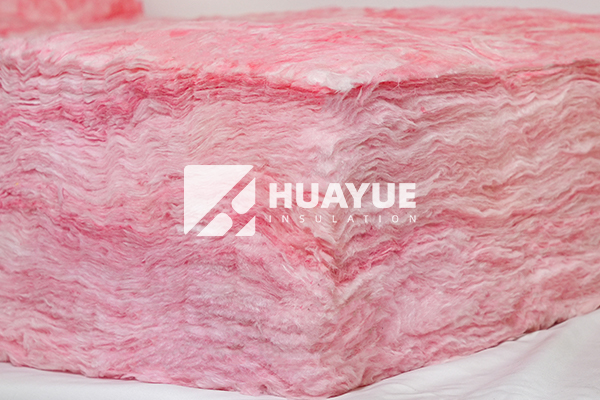
When I design an insulation system, the climate always comes first. In southern regions with milder winters, R13 is standard for 2×4 framed walls. It does enough to slow heat transfer and meet local codes. But if you want greater energy savings or live in a cold area, you need thicker walls for more insulation, like R19 or R21. Older homes can be difficult to upgrade if wall cavities are only 3.5 inches deep, which limits you to R13 or R15 insulation. In these cases, air sealing and weatherproofing help boost performance. The following table helps you compare:
| Wall Framing Depth | Mild Climate (South) | Cold Climate (North) | Best Insulation Option |
|---|---|---|---|
| 2×4 Stud (3.5") | R13 or R15 | Add foam/air sealing | R13 if limited space |
| 2×6 Stud (5.5") | R19 or higher | R21, plus air seal | R19 or R21 |
When in doubt, always check with your local building department before you buy to make sure your project meets code.
Why is R13 so expensive?
Have you looked at insulation prices lately and wondered why even the basic stuff like R13 costs so much?
R13 insulation is expensive due to raw material costs, transportation, energy use in manufacturing, and rising demand. Production upgrades for sustainability and safety laws also drive up the price.
The price tag of insulation does not just reflect the product itself. There is a whole process from mining sand and other materials, melting and spinning them into fibers, forming the batts, to safe shipping and storage. Recent years have seen fuel prices jump, labor shortages, and more costly safety or health requirements in factories. Some manufacturers now add recycled content or lower emission binders to meet green standards, and those upgrades cost more. Supply chain hiccups and international shipping backlogs are another factor. I have seen wholesale suppliers raise prices two or three times a year just to keep up with costs. Here is a breakdown of what adds to the cost:
| Factor | Effect on Price | Notes |
|---|---|---|
| Raw Materials | Higher | Costs for sand, binders, energy |
| Manufacturing | Higher | Tech upgrades, compliance, labor |
| Distribution/Logistics | Higher | Fuel, shipping, warehousing |
| Demand/Supply | Higher | Construction booms, seasonal fluctuations |
| Environmental Regs | Higher/Variable | Green upgrades, certifications |
If you need value, watch for bulk deals, off-brand alternatives, or ask about rebates from your utility.
Does unfaced insulation need to be covered?
It might look harmless, but leaving unfaced insulation exposed can cause problems in safety and building compliance.
Yes, unfaced insulation must be covered with drywall, plywood, or another approved finish. This stops fire hazards and prevents airborne fibers from getting into the living space.
Some people assume insulation can just sit in open wall cavities. But building codes require it to be sealed off if the space will be used regularly. It is about fire ratings, air quality, and keeping family members or workers safe. Even if your local inspector does not notice, the exposed fibers can get in the air and cause itching or breathing issues. I always recommend putting up drywall or at least a vapor-permeable membrane before a space is occupied. For storage areas or unfinished basements, check if a simple barrier will do. Local rules may vary, so always check first. Here is a basic guide:
| Space Type | Must Be Covered? | Covering Option |
|---|---|---|
| Living Areas | Yes | Drywall, plywood |
| Crawl Spaces | Usually no | Check code |
| Attics (Unfinished) | Sometimes | Ask inspector |
| Storage Areas | Yes, if occupied | Any code-legal |
Exposed insulation is never worth the risk—cover it as soon as you can.
Conclusion
Unfaced R13 insulation is a smart, flexible choice for many wall and floor spaces, but always check your climate, codes, and safety needs before you install.
You may also be interested in:

Ready to Get Started?
Get in touch with our experts for personalized solutions tailored to your needs.
Get Free QuoteLatest Articles
What is R19 Kraft Fiberglass Insulation Batt?
Mar 20, 2026

What is High Density Mineral Wool?
Mar 20, 2026

Is Glass Wool the Best Choice for Sound Insulation?
Mar 19, 2026
Let's Work Together
Ready to take your business to the next level? Get in touch with our team of experts and let's discuss how we can help you achieve your goals.
Get Free Solutions