






Types of Fiberglass Insulation: Which is Right for Your Project?
Many projects struggle with poor temperature control or high energy bills. People want a solution that lasts, performs well, and stays safe.
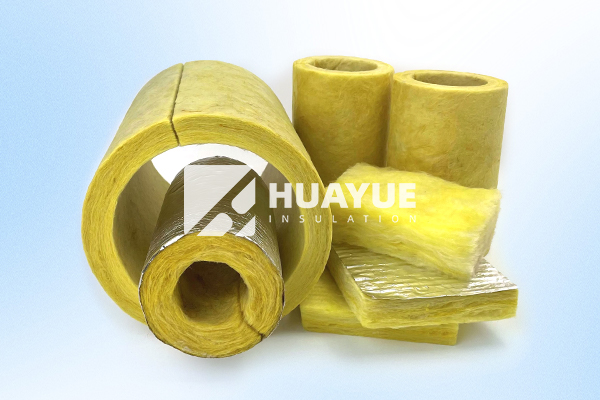
Fiberglass insulation comes in several types: batts, rolls, boards, pipes, duct panels, loose-fill, and formaldehyde-free options. The best type depends on your project needs.
Some insulation solutions seem complicated or expensive, but fiberglass insulation can provide a simple answer. I have worked with customers who faced strict safety requirements and tough climate demands. Every time, choosing the right fiberglass product made things easier and saved costs. Let’s go deeper to see what fiberglass insulation really offers.
What is Fiberglass Insulation?
Many building owners worry about energy loss or unstable indoor climates. They want materials that last and are safe.
Fiberglass insulation is made of fine glass fibers that trap air, reducing heat transfer and providing fire resistance. It is widely used for walls, roofs, pipes, and ducts.
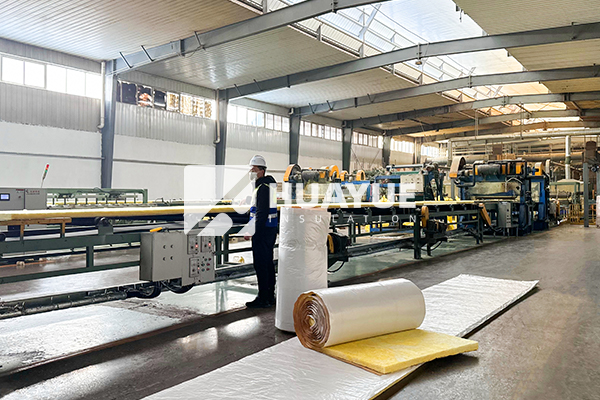
Fiberglass insulation looks simple. The core idea is to trap tiny pockets of air and stop heat from moving through walls, ceilings, and equipment. The process starts with melting high-quality glass at very high temperatures. That glass is spun into thin, flexible fibers using special machines. This is why consistency is important—any impurity in the raw material affects performance. I source the glass myself for our products, making sure it is cleaned and dried many times before melting. This careful preparation keeps the glass wool fibers free of dust and other contaminants, and the finished fibers are long and fine. They don’t feel itchy like some other brands. They also lock air in place, greatly reducing the amount of heat that can pass through. The result is insulation that is effective, fire-resistant, and does not shed easily. Good quality material means better results for every project.
Types of Fiberglass Wool Insulation?
Materials can be confusing. Homeowners and engineers often feel overwhelmed because products look similar but perform differently.
Fiberglass wool insulation comes in many forms: batts or slabs, rolls, boards, pipes, duct panels, loose-fill, sprayed fiber, and formaldehyde-free lines. Each suits different needs.
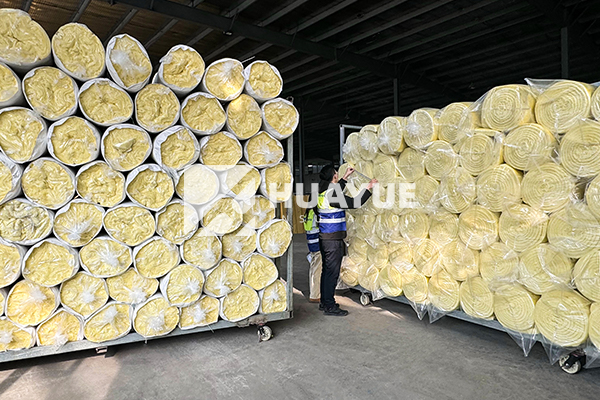
I see builders and plant engineers choose different types for specific jobs. Batts and rolls work best for wall cavities and roof spaces. Boards and panels provide higher density, perfect for equipment or industrial ducts. Pipe insulation fits steam and hot water systems. Loose-fill and spray fibers help reach small spaces or uneven gaps. Formaldehyde-free options are gaining attention for “green” projects or where health concerns matter.
Here is a summary of the main types:
| Type | Common Application | HUAYUE’s Main Products | Key Features |
|---|---|---|---|
| Batts/Slabs | Walls, roofs | Glass wool batts/slabs | Flexible, easy to install |
| Rolls | Large wall/roof areas | Glass wool rolls | Covers big spaces fast |
| Boards | HVAC, mechanical rooms | Glass wool boards | Higher density, better fire rating |
| Pipes | Heating/cooling pipelines | Glass wool pipes | Pre-formed, fits snugly |
| Duct Panels | HVAC air ducts | HAVC glass wool duct panels | Acoustic & thermal benefits |
| Loose-fill/Spray | Attics, gaps, complex shapes | Glass wool spray fiber, loose-fill | Great for retrofit or odd spaces |
| Formaldehyde-free | Sensitive sites | Formaldehyde-free series | Low emissions, healthier indoors |
Every type brings its own strengths. For tanks exposed to harsh weather, I often suggest dense boards or pre-formed pipe insulation. For home use, batts and rolls are quick and budget-friendly. HUAYUE also supplies non-itchy products and options free of formaldehyde to meet strict health standards. Picking the right type for your project can boost safety, savings, and comfort.
How Fiberglass Insulation Works?
Many worry about how well insulation really performs over time. Some wonder if it will last or if it will cause problems with moisture or chemicals.
Fiberglass insulation traps air within its fibers, slowing heat transfer, blocking sound, and resisting fire. It stays stable and effective for many years when installed correctly.
Temperature control depends on forcing heat to slow down. The thin glass fibers keep air locked in place, which blocks heat from flowing from hot to cold areas. The structure also muffles sound, so many people use it in walls or ducts for noise reduction. Fire safety is another plus—glass is naturally non-combustible, so it helps protect against flames and high heat. I see chemical plant engineers like Hans Müller rely on fiberglass to keep tank systems running safely. When the insulation is clean and dense, water or chemicals can’t seep inside and cause corrosion—this is especially important for cryogenic tanks where moisture could ruin the system. HUAYUE’s glass wool has very little waste or slag, so it performs consistently even in tough climates. With good storage and installation, the insulation can last decades without losing its effectiveness.
What is Fiberglass Made of?
Some people worry about unfamiliar materials. They want to know what goes into their insulation and if it is safe or eco-friendly.
Fiberglass is made from melted, pure glass that is spun into fibers. Quality depends on clean raw materials and strong manufacturing control.
Making high-performing fiberglass insulation starts with the glass itself. At HUAYUE, we use our own glass raw material, cleaned and dried in many steps before melting. This keeps the finished product almost free of impurities and debris. That means every fiber is long, thin, and flexible, so it does not itch or break easily. These fine fibers create a dense mat, trapping air in tiny pockets and stopping heat from moving around. This process also limits any harmful chemicals from getting inside. Our formaldehyde-free product line goes one step further, keeping indoor air healthy. I have worked on projects where every component needed certification—our ISO and CE credentials help meet international safety and environmental standards. If you need insulation that meets both global standards and local codes, knowing what is inside your fiberglass is key.
Fiberglass Insulation Pros and Cons?
Every buyer asks about long-term benefits and drawbacks. They want reliable performance but need to be aware of limits or maintenance.
Fiberglass insulation offers strong thermal performance, fire safety, and noise reduction. Disadvantages include possible moisture issues and less flexibility in tight or complex spaces.
I advise engineers and homeowners to check both the upsides and possible concerns. Fiberglass stays stable and does not burn, making it very safe for many applications. Its fine fibers trap heat and block sound, improving comfort in buildings and industrial systems. Because of the dense packing, our HUAYUE products keep out moisture and resist corrosion, especially in tanks and pipelines. On the downside, any insulation can be harmed if it gets wet or if corners are cut during installation. Glass wool is not as flexible as some foam products, so fitting it into small areas can take more planning. Sometimes people worry about skin irritation—our process nearly eliminates this issue by using long, soft fibers and removing slag. For most jobs, the benefits outshine the limits, and modern options, including formaldehyde-free or water-repellent series, help handle tough spots.
| Pros | Cons |
|---|---|
| High thermal insulation | Can be tricky to install in tight gaps |
| Fire resistant | Must stay dry for best results |
| Noise reduction | May need safety handling gear |
| Long-term stability | Can need more careful storage |
| Cost-effective | Limited flexibility in shapes |
Choosing the right type, handling carefully, and working with trusted suppliers keeps the insulation performing as expected.
Conclusion
Fiberglass insulation offers many options for every project. It delivers strong thermal, fire, and noise performance when selected and installed with care.
You may also be interested in:
Ready to Get Started?
Get in touch with our experts for personalized solutions tailored to your needs.
Get Free QuoteLatest Articles

Should B2B Buyers Choose Mineral Wool Insulation?
Mar 31, 2026
Is Rock Wool a Good Choice for Acoustic Insulation?
Mar 30, 2026
Rockwool Insulation for Roof: Best Practices (2026)
Mar 27, 2026
Let's Work Together
Ready to take your business to the next level? Get in touch with our team of experts and let's discuss how we can help you achieve your goals.
Get Free Solutions