








Stone wool batt insulation: Is it the best choice for your project?
If you want an insulation solution that balances thermal performance with fire safety, you may be struggling with too many options and too little clarity.
Stone wool batt insulation is made from natural volcanic rock and slag. It resists fire, absorbs sound, and excels at thermal insulation for industrial, commercial, and residential buildings.
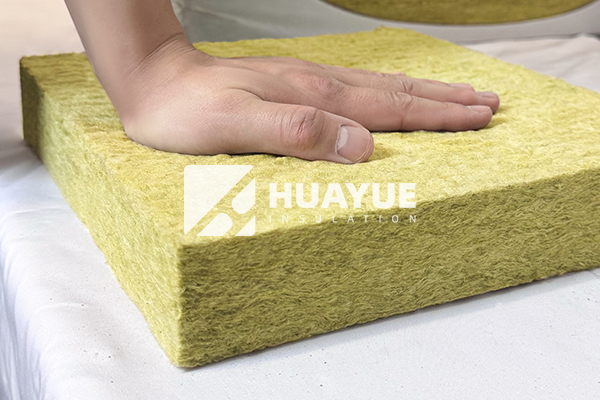
When I need lasting reliability, stone wool stands out because it combines fire resistance and thermal efficiency. It can solve problems that many traditional insulations cannot. If you want a material that supports safety goals, reduces energy loss, and won’t easily wear out, stone wool batt insulation can be a top pick. Keep reading, and I’ll break down how it works and why you might choose it.
What is stone wool batt insulation?
Looking for an insulation solution that does not absorb moisture or shrink over time can be tough. Traditional batt materials fall short when exposed to water, high temperatures, or open flames.
Stone wool batt insulation is made by spinning molten stone and slag into fibers, then forming these fibers into flexible batts. This gives stone wool unique features—water resistance, fire resistance, and excellent sound dampening.
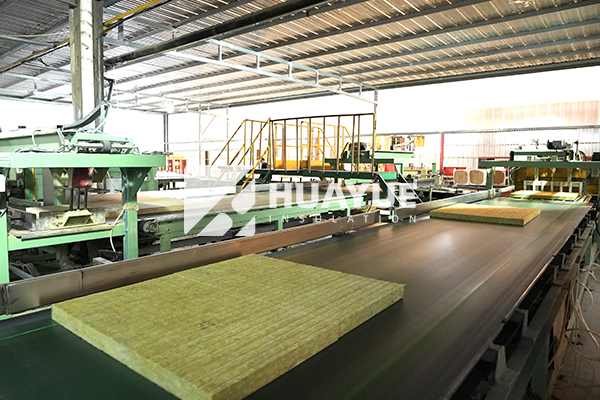
To explain further, stone wool batt insulation starts with basalt rock and industrial slag. They are heated until they melt. The melt is spun into fibers using high-speed wheels. The collected fibers are shaped into insulation batts of different densities and thicknesses. Since the fibers come from volcanic rock, the insulation resists high heat and fire. Stone wool also does not absorb water, so it keeps performing even in humid environments. I have found it to be a stable choice for walls, roofs, and tanks, and it works equally well indoors and outdoors.
| Feature | Description | Benefit |
|---|---|---|
| Material Source | Basalt rock + slag | High durability & fire resistance |
| Production Method | Melt spinning + fiber shaping | Flexible forms, dense structure |
| Main Properties | Water-resistant, fire-proof, dense fiber | Long life, limited shrinkage, safe |
What is the difference between ROCK WOOL and stone wool?
I often hear confusion about rock wool and stone wool. People often think they are two different things, and that picking one over the other will make a big impact.
There is no major technical difference between rock wool and stone wool. Both are mineral wool insulations made primarily from basalt rock, sometimes mixed with slag.
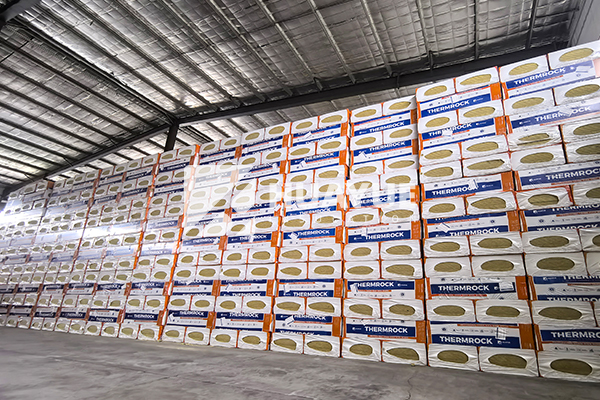
The term ‘rock wool’ is commonly used in Europe and the Middle East. ‘Stone wool’ is popular in Asia, especially in China. Manufacturers may use either term, but the production method and performance are almost identical. Both are spun from molten stone and formed into batts or boards. Sometimes, the slag content may vary due to local supply. When I compare samples from major suppliers, the density, fire resistance, and water repellency are nearly the same. For customers like Hans, who need consistent long-term performance, there is no practical difference. They can choose either term without worry.
| Stone Wool | Rock Wool | Notes |
|---|---|---|
| Made from volcanic rock + slag | Made from volcanic rock + slag | Same raw material |
| Spun into fibers | Spun into fibers | Same process |
| Used for building, tanks | Used for building, tanks | Same applications |
| Regional name, often in China | Regional name, often in Europe | Only naming varies |
How good is stone wool insulation?
Insulation that does not do its job can lead to increased energy costs, corrosion, or even safety hazards. Many building owners and engineers want high standards but often get poor results.
Stone wool insulation delivers outstanding fire resistance and sound absorption, and its thermal insulating power is on par with or better than many alternatives. It does not slump, shrink, or degrade over time.
I have seen stone wool insulation used in oil refineries, cryogenic tanks, schools, and homes. It maintains its form, reduces noise by trapping sound waves, and resists both fire and moisture. This means it does not sag when exposed to heat or humidity. Customers like Hans choose it for tanks because stone wool helps avoid corrosion under insulation (CUI), and offers superior safety in case of fire. Its R-value for thermal performance is often between R3.7 and R4.3 per inch thickness, making it very competitive. The insulation does not contain any organic binders, so it does not attract pests or mold. For those looking for a low-maintenance, long-lasting solution, stone wool is one of the safest bets.
| Property | Stone Wool | Why it Matters |
|---|---|---|
| Fire Resistance | Withstands >1000°C | High safety rating |
| Water Resistance | Does not absorb moisture | Long life, no mold |
| Thermal Insulation | R3.7–R4.3/inch | Energy savings |
| Sound Absorption | Excellent (fibrous matrix) | Better acoustics |
Difference Between Fiberglass & Mineral Wool Insulation Batt
Many people get stuck deciding between fiberglass and mineral wool batts. Each has specific strengths and weaknesses, and the choice has a lasting effect.
Mineral wool (stone wool and rock wool) offers better fire resistance and does not absorb water, while fiberglass is lighter, often less expensive, but less durable in wet or fire-prone spaces.
I have tested samples from real projects. Fiberglass batts are easy to cut and handle; they come in lighter rolls and are cheaper to transport. Mineral wool batts are heavier, are denser, and can take higher temperatures. Fiberglass has a lower R-value per inch, usually R2.9–R3.8, compared with stone wool’s R3.7–R4.3. Fiberglass may absorb some moisture, which can lower its performance. Mineral wool does not absorb water, preventing long-term problems with mold and decay. If you are insulating a wall in a home, fiberglass may suffice. If you are insulating a tank, a high-risk plant, or want best-in-class sound and fire performance, mineral wool is the safer option.
| Property | Fiberglass Batt | Mineral Wool Batt |
|---|---|---|
| R-value/inch | R2.9–R3.8 | R3.7–R4.3 |
| Fire Resistance | Limited (melts at ~500°C) | Excellent (>1000°C) |
| Water Resistance | Low | High |
| Cost | Lower | Higher |
| Sound Absorption | Moderate | Excellent |
| Durability | Less robust | More robust |
Conclusion
Stone wool batt insulation sets a higher standard for fire, sound, and moisture performance. It offers strong, reliable protection across many applications.
You may also be interested in:
Ready to Get Started?
Get in touch with our experts for personalized solutions tailored to your needs.
Get Free QuoteLatest Articles

Should B2B Buyers Choose Mineral Wool Insulation?
Mar 31, 2026
Is Rock Wool a Good Choice for Acoustic Insulation?
Mar 30, 2026
Rockwool Insulation for Roof: Best Practices (2026)
Mar 27, 2026
Let's Work Together
Ready to take your business to the next level? Get in touch with our team of experts and let's discuss how we can help you achieve your goals.
Get Free Solutions