








Steel Building Fiberglass Insulation: Is It the Best Choice for Energy Efficiency?
Steel buildings can lose heat fast, resulting in high energy costs and uncomfortable workspaces. But what if insulation could solve most of these problems quickly and affordably?
Fiberglass insulation is one of the most effective and budget-friendly ways to increase energy savings and comfort in steel buildings. It fits metal framing easily, helps control condensation, and improves year-round energy efficiency.
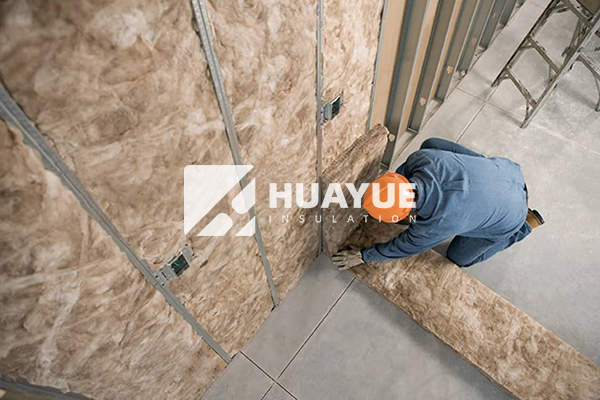
Metal buildings face unique issues like poor temperature regulation, condensation, and noise. If you have ever walked inside a steel warehouse in winter or summer, you know the discomfort. I have helped many clients control these problems with fiberglass insulation. In the sections below, I will break down your insulation options, walk through the best R-values, and share cost-saving tips, so you can make the right choice for your building.
Can you use fiberglass insulation in a metal building?
Steel buildings get cold in winter and hot in summer. Condensation problems can cause rust and structural damage. Many people ask if fiberglass insulation is actually suitable for metal buildings.
Yes, you can use fiberglass insulation in metal buildings. It is widely used because it resists moisture, is easy to install, and provides reliable thermal and sound control at a reasonable price.
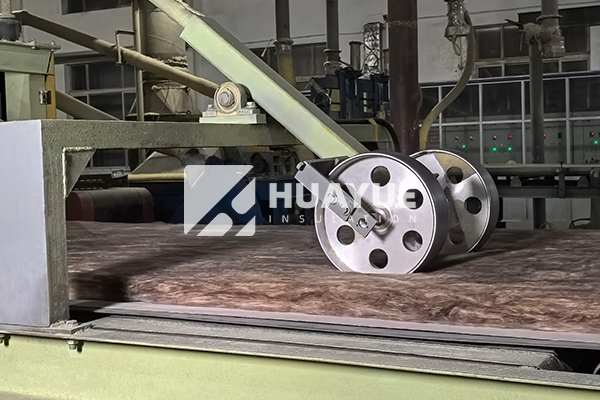
Some building owners worry that fiberglass will soak up water and lose performance. But when covered with vapor barriers, fiberglass is highly effective. Its flexibility allows it to fit between metal studs and around framing extras. The main kinds are rolls, batts, and loose-fill, but fiberglass rolls are most common for metal buildings.
Types of Fiberglass Insulation Used in Steel Buildings
| Type | Best Use Case | Benefits | Limitations |
|---|---|---|---|
| Rolls | Large wall/roof spaces | Quick to install, covers area fast | Needs careful vapor barrier work |
| Batts | Framed walls, panels | Pre-sized, simple for DIY | Not flexible for odd shapes |
| Loose-fill | Filling gaps/voids | Fills tricky spots | Less common in metal buildings |
Fiberglass is non-combustible and resists pests. It can last decades if kept dry and protected with vapor barriers and proper installation. After seeing old insulation replaced on some of my projects, I can say fiberglass holds up well in real-world use if installed right.
Roll Insulation Metal Buildings: What Are the Advantages?
Poor insulation can lower energy efficiency and make spaces uncomfortable. When owners look for an upgrade, they often want solutions that are easy to install, low in cost, and that cover large areas quickly.
Fiberglass roll insulation is the top choice for most metal buildings because it covers wide areas in long, continuous strips. This reduces seams where air or water vapor might leak through.
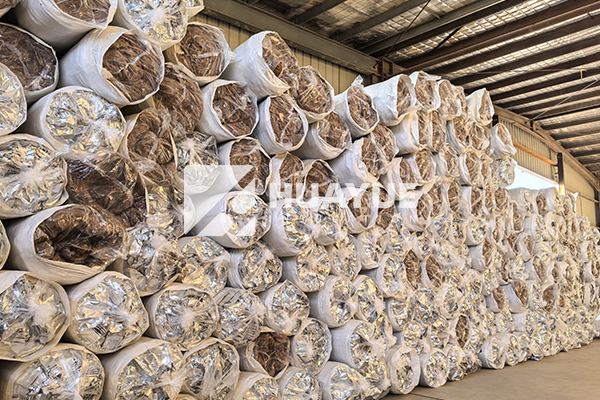
I have seen how fiberglass rolls speed up large project timelines. One person can unroll and staple or clip it into place. Rolls come in different thicknesses and widths, allowing fast coverage of big ceilings and long walls. It is common in new steel warehouses and for retrofits. The key is to always pair rolls with a vapor barrier facing the conditioned space to control moisture.
Installing Fiberglass Rolls in Steel Buildings
| Step | Task | Notes |
|---|---|---|
| 1 | Measure length and width of target area | Buy rolls that match wall/roof size |
| 2 | Prep surfaces and install vapor barrier | Barrier faces inside, toward heat |
| 3 | Roll insulation into position | Fill gaps, avoid compression |
| 4 | Secure with pins or fasteners | Keep insulation flat |
| 5 | Seal seams and joints | Prevent thermal leaks and moisture |
Proper installation prevents common issues like sagging, compression, or exposed gaps. Each step helps ensure your building stays energy efficient and safe from condensation damage.
What Is the Best Insulation for Steel Buildings?
Owners want to avoid high energy bills and prevent corrosion under insulation. There are several choices, but some outperform others in steel applications.
The best insulation for steel buildings depends on your needs, but fiberglass, foam board, and spray foam are top choices. Fiberglass is cost-effective and easy to use, foam board offers high R-value, and spray foam provides air sealing.
Fiberglass insulation is the default for many steel buildings because of its reliability and value. Foam board insulation is best for projects with space constraints needing high R-values in thin layers. Spray foam excels where total air sealing is needed, such as in complex roofs or irregular spaces.
Comparing Insulation Types for Steel Buildings
| Material | Cost | R-value per Inch | Moisture Resistance | Soundproofing | Ease of Installation |
|---|---|---|---|---|---|
| Fiberglass | Low | 2.9 – 3.8 | Medium (with VB) | Good | Easy (roll/batt) |
| Foam Board | Medium | 4.5 – 7.0 | High | Fair | Moderate |
| Spray Foam | High | 6.0 – 7.0 | Excellent | Very Good | Hard (needs special) |
From what I have seen, fiberglass is often chosen for large commercial steel buildings where covering big spaces quickly at lower cost is most important.
What Is the Best R-Value for Metal Building Insulation?
Choosing insulation with the right R-value can save you money on heating and cooling. Pick too low, and you lose comfort and energy. Too high, and you may overpay without extra benefit.
The best R-value for steel building insulation is usually between R-19 and R-30, but the ideal number depends on your local climate, building size, and usage.
Builders in cold regions prefer higher R-values in roofs, up to R-38, to control heat loss. Warmer areas might need less, focusing more on vapor and condensation control. The right R-value keeps your building efficient without extra layers or cost.
R-Value Guide for Metal Buildings
| Building Location | Roof R-Value | Wall R-Value |
|---|---|---|
| Cold Climates | R-30 to R-38 | R-19 to R-25 |
| Moderate Climates | R-19 to R-30 | R-13 to R-19 |
| Warm Climates | R-13 to R-19 | R-11 to R-13 |
You can always combine insulation types to reach the needed R-value if space is limited.
How to Insulate a Metal Building on a Budget?
Many building owners want good insulation without breaking the bank. High costs can push people to delay projects or cut corners.
You can insulate a metal building on a budget by using fiberglass roll or batt insulation. Install it yourself if you have basic tools, and look for material discounts by buying in bulk.
Fiberglass rolls offer the best value for dollar spent. Buying directly from manufacturers or distributors saves money. Do the work yourself or hire local labor for installation. Always use a vapor barrier to protect your investment.
Money-Saving Tips for Fiberglass Insulation
| Tip | Benefit |
|---|---|
| Buy in bulk | Lower unit cost |
| Direct from supplier | Skip distributor markups |
| Install yourself | Save on labor |
| Use rolled product | Fastest to cover large areas |
| Layer insulation | Reach higher R-values cheaply |
I always remind clients that spending a little more on proper vapor barriers and installation saves on repairs and replacements in the future.
Conclusion
Fiberglass insulation offers a safe, cost-effective, and reliable way to improve energy efficiency, comfort, and long-term performance in steel buildings of any size or use.
You may also be interested in:

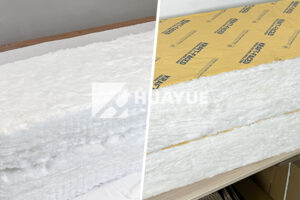
Ready to Get Started?
Get in touch with our experts for personalized solutions tailored to your needs.
Get Free QuoteLatest Articles
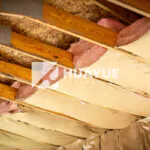
What is R19 Kraft Fiberglass Insulation Batt?
Mar 20, 2026
What is High Density Mineral Wool?
Mar 20, 2026

Is Glass Wool the Best Choice for Sound Insulation?
Mar 19, 2026
Let's Work Together
Ready to take your business to the next level? Get in touch with our team of experts and let's discuss how we can help you achieve your goals.
Get Free Solutions