








R30 Unfaced Insulation: What Makes It a Smart Choice for Your Building?
Are you struggling to balance energy bills, safety, and ease of installation in your building projects? R30 unfaced insulation may be the answer.
R30 unfaced insulation is primarily used in attics, floors, and ceilings where a high thermal barrier is needed without a vapor retarder, making it ideal for both new and retrofit construction in mixed or dry climates.
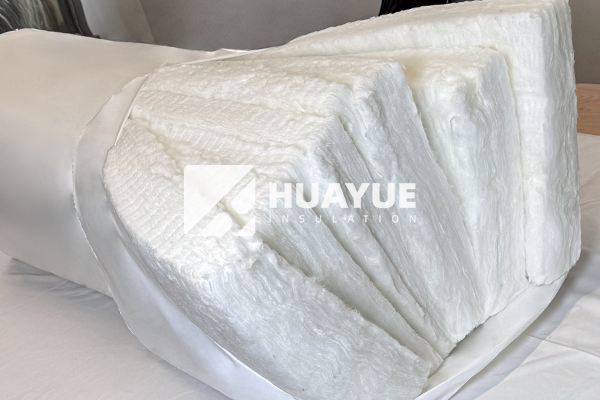
You may wonder whether this insulation is right for your project, especially when navigating so many options. Let me walk you through the essentials of R30 unfaced insulation, so you can confidently decide if it fits your needs.
What is R30 unfaced insulation used for?
Are you worried about high energy loss or uneven comfort in your building spaces? I have seen many buildings with hot or cold spots due to poor insulation choices.
R30 unfaced insulation is typically used in attics, floors above unconditioned spaces, and roofs, where adding a vapor barrier is not necessary.
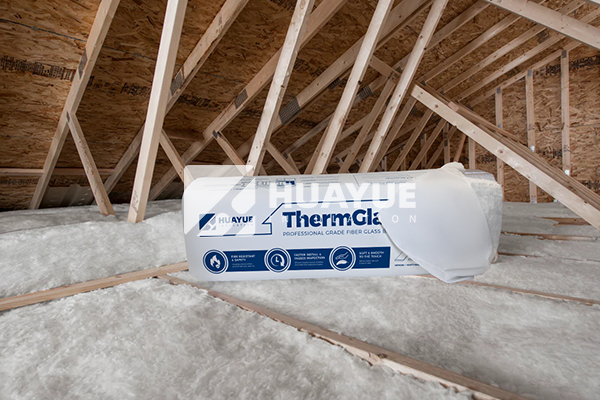
When I walk into a chemical plant or a large residential building, the areas above garages or below ventilated attics stand out. Unfaced insulation is a practical solution here. It provides a thermal barrier to stop energy loss, but since it has no facing, it will not trap moisture. This quality is crucial for spaces that must breathe, such as attics and vented crawlspaces. Without a vapor barrier, moisture can exit, and the insulation itself remains dry and effective. Here is a quick breakdown:
| Application Area | Why Use Unfaced? | R-Value Needed |
|---|---|---|
| Vented attics | No vapor barrier needed | R30 |
| Floors above spaces | Avoids moisture buildup | R30 |
| Roof cavities | Meets code in cold climates | R30 |
In my experience, especially when dealing with retrofits in older industrial tanks, unfaced insulation solves many moisture-related failures. Installing R30 unfaced insulation helps avoid problems like mold and ensures long-term efficiency.
Why would you want unfaced insulation?
Do you worry about mold or trapped moisture in your walls or attic? I often see these issues where the wrong insulation type was used.
Unfaced insulation is ideal where moisture must move freely, preventing trapped humidity and related problems like mold or material decay.
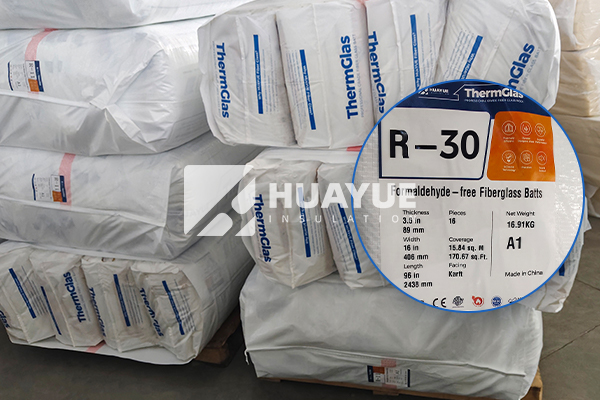
I remember a project in southern Germany, where Hans Müller, the chief engineer, had to upgrade several tank decks. There, humidity and condensation were a constant threat. Using faced insulation would have trapped this moisture inside. Instead, we chose unfaced insulation so that any dampness could move through and evaporate. It kept the tanks dry inside and preserved the insulation’s thermal performance.
Here are some reasons you might want unfaced insulation:
- You are finishing an attic with good ventilation.
- You need insulation between conditioned and unconditioned spaces.
- Your climate zone does not require a vapor retarder.
| Problem | Faced Insulation Risk | Unfaced Solution |
|---|---|---|
| Mold | High | Low, better airflow |
| Corrosion risk | Increased | Decreased, stays dry |
| Trapped moisture | Frequent | Rare, moisture escapes |
Whenever compliance with safety or life-cycle costs matters, unfaced insulation gives you simplicity and reliability.
How thick is R30 unfaced insulation?
Have you wondered if thicker insulation means more protection? The thickness does matter, but the material is just as important.
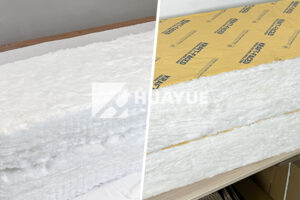
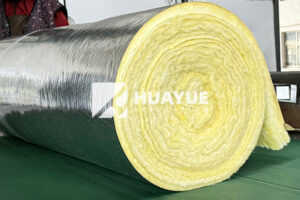
Unfaced R30 insulation is usually around 9 to 10 inches thick, depending on the material (fiberglass, mineral wool, or foam glass).
Thickness defines the R-value, but the core material and density affect performance in real-world situations. For glass wool and rock wool, R30 usually means 9-10 inches thick. If you use a denser material, like foam glass panels, the thickness could be slightly less but with similar energy savings. I learned from factory visits that this thickness provides a balance—a deep enough layer to block heat but thin enough to fit most standard construction cavities.
Here is a quick comparison:
| Material Type | Approx. Thickness for R30 | Notes |
|---|---|---|
| Fiberglass Batts | 9 inches | Flexible, easy retrofit |
| Mineral Wool | 9 – 10 inches | Higher sound/fire protection |
| Foam Glass | 8.5 – 10 inches | Superior moisture resistance, durable |
When building for industrial clients like Hans, I always double-check that the selected insulation fits structural needs and regulatory code.
How much is R30 unfaced insulation?
Are costs making you hesitate? The price can vary, but understanding value is key for smart investment.
R30 unfaced insulation costs range from $0.90 to $2.00 per square foot, depending on material, brand, and order size.
Pricing depends on what the insulation is made from and how much you buy at once. Fiberglass is usually at the lower end, while foam glass and high-density mineral wool are higher, but they offer extra benefits for durability and fire protection. If you are renovating a large industrial space or several tanks, ordering in bulk can lead to significant savings. When calculating your project’s budget, include both purchase cost and potential savings over the lifetime of the building.
| Material Type | Price (per sq. ft.) | Key Features |
|---|---|---|
| Fiberglass | $0.90 – $1.25 | Low cost, fast install |
| Mineral Wool | $1.10 – $1.75 | Fire and sound benefits |
| Foam Glass | $1.30 – $2.00 | Water-proof, long-lasting, best for harsh env. |
I once worked with a procurement manager who saved 20% by combining a large tank insulation order with a facility-wide upgrade, showing that good planning brings down costs, even for the highest-spec insulation.
Conclusion
R30 unfaced insulation gives top energy protection and prevents moisture problems in attics, floors, and tanks. Choose the right thickness and material for safety and value.
You may also be interested in:
Ready to Get Started?
Get in touch with our experts for personalized solutions tailored to your needs.
Get Free QuoteLatest Articles

What is High Density Mineral Wool?
Mar 20, 2026

Is Glass Wool the Best Choice for Sound Insulation?
Mar 19, 2026
Let's Work Together
Ready to take your business to the next level? Get in touch with our team of experts and let's discuss how we can help you achieve your goals.
Get Free Solutions