








R19 Roll Insulation: Is It the Best Choice for Your Project?
Homeowners and facility managers often feel confused about which insulation level works best. Choosing the wrong type can mean wasted money and poor energy performance.
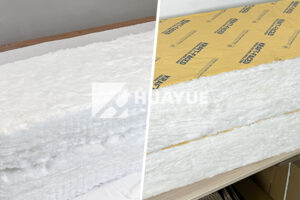
R19 roll insulation is typically used in walls, floors, and ceilings where a medium level of thermal resistance is required. It balances cost, performance, and installation ease for most climate zones.
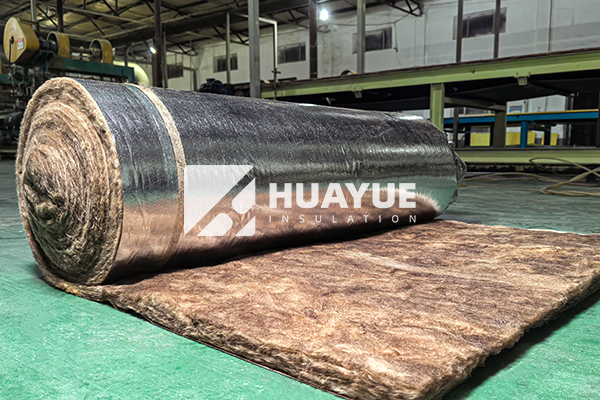
When I decided to upgrade my house, I quickly realized that insulation options are overwhelming. If you want to improve energy efficiency, or you need to meet new building codes, stay with me. We will look at what R19 roll insulation can do, where it makes sense, and whether it is enough for demanding spaces like attics.
What is R19 insulation usually used for?
Poorly chosen insulation can let energy bills skyrocket. Many people wonder where R19 insulation actually works best in a home or industrial building.
R19 insulation is commonly installed in 2×6 wall cavities, between floor joists, or in basement ceilings. It offers solid thermal performance without being too thick for common structural spaces.
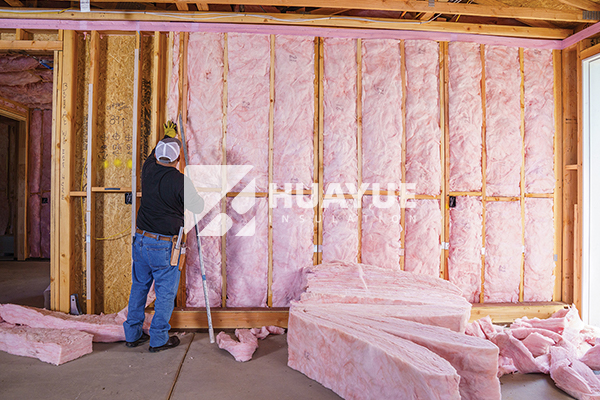
I often see R19 rolls in big renovation projects or new builds. If you look at a typical residential wall made with 2×6 framing, you will find that R19 insulation fits well and meets most building codes for walls in moderate climates. For industrial applications, I have seen R19 used to insulate the floors above unheated garages or mechanical rooms. In retrofit jobs, it often goes in between joists if you want decent warmth but do not want to modify the structure.
Here is how it compares in common situations:
| Application | Typical R-Value Required | Is R19 Suitable? |
|---|---|---|
| 2×4 Wall | R13-15 | Higher than needed |
| 2×6 Wall | R19-21 | Ideal |
| Attic (cold climate) | R38+ | Not enough |
| Floor above garage/basement | R19-30 | Adequate |
| Crawl space | R19-30 | Adequate |
R19 insulation works best where cavity depth fits its thickness. It provides decent resistance to heat transfer, helps quieten rooms, and can act as a good base layer if you want to add more insulation later.
Is R-13 insulation better than R19?
Choosing between R13 and R19 can be puzzling. Many worry about paying for more insulation than they actually need for the job.
R13 insulation is thinner, fits in 2×4 walls, and meets basic code, but R19 provides almost 50% better thermal resistance and is better for 2×6 walls or floors.
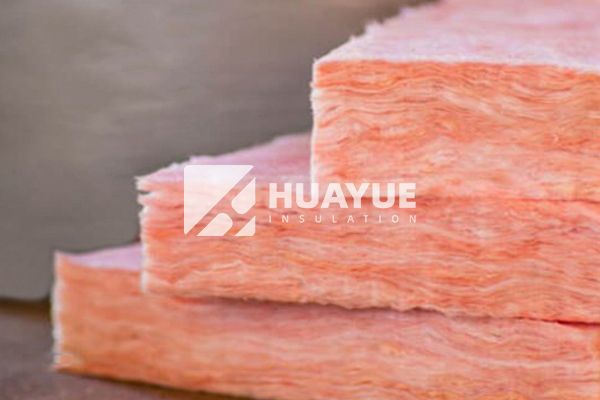
In one of my recent renovations, the architect suggested R13 for interior walls. I insisted on looking at the long-term benefits. R13 works for older houses, which often use 2×4 framing, and can keep initial costs low. But R19 fits modern walls and offers better energy savings. When comparing R13 and R19, remember that number means resistance to heat flow. R19 stops more cold in winter and keeps heat out in summer.
Here’s a simple breakdown:
| Comparison | R13 | R19 |
|---|---|---|
| Thickness | About 3.5 inches | About 6.25 inches |
| Best for | 2×4 wall framing | 2×6 wall/floor/ceiling |
| Energy savings | Lower | Higher |
| Soundproofing | Okay | Better |
| Initial cost | Cheaper | Slightly more |
R19 insulation costs more up front and requires deeper cavities, but if energy savings and comfort come first, it is usually the smarter pick.
Is R19 enough for an attic?
If you have ever opened your attic and seen thin insulation, you might wonder if adding an R19 roll is enough for warmth in extreme temperatures.
R19 alone is usually not enough for attics, especially in cold climates. Most attics need at least R30 to R49 to meet energy codes and prevent heat loss.
In my experience, customers often try to save money with thinner attic insulation. However, attics are the main barrier between your living space and the outdoors. Putting R19 in the attic may barely meet the minimum code in mild climates, but in most areas, it falls short. Heat rises, so an under-insulated attic lets it escape fast in winter and lets unwanted heat in during summer.
Let’s look at minimum recommended attic insulation by climate:
| Climate Zone | DOE Recommended R-Value | R19 Adequate? |
|---|---|---|
| Warm (South) | R30 | No |
| Mixed/Mild | R30-R38 | Borderline |
| Cold (North) | R38-R60 | Insufficient |
I once worked with a plant manager who thought adding R19 would cut costs, but energy bills stayed high. Upgrading to R38 made a dramatic difference. For attics, more is usually better.
Is R-19 insulation better than R-30?
It is tempting to think higher R-value is always better, but it really depends where you plan to use the insulation.
R30 insulation provides much greater thermal resistance than R19 and is better for attics and roofs. R19 is better for standard wall cavities where R30 will not fit.
Sometimes I get asked if installing R30 everywhere is worth the extra cost. For attics and roofs, R30 makes sense, especially in cold or temperate regions. However, R30 batts are thick, almost 10 inches, and do not fit in standard wall or floor framing. For example, in a 2×6 wall, you simply cannot fit R30 without furring the wall out, which is expensive and impractical. R19 fits instead and still gives reliable performance.
Here is how R19 and R30 compare:
| Insulation Rating | Typical Thickness | Use Case | Pros | Cons |
|---|---|---|---|---|
| R19 | 6.25 inches | Walls, floors | Versatile | Lower R-value |
| R30 | 9.5-10 inches | Attics, roofs | Top thermal | Too thick for many walls |
Even in some industrial projects, I have paired R19 in walls with R30 or even R38 in roofs to get the best value. The right insulation is not always the highest R-value, but the correct match for space and energy needs.
Conclusion
R19 roll insulation works well for walls and floors with enough cavity space. While not best for attics or highest energy savings, it balances cost, performance, and ease of installation.
You may also be interested in:

Ready to Get Started?
Get in touch with our experts for personalized solutions tailored to your needs.
Get Free QuoteLatest Articles
What is R19 Kraft Fiberglass Insulation Batt?
Mar 20, 2026

What is High Density Mineral Wool?
Mar 20, 2026

Is Glass Wool the Best Choice for Sound Insulation?
Mar 19, 2026

Let's Work Together
Ready to take your business to the next level? Get in touch with our team of experts and let's discuss how we can help you achieve your goals.
Get Free Solutions