








Rubber Foam Sheet
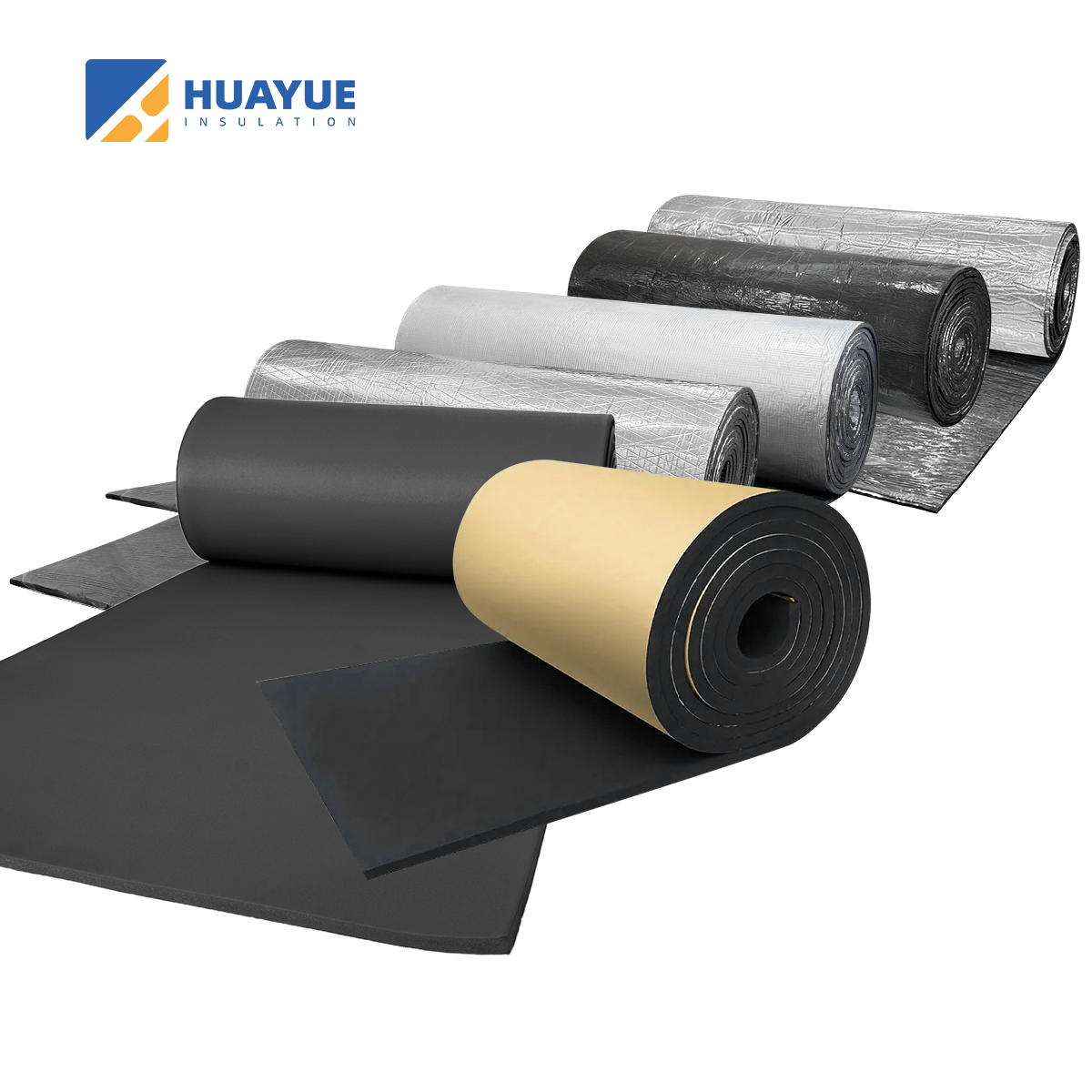
Rubber foam sheet insulation wraps ducts, tanks, and equipment surfaces with flexible, closed-cell elastomeric material for thermal insulation and condensation control. Temperature range typically from -40 °C to +105 °C, thicknesses from 6 mm to 50 mm, thermal conductivity around 0.034 to 0.040 W/m·K — confirm exact sheet dimensions and adhesive options by inquiry. Supplied from our own and partner factories — combined capacity up to 450,000 t/yr, with a one-container MOQ and LCL support.
- Closed-cell structure prevents condensation on cold duct and equipment surfaces — eliminating condensation drip, mold growth, and ceiling damage.
- Flexible material cuts and wraps on site — conforms to curved ducts, irregular equipment, and large-diameter vessels that rigid boards cannot follow.
- Integrated vapor resistance without a separate barrier — eliminates the vapor barrier failure at joints and overlaps that destroys fiber insulation on cold surfaces.
Quick Answer
Key questions buyers ask before sourcing this product.
What is it?
Flexible closed-cell rubber foam sheet for ducts, tanks, equipment surfaces, and condensation-control insulation options.
Best for?
HVAC ducts, cold surfaces, tanks, equipment, and sheet-applied thermal or condensation control.
Key advantage?
Closed-cell flexible sheet format supports vapor resistance and easy wrapping on suitable surfaces.
Options?
sheet thickness, roll or sheet size, facing, self-adhesive option, color or backing.
Next step?
Share application, sheet size, thickness, facing, quantity, destination, and document needs.
Problems This Product Solves
Common pain points this product is built to address.
Condensation on cold ducts and equipment causes dripping and mold growth.
Chilled water tanks, cold air ducts, and refrigerated equipment surfaces collect moisture from surrounding humid air. Without closed-cell insulation, condensation forms and drips — causing ceiling stains, mold growth, and damage to building finishes and equipment below.
Fiber insulation on cold surfaces fails when its vapor barrier degrades.
Glass wool and rock wool on cold surfaces depend on a separate vapor barrier to prevent moisture migration. Vapor barrier failure at overlaps, joints, and penetration points allows moisture into the insulation layer — permanently destroying thermal performance. Rubber foam's closed-cell structure eliminates this failure mode.
Rigid board insulation cannot follow curved ducts and equipment surfaces.
Rectangular ducts, curved tanks, and irregular equipment geometry force rigid insulation boards into poor contact — creating gaps, thermal bridges, and uninsulated areas. Flexible rubber foam sheet conforms to these surfaces without cutting waste or coverage gaps.
Contractors need one material that handles multiple HVAC surface types.
A single HVAC project may include flat ducts, curved tanks, large-diameter pipes, and equipment panels. Rubber foam sheet covers all these surfaces with one material — no separate products for each shape.
Engineered for Consistent Performance
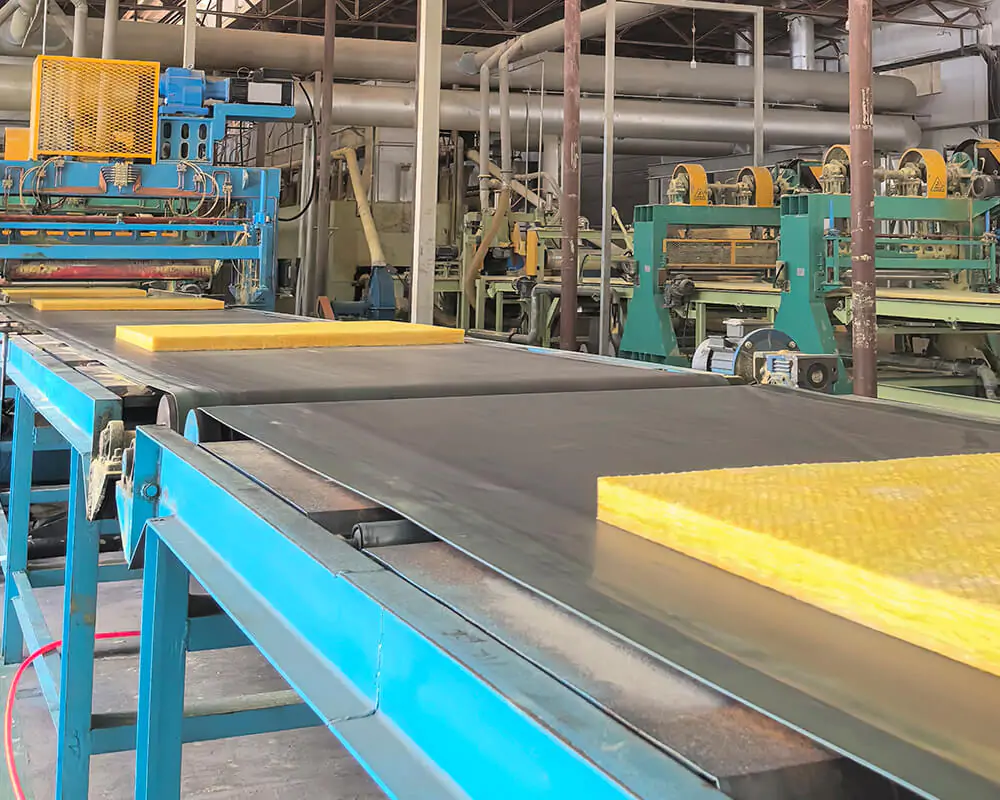
Every batch is produced under controlled conditions and verified against international standards, so what you specify is what you receive — project after project.
Product Benefits
What sets this product apart in real projects.
Defined product form
Helps buyers start from the right insulation option instead of comparing unrelated products.
Option flexibility
Facing, coating, color, size, density, or shape can be reviewed by application.
B2B sourcing fit
Suitable for project, distributor, contractor, or OEM inquiry workflows.
Quote-ready confirmation path
Turns uncertain specs into clear inquiry items for sales follow-up.
Related material routing
Helps compare against glass wool, rock wool, rubber foam, or cellular glass alternatives.
Packaging review by inquiry
Supports export, distributor, and project handling needs without fixed unsupported claims.
Best-Fit Applications
Rubber Foam Sheet is most useful when the product form matches the installation surface, handling requirement, and purchasing option.
HVAC duct insulation and condensation control
Closed-cell flexible sheet wraps rectangular and round ducts with built-in vapor barrier, preventing condensation drip in ceiling plenums.
Chilled water tank and vessel wrapping
Flexible sheet conforms to curved tank surfaces and provides thermal insulation with integrated moisture barrier for cold-service equipment.
Refrigeration equipment panels
Self-adhesive sheet bonds directly to equipment surfaces for quick, clean insulation of refrigeration cabinets, chillers, and cold rooms.
Air handling unit interior lining
Smooth closed-cell surface resists fiber release and moisture absorption inside AHU panels, maintaining indoor air quality.
Marine and offshore HVAC insulation
Moisture-resistant closed-cell rubber foam handles humid marine environments where fiber insulation would absorb water and lose performance.
Options & Variants
Choose the form that fits your application.
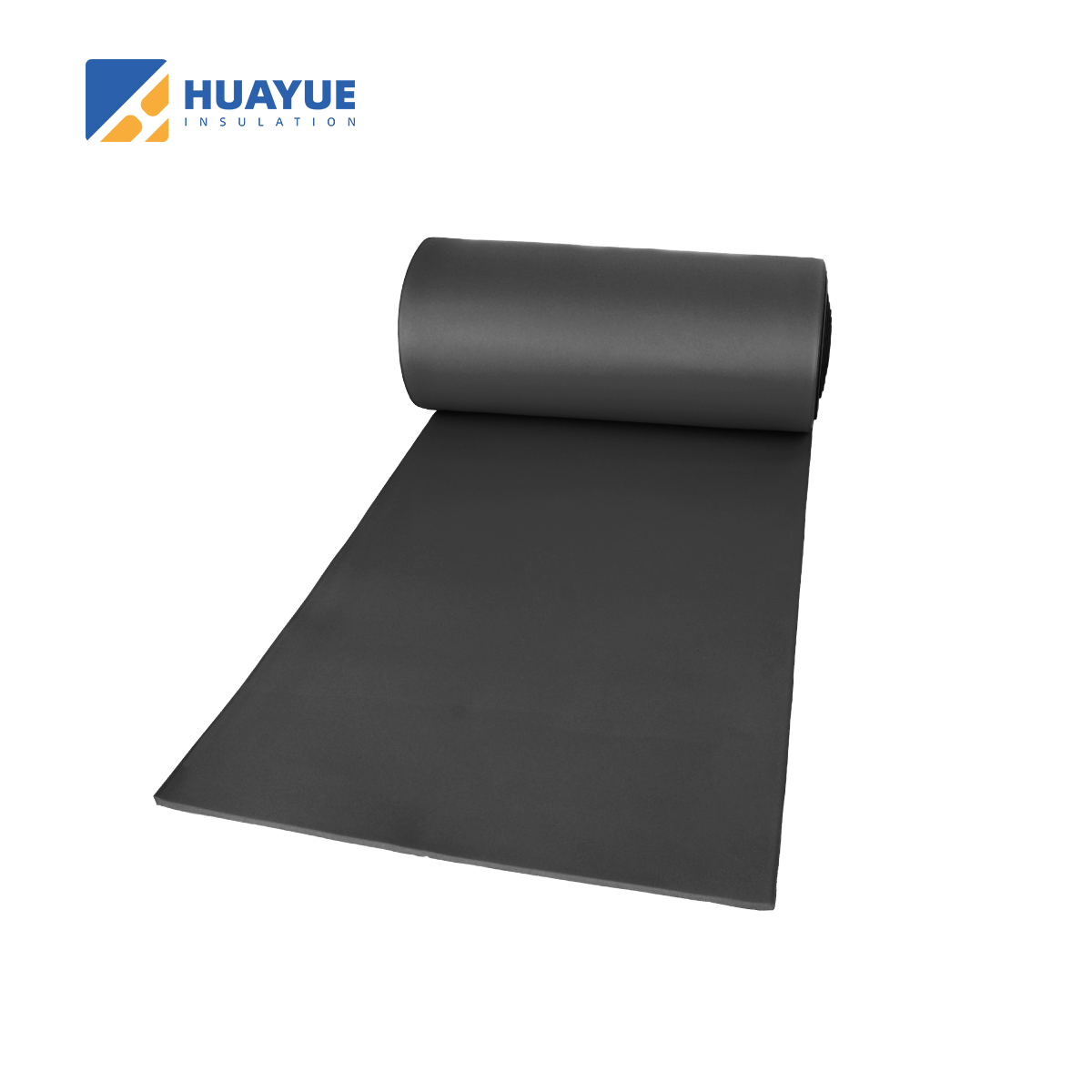
Plain Sheet
Plain closed-cell sheet — wrap ducts, tanks, and cold surfaces.
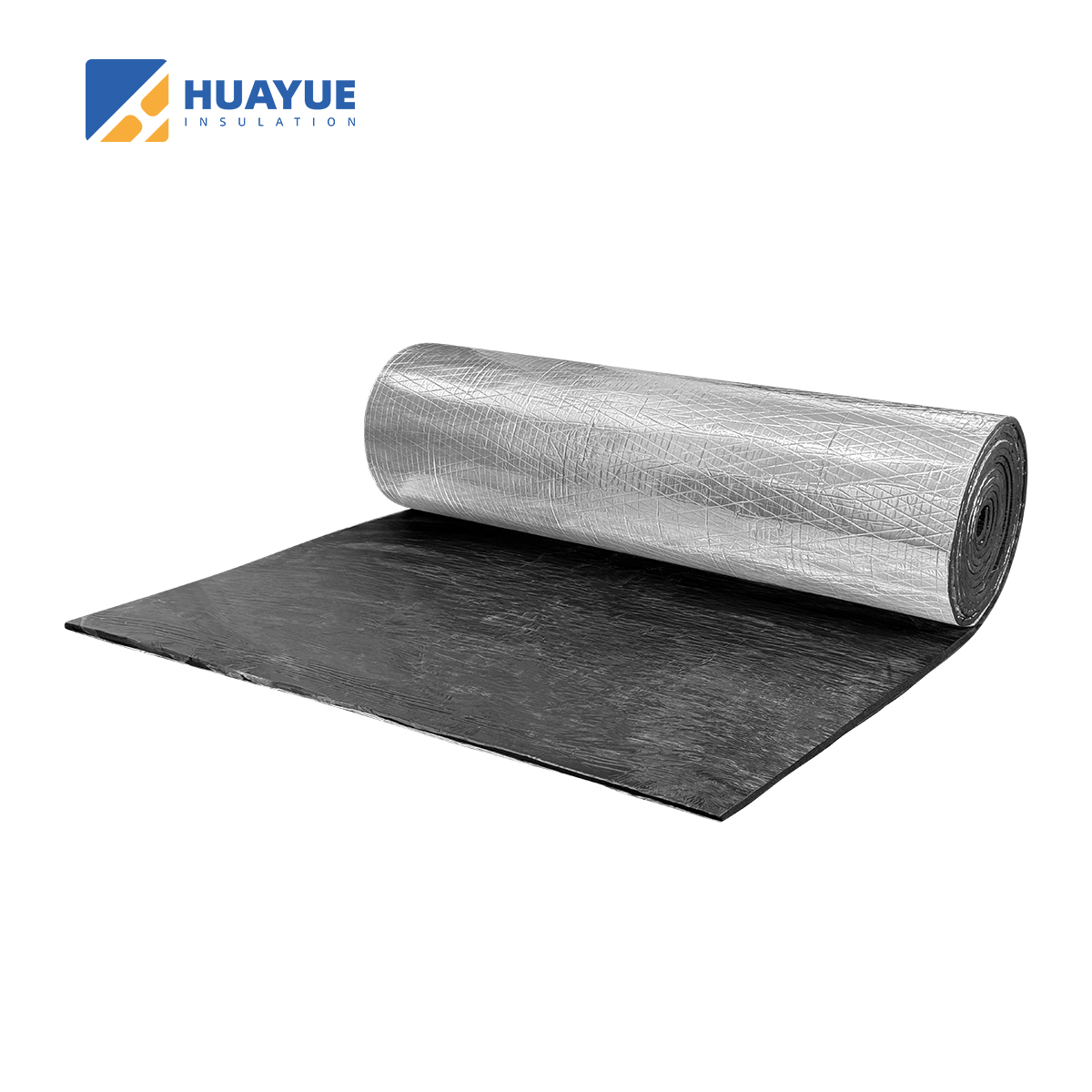
FSK Aluminum Foil Faced Sheet
FSK aluminum-foil facing for vapor control and a clean finish.
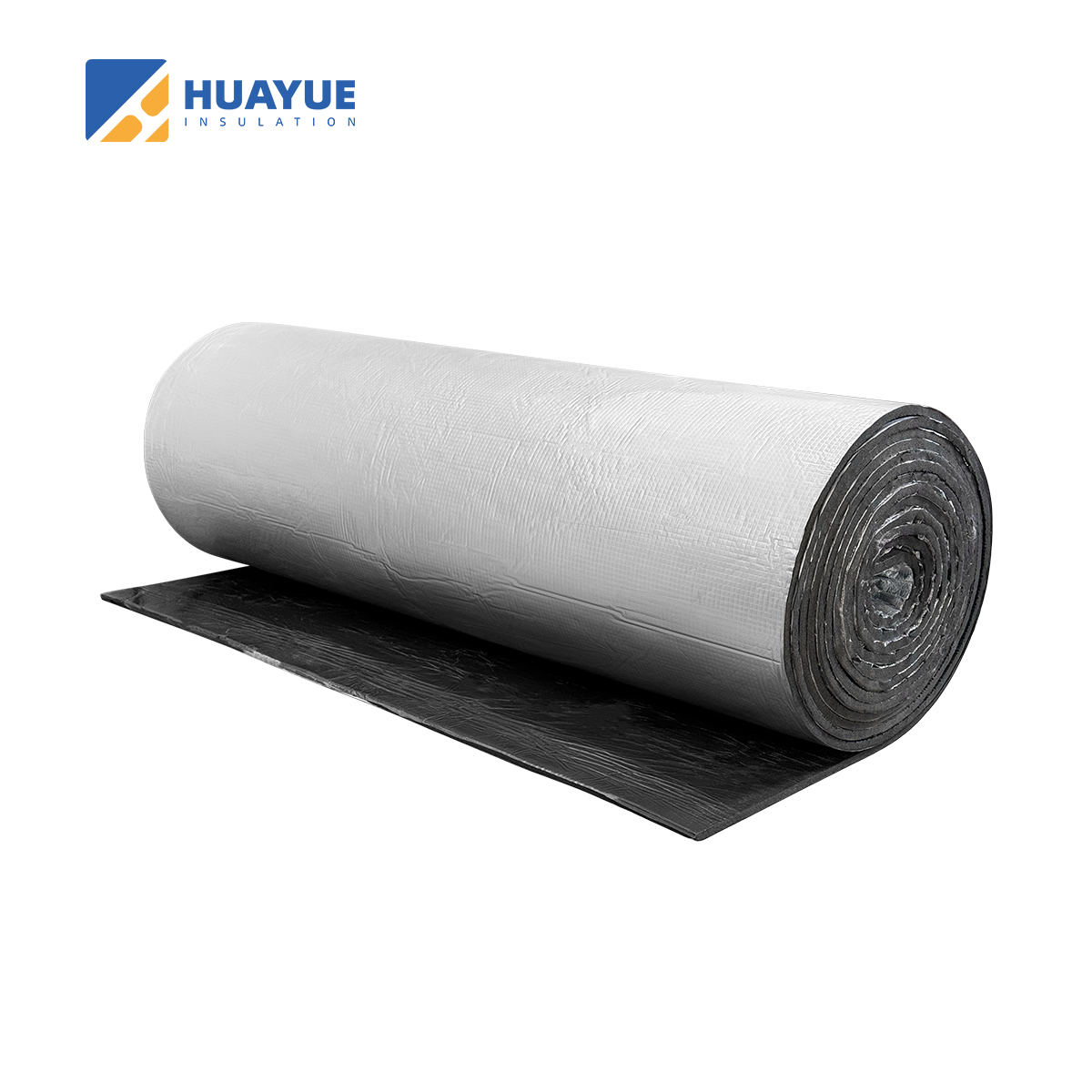
TM5×5 Alu Foil Faced Sheet
TM5×5 aluminum-foil facing for UV and surface protection.
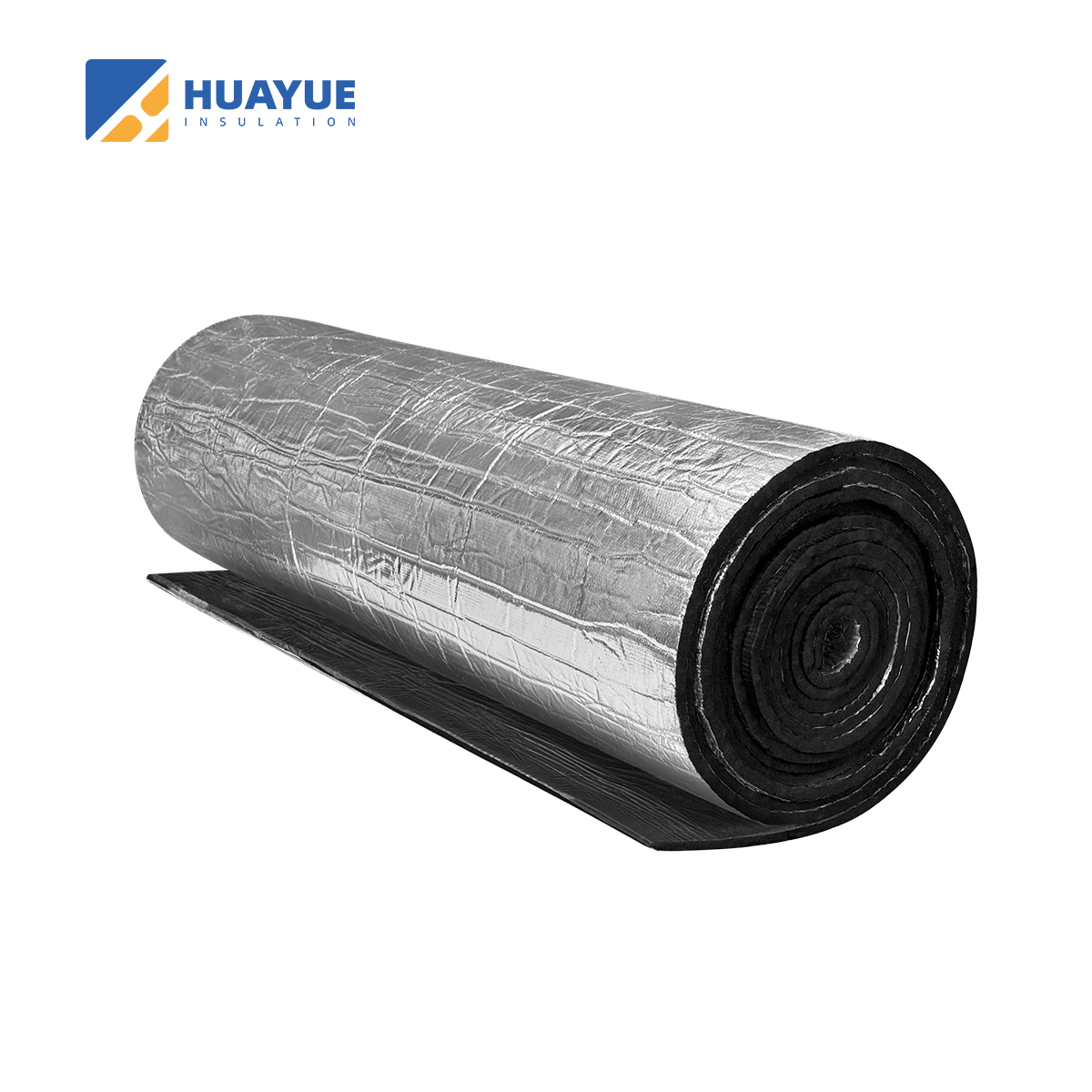
Aluminum Fiberglass Cloth Faced Sheet
Reinforced alu-fiberglass cloth facing for handling and protection.
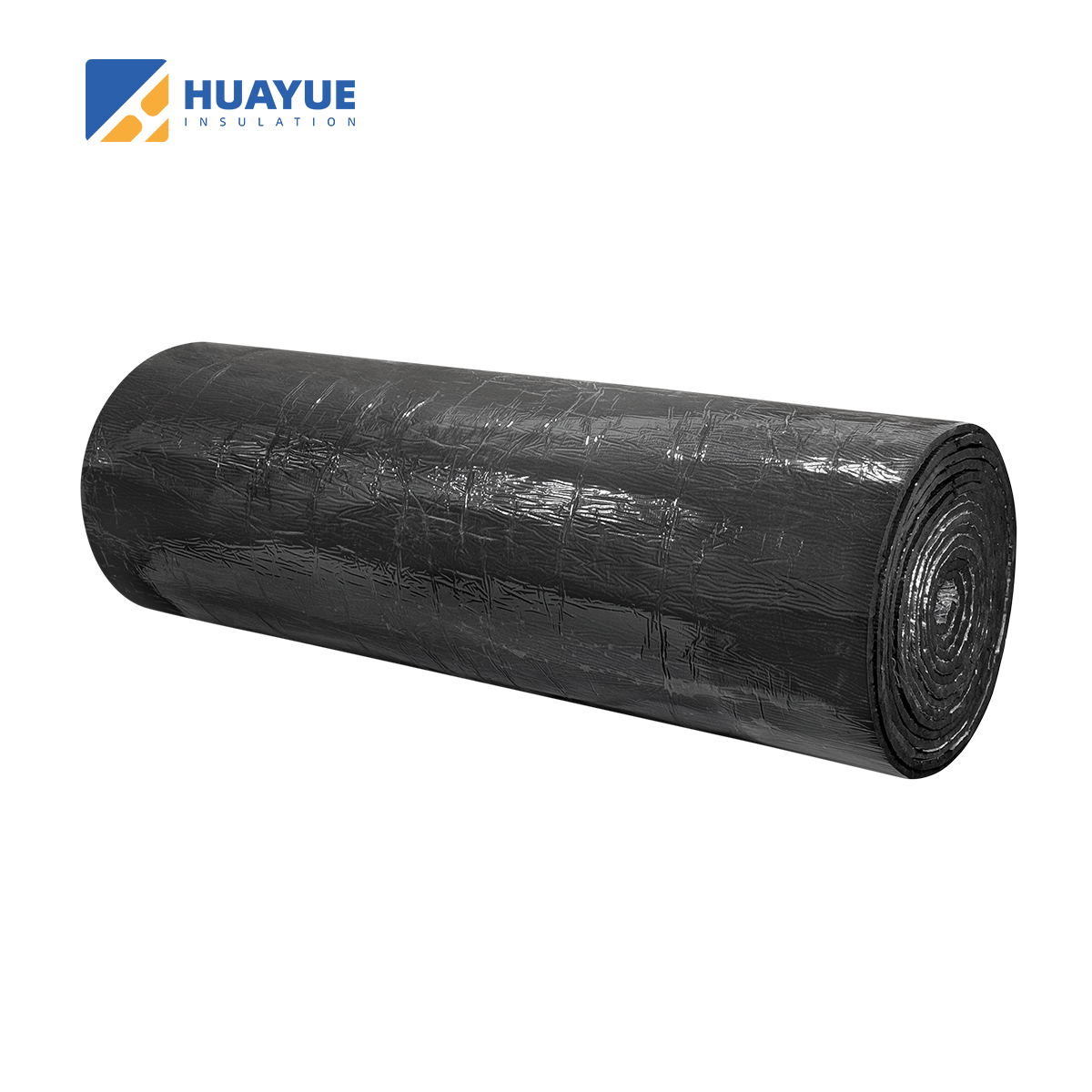
Self-Adhesive Sheet
Peel-and-stick backing for fast adhesion without separate glue.
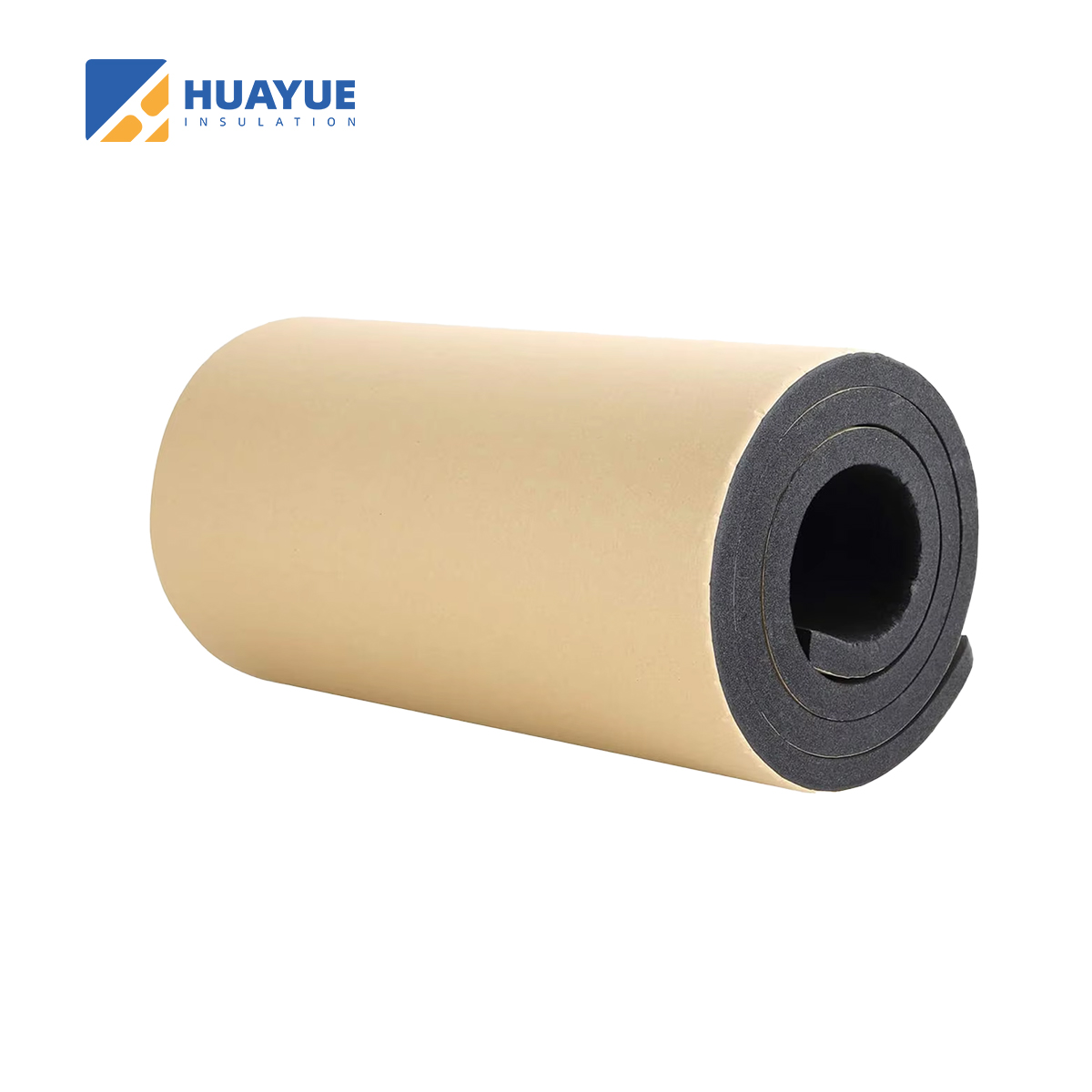
Kraft Paper Backed Sheet
Kraft-paper backing for easier handling and a finished surface.
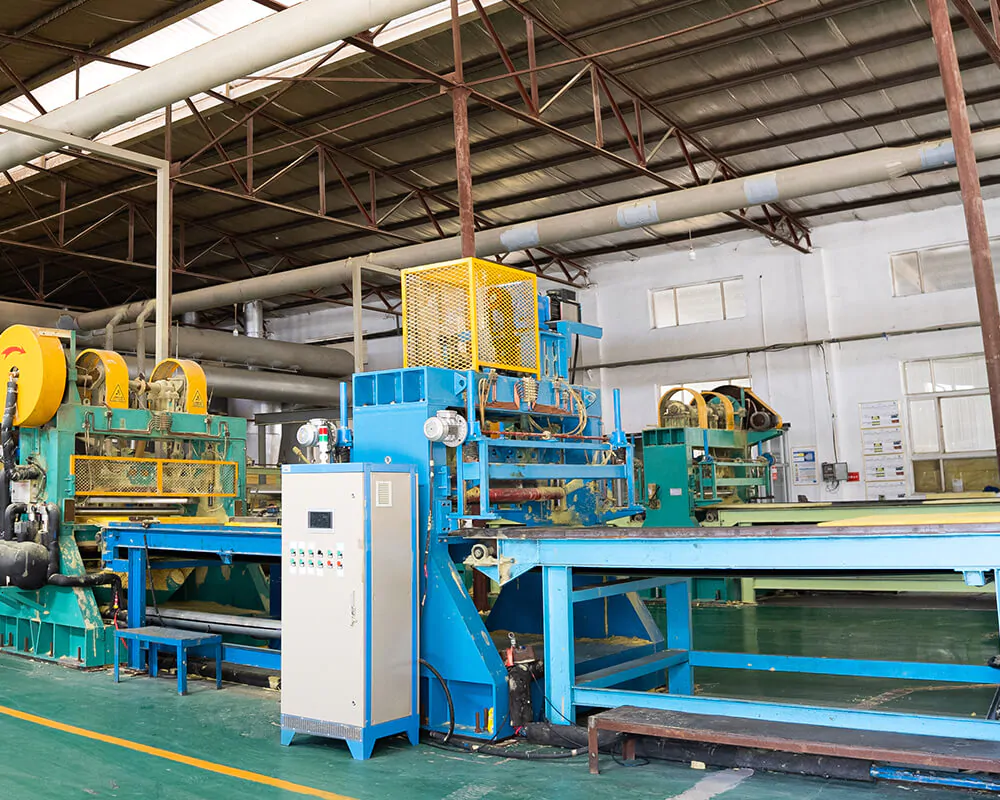
Why source Rubber Foam Sheet from SinoInsulation
- Own factory plus a vetted partner-factory network — combined annual capacity up to 450,000 tons.
- MOQ from one 20ft container; LCL and mixed-container (multi-material) orders supported.
- Samples before bulk orders; custom packaging, compression packing, and private-label / OEM labeling.
- ISO 9001 and CE held; ASTM and AS/NZS test reports available on request, matched to the selected product.
- One inquiry, multiple materials: combine rubber foam with glass wool, rock wool, or cellular glass in a single order.
When It's Not the Best Fit
Rubber Foam Sheet is not the best first choice for every insulation condition. Review the project before using rubber foam sheet when:
Selection Guide
Answer these to narrow down the right specification.
Is the primary concern condensation prevention or thermal insulation?
Rubber foam sheet excels at condensation control on cold surfaces. If thermal insulation at high temperatures is the priority, rock wool blanket or calcium silicate may be more appropriate.
Which size, thickness, density, or shape is required?
Helps define the quote-ready product option.
Is facing, coating, color, adhesive, or jacket required?
Determines the correct variant option.
Supply & Purchasing
SinoInsulation supports rubber foam sheet sourcing for HVAC, mechanical, and distributor programs.
Need datasheet or project documents?
Send your application and required product details. We can provide datasheet, packing information, and available supporting documents during quote review.
Quality & Market Certs
ISO 9001 quality system and CE marking held; ASTM and AS/NZS test reports available on request, matched to the selected product.
Product Datasheet
Get product data for the selected rubber foam sheet type and option.
Packing & Labeling Details
Confirm carton, pallet, compression pack, private label, or mixed-SKU packing options.
Frequently Asked Questions
Answers to common questions about this product.
Use sheet for flat surfaces — ducts, tanks, equipment panels, and large-diameter vessels. Use pipe/tube for round pipes where pre-formed tube fits the diameter directly.
Yes — for pipes too large for standard tube sizes, sheet can be wrapped and sealed around the circumference. This is common for large chilled water mains and industrial vessels.
No — rubber foam is closed-cell with integrated vapor resistance. This eliminates the need for a separate vapor barrier that other insulation materials require on cold surfaces.
Contact adhesive formulated for elastomeric foam is standard. Confirm adhesive type, application temperature, and curing requirements from the product or adhesive supplier.
Outdoor use requires protection from UV exposure. Confirm UV resistance rating or specify a protective jacket or coating for outdoor applications.
Request a Quote
Tell us the surface type, operating temperature, and installation conditions — we will recommend the right sheet thickness and adhesive option.