








Rock Wool Blow-in
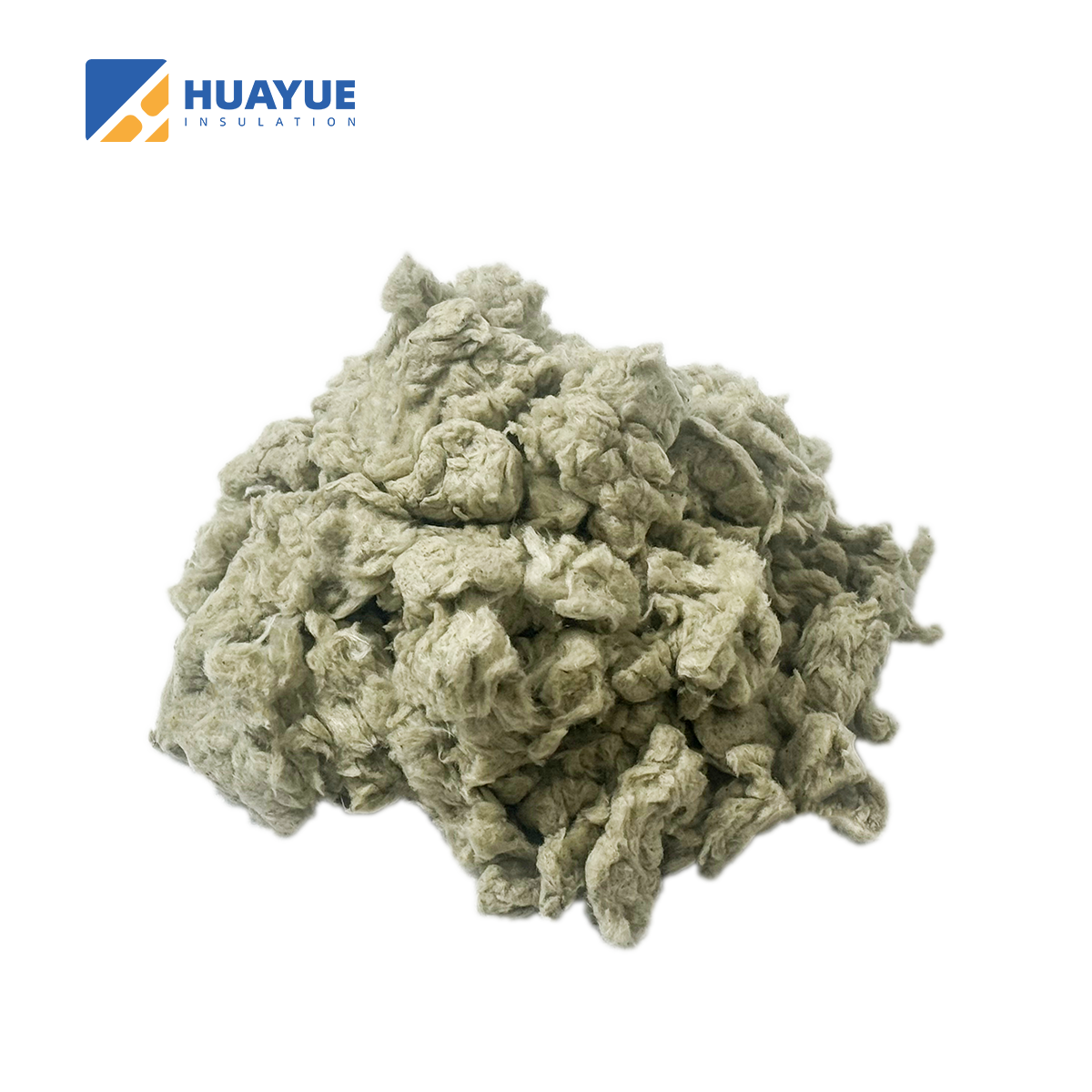
Rock wool blow-in insulation fills retrofit cavities, attic spaces, and enclosed building areas with dense mineral wool — providing heavier, acoustically superior cavity fill compared to glass wool blow-in with inherent non-combustible performance. Installed density typically from 30 to 70 kg/m³ with thermal conductivity around 0.035 to 0.045 W/m·K — confirm exact coverage data by inquiry. Supplied from our own and partner factories — combined capacity up to 450,000 t/yr, with a one-container MOQ and LCL support.
- Denser than glass wool blow-in — better acoustic fill and greater settling resistance in wall cavities and attic applications.
- Non-combustible mineral fiber without chemical fire-retardant additives — unlike cellulose blow-in which depends on chemical treatment for fire safety.
- Fills enclosed cavities through small access holes — reaches behind pipes, wiring, and blocking where pre-cut insulation cannot.
Quick Answer
Key questions buyers ask before sourcing this product.
What is it?
Loose-fill rock wool designed for blown or machine-applied installation into attics, cavities, and irregular voids.
Best for?
Attics, retrofit cavities, cavity fill, and machine-applied mineral wool insulation options.
Key advantage?
Loose-fill format fills irregular spaces while using rock wool mineral fiber characteristics.
Options?
loose-fill type, application, installation method, packing, document needs.
Next step?
Share application, installation method, area, packing, quantity, and document needs.
Problems This Product Solves
Common pain points this product is built to address.
Enclosed retrofit wall cavities cannot be insulated with batts without removing finishes.
Existing buildings with closed wall bays require insulation that can be injected through small access holes. Rock wool blow-in fills the entire cavity without demolition or surface removal.
Glass wool blow-in does not meet the acoustic density requirement.
Lighter glass wool loose-fill provides less mass per cavity volume, limiting low-frequency sound absorption in partition walls. Rock wool blow-in fills the same cavity at higher density for better acoustic performance.
Cellulose blow-in requires chemical fire-retardant treatment.
Cellulose insulation is treated with borate or ammonium sulfate to achieve fire resistance, which adds chemical processing and may raise indoor air quality concerns. Rock wool is inherently non-combustible without chemical additives.
Attic insulation depth is insufficient after years of settling and compression.
Existing attic insulation compresses and thins over time, reducing thermal performance below current energy code targets. Rock wool blow-in can be applied on top of existing insulation to restore depth and R-value.
Engineered for Consistent Performance
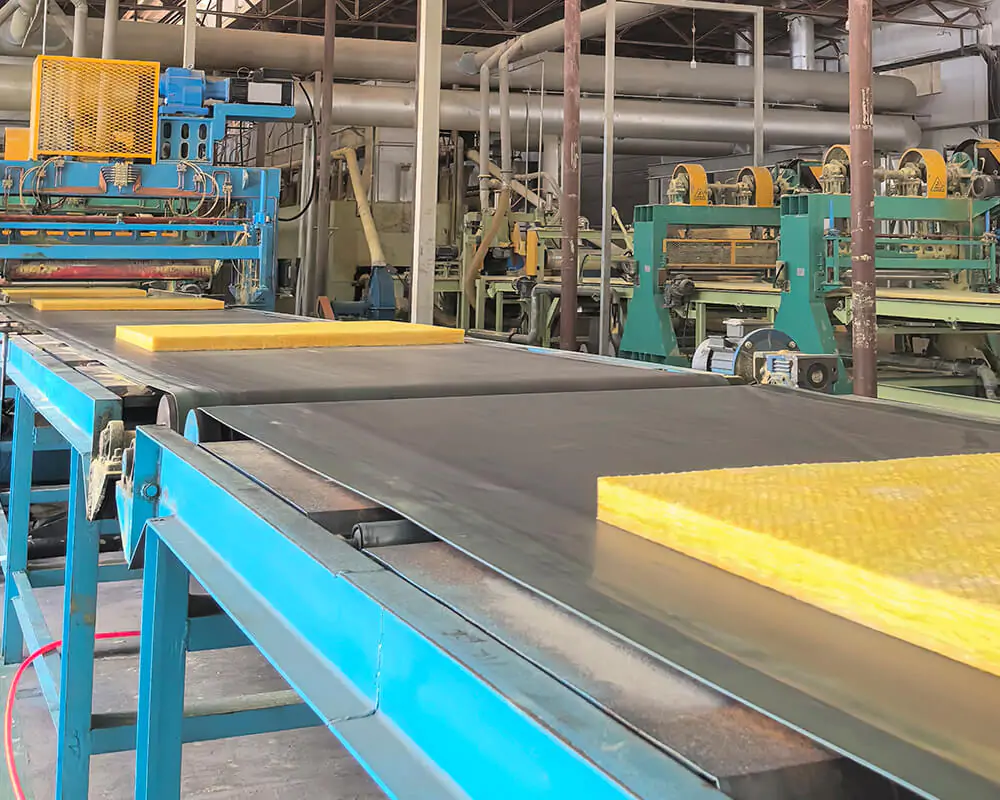
Every batch is produced under controlled conditions and verified against international standards, so what you specify is what you receive — project after project.
Product Benefits
What sets this product apart in real projects.
Defined product form
Helps buyers start from the right insulation option instead of comparing unrelated products.
Option flexibility
Facing, coating, color, size, density, or shape can be reviewed by application.
B2B sourcing fit
Suitable for project, distributor, contractor, or OEM inquiry workflows.
Quote-ready confirmation path
Turns uncertain specs into clear inquiry items for sales follow-up.
Related material routing
Helps compare against glass wool, rock wool, rubber foam, or cellular glass alternatives.
Packaging review by inquiry
Supports export, distributor, and project handling needs without fixed unsupported claims.
Best-Fit Applications
Rock Wool Blow-in is most useful when the product form matches the installation surface, handling requirement, and purchasing option.
Retrofit enclosed wall cavities
Dense-pack rock wool fills existing wall bays through small injection holes without removing interior or exterior finishes.
Attic floor insulation (top-up)
Non-combustible loose-fill adds thermal and acoustic depth on top of existing attic insulation without fire-retardant chemical treatment.
Fire-rated wall and floor assemblies
Non-combustible mineral wool fill meets fire resistance requirements in timber-frame and steel-frame wall assemblies.
Acoustic cavity fill in partitions
Higher density than glass wool blow-in provides better low-frequency sound absorption in wall and ceiling cavities.
Irregular cavities around penetrations
Blown mineral wool fills gaps around pipes, wiring, and structural members that pre-cut batts cannot reach.
Why source Rock Wool Blow-in from SinoInsulation
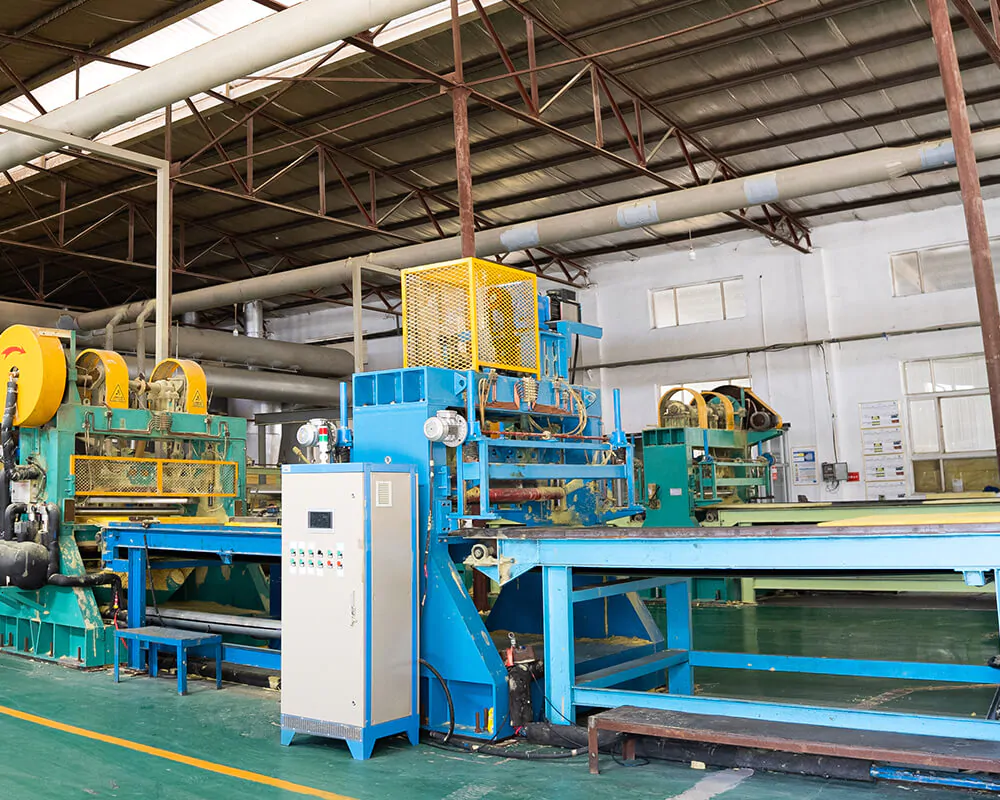
- Own factory plus a vetted partner-factory network — combined annual capacity up to 450,000 tons.
- MOQ from one 20ft container; LCL and mixed-container (multi-material) orders supported.
- Samples before bulk orders; custom packaging, compression packing, and private-label / OEM labeling.
- ISO 9001 and CE held; ASTM and AS/NZS test reports available on request, matched to the selected product.
- One inquiry, multiple materials: combine rock wool with glass wool, rubber foam, or cellular glass in a single order.
When It's Not the Best Fit
Rock Wool Blow-in is not the best first choice for every insulation condition. Review the project before using rock wool blow-in when:
Selection Guide
Answer these to narrow down the right specification.
Is the cavity enclosed (retrofit) or open and accessible?
If the cavity is accessible, rock wool batt is faster and more predictable. Blow-in is justified when cavities are enclosed and cannot be opened.
Which size, thickness, density, or shape is required?
Helps define the quote-ready product option.
Is facing, coating, color, adhesive, or jacket required?
Determines the correct variant option.
Supply & Purchasing
SinoInsulation supports rock wool blow-in sourcing for retrofit, contractor, and distributor programs.
Need datasheet or project documents?
Send your application and required product details. We can provide datasheet, packing information, and available supporting documents during quote review.
Quality & Market Certs
ISO 9001 quality system and CE marking held; ASTM and AS/NZS test reports available on request, matched to the selected product.
Product Datasheet
Get product data for the selected rock wool blow-in type and option.
Packing & Labeling Details
Confirm carton, pallet, compression pack, private label, or mixed-SKU packing options.
Frequently Asked Questions
Answers to common questions about this product.
Rock wool blow-in is denser, providing better acoustic fill and settling resistance. Both are non-combustible mineral fiber. Choose rock wool when density and acoustic performance matter.
No. Blow-in is loose-fill material installed by blowing equipment. Batt is pre-cut insulation placed by hand into open cavities. They serve different installation scenarios.
Settling behavior depends on product grade, installed density, and installation method. Confirm settling data from the product datasheet and follow local installation standards.
Rock wool blow-in requires blowing equipment and trained installation. This product is positioned for professional contractors and installers.
Request a Quote
Tell us the application area and performance target — we will confirm product availability, coverage guidance, and installation specifications.