








Rock Wool Blanket
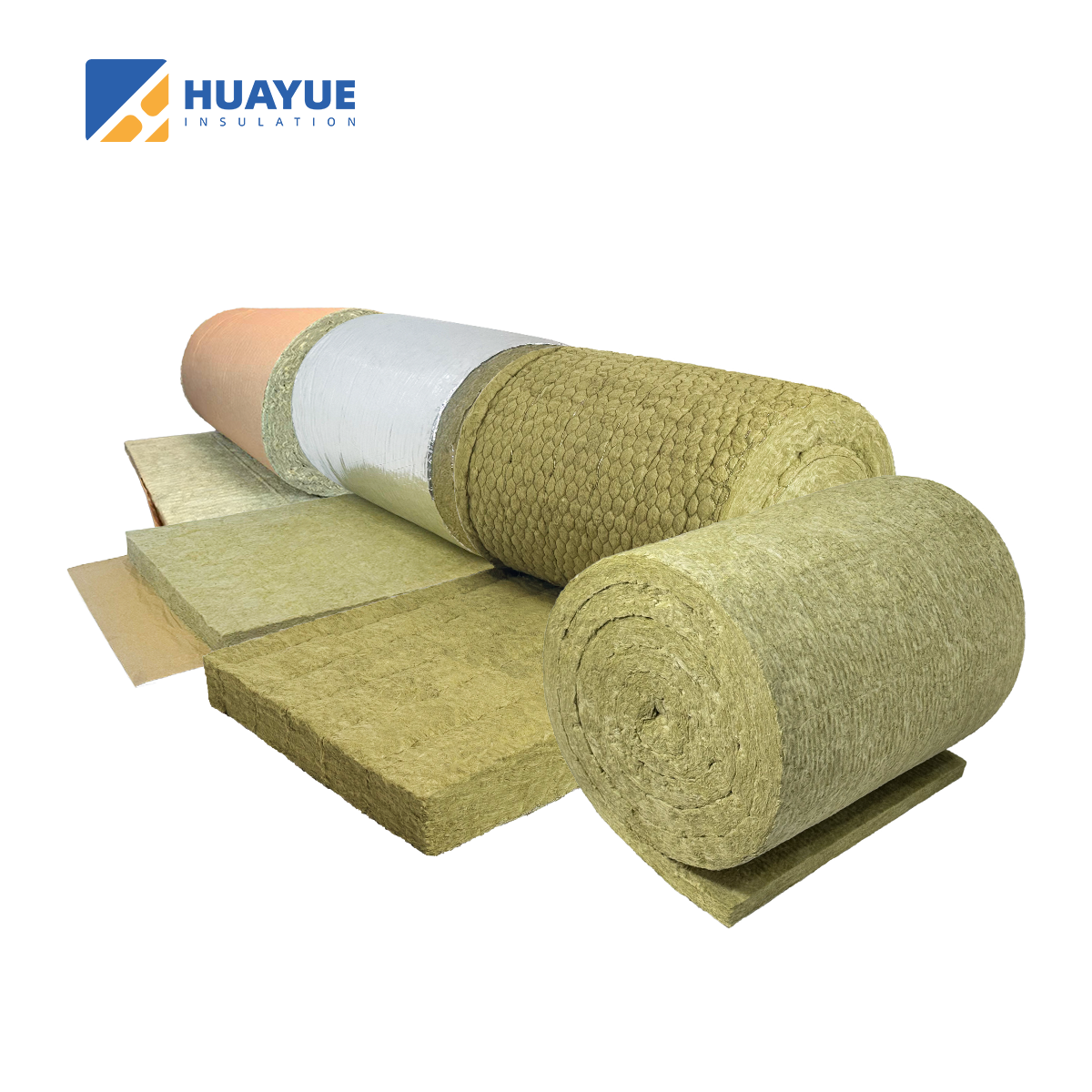
Rock wool blanket insulation wraps large surfaces, industrial equipment, tanks, and ductwork with continuous mineral wool coverage. Service temperature up to 650 °C for wired mats, density from 40 to 150 kg/m³, with thermal conductivity from 0.033 to 0.045 W/m·K — confirm exact temperature rating and facing options by inquiry. Supplied from our own and partner factories — combined capacity up to 450,000 t/yr, with a one-container MOQ and LCL support.
- Flexible mineral wool wraps tanks, vessels, and equipment with fewer joints than rigid board — reducing thermal bridges and installation time.
- Higher temperature tolerance than glass wool blanket — handles industrial equipment surfaces beyond glass wool's service range.
- Wired or stitched formats provide built-in mechanical retention on vertical and overhead surfaces where unfaced blanket would fall.
Quick Answer
Key questions buyers ask before sourcing this product.
What is it?
Flexible rock wool insulation supplied as blankets or mats for broad surfaces, equipment, and industrial insulation options.
Best for?
Industrial equipment, tanks, ducts, large-area surfaces, and building routes needing mineral wool blanket format.
Key advantage?
Blanket format covers large or irregular surfaces while offering rock wool density and temperature-option advantages.
Options?
blanket size, thickness, density, facing or wire mesh, stitching option.
Next step?
Share surface type, blanket size, facing or mesh, quantity, destination, and document needs.
Problems This Product Solves
Common pain points this product is built to address.
Covering irregular equipment without excessive joints.
Tanks, boilers, and process equipment have complex geometries that rigid boards cannot follow without many cuts and joints. Rock wool blanket wraps around irregular shapes with fewer seams and less waste.
Maintaining insulation continuity on vibrating equipment.
Rigid insulation can crack or loosen on equipment that vibrates during operation. Flexible blanket formats — especially stitched or wire mesh reinforced — maintain contact and coverage under vibration.
Large surface areas need fast coverage.
Insulating long metal building walls, roof decks, or large duct runs one board at a time is slow. Roll-format blanket covers large areas quickly with fewer joints.
Outdoor equipment cycling through temperature changes.
Equipment that heats and cools repeatedly stresses rigid insulation joints. Flexible blanket accommodates thermal expansion and contraction without opening gaps.
Engineered for Consistent Performance
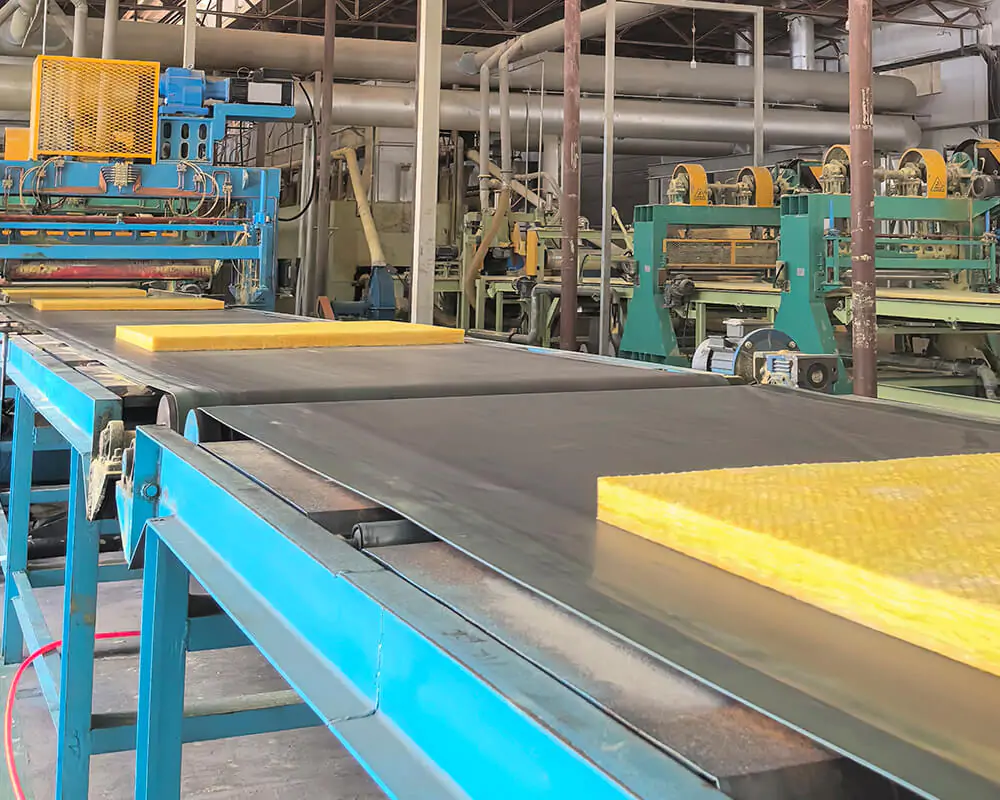
Every batch is produced under controlled conditions and verified against international standards, so what you specify is what you receive — project after project.
Product Benefits
What sets this product apart in real projects.
Roll format for large-area coverage
Faster installation with fewer joints on long runs, roofs, and equipment surfaces.
Flexible — conforms to curved and irregular surfaces
Wraps tanks, ducts, and equipment without cutting to shape.
Wire mesh reinforcement option
Mechanical retention at high temperature; stays in place on vertical and overhead surfaces.
Stitched construction option
Maintains integrity on vibrating equipment; resists insulation pull-apart.
Higher density and temperature range than glass wool
Suits industrial equipment, exhaust ducts, and process applications above glass wool limits.
Non-combustible mineral fiber
Supports fire-safety requirements without additional treatment.
Compression packaging
Reduces freight volume; recovers to full thickness after unpacking.
Best-Fit Applications
Industrial tank and vessel wrap
Flexible blanket conforms to curved surfaces; wire mesh option for high-temperature retention.
Large-area duct insulation
Roll coverage minimizes joints on long duct runs.
Metal building wall cavities
Fills between purlins and girts for thermal and acoustic performance.
Boiler and equipment wrap
Wraps irregular equipment shapes with fewer cuts than rigid board.
Continuous roof insulation under metal deck
Rolls out across roof area for fast, low-joint coverage.
Options & Variants
Choose the form that fits your application.
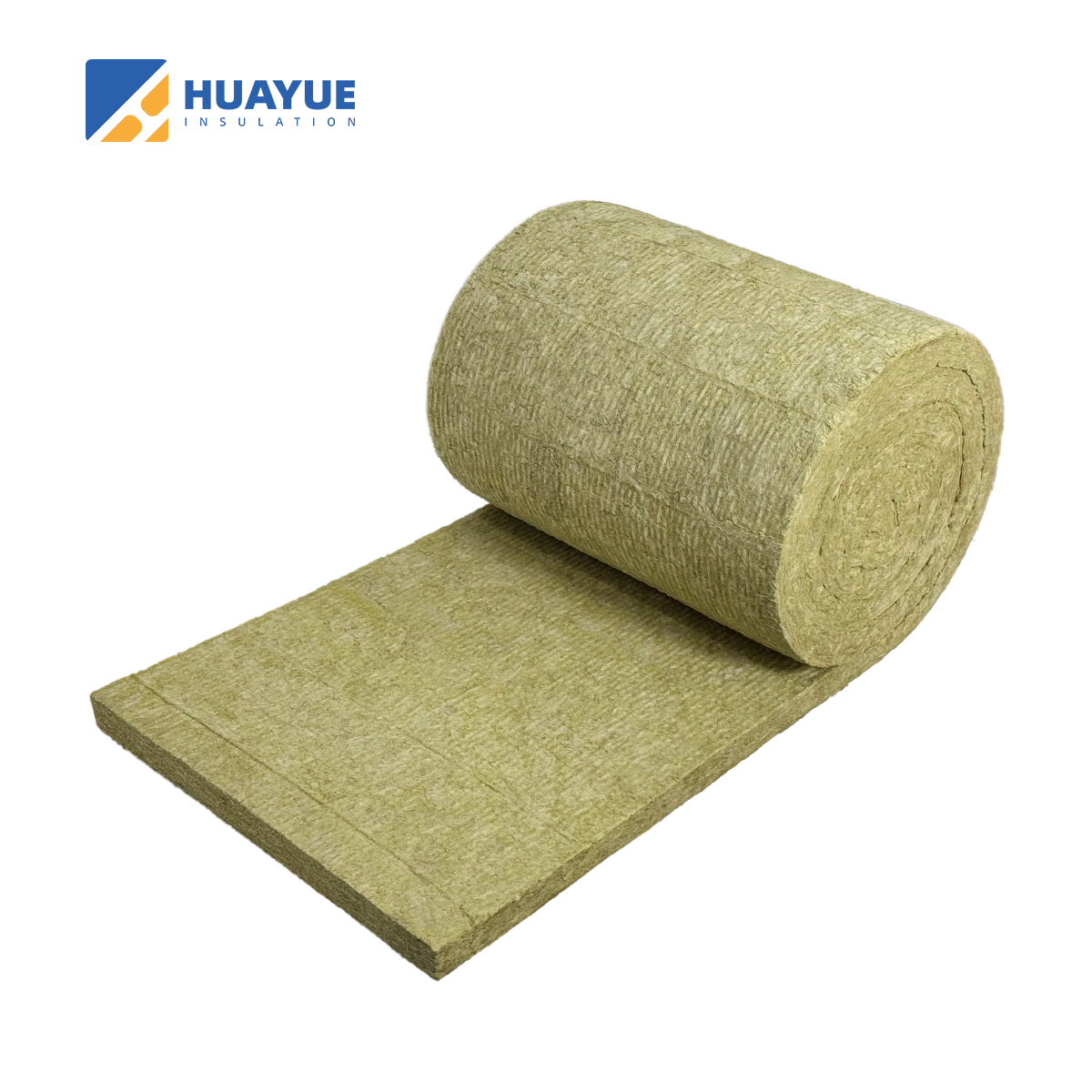
Unfaced Blanket
Bare wrap — for use under a separate jacket or cladding.
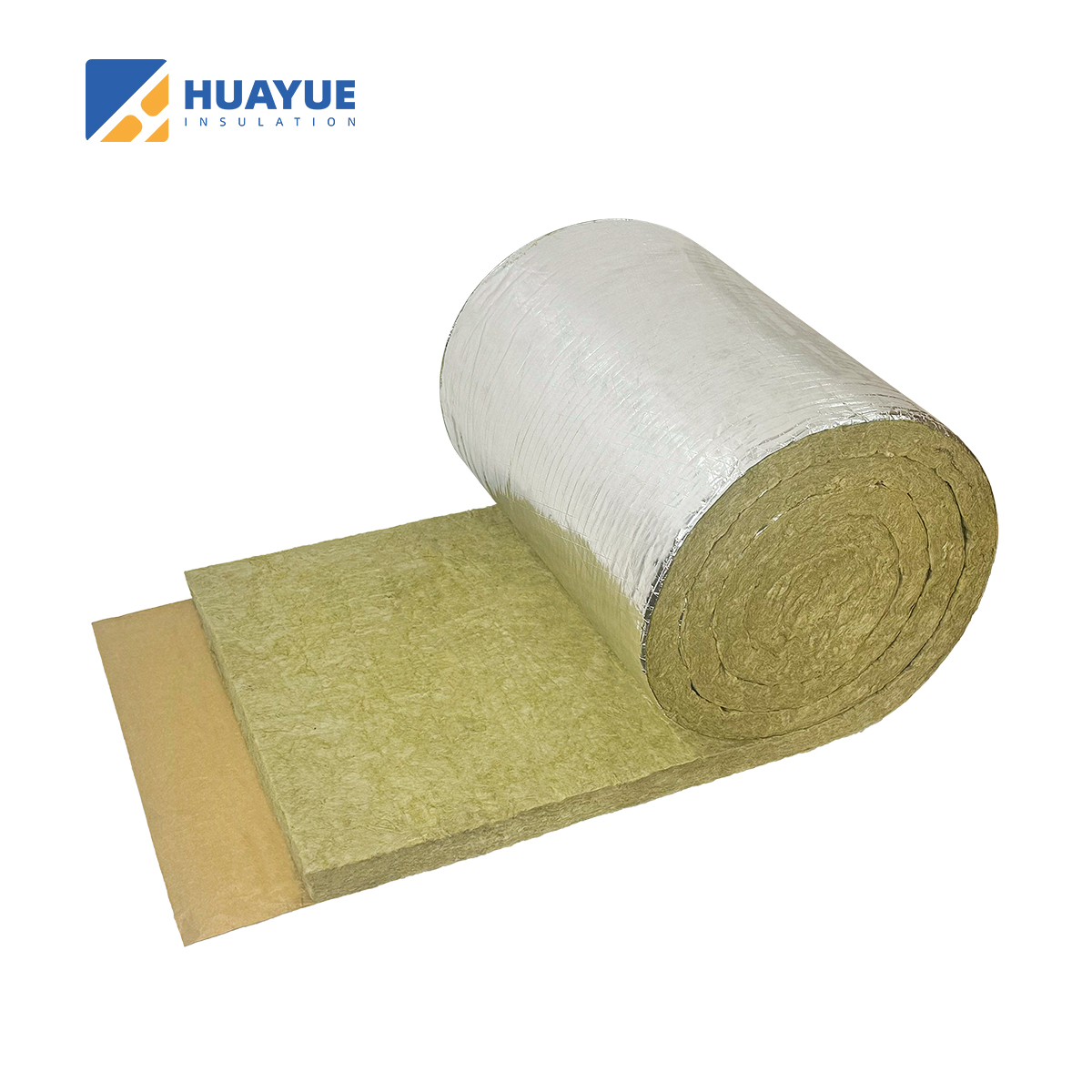
Foil Faced Blanket
Foil facing — vapor barrier, heat reflection, weather protection.
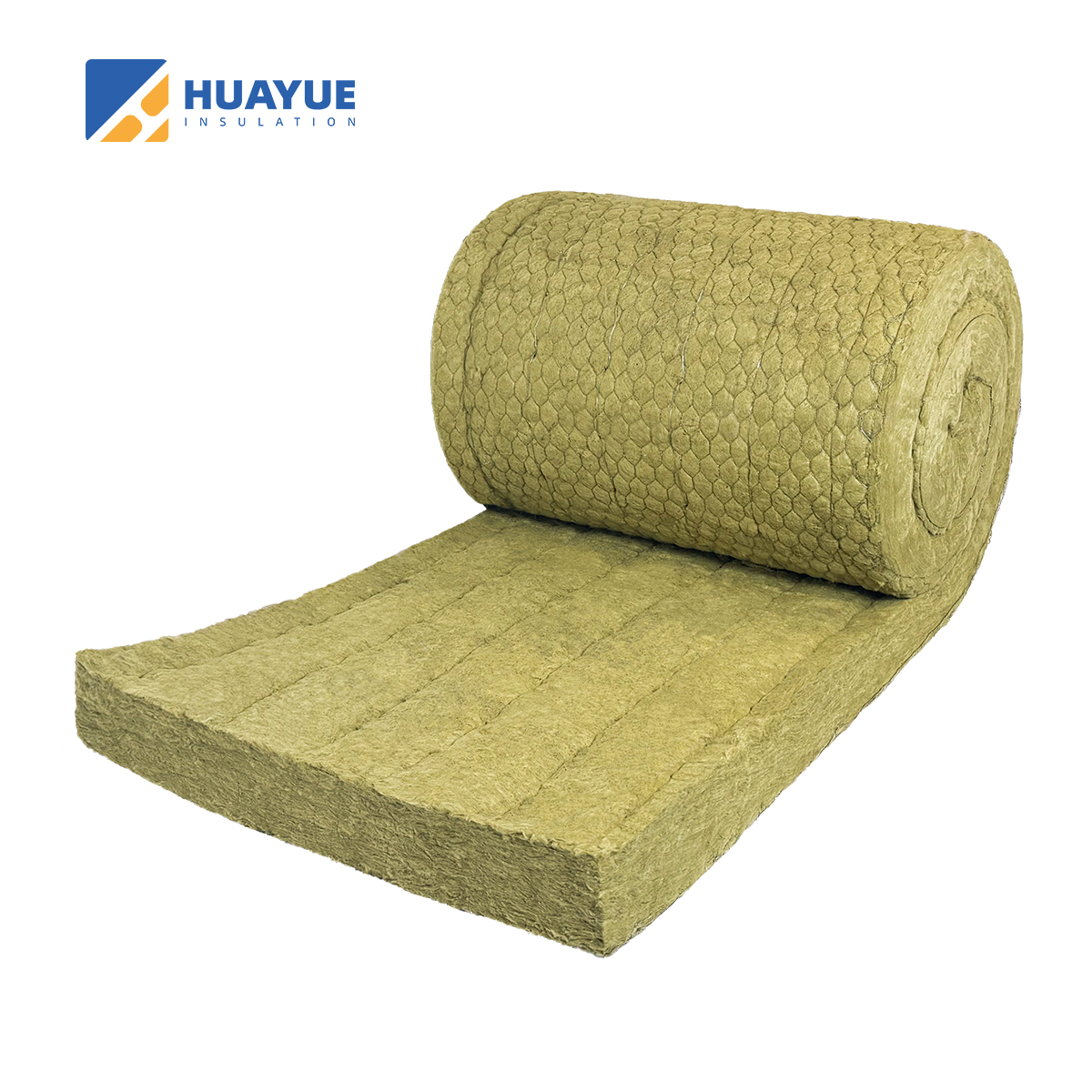
Wire Mesh Faced Rock Wool Blanket
Wire-mesh facing for mechanical retention on hot equipment.
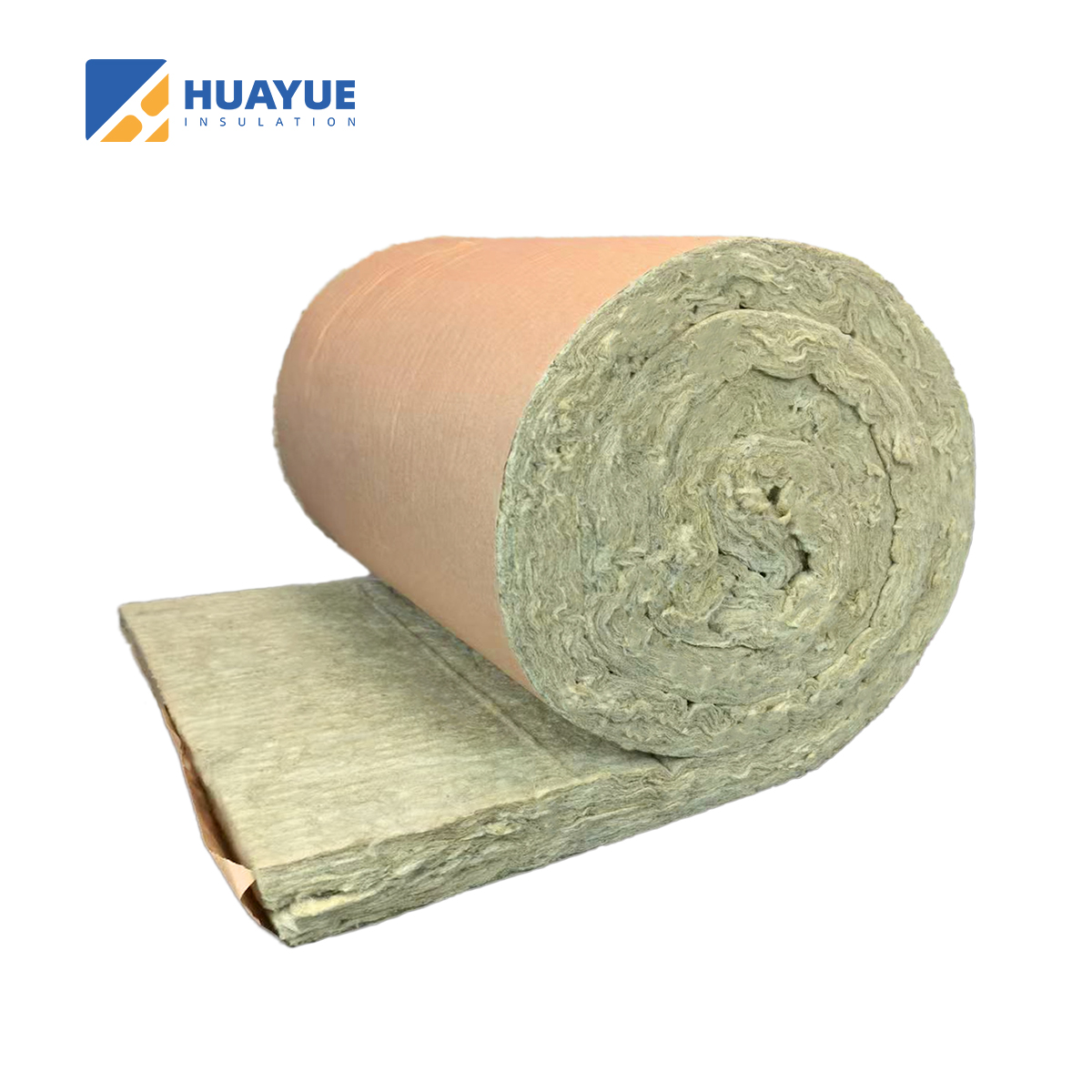
Kraft Faced Rock Wool Blanket
Kraft-paper facing offered as a requested facing option.
Why source Rock Wool Blanket from SinoInsulation
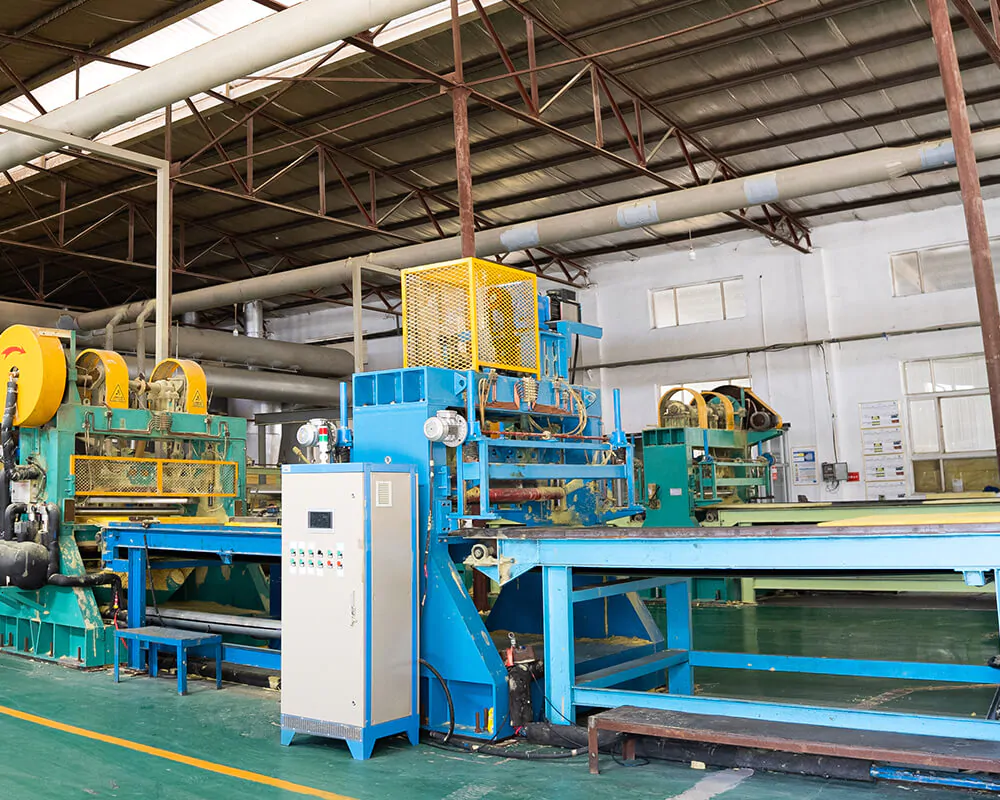
- Own factory plus a vetted partner-factory network — combined annual capacity up to 450,000 tons.
- MOQ from one 20ft container; LCL and mixed-container (multi-material) orders supported.
- Samples before bulk orders; custom packaging, compression packing, and private-label / OEM labeling.
- ISO 9001 and CE held; ASTM and AS/NZS test reports available on request, matched to the selected product.
- One inquiry, multiple materials: combine rock wool with glass wool, rubber foam, or cellular glass in a single order.
When It's Not the Best Fit
Rock wool blanket is not the best first choice for every insulation condition. Review the project before using blanket when:
Selection Guide
Answer these to narrow down the right specification.
Is the surface large, curved, or irregular (tank, vessel, equipment)?
Rock wool blanket is designed for large continuous surfaces and equipment wrapping. For framed cavities, use batt; for flat panels, use board.
Which size, thickness, density, or shape is required?
Helps define the quote-ready product option.
Is facing, coating, color, adhesive, or jacket required?
Determines the correct variant option.
Supply & Purchasing
SinoInsulation supports rock wool blanket sourcing for industrial, construction, and distributor programs.
Need datasheet or project documents?
Send your application and required product details. We can provide datasheet, packing information, and available supporting documents during quote review.
Quality & Market Certs
ISO 9001 quality system and CE marking held; ASTM and AS/NZS test reports available on request, matched to the selected product.
Product Datasheet
Get product data for the selected rock wool blanket type and option.
Packing & Labeling Details
Confirm carton, pallet, compression pack, private label, or mixed-SKU packing options.
Frequently Asked Questions
Answers to common questions about this product.
Use blanket for curved surfaces, large areas, tank wrapping, and locations where flexible material is easier to install. Use board when the project needs rigid panels, compressive strength, or clean flat edges.
Not always. The need for wire mesh depends on the tank's temperature, diameter, orientation, wind exposure, and maintenance access. Confirm the retention method for each installation.
Rock wool blanket needs metal jacketing or weather protection for outdoor installations. Confirm the full system — insulation plus jacketing — before specification.
Service temperature depends on the specific product and facing. Confirm from the datasheet before specifying for high-temperature service.
Provide surface type, operating temperature, insulation thickness target, facing or mesh requirement, quantity, drawings if available, and destination country.
Request a Quote
Tell us the surface, temperature, and coverage area — we will recommend the right blanket format, facing, and retention method.