








Glass Wool Pipe
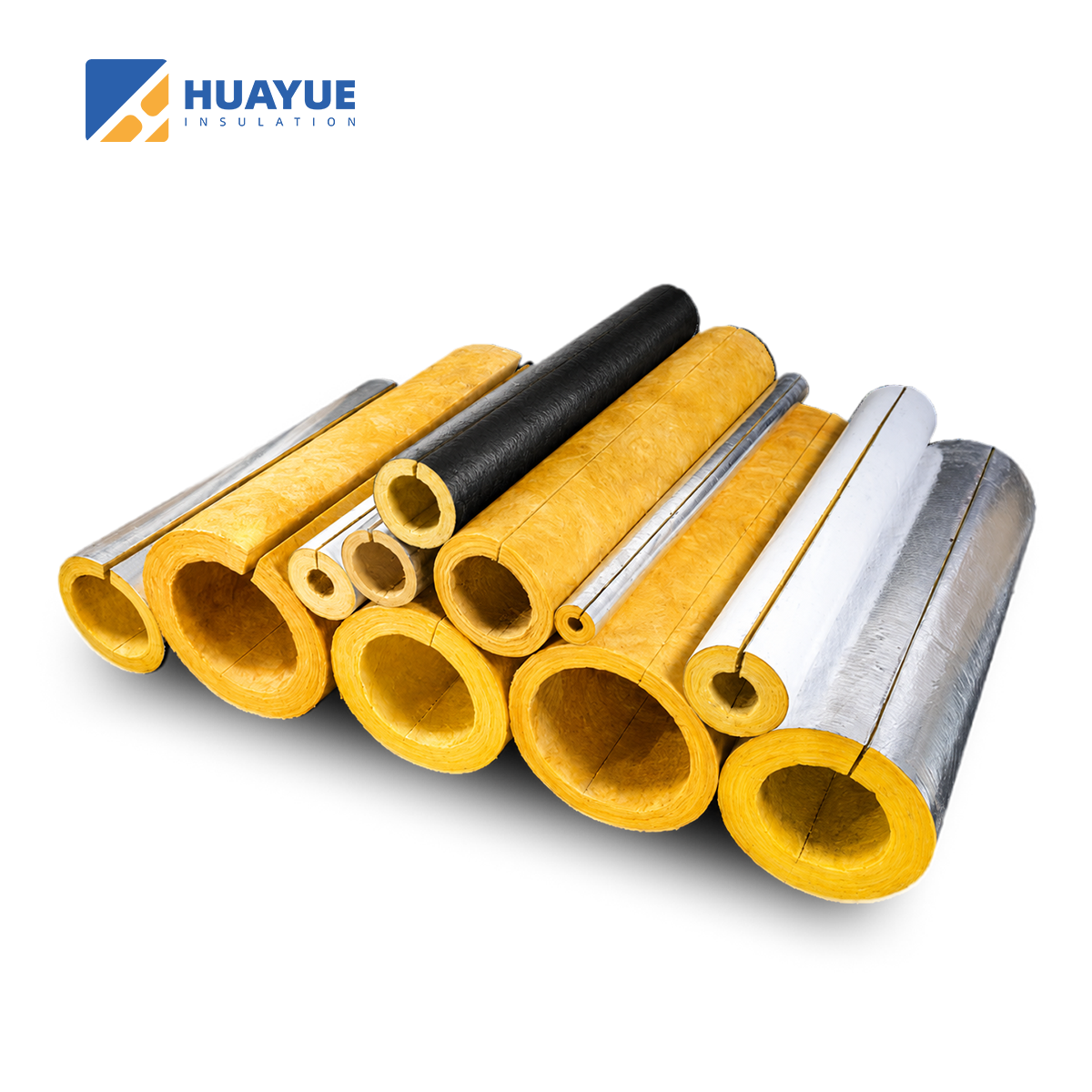
Glass wool pipe insulation provides lightweight, preformed pipe sections for HVAC, plumbing, and industrial piping systems. Available for pipe diameters from DN 15 to DN 250, wall thicknesses from 20 mm to 80 mm, with service temperature up to 250 °C and thermal conductivity from 0.032 to 0.040 W/m·K — confirm exact pipe schedule and facing options by inquiry. Supplied from our own and partner factories — combined capacity up to 450,000 t/yr, with a one-container MOQ and LCL support.
- Preformed sections snap around pipes in one step — no measuring, cutting, or wrapping flat material around each pipe diameter.
- Lighter than rock wool pipe sections — reduces installer fatigue and speeds installation on large pipe programs.
- Available with foil facing for vapor control on moderate cold-service piping where condensation risk is managed with facing rather than closed-cell material.
Quick Answer
Key questions buyers ask before sourcing this product.
What is it?
Pre-formed glass wool pipe sections designed to wrap round pipes and mechanical lines with consistent insulation coverage.
Best for?
Hot water lines, HVAC piping, mechanical rooms, and service pipes where mineral fiber pipe insulation is suitable.
Key advantage?
Pre-formed pipe shape gives faster installation and more consistent coverage than wrapping flat insulation around round pipes.
Options?
pipe diameter, wall thickness, length, facing or jacket, cut or slit style.
Next step?
Share pipe size, wall thickness, facing or jacket, quantity, destination, and document needs.
Problems This Product Solves
Common pain points this product is built to address.
Wrapping flat insulation around pipes wastes labor and creates gaps.
Cutting and shaping blanket or sheet material to cover round pipe surfaces is slow, inconsistent, and leaves joints that break vapor and thermal continuity. Pre-formed glass wool pipe sections eliminate wrapping and provide uniform coverage.
Wrong pipe diameter selection means costly reordering.
If the pipe section inner diameter does not match the pipe outer diameter, the insulation sits loose or cannot close properly. Specifying the correct pipe OD before ordering prevents fit problems and project delays.
Condensation risk on cold piping needs correct facing selection.
Chilled water lines and refrigerant piping can form condensation when insulation facing does not provide adequate vapor resistance. Selecting the right facing — foil, ASJ, or SSL — helps manage moisture at the insulation surface.
Multiple pipe sizes on one project need coordinated supply.
Mechanical rooms and process facilities often have many different pipe diameters. Sourcing all pipe section sizes together reduces split shipments and simplifies project scheduling.
Engineered for Consistent Performance
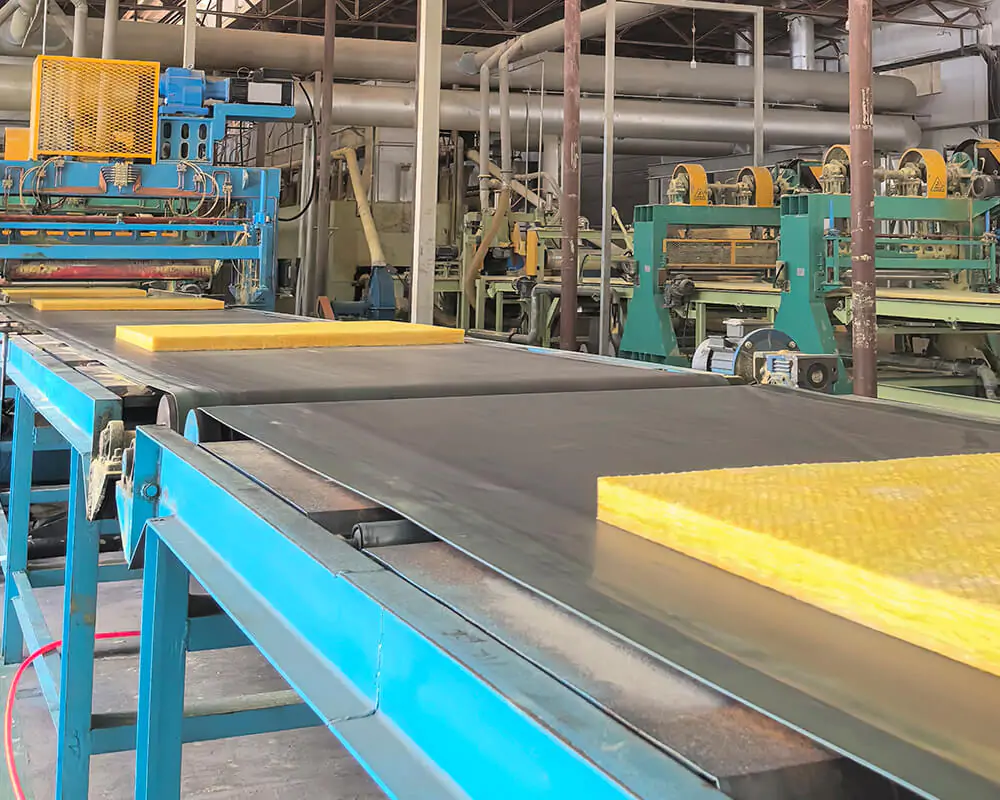
Every batch is produced under controlled conditions and verified against international standards, so what you specify is what you receive — project after project.
Product Benefits
What sets this product apart in real projects.
Pre-formed pipe shape
Faster installation and more consistent coverage than wrapping flat insulation around pipes.
Pre-slit option
Snap-on installation for retrofit or maintenance without removing the pipe from service.
Consistent wall thickness
Uniform thermal performance around the full pipe circumference.
Facing options (foil, ASJ, SSL)
Vapor control and finished appearance matched to the project specification.
Range of pipe outer diameters
Covers most common pipe sizes with minimal custom cutting.
Lightweight glass fiber
Easier overhead installation in mechanical rooms; less fatigue on large pipe runs.
Compression packaging
Reduces freight volume for export; product recovers to full dimensions after unpacking.
Best-Fit Applications
Hot water distribution lines
Pre-formed sections provide consistent thermal coverage on standard pipe sizes.
HVAC piping in mechanical rooms
Lightweight and easy to handle overhead; multiple diameters available for mixed pipe layouts.
Chilled water lines
Faced options support condensation control on cold-service piping.
Process piping (moderate temperature)
Glass wool pipe suits service temperatures within its rated range.
Distributor stock
Standard pipe ODs and facings support contractor supply programs.
Options & Variants
Choose the form that fits your application.
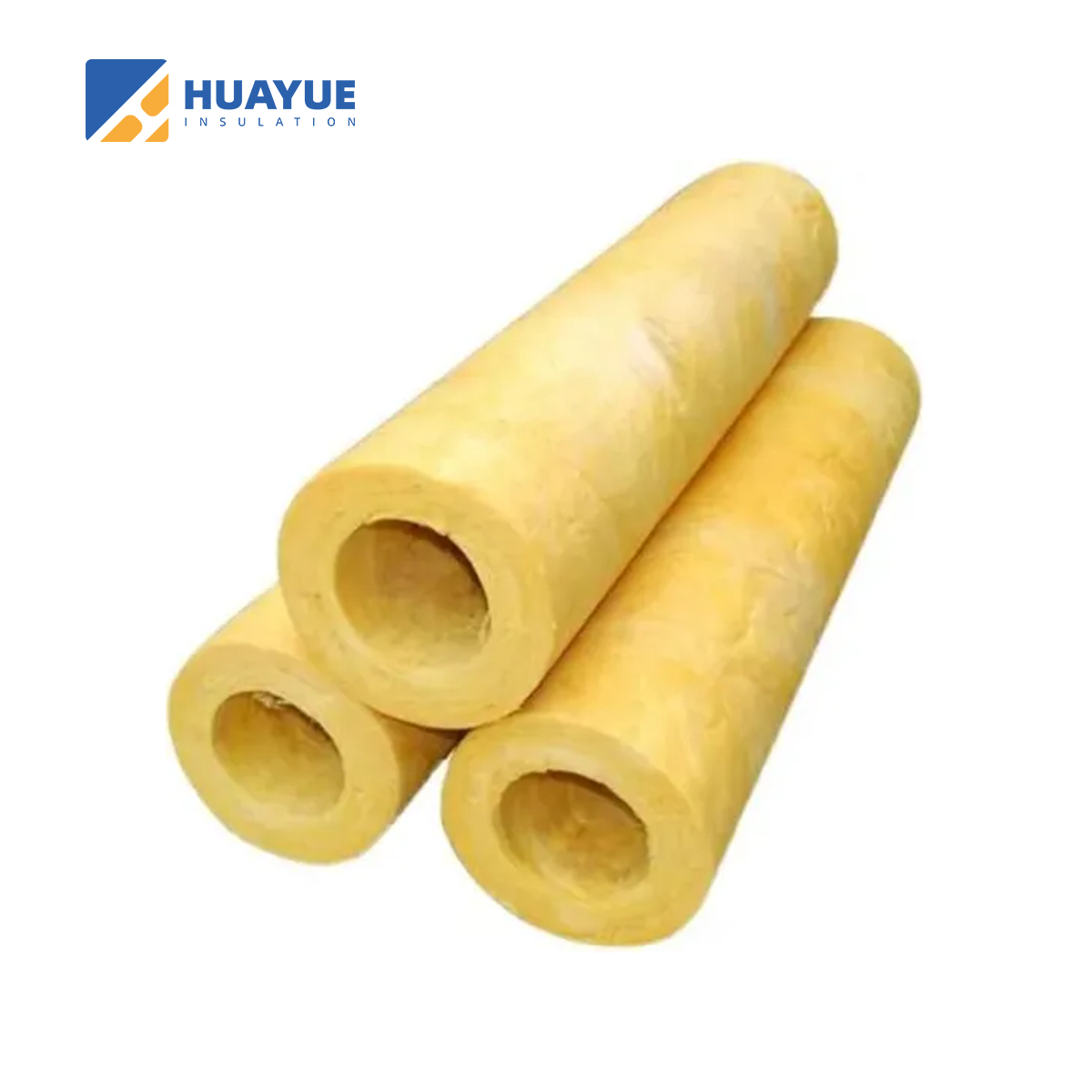
Unfaced Pipe Section
Bare pipe section — for use under a separate jacket.
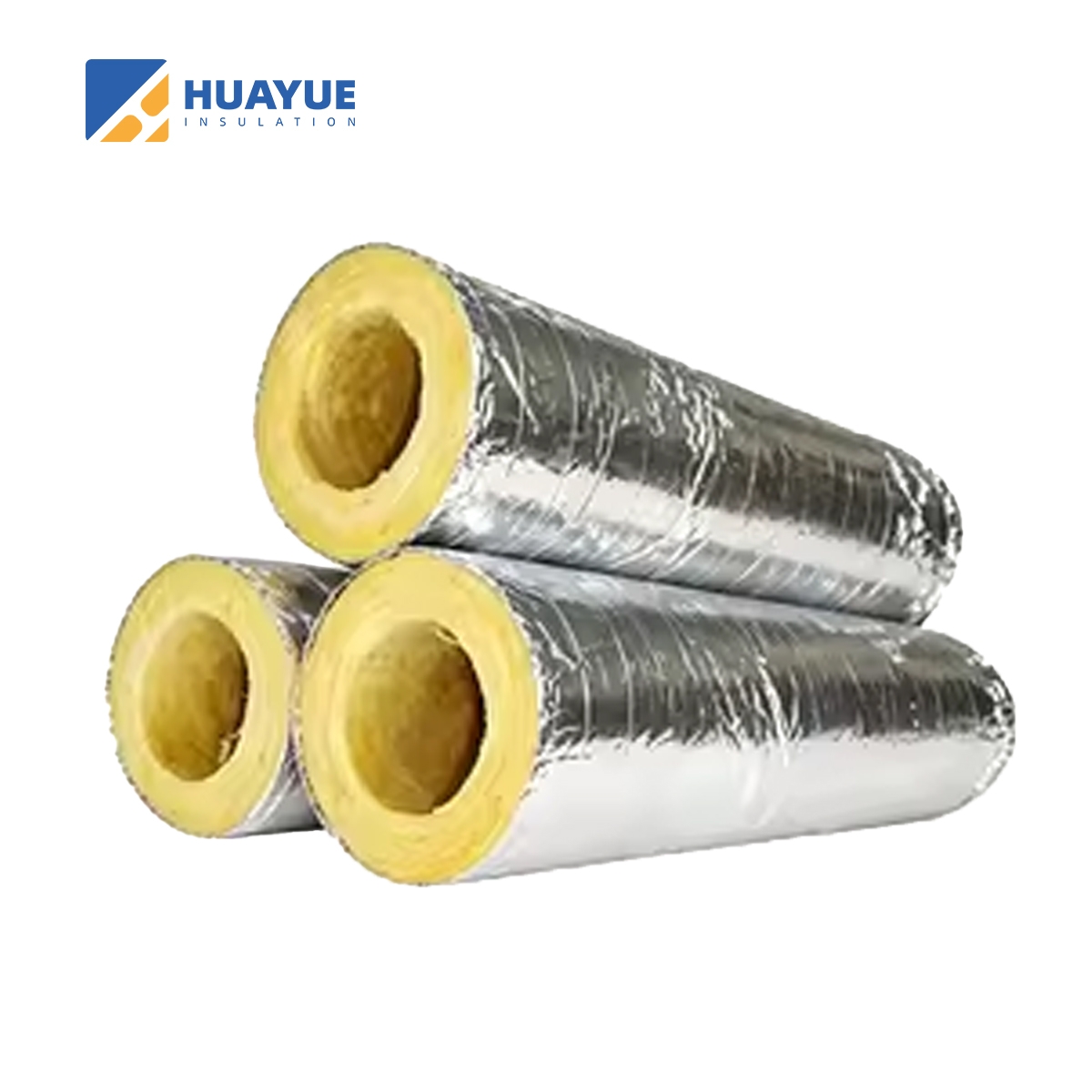
Foil Faced Pipe Section
Foil facing — vapor resistance and clean finish, no jacket.
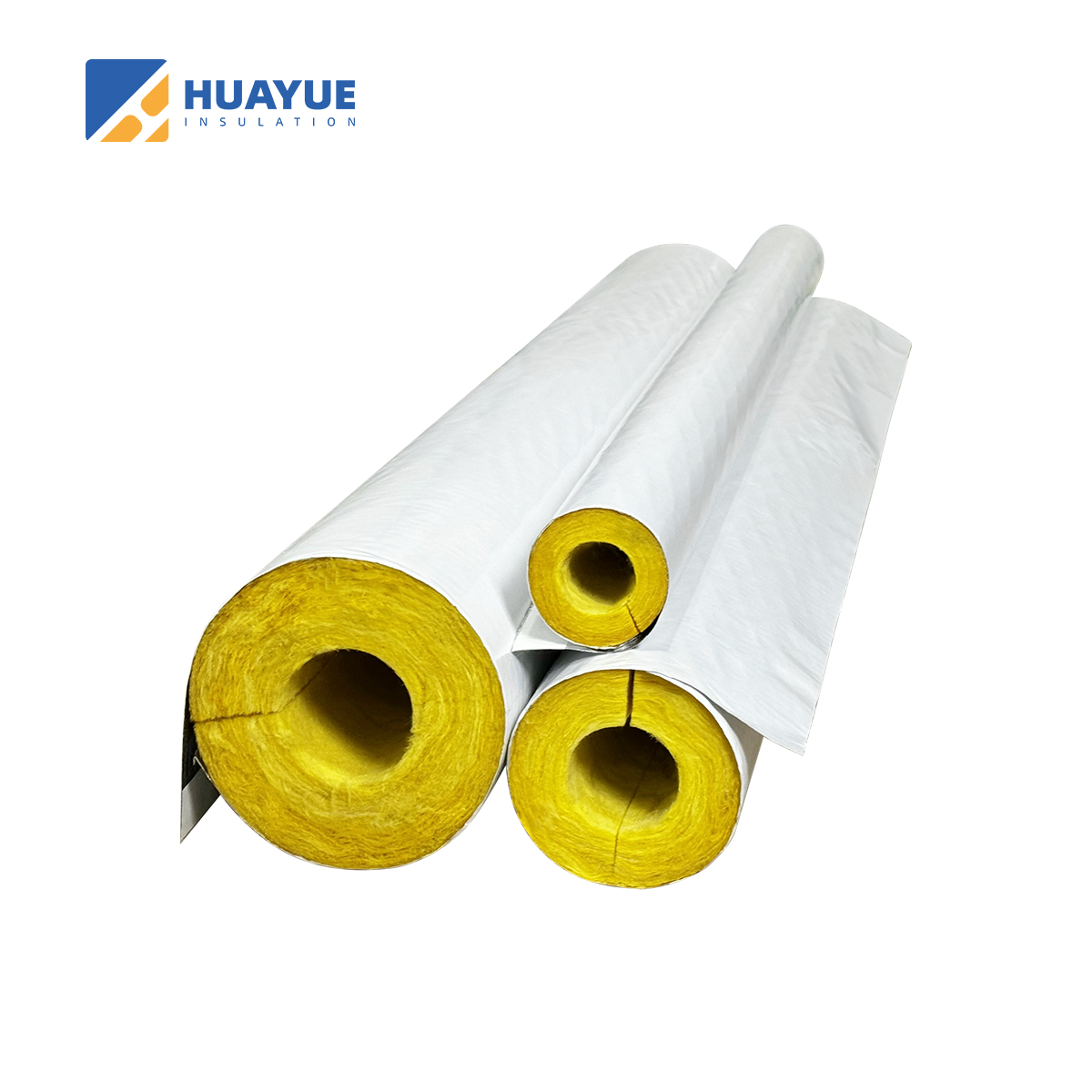
ASJ / SSL Faced Pipe
ASJ/SSL jacket — finished vapor-retarder surface with self-sealing lap.
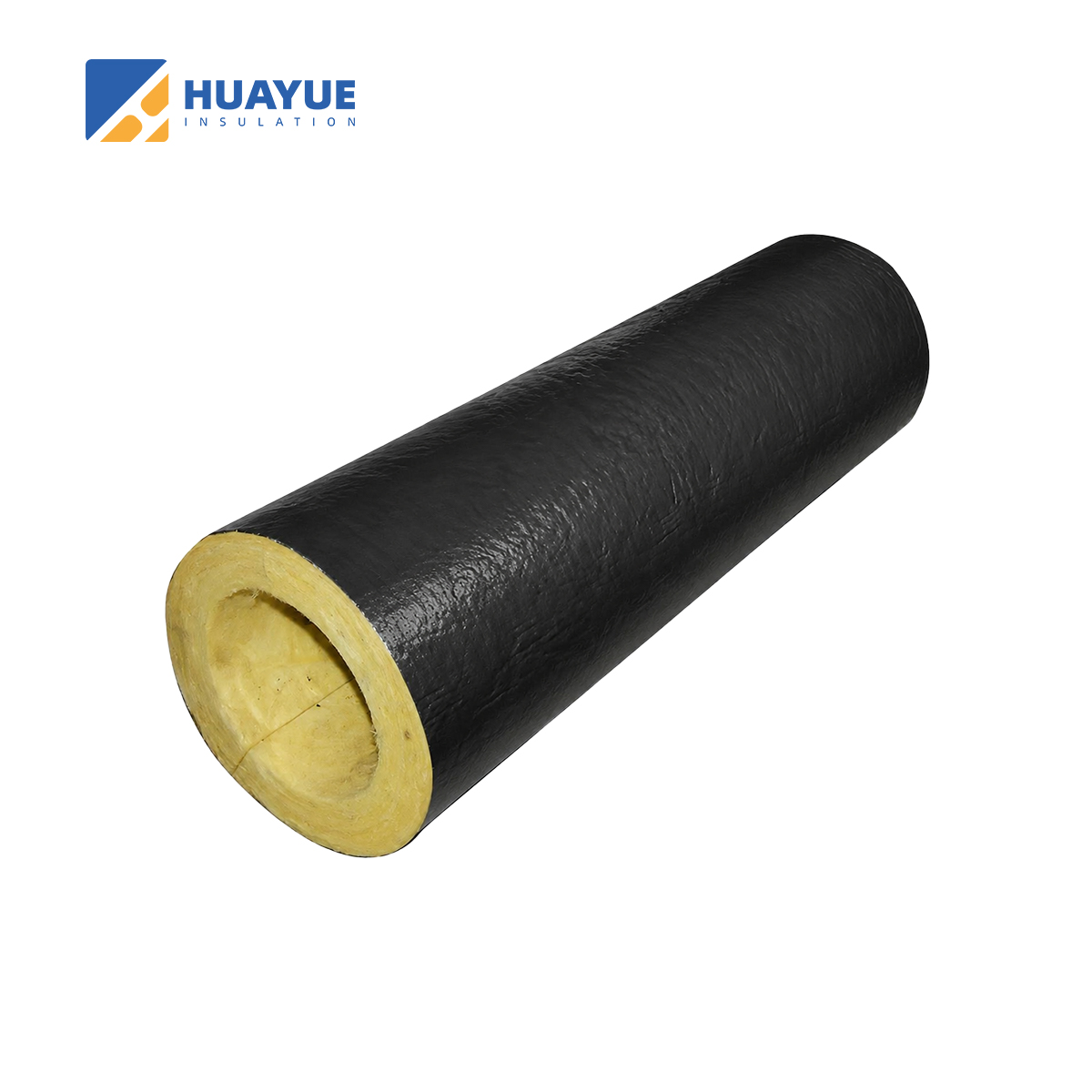
Black PSK Faced Glass Wool Pipe
Black PSK facing for a discreet finished surface.
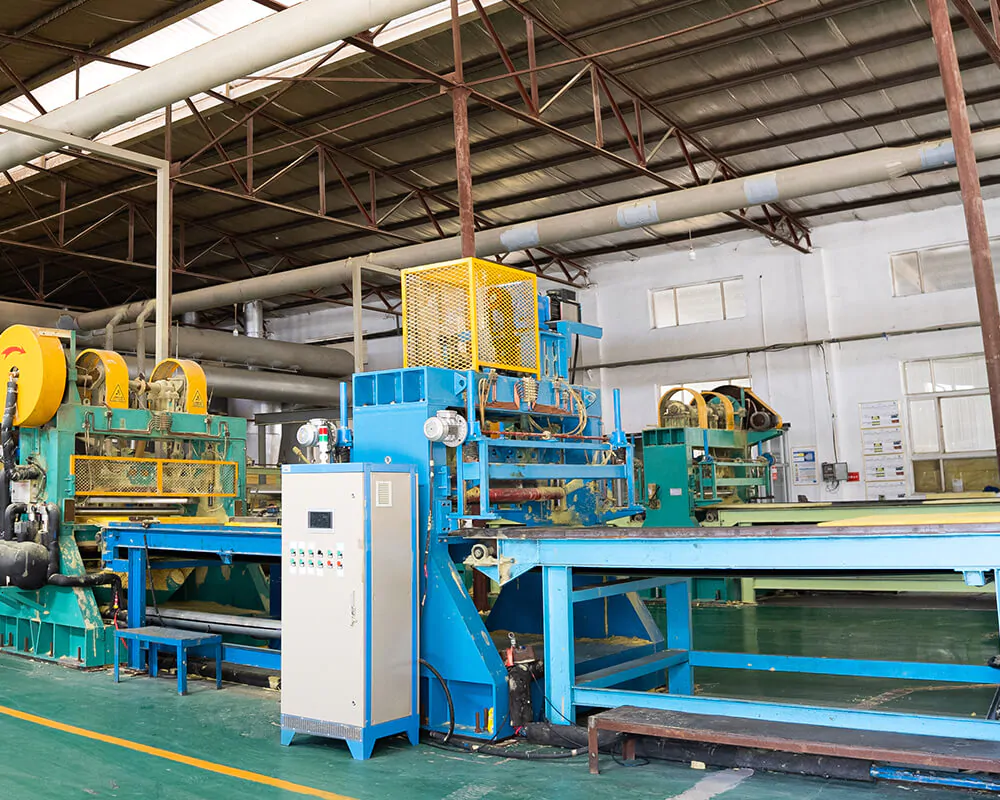
Why source Glass Wool Pipe from SinoInsulation
- Own factory plus a vetted partner-factory network — combined annual capacity up to 450,000 tons.
- MOQ from one 20ft container; LCL and mixed-container (multi-material) orders supported.
- Samples before bulk orders; custom packaging, compression packing, and private-label / OEM labeling.
- ISO 9001 and CE held; ASTM and AS/NZS test reports available on request, matched to the selected product.
- One inquiry, multiple materials: combine glass wool with rock wool, rubber foam, or cellular glass in a single order.
When It's Not the Best Fit
Glass wool pipe is not the best first choice for every pipe insulation condition. Review the project before using glass wool pipe when:
Selection Guide
Answer these to narrow down the right specification.
What is the pipe operating temperature range?
Glass wool pipe sections serve a defined temperature range. If temperatures exceed the limit, rock wool or calcium silicate pipe is required.
Which size, thickness, density, or shape is required?
Helps define the quote-ready product option.
Which facing is required (unfaced, foil, ASJ, SSL)?
Determines the correct variant option.
Supply & Purchasing
SinoInsulation supports glass wool pipe sourcing for HVAC, mechanical, and distributor programs.
Need datasheet or project documents?
Send your application and required product details. We can provide datasheet, packing information, and available supporting documents during quote review.
Quality & Market Certs
ISO 9001 quality system and CE marking held; ASTM and AS/NZS test reports available on request, matched to the selected product.
Product Datasheet
Get product data for the selected glass wool pipe type and option.
Packing & Labeling Details
Confirm carton, pallet, compression pack, private label, or mixed-SKU packing options.
Frequently Asked Questions
Answers to common questions about this product.
Glass wool pipe is lighter, easier to handle, and lower cost for HVAC and moderate-temperature building service. Rock wool pipe is needed for higher temperatures and fire-documented applications.
Glass wool pipe requires a vapor barrier (typically foil facing) for cold-service condensation control. For integrated vapor resistance without a separate barrier, consider rubber foam pipe.
Available pipe sizes must be confirmed from the product range. Share pipe outside diameters, insulation thickness targets, and quantity for quotation.
Fitting availability must be confirmed. Some projects use straight sections plus field-cut fittings for elbows and valves.
Common facings include foil (for vapor control), kraft, and unfaced. The right facing depends on the service temperature and condensation risk. Confirm from the product datasheet.
Request a Quote
Tell us the pipe sizes, operating temperatures, and facing preference — we will recommend the right pipe section specification.