








Glass Wool Lamella
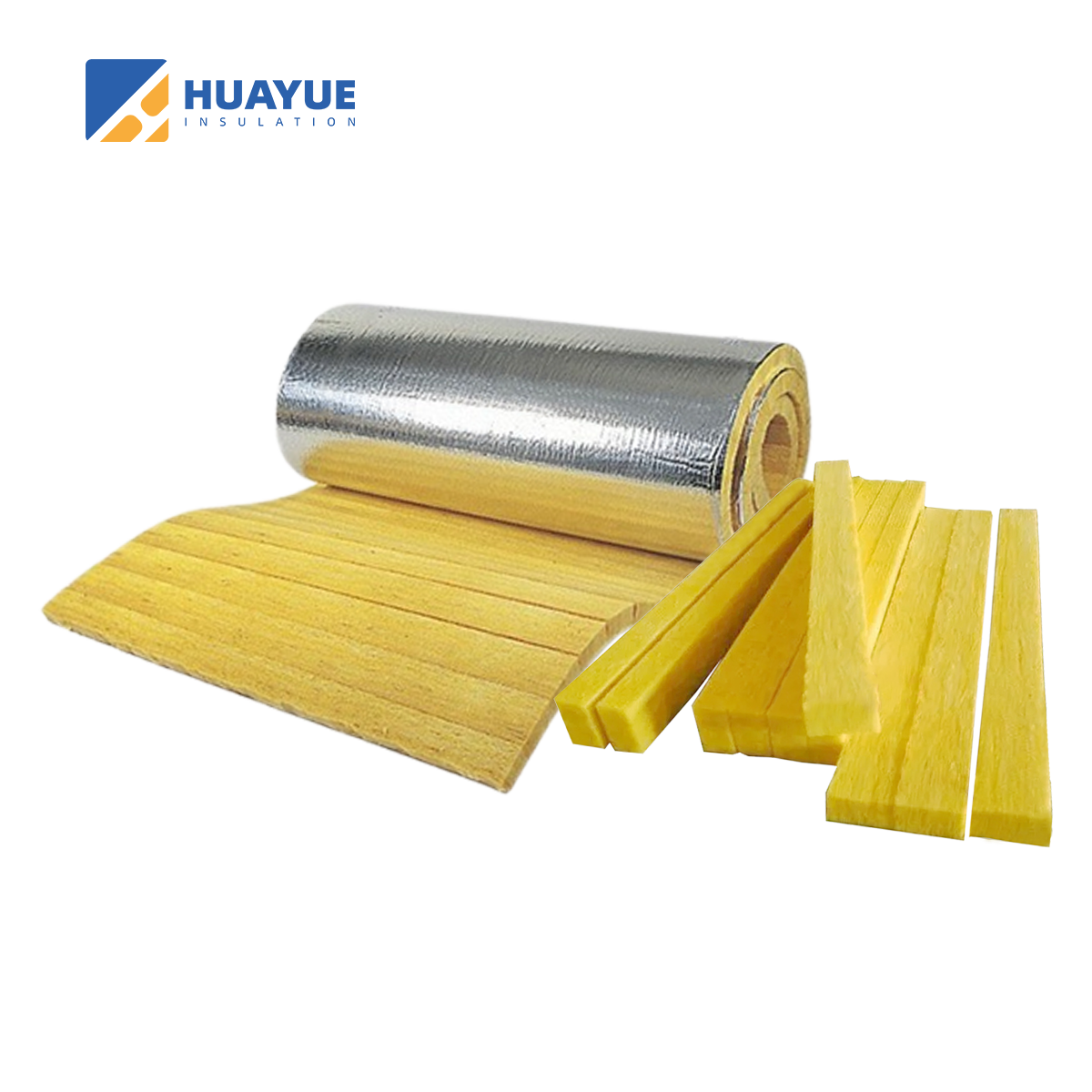
Glass wool lamella uses perpendicular fiber orientation to wrap curved tanks, vessels, and large-diameter ducts — bending cleanly around curved surfaces that standard rigid boards would crack against. Available in thicknesses from 30 mm to 120 mm, densities from 48 to 80 kg/m³, with service temperatures up to 350 °C — confirm exact temperature and facing data by inquiry. Supplied from our own and partner factories — combined capacity up to 450,000 t/yr, with a one-container MOQ and LCL support.
- Perpendicular fiber orientation bends around curves without cracking — maintains consistent insulation thickness where boards break and blankets sag.
- Factory-applied facing delivers finished insulation in one application step — no separate blanket + facing + fastening sequence.
- Lighter weight than rock wool lamella — easier to handle on scaffolding and elevated tank work.
Quick Answer
Key questions buyers ask before sourcing this product.
What is it?
Glass wool strips or lamella mats arranged to improve flexibility and coverage on curved or shaped surfaces.
Best for?
Tanks, vessels, ducts, curved panels, and surfaces where standard board or blanket may not conform well.
Key advantage?
Lamella construction improves fit on curved surfaces while keeping glass wool handling lightweight.
Options?
lamella type, facing, surface radius, thickness, mat or segment format.
Next step?
Share surface geometry, radius if available, facing, thickness, quantity, and document needs.
Problems This Product Solves
Common pain points this product is built to address.
Rigid glass wool boards crack when bent around tanks and large-diameter ducts.
Standard glass wool board is designed for flat surfaces and cannot follow curves. Glass wool lamella strips flex to wrap cylindrical surfaces without cracking, providing continuous coverage on curved geometry.
Flat blankets sag and lose contact on vertical curved surfaces.
Wrapping flexible blankets around vertical tanks creates sag points and compression gaps. Lamella strips maintain even contact and thickness on vertical curves due to their perpendicular fiber structure.
HVAC duct and vessel wrapping needs lightweight mineral wool — not heavy rock wool.
For moderate-temperature ducts and vessels in commercial HVAC systems, glass wool lamella provides curved-surface insulation at lower weight and cost than rock wool lamella.
Field-cutting flat board or blanket for curved geometry wastes material and labor.
Scoring, kerfing, or cutting flat insulation to follow curves produces scrap and requires skilled labor. Lamella strips are designed to bend around curves as-is, reducing waste and installation time.
Engineered for Consistent Performance
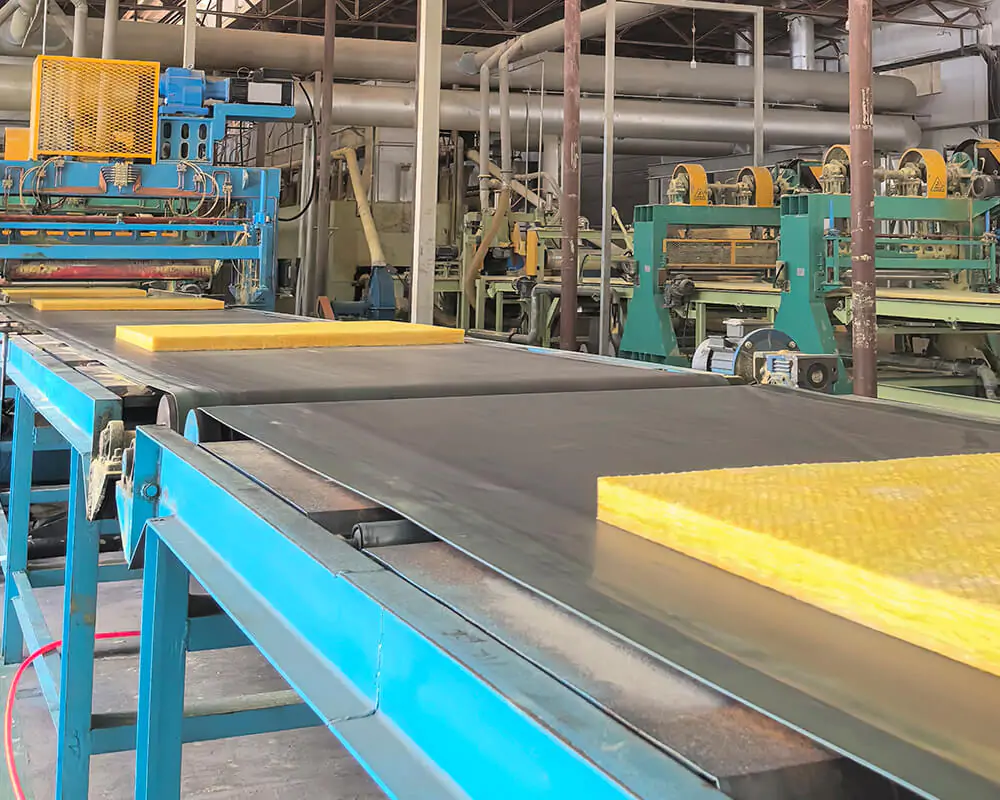
Every batch is produced under controlled conditions and verified against international standards, so what you specify is what you receive — project after project.
Product Benefits
What sets this product apart in real projects.
Perpendicular fiber strip arrangement
Conforms to curved surfaces without scoring or cracking.
Wraps large-radius surfaces in one pass
Faster coverage on tanks and vessels compared to piecing flat boards.
Lightweight glass fiber
Easier handling on elevated tanks and overhead duct installations.
Faced options (foil, mesh)
Weather protection and vapor control for outdoor tanks and vessels.
Mat format for continuous coverage
Reduces joint count on long curved runs; less sealing work.
Maintains uniform thickness on curves
Consistent thermal performance across the insulation surface.
Best-Fit Applications
Storage tanks and vessels
Lamella conforms to tank curvature without scoring or piecing flat boards.
Large-diameter ducts
Curved duct surfaces get uniform coverage with less cutting waste.
Process vessels
Maintains consistent insulation thickness on cylindrical or curved industrial equipment.
Chimney and exhaust stack wrapping
Lightweight lamella handles vertical curved surfaces with minimal mechanical support.
Industrial equipment with curved surfaces
Replaces field-fabricated board covers with a flexible, pre-made format.
Options & Variants
Choose the form that fits your application.
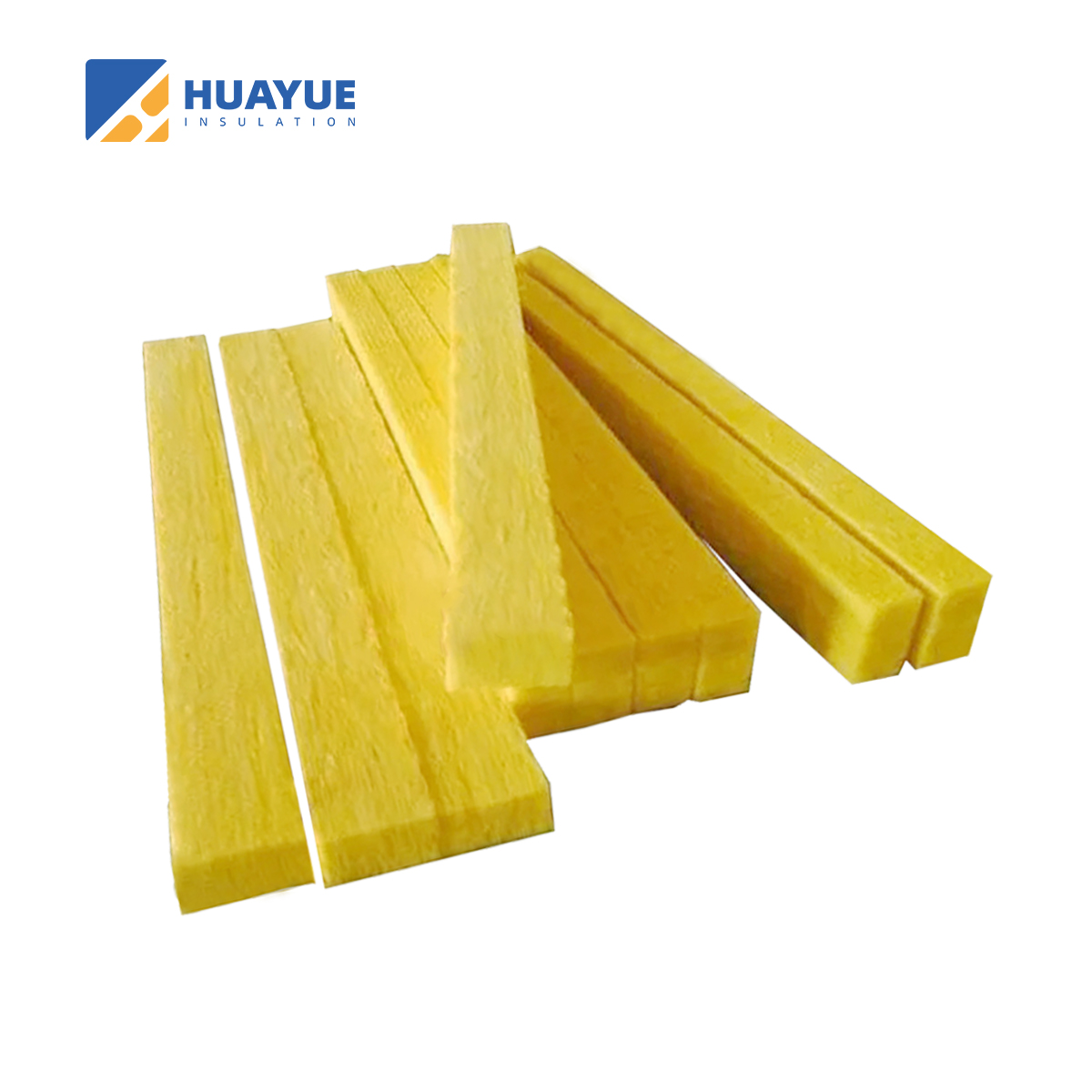
Standard Lamella
Strip-format lamella for curved tanks, vessels, and ducts.
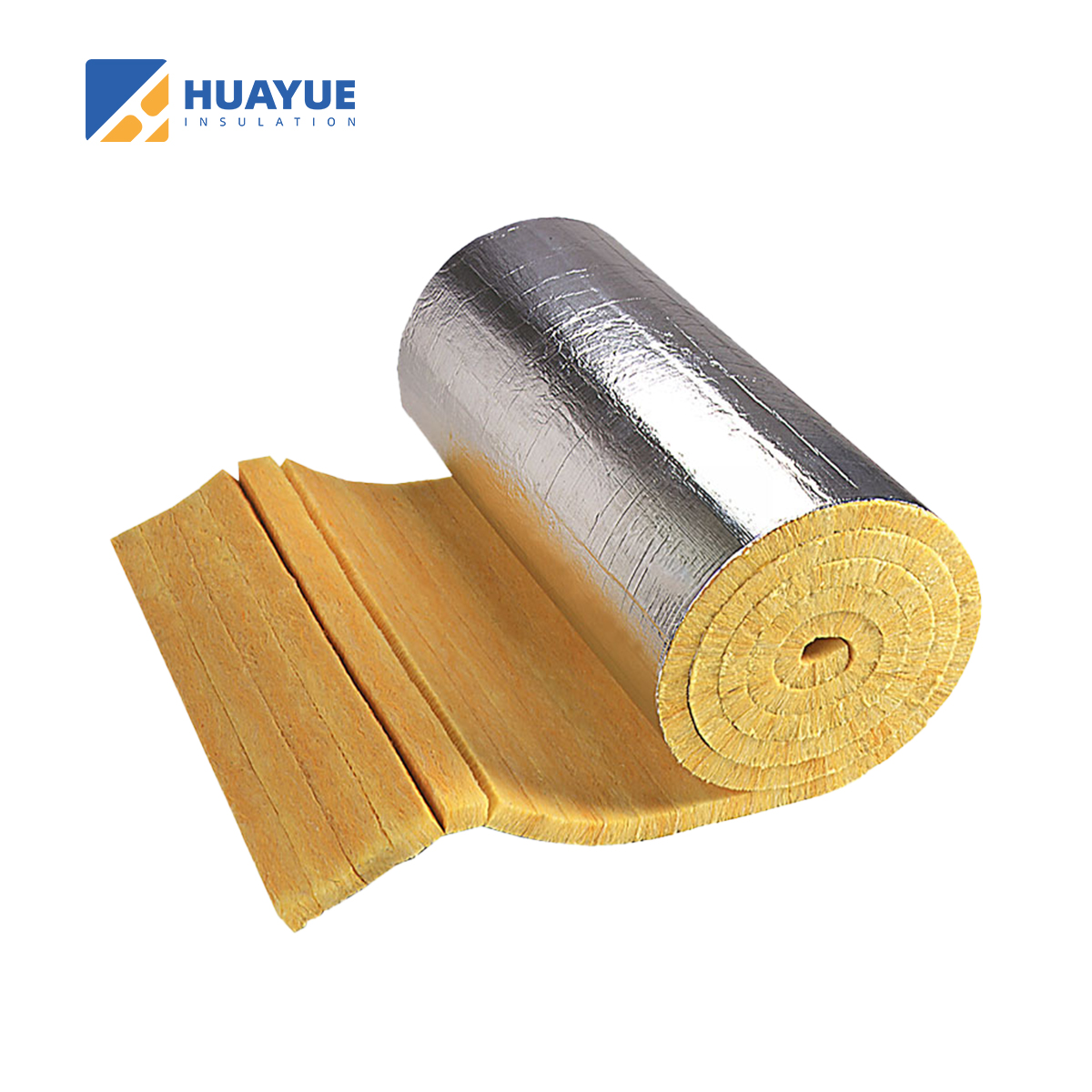
Lamella Mat
Continuous mat for long curved runs — fewer joints.
Why source Glass Wool Lamella from SinoInsulation
- Own factory plus a vetted partner-factory network — combined annual capacity up to 450,000 tons.
- MOQ from one 20ft container; LCL and mixed-container (multi-material) orders supported.
- Samples before bulk orders; custom packaging, compression packing, and private-label / OEM labeling.
- ISO 9001 and CE held; ASTM and AS/NZS test reports available on request, matched to the selected product.
- One inquiry, multiple materials: combine glass wool with rock wool, rubber foam, or cellular glass in a single order.
When It's Not the Best Fit
Glass wool lamella is not the best first choice for every curved insulation condition. Review the project before using lamella when:
Selection Guide
Answer these to narrow down the right specification.
Is the surface curved (tank, vessel, large duct) or flat?
Lamella is designed for curved surfaces. If the surface is flat, glass wool board or blanket is a better starting point.
Which size, thickness, density, or shape is required?
Helps define the quote-ready product option.
Is facing, coating, color, adhesive, or jacket required?
Determines the correct variant option.
Supply & Purchasing
SinoInsulation supports glass wool lamella sourcing for HVAC, tank insulation, and industrial programs.
Need datasheet or project documents?
Send your application and required product details. We can provide datasheet, packing information, and available supporting documents during quote review.
Quality & Market Certs
ISO 9001 quality system and CE marking held; ASTM and AS/NZS test reports available on request, matched to the selected product.
Product Datasheet
Get product data for the selected glass wool lamella type and option.
Packing & Labeling Details
Confirm carton, pallet, compression pack, private label, or mixed-SKU packing options.
Frequently Asked Questions
Answers to common questions about this product.
Lamella uses perpendicular fiber orientation with factory-applied facing, maintaining consistent thickness on curves. Standard blanket may sag or thin out on vertical curved surfaces.
Glass wool lamella is lighter and lower cost for building-grade curved surfaces at moderate temperatures. Rock wool lamella handles higher temperatures and provides stronger fire documentation.
For round pipes, pre-formed pipe sections are faster and more uniform. Lamella is better for rectangular ducts, large tanks, and surfaces where pipe sections do not fit.
Most lamella products include factory-applied facing. Some unfaced lamella may be available for OEM or further processing. Confirm the intended use.
Minimum bending radius depends on lamella thickness and strip width. Thinner lamella follows tighter curves. Confirm from the product datasheet.
Request a Quote
Tell us the surface shape, temperature, and covering requirement — we will recommend the right lamella format, facing, and thickness.