








Glass Wool Board
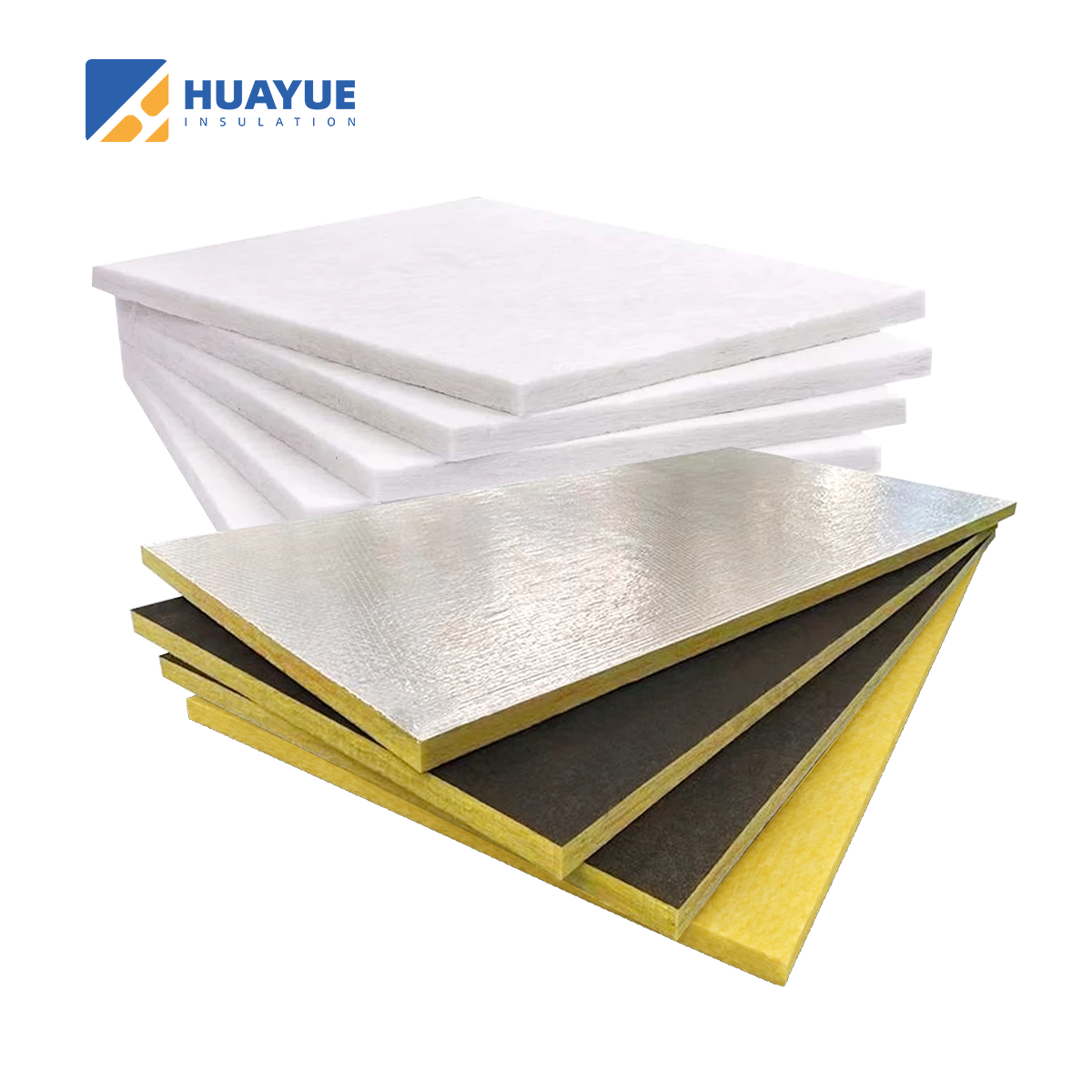
Glass wool board provides lightweight mineral wool in rigid panel form for acoustic ceilings, duct boards, facade panels, and equipment insulation. Density typically from 24 to 96 kg/m³, thicknesses from 15 mm to 100 mm, with thermal conductivity from 0.030 to 0.040 W/m·K — confirm exact acoustic rating and facing options by inquiry. Supplied from our own and partner factories — combined capacity up to 450,000 t/yr, with a one-container MOQ and LCL support.
- Rigid panel form provides clean edges and consistent thickness for acoustic ceiling panels, HVAC duct lining, and faced insulation surfaces.
- Lighter than rock wool board — easier overhead installation for ceiling and soffit applications without heavy lifting.
- Facing options (foil, tissue, glass mat) support vapor control, surface appearance, and mechanical retention without separate application.
Quick Answer
Key questions buyers ask before sourcing this product.
What is it?
Semi-rigid or rigid glass wool insulation supplied as boards or panels for applications needing defined shape and surface stability.
Best for?
Acoustic panels, HVAC boards, wall panels, ceilings, and equipment insulation where a board format is preferred.
Key advantage?
Board format gives cleaner edges, easier panel handling, and better dimensional control than loose or roll products.
Options?
board size, thickness, density, facing type, edge or cut requirements.
Next step?
Share application, board size, thickness, facing, quantity, destination, and document needs.
Problems This Product Solves
Common pain points this product is built to address.
Acoustic ceiling and wall panel projects need rigid boards with stable dimensions — not flexible batts.
Ceiling grids, clip systems, and facade panels require boards that hold their shape and edges under their own weight. Glass wool board provides the dimensional stability that flexible batts cannot.
HVAC duct fabrication needs defined board thickness and density for structural panel function.
Duct boards serve as both insulation and air-side surface. The board must maintain dimensional rigidity during fabrication, handling, and service — a property that blankets and batts do not provide.
Equipment panels and liner boards need cut-to-size format, not roll stock.
Lining equipment enclosures, mechanical rooms, and industrial housings requires pre-cut panel format that installs flat and stays in place. Glass wool board delivers panel format without field-cutting from rolls.
Exposed installations need a clean surface finish that raw batt cannot provide.
Visible applications in offices, studios, and commercial spaces require faced boards with consistent color and texture. Glass wool board with tissue or foil facing provides a finished surface straight from the box.
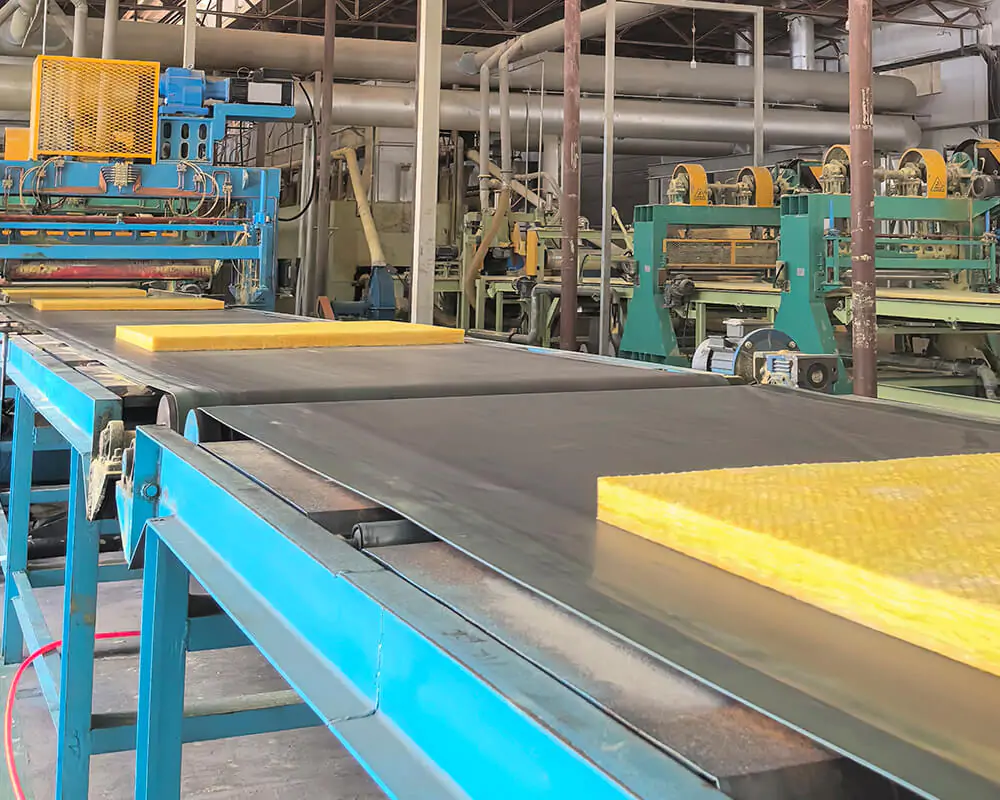
Engineered for Consistent Performance
Every batch is produced under controlled conditions and verified against international standards, so what you specify is what you receive — project after project.
Product Benefits
What sets this product apart in real projects.
Semi-rigid structure with clean edges
Boards mount directly into grid, clip, or frame systems without trimming waste or edge deformation.
Facing options (tissue, foil, film)
Match the board surface to the application — acoustic absorption, reflective barrier, or clean visual finish.
Acoustic surface treatment available
Tissue-faced or specially surfaced boards absorb airborne sound in exposed ceiling and wall panel systems.
Panel dimensions for grid and ceiling systems
Standard board sizes align with common ceiling grid and wall panel dimensions, reducing field cutting.
Defined density for HVAC and acoustic applications
Higher-density boards provide the rigidity needed for duct liner fit and acoustic panel performance.
Lightweight glass fiber construction
Easier overhead handling for ceiling tile and liner panel installation compared with rock wool or foam alternatives.
Compression packaging options
Reduces freight volume and storage space for export and distributor supply programs.
Best-Fit Applications
Glass wool board is most commonly used where the application requires a panel format with defined edges and consistent dimensions.
Acoustic ceiling panels
Tissue-faced boards absorb airborne sound and fit standard suspended ceiling grid systems.
HVAC duct liner boards
Defined density and thickness provide consistent airflow surface and thermal performance inside duct systems.
Wall insulation panels
Semi-rigid boards mount between framing or onto wall surfaces without slumping.
Equipment enclosure panels
Board format lines enclosures, housings, and equipment cabinets with consistent thermal and acoustic coverage.
Exposed ceiling tiles
Faced boards provide a finished visual surface suitable for lay-in or clip-mounted ceiling systems.
Distributor stock
Common board sizes, facings, and densities support contractor supply and resale programs.
Options & Variants
Choose the form that fits your application.
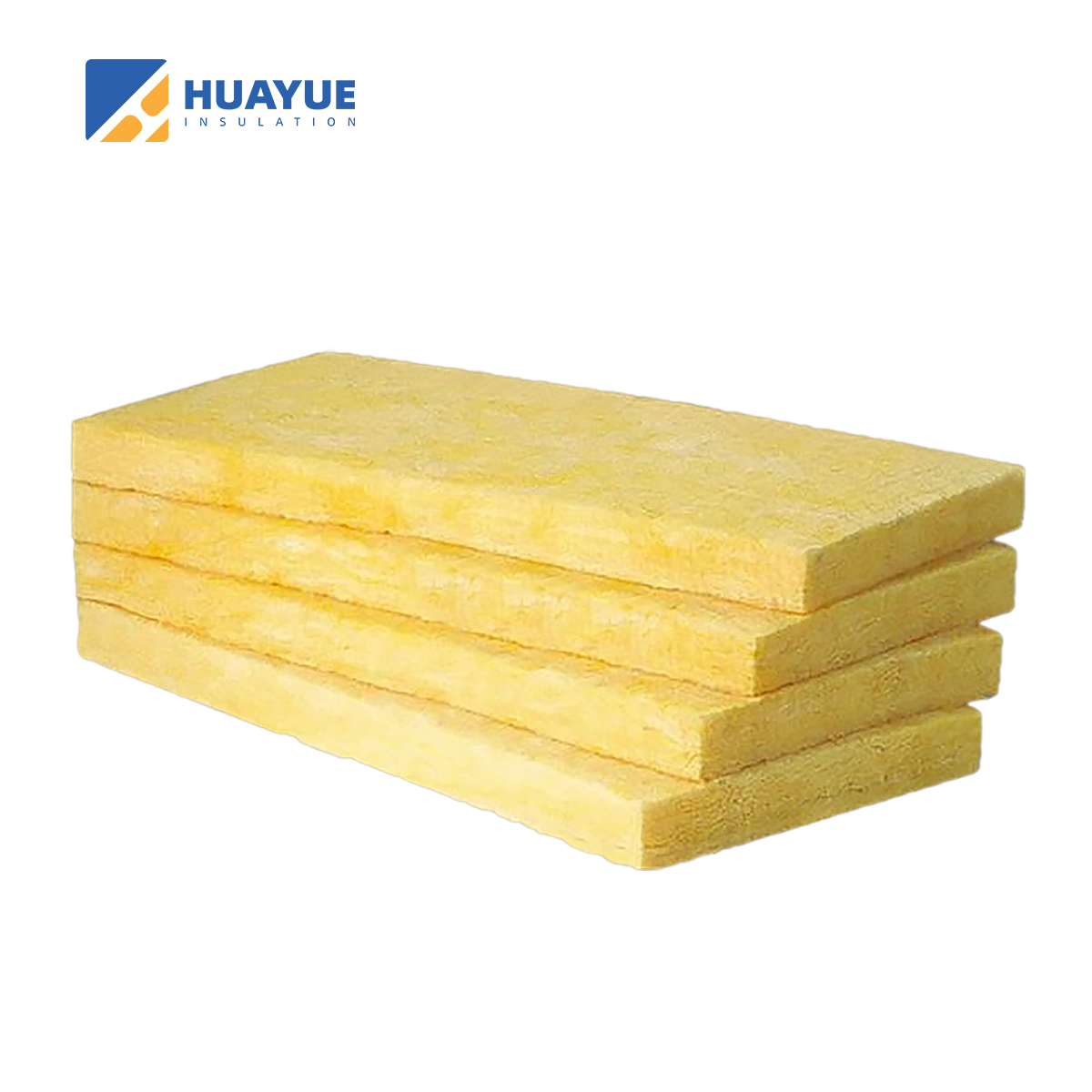
Unfaced Glass Wool Board
Bare board — to be covered by a jacket or finish.
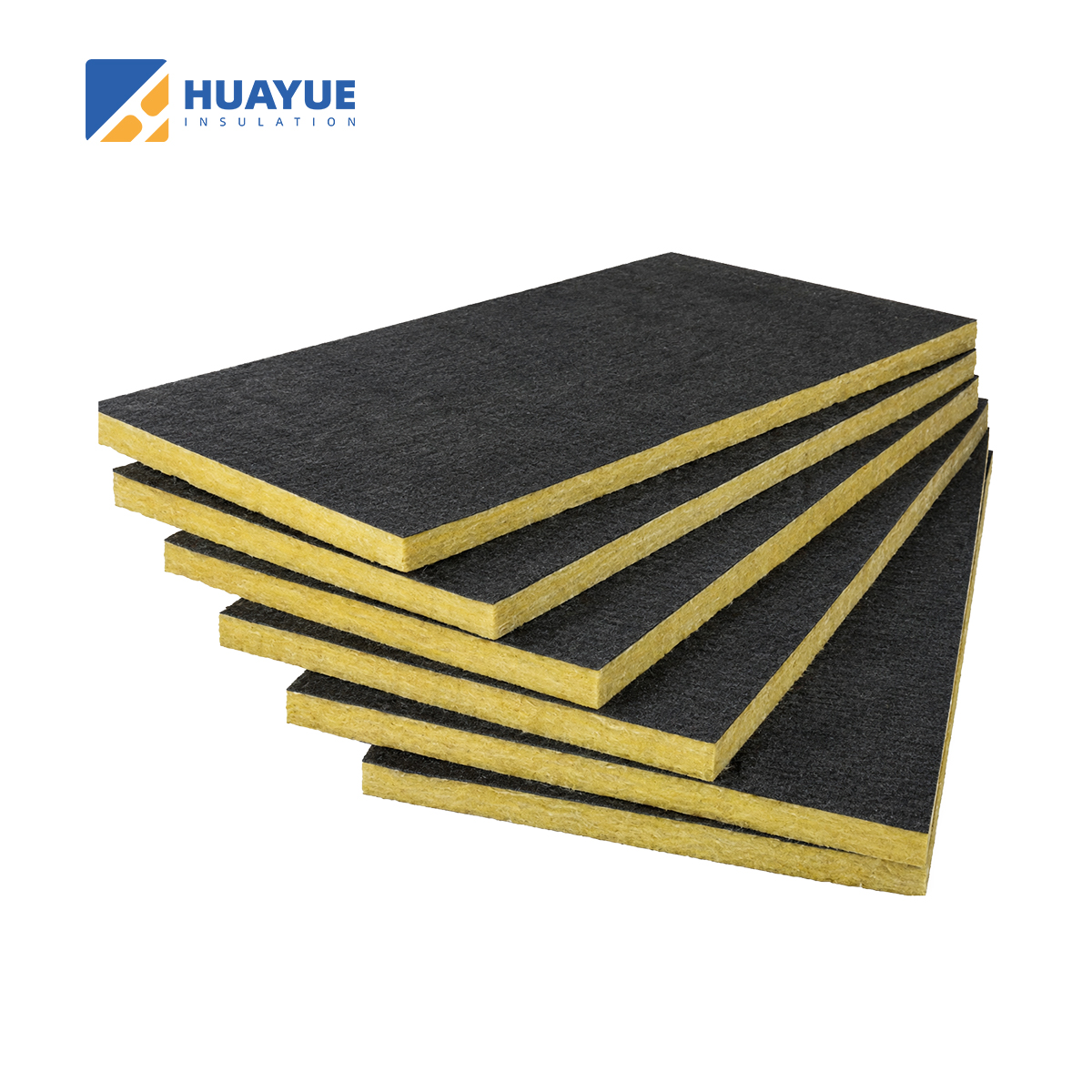
Black Fiberglass Tissue Faced Board
Black tissue facing — sound-absorbing, finished look for exposed panels.
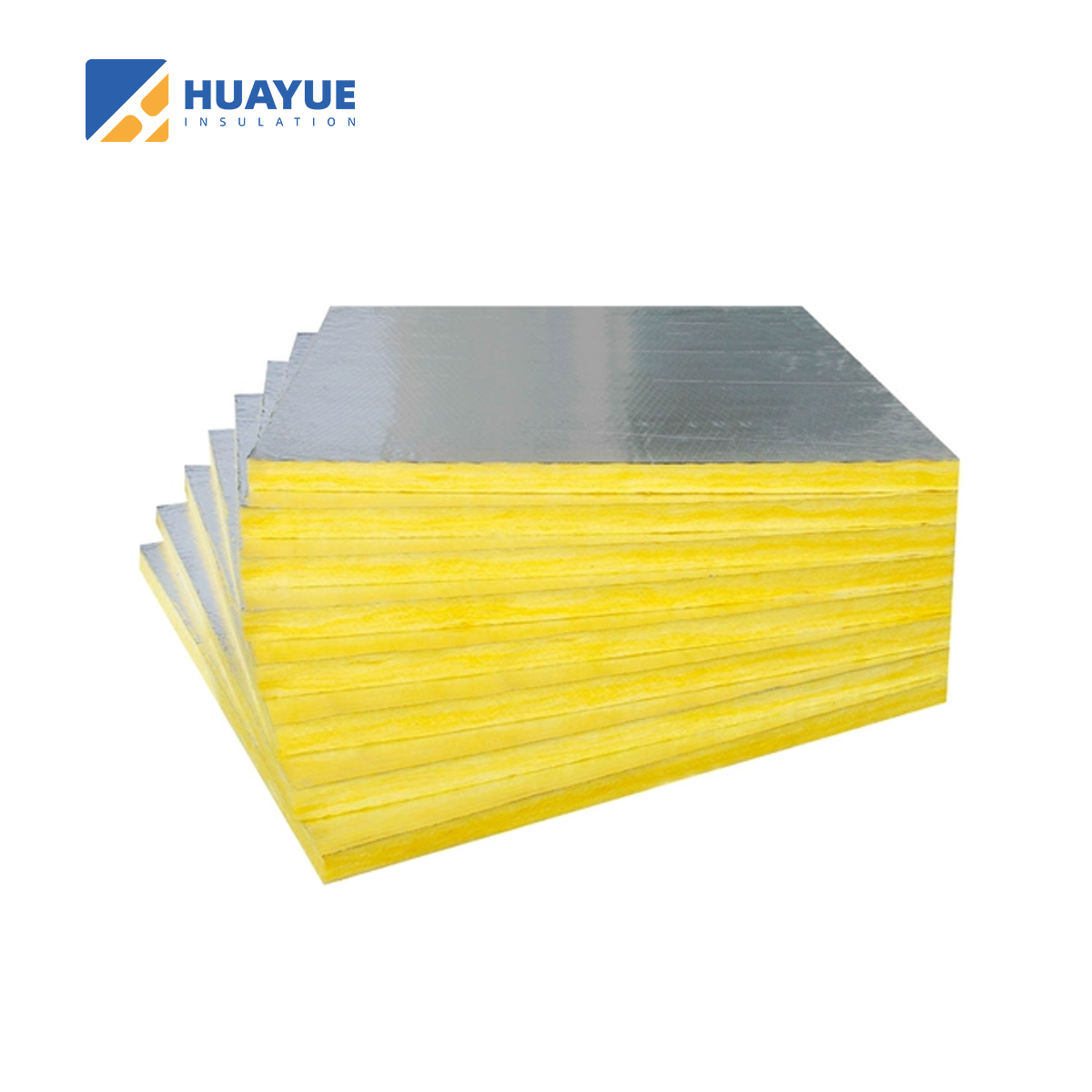
Foil Faced Board
Foil facing — vapor resistance and a durable duct surface.
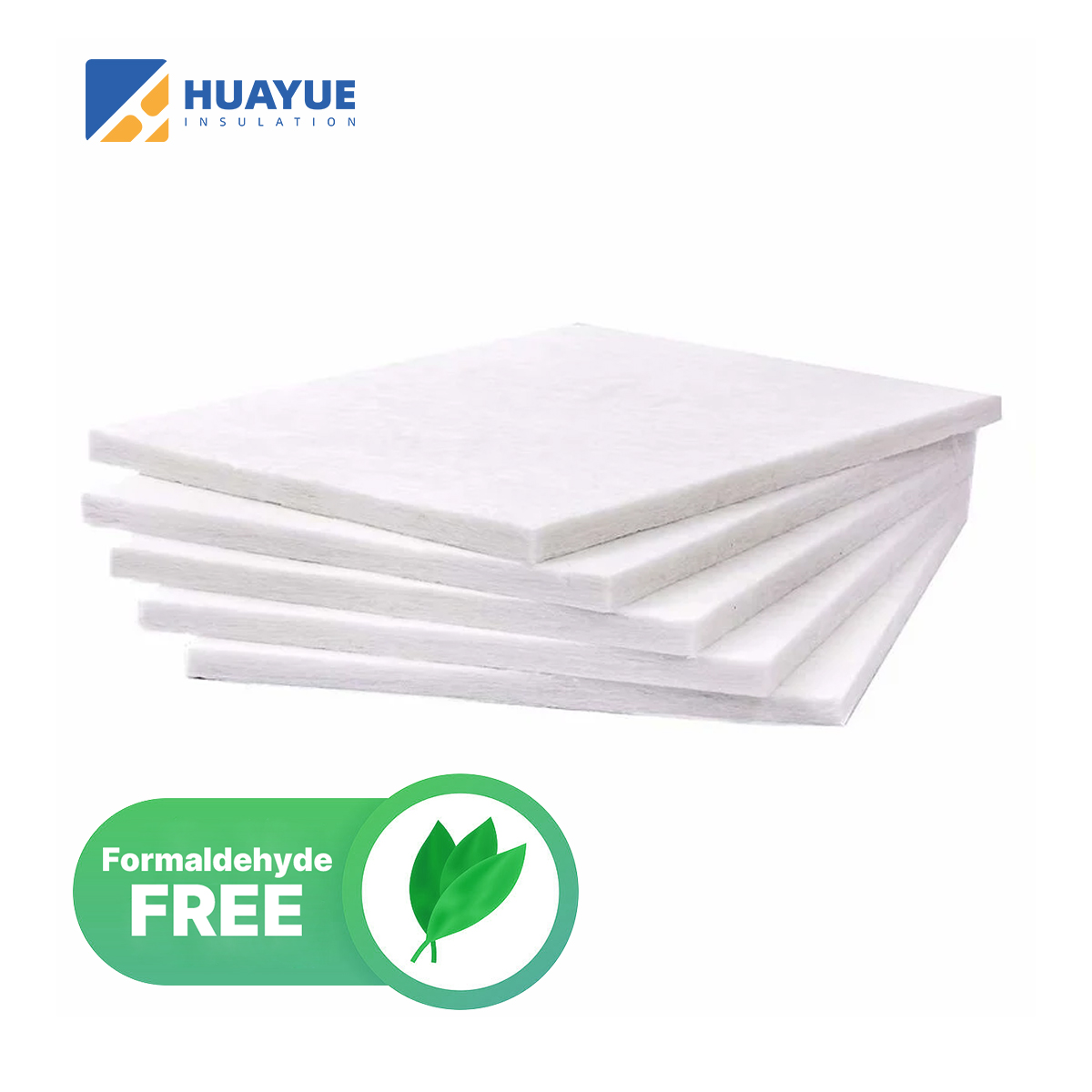
Formaldehyde-Free Board
No added formaldehyde — for IAQ-sensitive specs (docs on request).
Why source Glass Wool Board from SinoInsulation
- Own factory plus a vetted partner-factory network — combined annual capacity up to 450,000 tons.
- MOQ from one 20ft container; LCL and mixed-container (multi-material) orders supported.
- Samples before bulk orders; custom packaging, compression packing, and private-label / OEM labeling.
- ISO 9001 and CE held; ASTM and AS/NZS test reports available on request, matched to the selected product.
- One inquiry, multiple materials: combine glass wool with rock wool, rubber foam, or cellular glass in a single order.
When It's Not the Best Fit
Glass wool board is not the best first choice for every insulation condition. Review the project before using glass wool board when:
Selection Guide
Answer these to narrow down the right specification.
What is the application: acoustic panel, duct liner, wall panel, ceiling tile, or equipment enclosure?
Confirms whether board is the right product form.
What board dimensions are needed?
Helps confirm length, width, and whether standard or custom panel sizes apply.
What thickness is required?
Affects thermal performance, acoustic behavior, and system fit.
What density is needed?
Determines rigidity, acoustic absorption grade, and HVAC duct liner suitability.
Is a facing required?
Determines unfaced, tissue faced, foil faced, or other facing option.
Is acoustic performance a primary requirement?
Helps review density, facing, and surface treatment options.
Supply & Purchasing
SinoInsulation supports glass wool board sourcing for acoustic, HVAC, and distributor programs.
Need datasheet or project documents?
Send your application and required product details. We can provide datasheet, packing information, and available supporting documents during quote review.
Quality & Market Certs
ISO 9001 quality system and CE marking held; ASTM and AS/NZS test reports available on request, matched to the selected product.
Product Datasheet
Get product data for the selected glass wool board type and option.
Packing & Labeling Details
Confirm carton, pallet, compression pack, private label, or mixed-SKU packing options.
Frequently Asked Questions
Answers to common questions about this product.
Choose glass wool board when the application requires a rigid panel format — acoustic ceiling tiles, HVAC duct liner boards, wall insulation panels, or equipment enclosure panels. Blanket is better for large continuous surfaces, and batt is better for framed cavities.
Black fiberglass tissue facing is the most common choice for exposed acoustic ceiling applications. White tissue is used when a lighter surface finish is preferred. Foil facing is typically chosen for duct board or thermal barrier applications rather than exposed ceilings.
Use rock wool board when the project needs higher density, higher fire resistance, or higher temperature tolerance than glass wool provides. Glass wool board is lighter, easier to handle overhead, and typically lower cost for standard acoustic and thermal panel applications.
Share the application, board dimensions, thickness, density, facing type, quantity, destination, and document needs. For acoustic applications, include any acoustic performance targets if available.
Yes. Formaldehyde-free board can be reviewed as a document-based product option. Contact us to confirm available qualification documents for your project.
Request a Quote
Tell us the application, panel dimensions, and acoustic or thermal target — we will recommend the right board density and facing.