








Glass Wool Blow-in Insulation
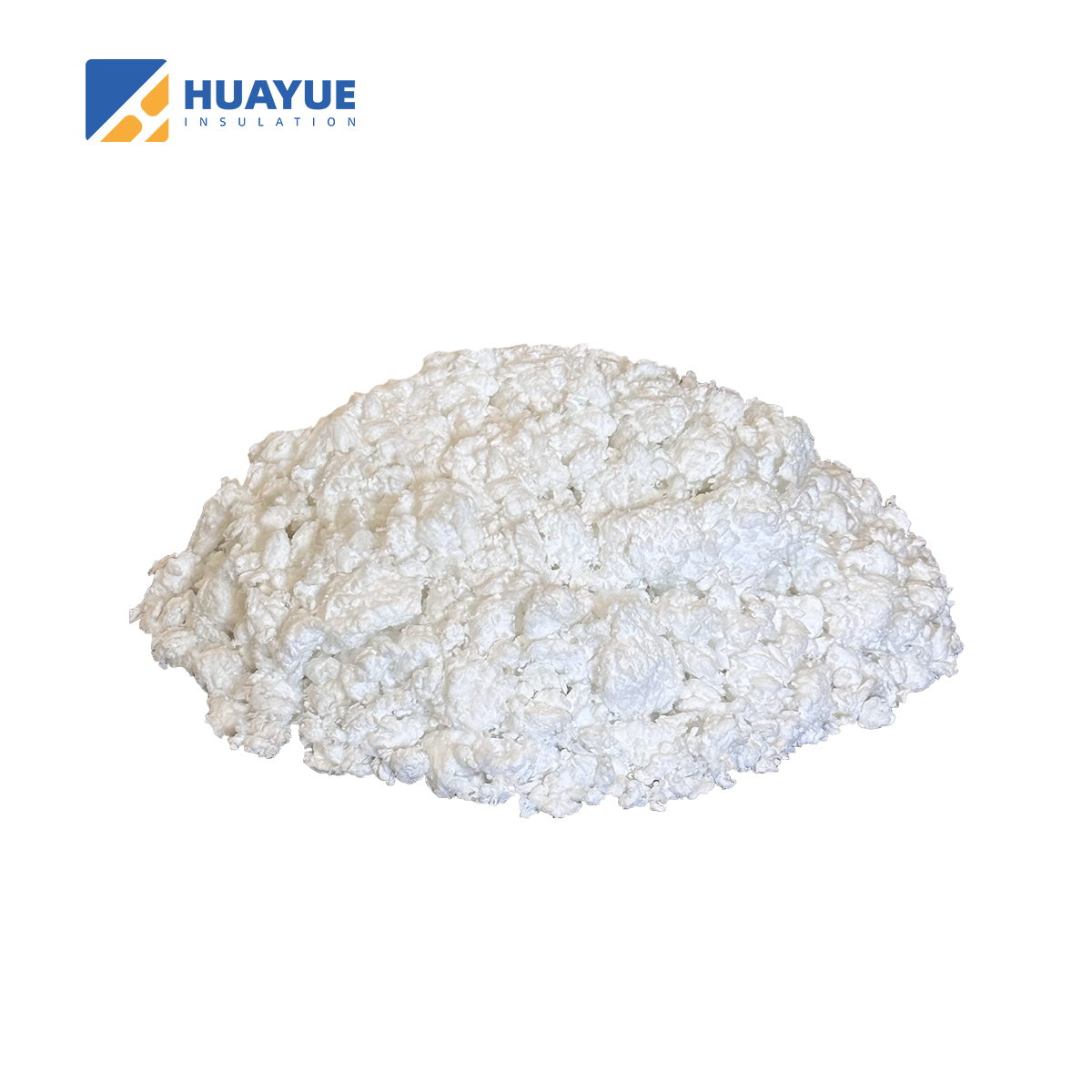
Glass wool blow-in insulation fills enclosed wall cavities, attic spaces, and hard-to-reach areas that pre-cut batts cannot reach — using non-combustible mineral fiber. Installed density typically from 14 to 35 kg/m³ with thermal conductivity around 0.035 to 0.045 W/m·K at installed depth — confirm exact coverage and settled density data by inquiry. Supplied from our own and partner factories — combined capacity up to 450,000 t/yr, with a one-container MOQ and LCL support.
- Fills enclosed cavities through small access holes — no demolition, no wall removal, no disruption to existing finishes.
- Non-combustible mineral fiber — no chemical fire-retardant treatment needed, unlike cellulose blow-in which is treated organic fiber.
- Flows around pipes, wiring, and blocking where pre-cut batt insulation leaves gaps and thermal bridges.
Quick Answer
Key questions buyers ask before sourcing this product.
What is it?
Loose-fill glass wool designed for machine-applied or blown installation into attics, cavities, and irregular spaces.
Best for?
Attics, retrofit cavities, irregular voids, and areas where batts or rolls cannot be placed efficiently.
Key advantage?
Blown installation fills irregular spaces and hard-to-reach areas better than fixed-size pieces.
Options?
loose-fill type, application, installed depth target, packing, machine-applied option.
Next step?
Share application, installation method, area, packing, quantity, destination, and document needs.
Problems This Product Solves
Common pain points this product is built to address.
Inaccessible cavities cannot use batt or roll insulation.
Enclosed wall cavities, finished ceilings, and sealed joist bays cannot be opened for batt placement without costly demolition. Blow-in insulation reaches these spaces through small access holes, insulating retrofit cavities without removing finishes.
Irregular spaces around penetrations get poor coverage from pre-cut products.
Wiring, plumbing, junction boxes, and bracing inside cavities create gaps that batts cannot fill completely. Blow-in wool flows around obstructions and fills voids that pre-cut pieces leave exposed.
Attic insulation settles and thins over time.
Existing attic insulation often compresses or shifts, leaving areas below target depth. Blow-in glass wool can be applied over existing insulation to restore or increase thermal depth without removing what is already in place.
Achieving consistent depth across large open areas is slow with batt.
Laying individual batts across a large attic floor is labor-intensive and leaves gaps at joists and penetrations. Machine-applied blow-in covers large areas quickly and fills around framing and obstacles in one pass.
Engineered for Consistent Performance
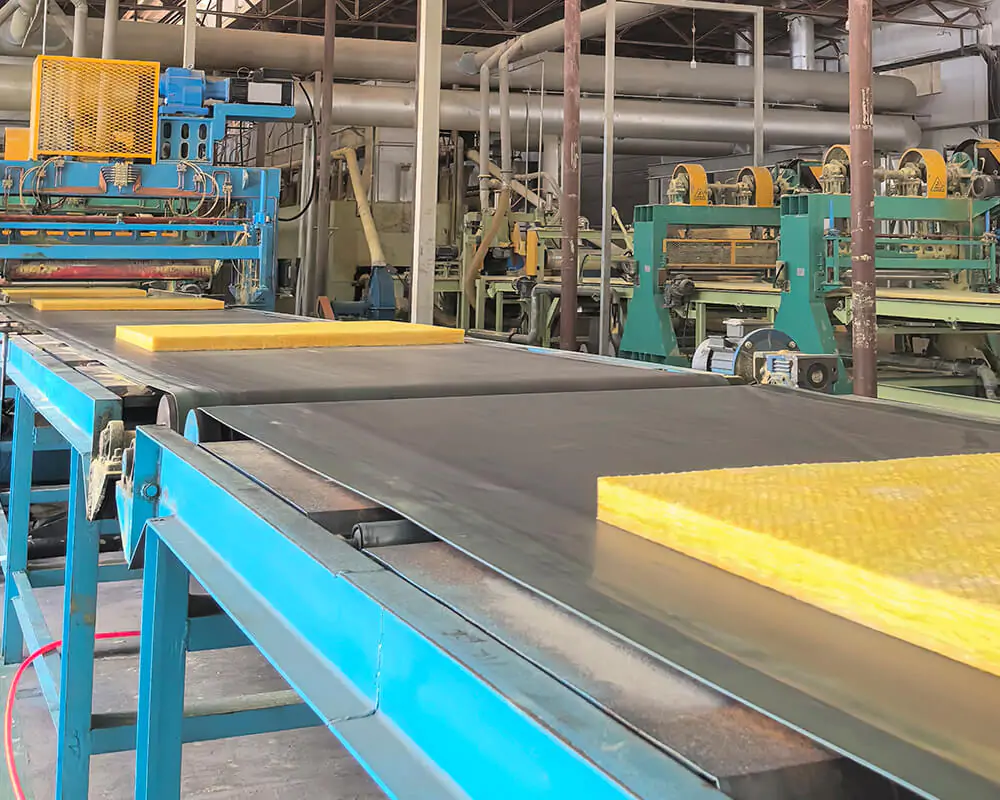
Every batch is produced under controlled conditions and verified against international standards, so what you specify is what you receive — project after project.
Product Benefits
What sets this product apart in real projects.
Fills around obstructions without cutting
No trimming waste around wiring, plumbing, or bracing — blow-in conforms to whatever is in the cavity.
Fast machine application for large areas
Covers attic floors, open joist bays, and large cavities faster than placing individual batts or rolls.
Adjustable installed depth on-site
Installers control the final insulation depth during application, matching the target R-value to project requirements.
Compressed bag packing
High compression ratio reduces freight volume and storage footprint compared to shipping pre-formed insulation.
Non-combustible mineral fiber
Glass wool blow-in is a non-combustible mineral fiber, suitable for use in fire-conscious building assemblies.
Top-up compatible
Can be blown over existing insulation to restore or increase thermal depth without removing the original layer.
Best-Fit Applications
Glass wool blow-in insulation is most commonly used where pre-cut insulation cannot reach or where machine application is faster than manual placement.
Attic top-up insulation
Blown over existing insulation to restore or increase thermal depth across the attic floor.
Retrofit enclosed wall cavities
Reaches sealed cavities through small access holes without removing wall finishes.
Irregular joist spaces
Fills non-standard joist bays, tapered spaces, and areas with cross-bracing that batts cannot cover cleanly.
Around wiring and plumbing penetrations
Flows around pipes, wires, and junction boxes where pre-cut pieces leave gaps.
Cathedral ceiling cavities
Fills enclosed rafter bays where access is limited and batt placement is difficult.
Why source Glass Wool Blow-in Insulation from SinoInsulation
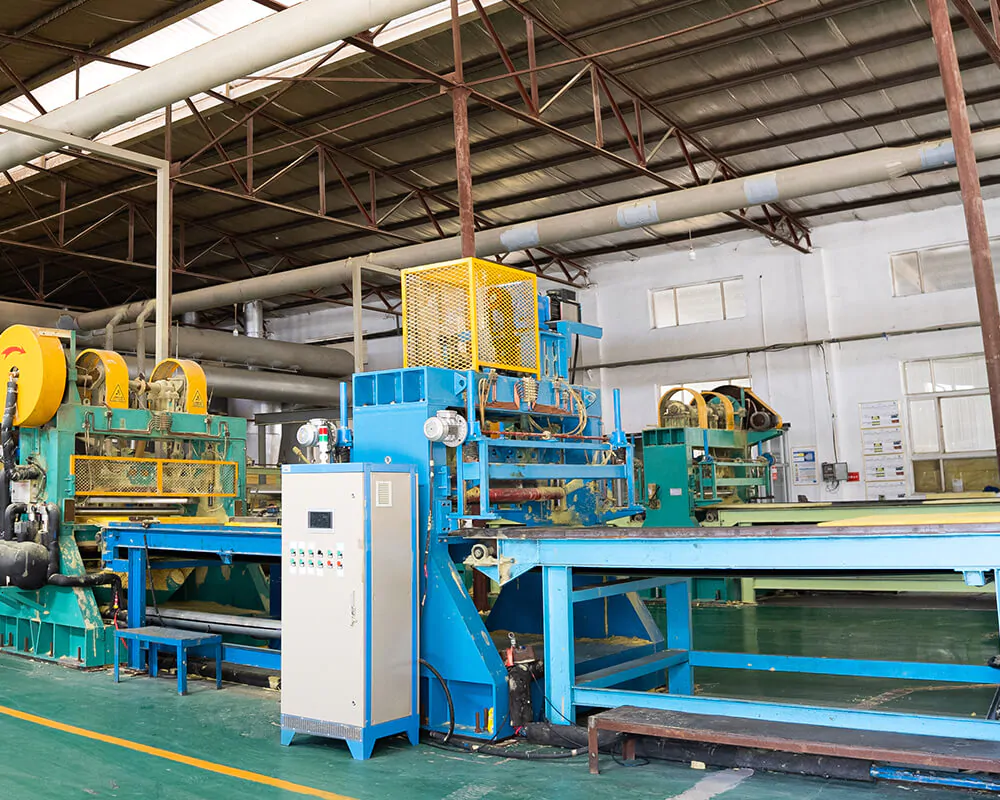
- Own factory plus a vetted partner-factory network — combined annual capacity up to 450,000 tons.
- MOQ from one 20ft container; LCL and mixed-container (multi-material) orders supported.
- Samples before bulk orders; custom packaging, compression packing, and private-label / OEM labeling.
- ISO 9001 and CE held; ASTM and AS/NZS test reports available on request, matched to the selected product.
- One inquiry, multiple materials: combine glass wool with rock wool, rubber foam, or cellular glass in a single order.
When It's Not the Best Fit
Glass wool blow-in insulation is not the best first choice for every insulation condition. Review the project before using blow-in when:
Selection Guide
Answer these to narrow down the right specification.
What is the application: attic floor, enclosed wall cavity, joist bay, or cathedral ceiling?
Confirms whether blow-in is the right product form and which variant grade to review.
What is the target installed depth?
Determines bag count, coverage rate, and thermal performance target.
What area needs to be covered?
Helps calculate total bag quantity and freight planning.
How many bags per pallet or container are needed?
Supports pricing, logistics, and packing design for export or distribution.
What blowing machine will be used?
Confirms compatibility between the blow-in wool grade and the installer's equipment.
Is this new installation or top-up over existing insulation?
Affects the installed depth calculation and product recommendation.
Supply & Purchasing
SinoInsulation supports blow-in glass wool sourcing for retrofit, new-build, and distributor programs.
Need datasheet or project documents?
Send your application and required product details. We can provide datasheet, packing information, and available supporting documents during quote review.
Quality & Market Certs
ISO 9001 quality system and CE marking held; ASTM and AS/NZS test reports available on request, matched to the selected product.
Product Datasheet
Get product data for the selected glass wool blow-in type and option.
Packing & Labeling Details
Confirm carton, pallet, compression pack, private label, or mixed-SKU packing options.
Frequently Asked Questions
Answers to common questions about this product.
Use blow-in for enclosed or retrofit cavities where walls cannot be opened, and for irregular spaces with obstructions. Use batt for new construction with open framing access.
Settling behavior depends on product grade, installed density, and installation method. Confirm settling specifications from the product datasheet and follow local installation standards.
Glass wool is mineral fiber and classified as non-combustible. Specific fire classification documents must be confirmed for the exact product and market.
Spray foam provides air sealing and higher R-value per inch. Glass wool blow-in is non-combustible, lower cost for large areas, and does not require chemical mixing or curing time on site.
Blown installation requires a blowing machine and trained installer. Equipment requirements vary by product — confirm with the product data and installer before specifying.
Request a Quote
Tell us the application and area — we will confirm product availability and coverage guidance.