





Glass Wool Blanket
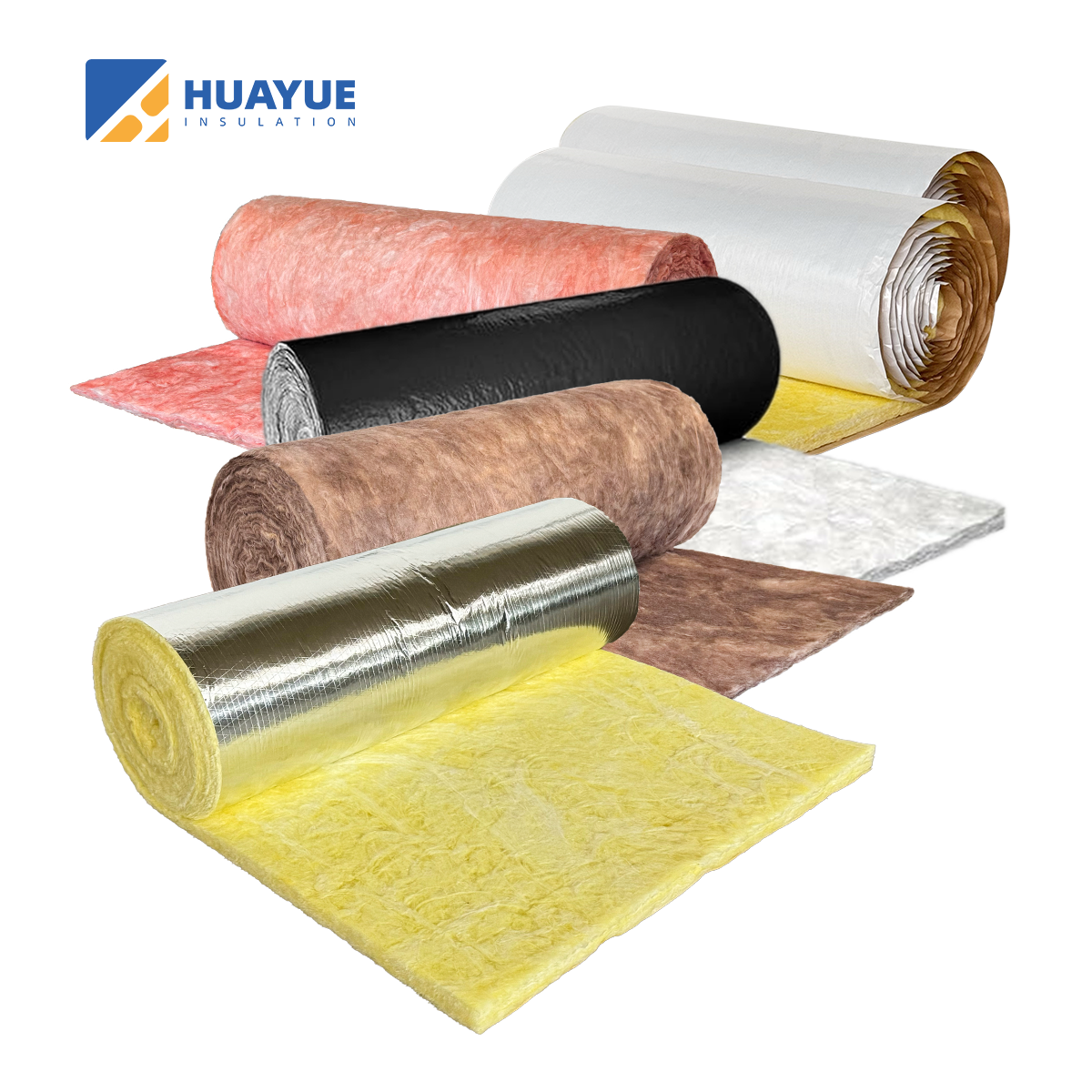
Glass wool blanket insulation covers large roof, wall, ceiling, and equipment surfaces in continuous rolls — reducing joint count and installation time. Available in thicknesses from 25 mm to 200 mm, roll widths from 600 mm to 1200 mm, with thermal conductivity typically from 0.032 to 0.044 W/m·K — confirm exact roll dimensions and facing options by inquiry. Supplied from our own and partner factories — combined capacity up to 450,000 t/yr, with a one-container MOQ and LCL support.
- Continuous roll coverage reduces joint count — fewer thermal bridges and faster installation across large roof, wall, and ceiling areas.
- Lightweight mineral fiber handles easily on scaffolding and overhead work where heavy board or blanket creates fatigue and safety risk.
- Facing options (foil, kraft, film) provide vapor control direction and surface finish without a separate installation step.
Quick Answer
Key questions buyers ask before sourcing this product.
What is it?
Flexible glass wool insulation supplied in rolls for large-area coverage and continuous installation.
Best for?
Roofs, metal buildings, ceilings, duct wrap, and large flat or curved surfaces.
Key advantage?
Roll format covers broad areas quickly and reduces joint count compared with small pieces.
Options?
roll width, thickness, density, facing type, packing style.
Next step?
Share application, area size, facing preference, quantity, destination, and document needs.
Problems This Product Solves
Common pain points this product is built to address.
Large areas create too many joints when insulated with small pieces.
Blanket rolls reduce seams and installation interruptions on roofs, metal buildings, and wrap applications.
Wrong facing can create moisture or surface problems.
Faced blanket options help match vapor-control, reflection, or surface finish needs when the assembly requires it.
Freight volume matters for export orders.
Roll and compression packing reduce shipping volume compared with loose or rigid formats, helping buyers control landed cost on large-area projects.
Buyers often need both thermal and acoustic improvement.
Glass wool blanket can support heat-flow control and sound absorption in one lightweight layer.
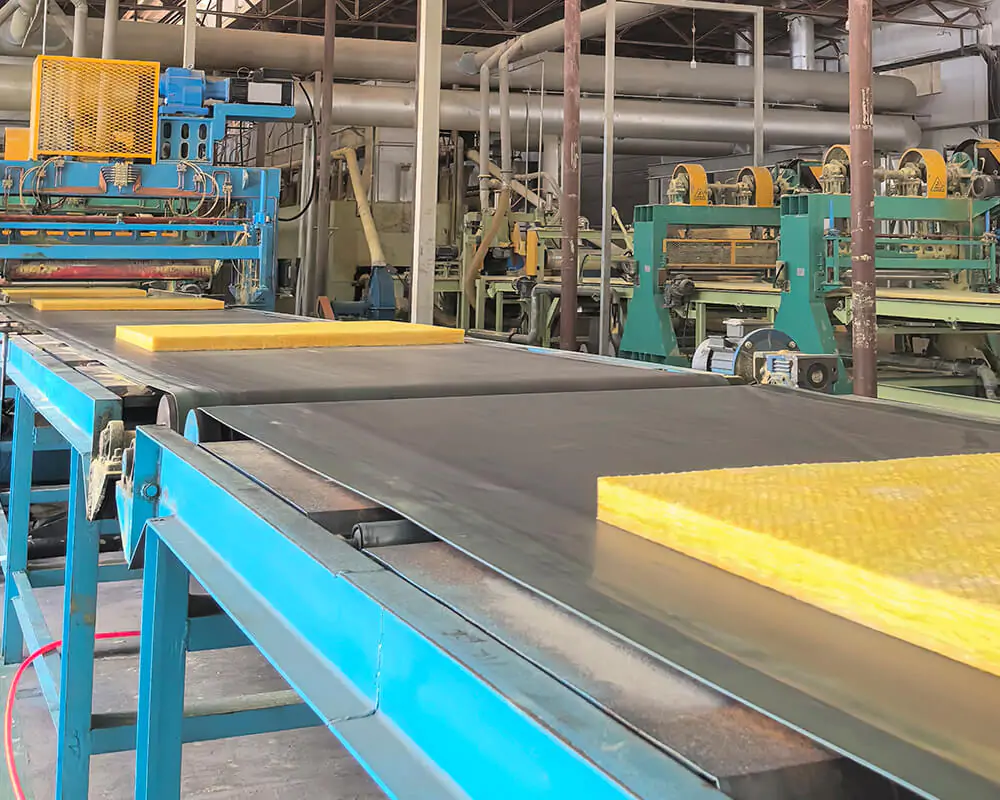
Engineered for Consistent Performance
Every batch is produced under controlled conditions and verified against international standards, so what you specify is what you receive — project after project.
Product Benefits
What sets this product apart in real projects.
Roll format
Faster installation across wide surfaces with fewer joints.
Lightweight glass fiber
Easier handling for roof, ceiling, and wrap installation.
Multiple facing routes
Helps match vapor, reflection, handling, or clean-surface requirements.
Compression packaging options
Can reduce freight volume and distributor storage pressure.
Flexible form
Adapts to broad flat or gently curved surfaces better than rigid board.
Thermal and acoustic function
One product can support both insulation and noise-control goals.
Best-Fit Applications
Glass wool blanket is most useful where installers need continuous roll coverage instead of pre-cut cavity pieces.
Metal building roofs and walls
Rolls cover long spans and can be paired with suitable facings.
Commercial ceilings
Lightweight rolls are practical for overhead insulation work.
Duct wrap and equipment wrap
Flexible blanket can wrap broad surfaces after system review.
Large roof or wall areas
Continuous format reduces repeated cutting and placement.
Distributor stock
Common faced and unfaced roll options support resale programs.
Options & Variants
Choose the form that fits your application.
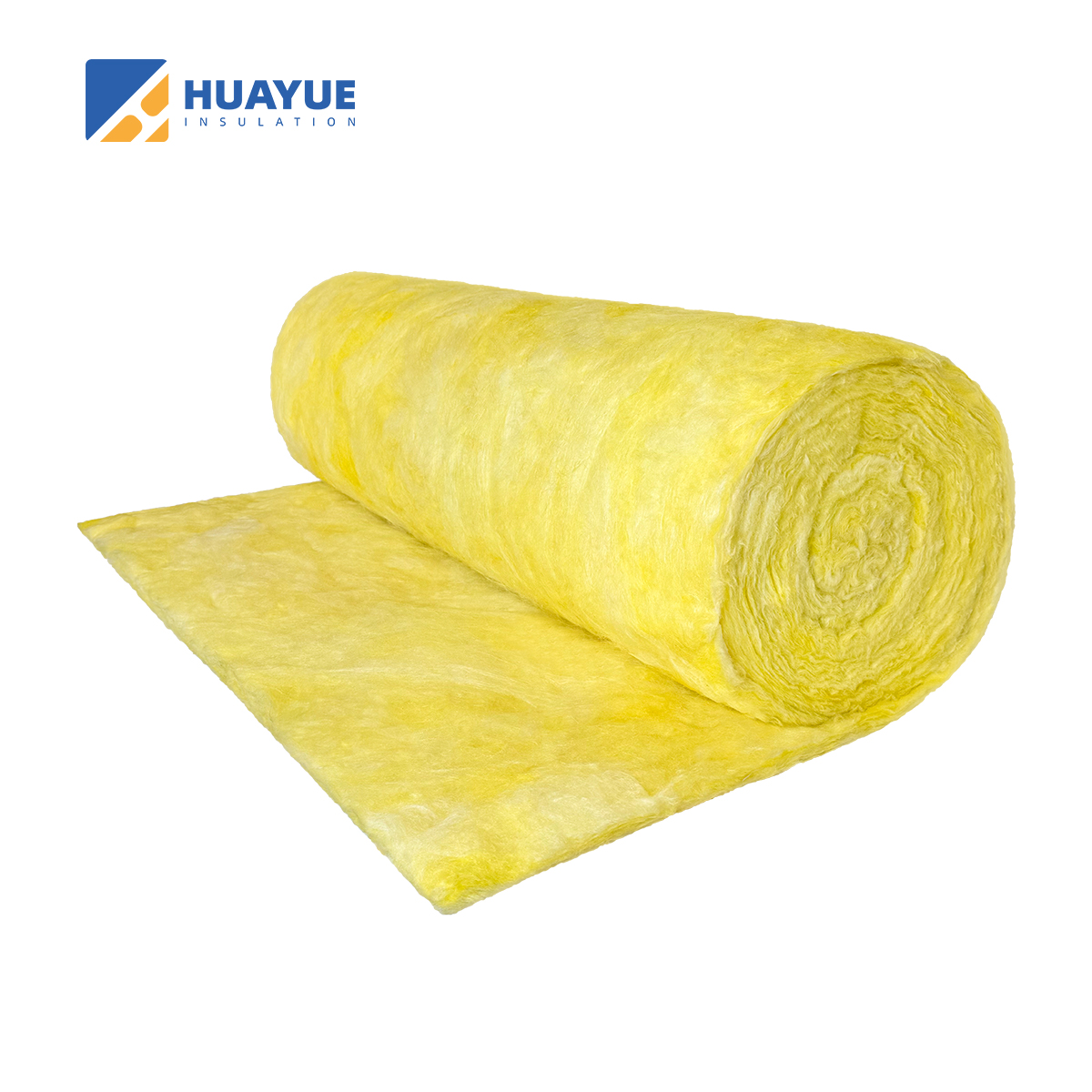
Unfaced Blanket
Bare roll — for systems with a separate vapor membrane.
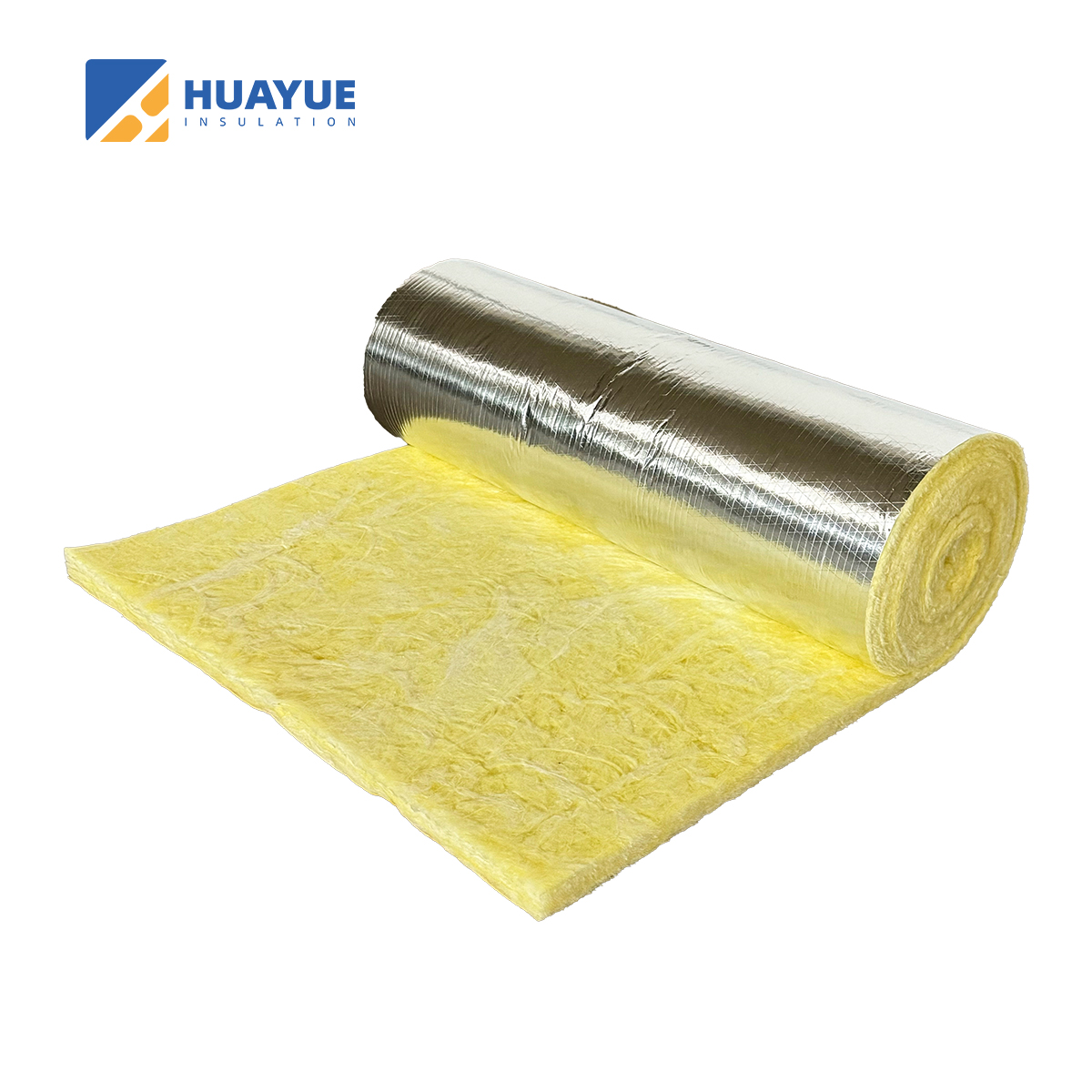
Foil Faced Blanket
Reflective foil facing — radiant-heat control plus vapor barrier.
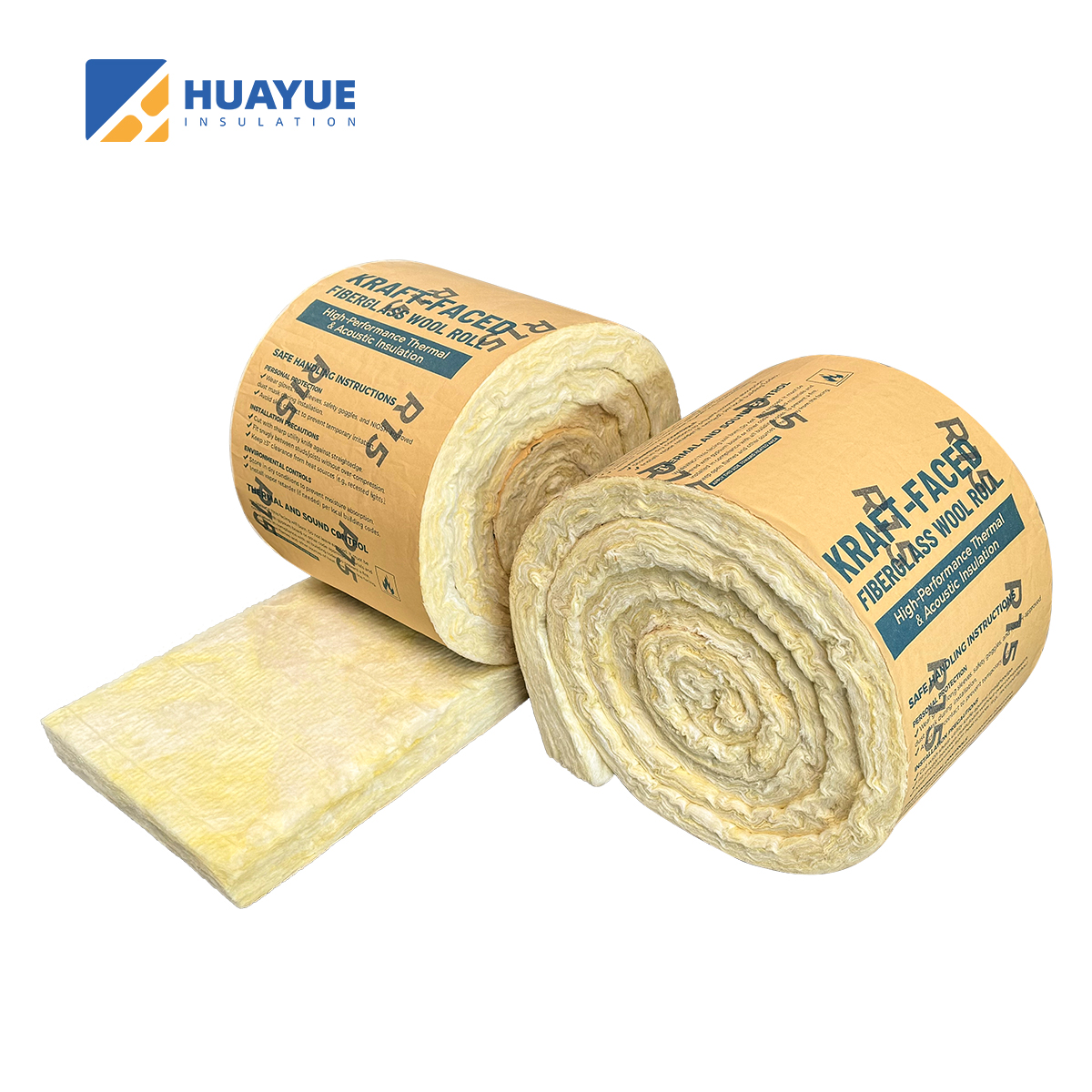
Kraft Faced Blanket
Kraft-paper facing as a built-in vapor retarder.
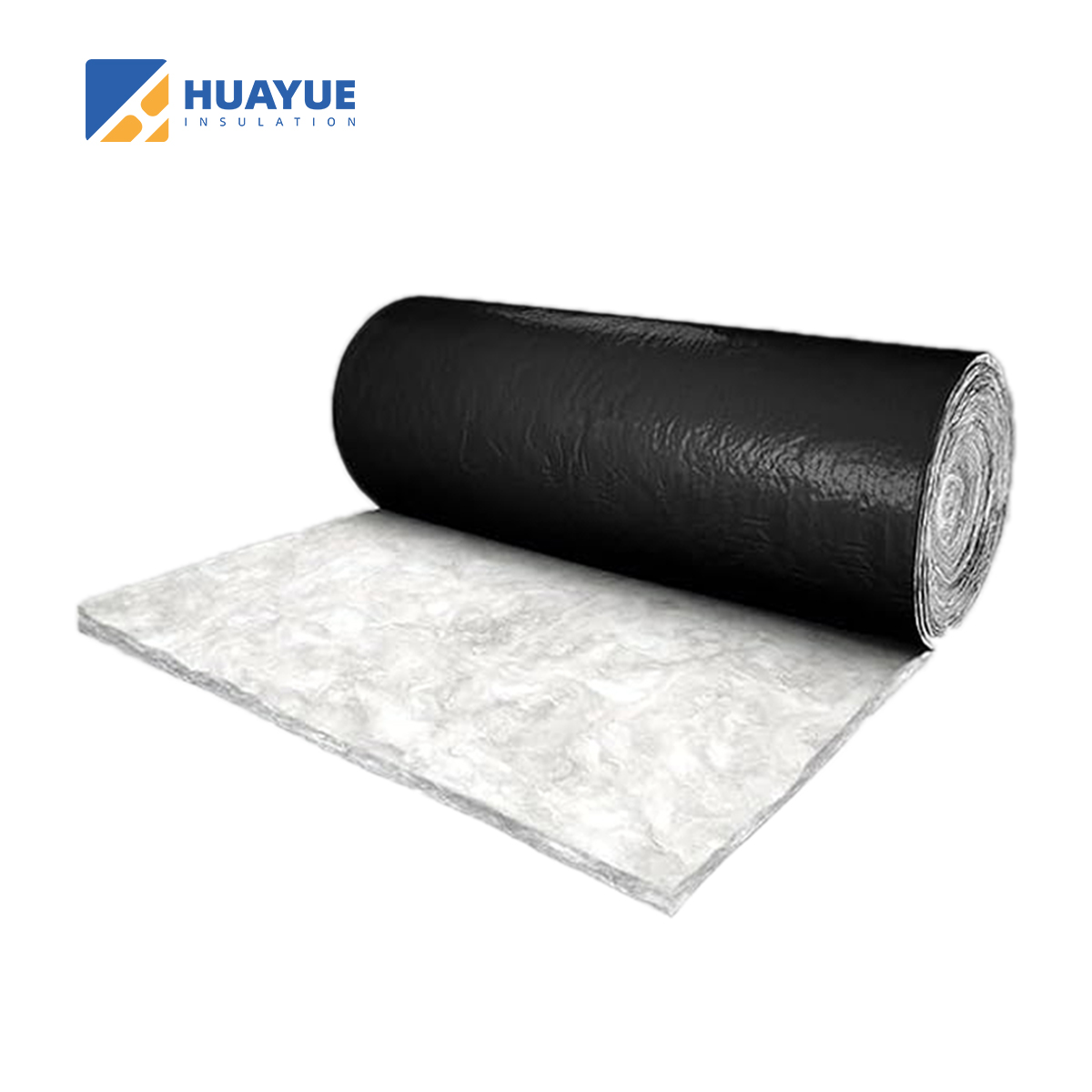
Black Fiberglass Tissue Faced Blanket
Black tissue facing — finished look for exposed surfaces.
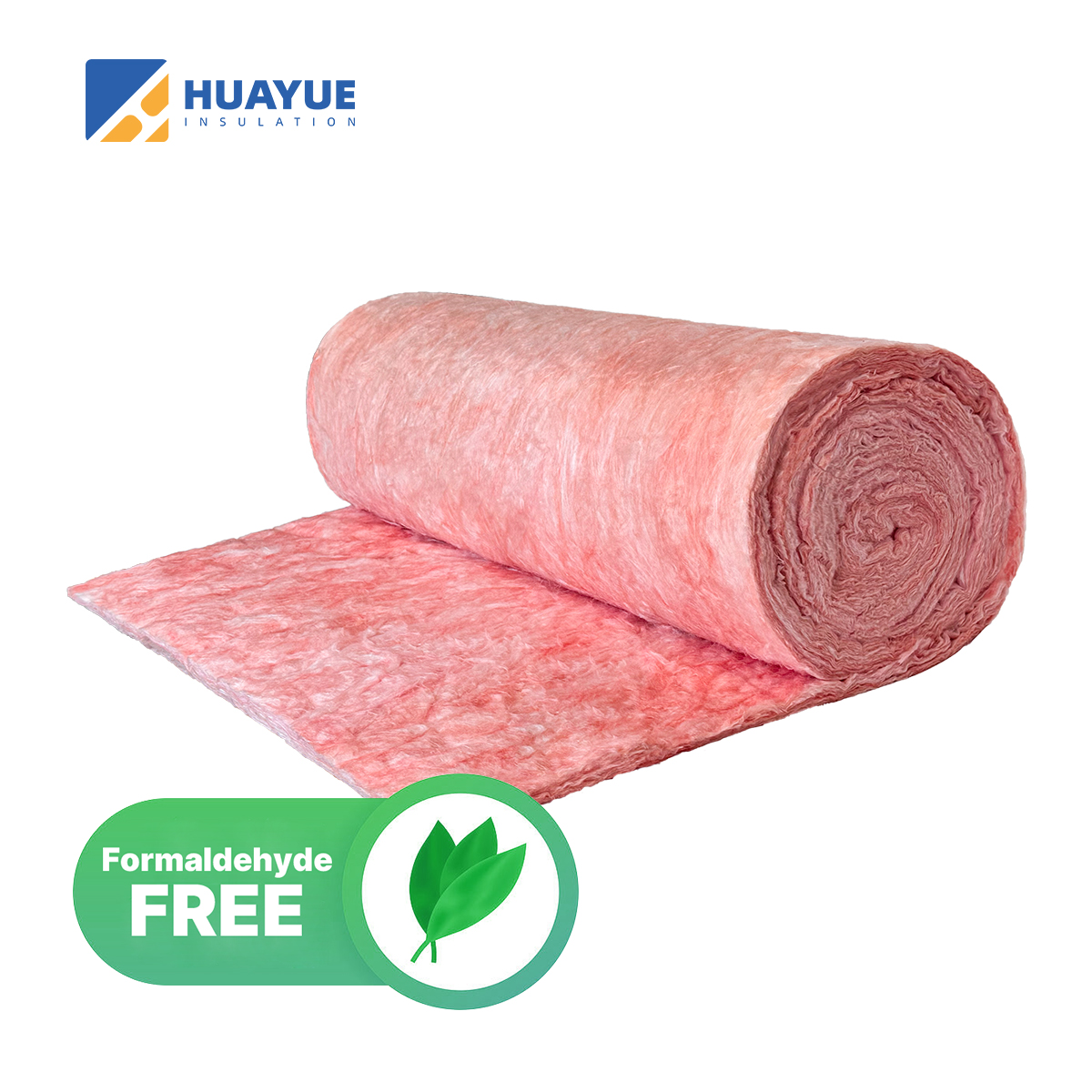
Formaldehyde-Free Blanket
No added formaldehyde — for IAQ-sensitive specs (docs on request).
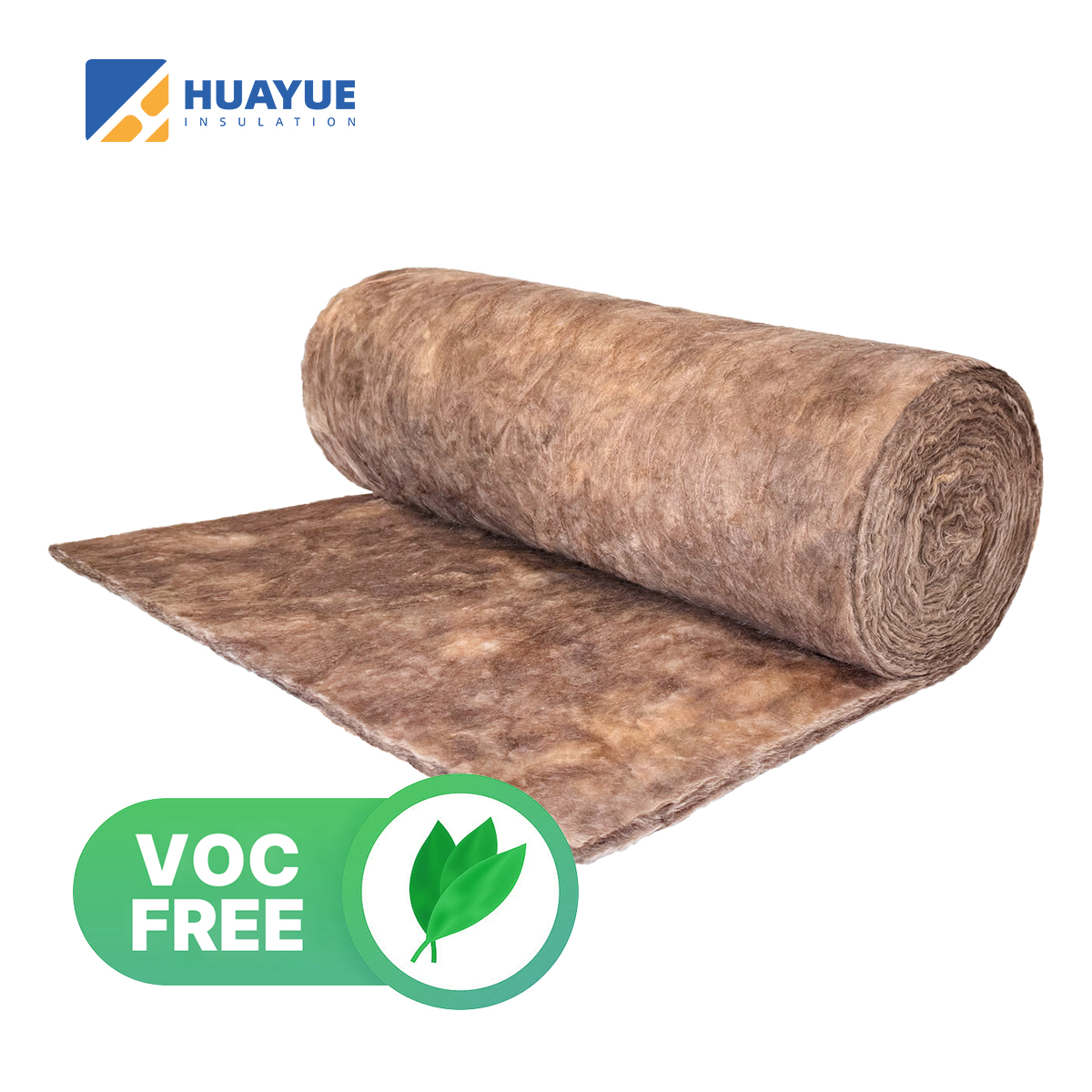
VOC-Free Blanket
Low-VOC formulation for indoor-air-quality compliance (docs on request).
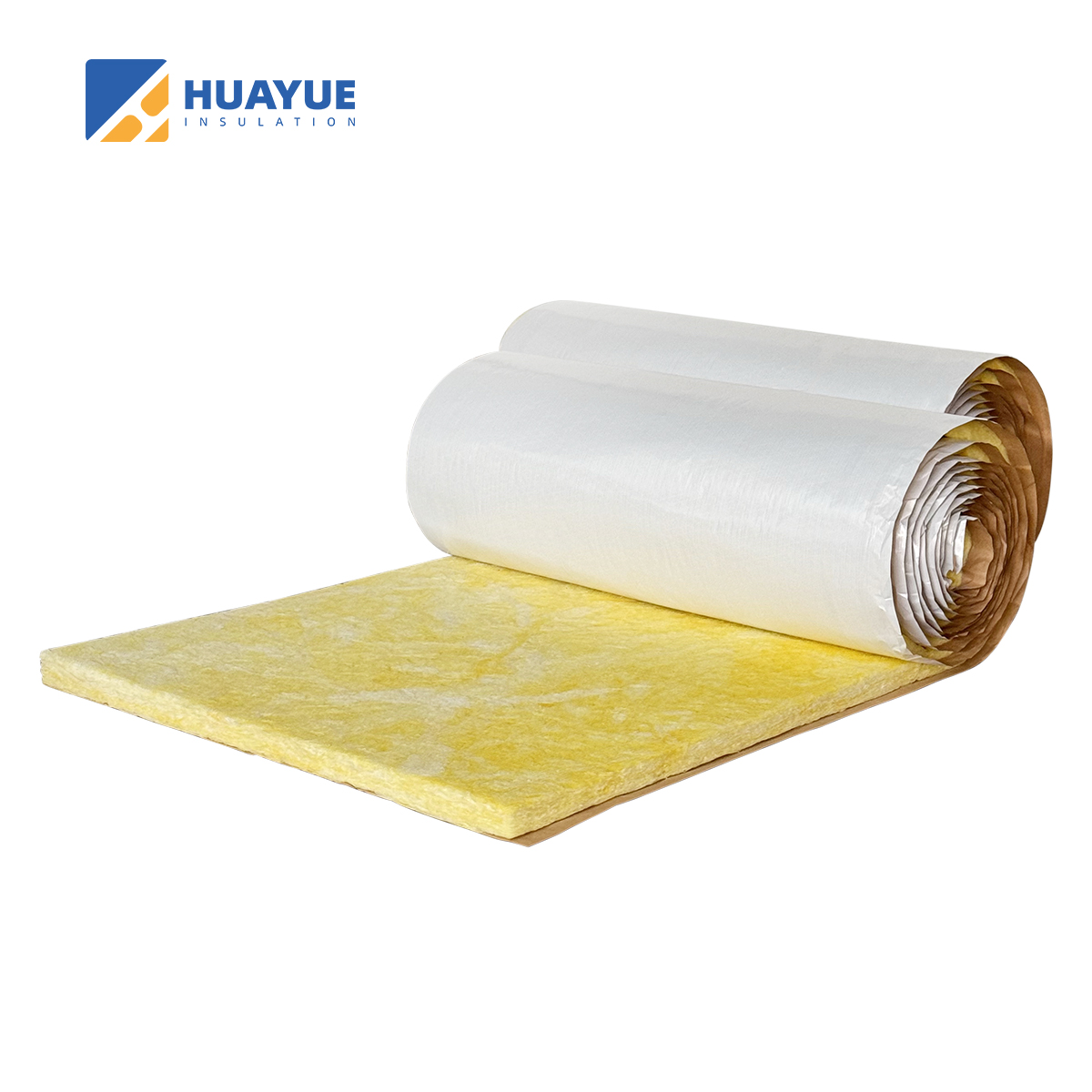
Wmsk blanket
WMSK reinforced facing for durability and vapor-control support.
Why source Glass Wool Blanket from SinoInsulation
- Own factory plus a vetted partner-factory network — combined annual capacity up to 450,000 tons.
- MOQ from one 20ft container; LCL and mixed-container (multi-material) orders supported.
- Samples before bulk orders; custom packaging, compression packing, and private-label / OEM labeling.
- ISO 9001 and CE held; ASTM and AS/NZS test reports available on request, matched to the selected product.
- One inquiry, multiple materials: combine glass wool with rock wool, rubber foam, or cellular glass in a single order.
When It's Not the Best Fit
Glass wool blanket is not the best first choice for every insulation condition. Review the project before using glass wool blanket when:
Selection Guide
Answer these to narrow down the right specification.
What surface will be insulated?
Confirms whether roll format is suitable.
Is a facing required?
Determines unfaced, foil, kraft, film, or WMSK option.
What roll size or coverage area is needed?
Helps plan width, length, quantity, and packing.
Is the surface exposed or concealed?
Helps decide facing appearance and durability needs.
Is acoustic performance important?
Helps review density and product option.
Supply & Purchasing
SinoInsulation supports glass wool blanket sourcing for building, industrial, and distributor programs.
Need datasheet or project documents?
Send your application and required product details. We can provide datasheet, packing information, and available supporting documents during quote review.
Quality & Market Certs
ISO 9001 quality system and CE marking held; ASTM and AS/NZS test reports available on request, matched to the selected product.
Product Datasheet
Get product data for the selected glass wool blanket type and option.
Packing & Labeling Details
Confirm carton, pallet, compression pack, private label, or mixed-SKU packing options.
Frequently Asked Questions
Answers to common questions about this product.
No. Blanket is supplied in rolls for large continuous surfaces. Batt is pre-cut for framed cavities.
Use unfaced blanket when vapor control is handled elsewhere. Review foil, kraft, film, or WMSK faced blanket when the assembly needs a facing option.
Choose rock wool blanket when higher density, fire resistance, or temperature tolerance is the main requirement. Glass wool blanket is usually lighter and easier to handle.
Yes, these can be reviewed as document-based product options. Confirm available qualification documents during inquiry.
Request a Quote
Tell us the surface area, thermal target, and facing preference — we will recommend the right blanket roll dimensions and packaging.