






Glass Wool Batt
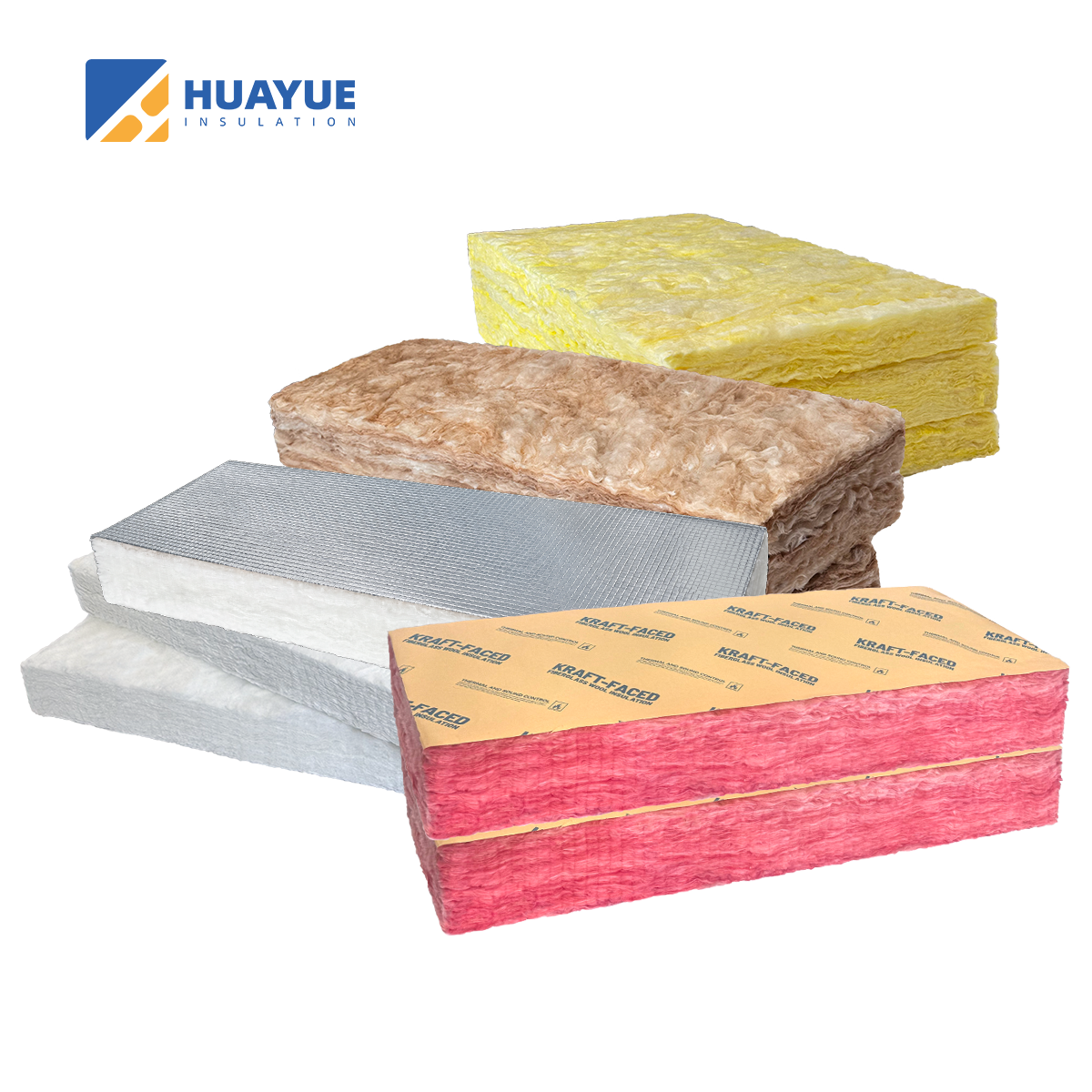
Glass wool batt fills framed cavities quickly and consistently — pre-cut to standard stud spacings (400 and 600 mm centers), 50–200 mm thick, 10–32 kg/m³ density, thermal conductivity 0.032–0.044 W/m·K. Supplied from our own and partner factories (combined capacity up to 450,000 t/yr), with a one-container MOQ and LCL support. Confirm exact R-value and facing by inquiry.
- Pre-cut to standard framing widths — friction-fit placement cuts install waste and removes field measuring.
- One product for both thermal insulation and acoustic absorption in framed cavities.
- Unfaced, kraft, foil, and formaldehyde-free facings for vapor control and green-building compliance.
Quick Answer
Key questions buyers ask before sourcing this product.
What is it?
Flexible glass wool supplied in pre-cut pieces sized for cavities between framing members.
Best for?
Framed walls, ceilings, partitions, and floor cavities in residential and light commercial construction.
Key advantage?
Pre-cut to standard cavity widths — less site cutting, less waste, faster install than rolls.
Options?
Width, thickness, density, facing (unfaced/kraft/foil), formaldehyde-free, and VOC-Free.
Next step?
Share cavity size, facing, quantity, destination, and document needs.
Problems This Product Solves
Common pain points this product is built to address.
Rigid boards won't fit snugly into standard stud cavities.
Walls at 400/600 mm centers need insulation that compresses slightly and holds by friction. Batt is pre-cut to standard stud widths for gap-free fill.
Wrong batt width means trimming waste, air gaps, and extra labor.
Too-wide batts bunch up; too-narrow batts leave convection gaps. Factory-cut widths matched to framing spacing remove field trimming and keep thermal performance consistent.
Partition walls need thermal and acoustic performance in one fill.
Interior partitions between offices and rooms need both thermal resistance and sound absorption — batt delivers both in a single cavity-fill product.
The wrong facing causes condensation inside the wall assembly.
Kraft, foil, and unfaced options serve different vapor strategies. Matching facing to the local climate prevents moisture build-up inside the cavity.
Engineered for Consistent Performance
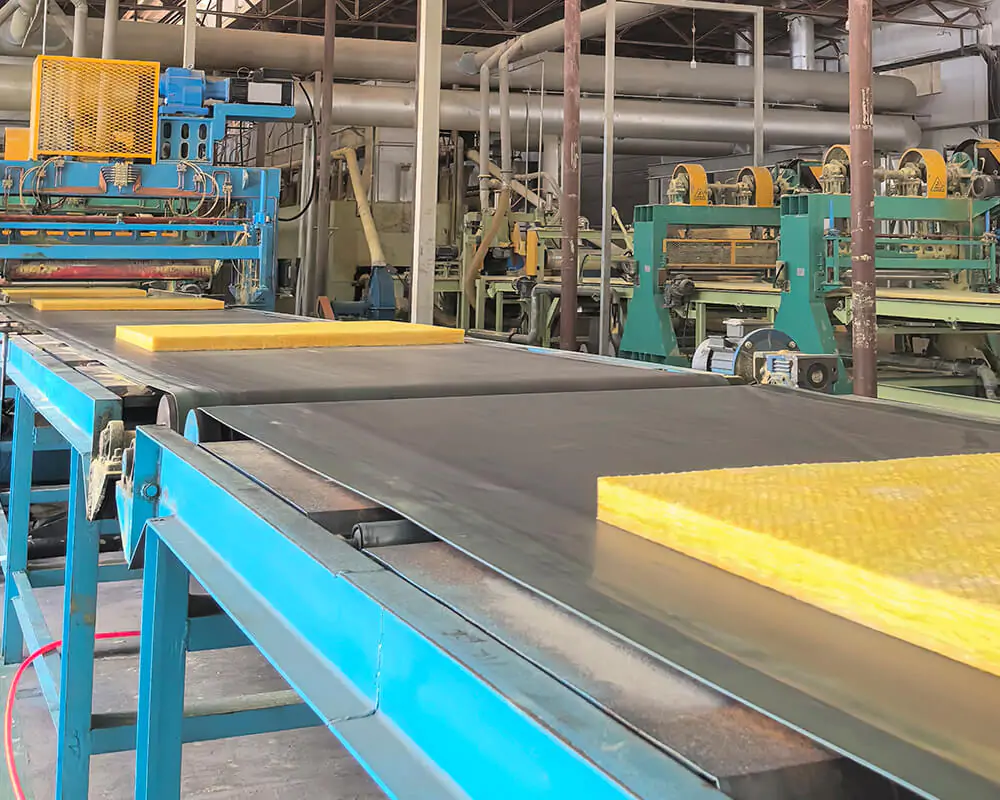
Every batch is produced under controlled conditions and verified against international standards, so what you specify is what you receive — project after project.
Product Benefits
What sets this product apart in real projects.
Pre-cut, friction-fit sizing
Stays between studs without fasteners; less site cutting and waste.
Thermal + acoustic in one product
Handles both heat flow and sound absorption in walls, ceilings, and partitions.
Lightweight glass fiber
Easier overhead install in ceilings; less installer fatigue on large jobs.
Unfaced / kraft / foil facings
Match vapor control to the climate zone and assembly design.
Compression packaging
Recovers to full thickness after unpacking; cuts freight volume for export.
Formaldehyde-free / VOC-Free options
Supports indoor-air-quality and material-qualification requirements.
Best-Fit Applications
Glass wool batt fits best in framed cavities where pre-cut pieces sit between repeated framing members.
Framed wall cavities
Pre-cut pieces fit between studs and reduce cutting waste.
Interior partition walls
Adds acoustic absorption and thermal separation in interior walls.
Ceiling cavities
Lightweight format is easy to place between ceiling joists.
Floor / joist cavities
Suits cavities over garages, crawl spaces, or conditioned areas.
Distributor stock
Common widths, facings, and packs support contractor supply programs.
Options & Variants
Choose the form that fits your application.
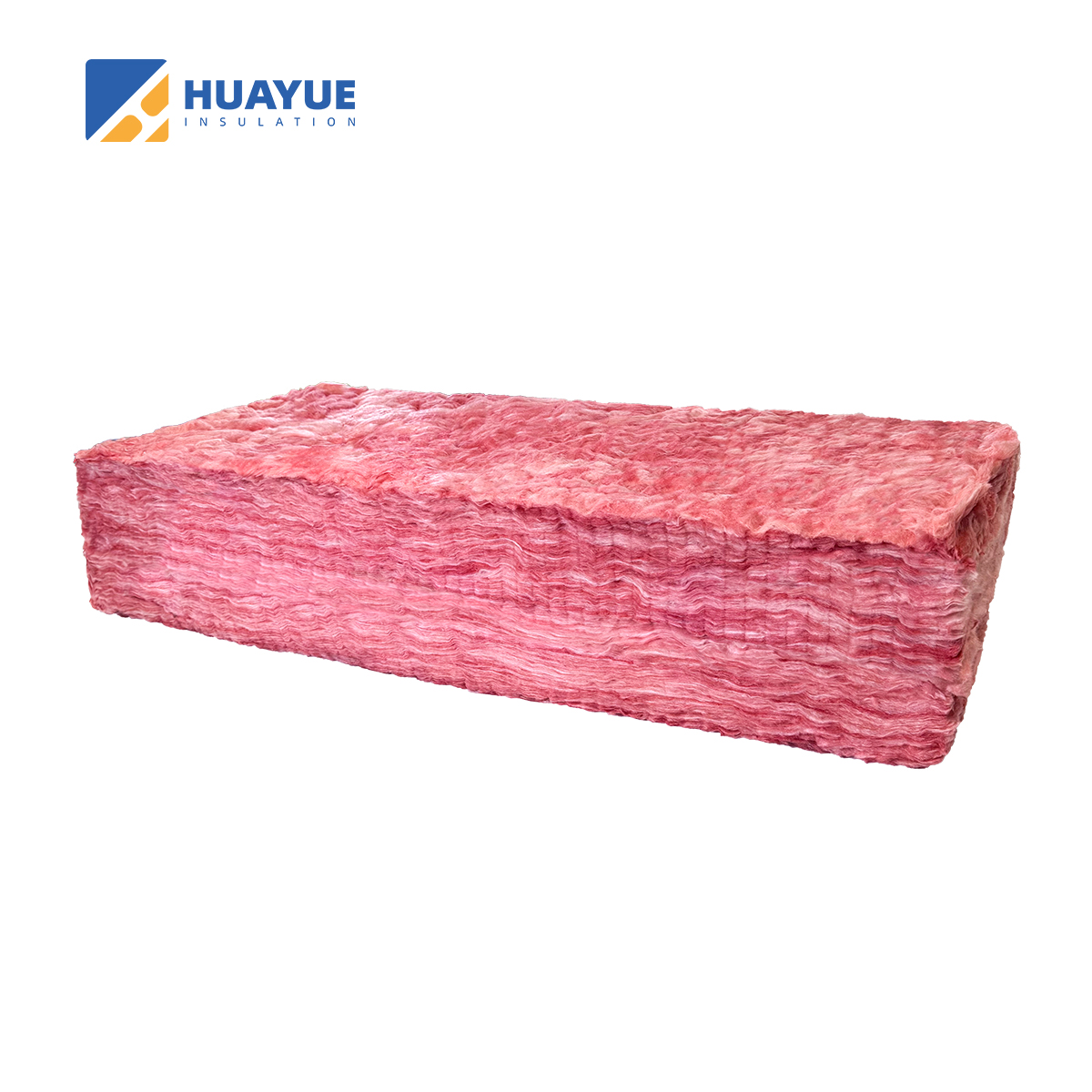
Unfaced Batt
Bare mineral-wool batt — for systems with a separate vapor membrane.
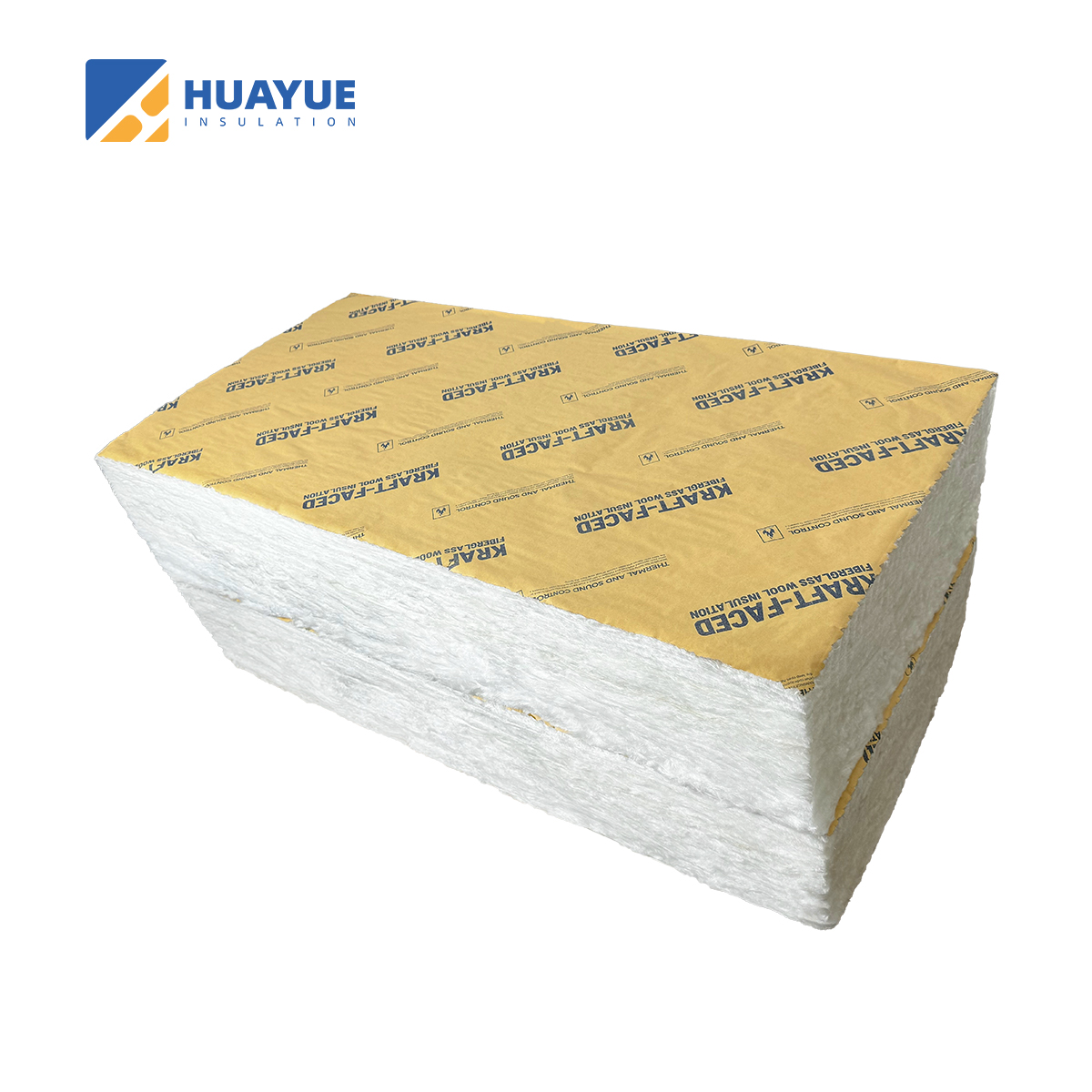
Kraft Faced Batt
Kraft-paper facing acts as a built-in vapor retarder.
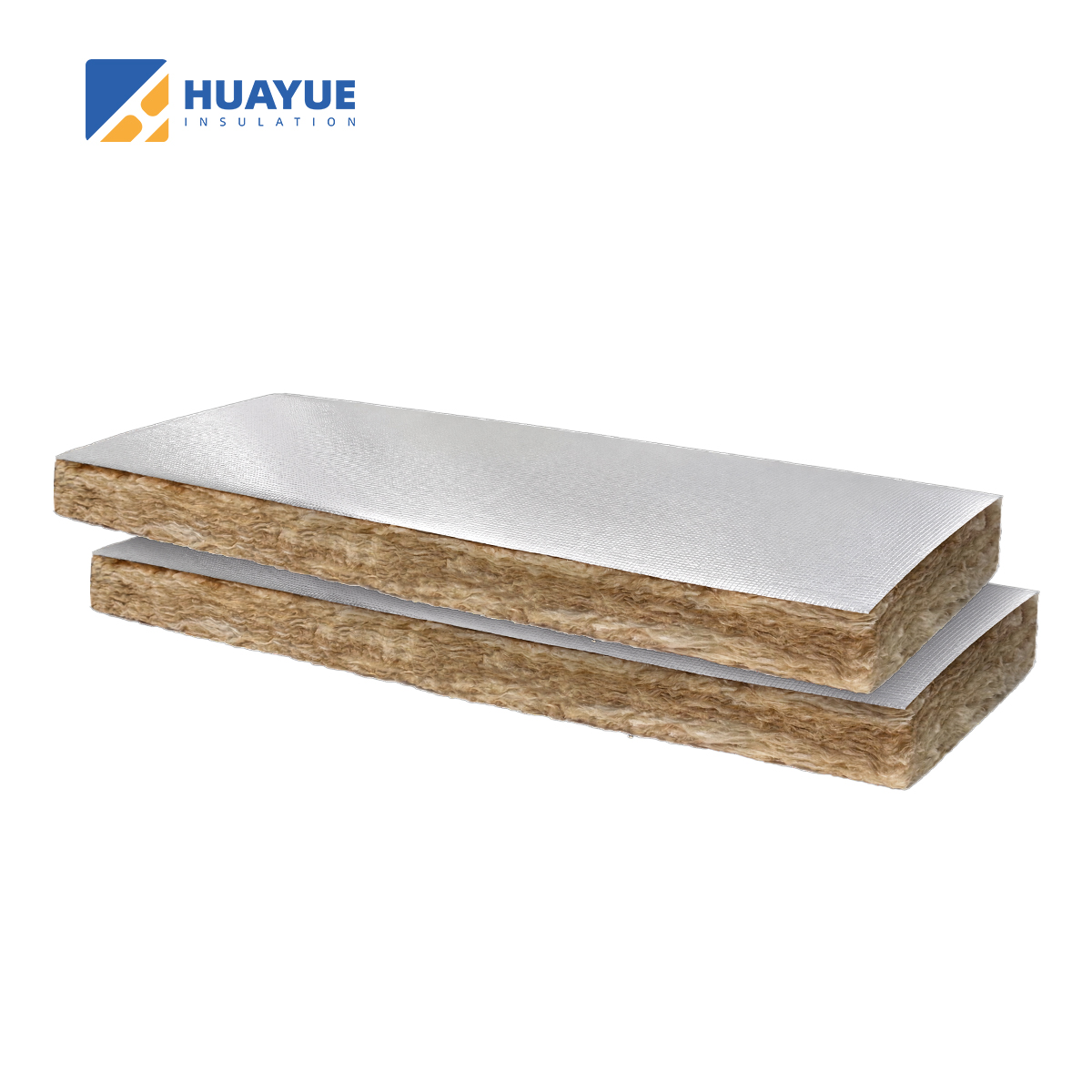
Foil Faced Batt
Reflective foil facing — radiant-heat control plus vapor-barrier support.
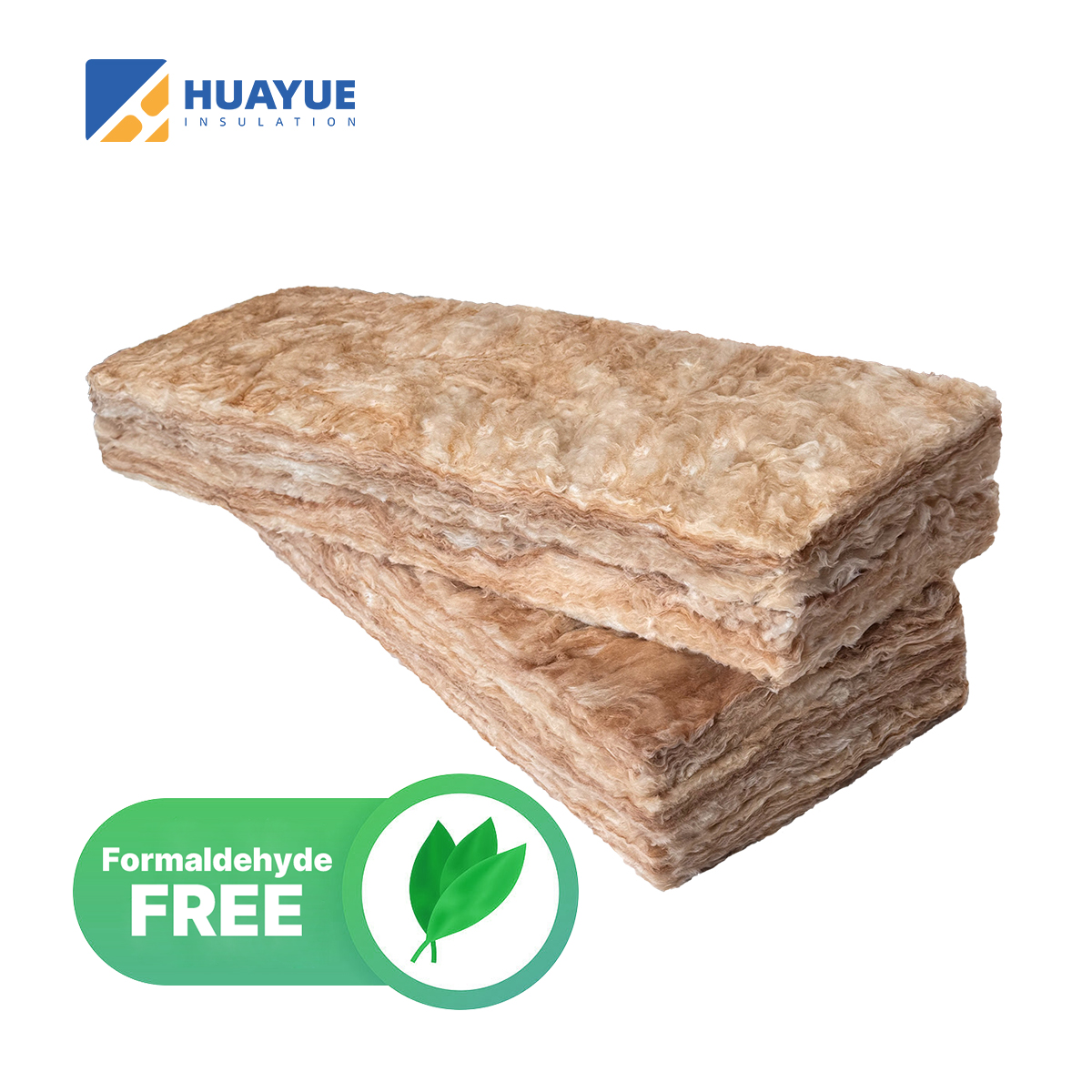
Formaldehyde-Free Batt
No added formaldehyde — for IAQ-sensitive specs (docs on request).
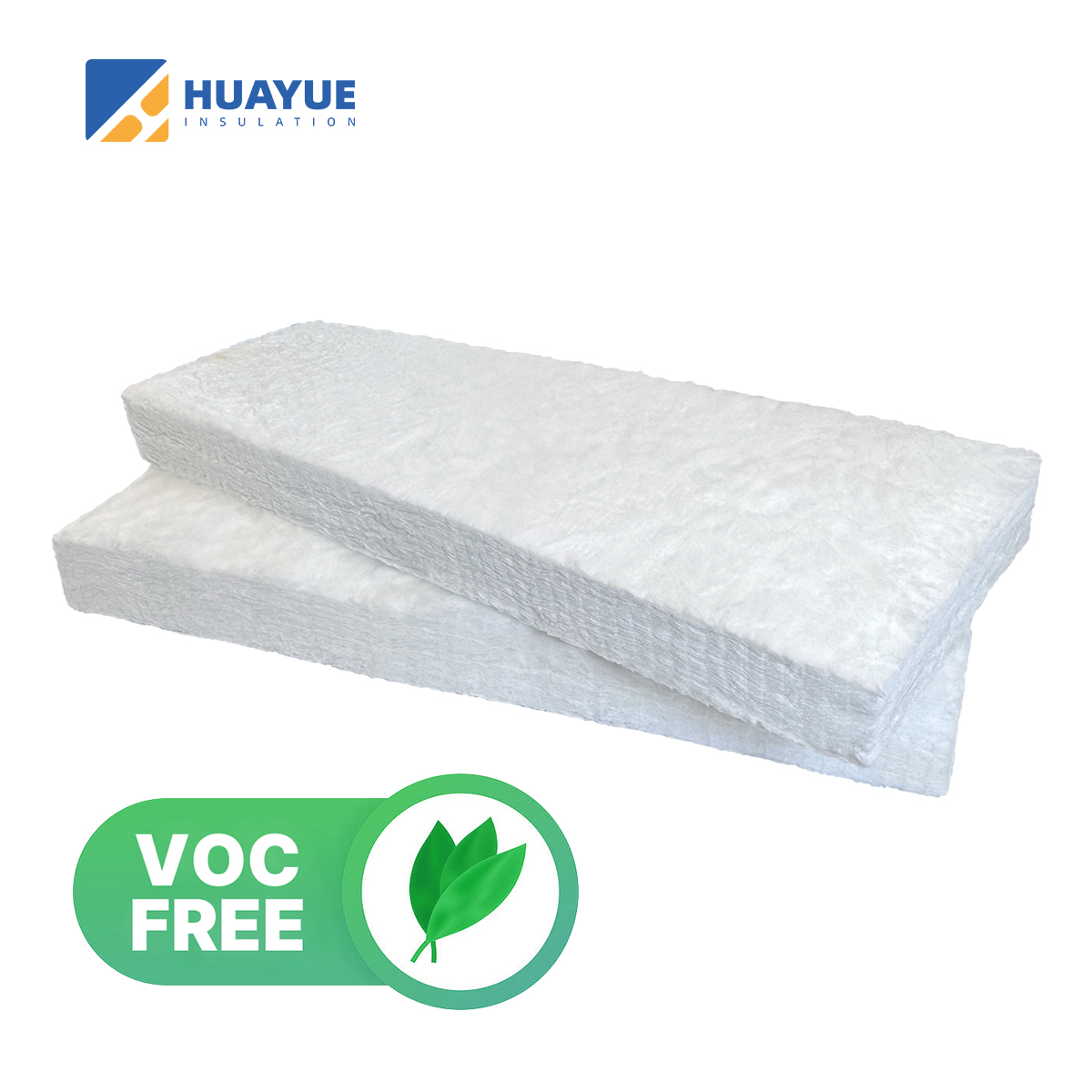
VOC-Free Batt
Low-VOC formulation for indoor-air-quality compliance (docs on request).
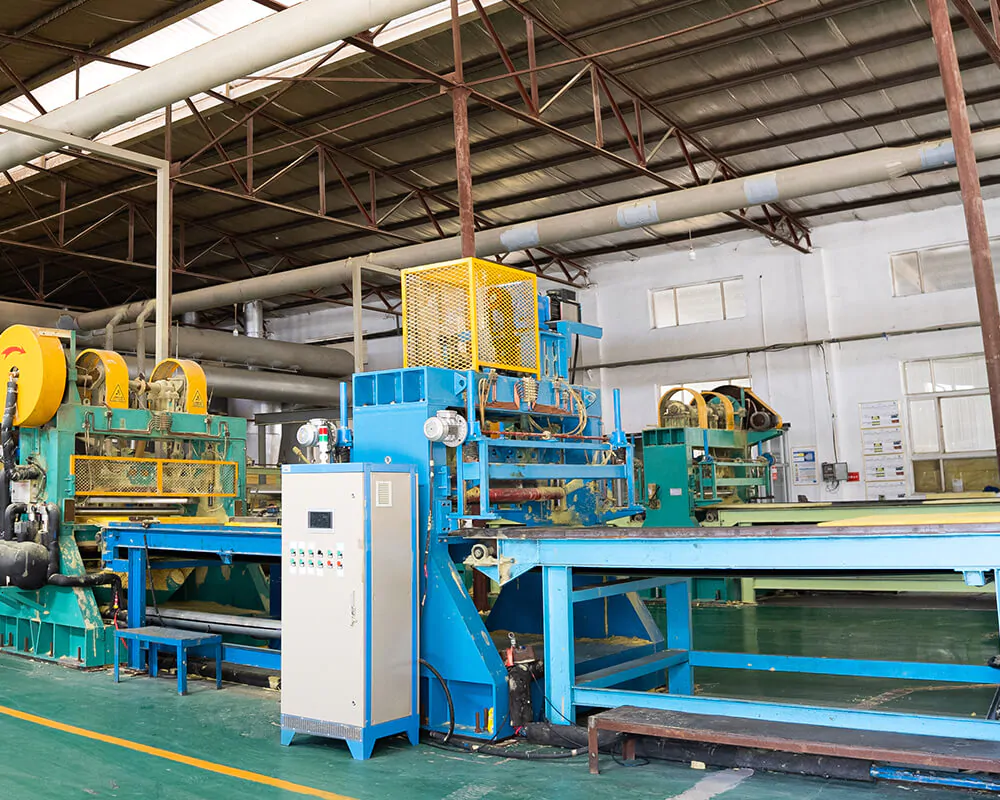
Why source Glass Wool Batt from SinoInsulation
- Own factory plus a vetted partner-factory network — combined annual capacity up to 450,000 tons.
- MOQ from one 20ft container; LCL and mixed-container (multi-material) orders supported.
- Samples before bulk orders; custom packaging, compression packing, and private-label / OEM labeling.
- ISO 9001 and CE held; ASTM and AS/NZS test reports available on request, matched to the selected product.
- One inquiry, multiple materials: combine batt with rock wool, rubber foam, or cellular glass in a single order.
When It's Not the Best Fit
Batt is not the best first choice for every condition. Review the project before using batt when:
Selection Guide
Answer these to narrow down the right specification.
Wall, partition, ceiling, or floor cavity?
Confirms batt is the right product form.
Is a facing required, and which one?
Sets unfaced, kraft, or foil — and the vapor strategy.
Is acoustic performance important?
Guides density and cavity-fill selection.
Ordering for a project or for distribution?
Plans packaging, labeling, and mixed-SKU supply.
Supply & Purchasing
SinoInsulation supplies glass wool batt for construction, distributor, and contractor programs.
Need datasheet or project documents?
Send your application and product details. We provide the datasheet, packing information, and supporting documents during quote review.
Quality & Market Certs
ISO 9001 quality system and CE marking held; ASTM and AS/NZS test reports on request.
Product Datasheet
Density, thermal conductivity, and R-value for the selected batt type and facing.
Packing & Labeling
Compression pack, carton, private label, and mixed-SKU container options.
Frequently Asked Questions
Answers to common questions about this product.
No. Batt comes as pre-cut pieces for framed cavities; blanket comes in rolls for large continuous surfaces like roofs, metal buildings, or duct wrap.
Use unfaced batt when the system handles vapor control separately; choose kraft or foil when the assembly design calls for a facing. Final choice should match the wall or ceiling build-up.
Use rock wool when the project needs higher density, fire resistance, or temperature tolerance. Glass wool batt is lighter and typically lower cost for standard residential and light commercial cavities.
Yes. Both are available as product options; contact us to confirm the qualification documents for your project.
MOQ is one 20ft container. We accept LCL and mixed-material containers, so you can combine batt with rock wool, rubber foam, or cellular glass in a single order. Samples are available before bulk orders.
Request a Quote
Tell us the cavity dimensions and performance targets — we'll recommend the right batt thickness, density, and facing.