








Flexible Duct Glass Wool
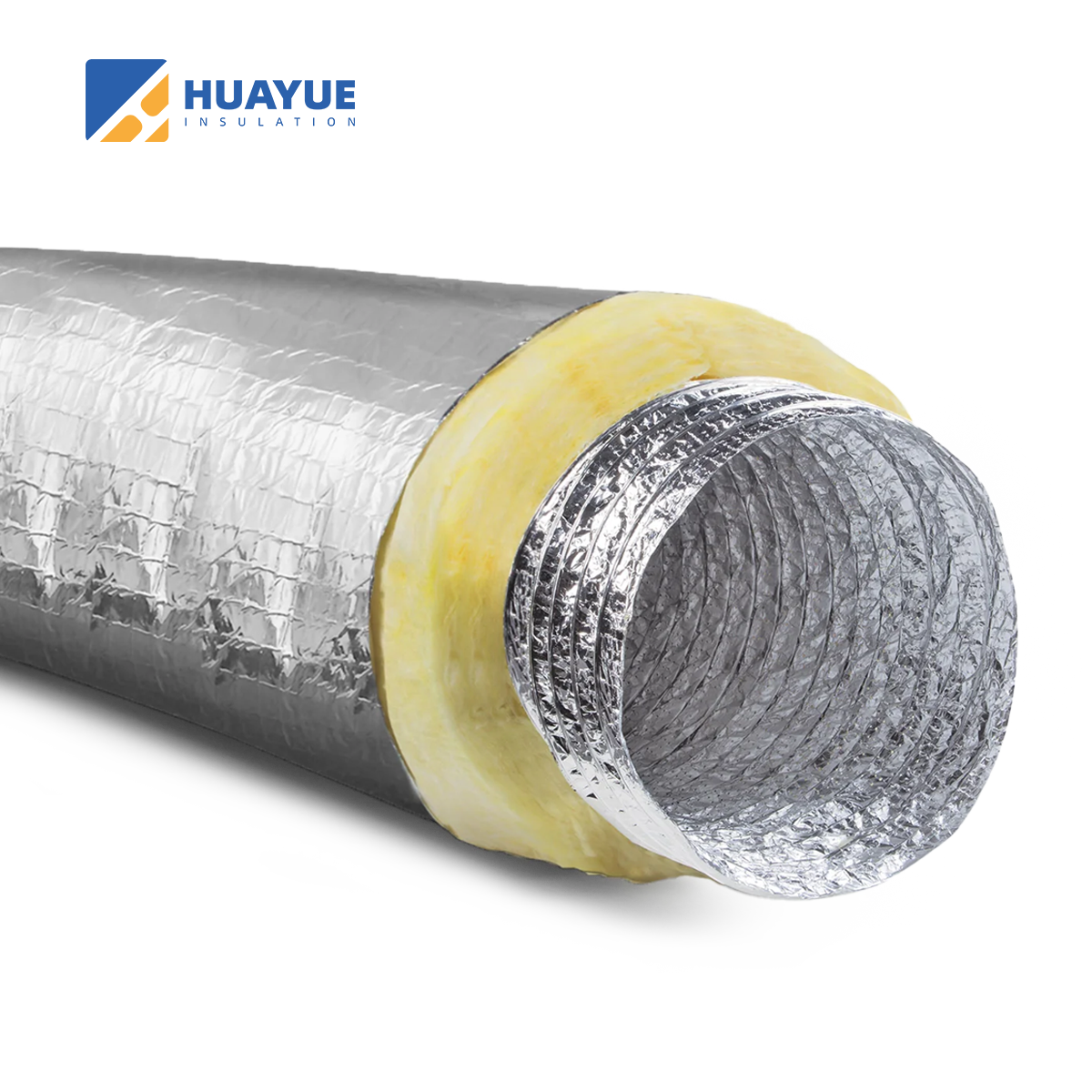
Flexible duct glass wool provides pre-insulated flexible air-distribution runs for HVAC branch connections and tight spaces — combining duct, thermal insulation, and acoustic absorption in one product. Available in diameters from 100 mm to 400 mm with R-values typically from R-4.2 to R-8.0 — confirm exact thermal and acoustic data by inquiry. Supplied from our own and partner factories — combined capacity up to 450,000 t/yr, with a one-container MOQ and LCL support.
- Pre-insulated flexible duct combines duct structure, thermal insulation, and acoustic absorption — no separate wrapping or lining step.
- Flexible format follows tight ceiling voids and offset connections where rigid metal duct cannot physically fit.
- Non-combustible glass wool insulation layer — unlike foam-insulated flexible duct alternatives.
Quick Answer
Key questions buyers ask before sourcing this product.
What is it?
Flexible duct products using glass wool insulation around air-distribution ducting for thermal and acoustic support.
Best for?
Air distribution runs, flexible HVAC connections, acoustic duct options, and custom diameter duct needs.
Key advantage?
Flexible duct format combines air path flexibility with insulation support for installation in constrained spaces.
Options?
duct diameter, insulation thickness, jacket type, length, acoustic application.
Next step?
Share duct diameter, length, jacket type, quantity, destination, and document needs.
Problems This Product Solves
Common pain points this product is built to address.
Rigid ductwork cannot navigate tight turns in ceiling plenums.
When HVAC supply runs must option around structural members, plumbing, or electrical conduit, rigid metal ducts require costly offsets and fittings. Flexible duct bends to follow the available path.
Separate insulation of rigid ducts adds labor cost.
Wrapping rigid metal ducts with blanket insulation after fabrication is a second trade step. Pre-insulated flexible duct eliminates this step — insulation is built in.
Condensation drips from uninsulated flexible connections.
Short flex connections between rigid duct sections often go uninsulated, creating cold spots where moisture condenses and drips onto ceiling tiles. Insulated flexible duct covers the full run.
Noise travels through uninsulated flex runs.
Uninsulated flexible duct transmits fan noise and airflow sound directly into occupied spaces. An insulated flex duct with acoustic inner liner reduces breakout noise.
Engineered for Consistent Performance
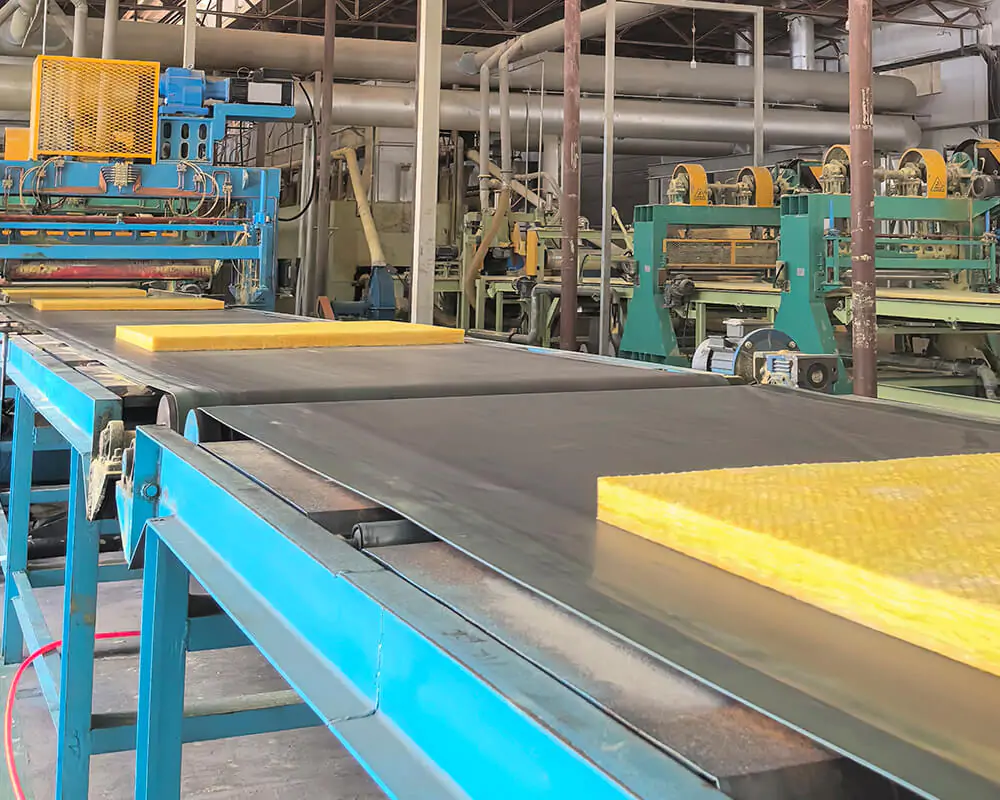
Every batch is produced under controlled conditions and verified against international standards, so what you specify is what you receive — project after project.
Product Benefits
What sets this product apart in real projects.
Pre-insulated construction
No separate insulation step — glass wool is built into the duct assembly.
Flexible routing
Bends around obstacles in constrained ceiling plenums without rigid fittings.
Acoustic inner liner options
Reduces breakout noise from fan and airflow sound into occupied spaces.
Outer jacket choices (foil, black, metalized)
Vapor protection, appearance, and handling durability matched to the installation.
Standard diameter range
Matches common HVAC system sizing for branch air distribution.
Lightweight assembly
Easier to handle and hang overhead compared to rigid metal duct plus separate insulation.
Best-Fit Applications
Branch air distribution in ceiling plenums
Flexible routing around obstacles without rigid offsets.
Connections between rigid duct sections
Short flex runs absorb vibration and accommodate misalignment.
Residential HVAC supply runs
Pre-insulated, lightweight, fast to install in attic and ceiling spaces.
Tight-space HVAC routing
Bends to follow available paths where rigid duct cannot fit.
Temporary or relocatable HVAC systems
Easy to install, reposition, and remove.
Why source Flexible Duct Glass Wool from SinoInsulation
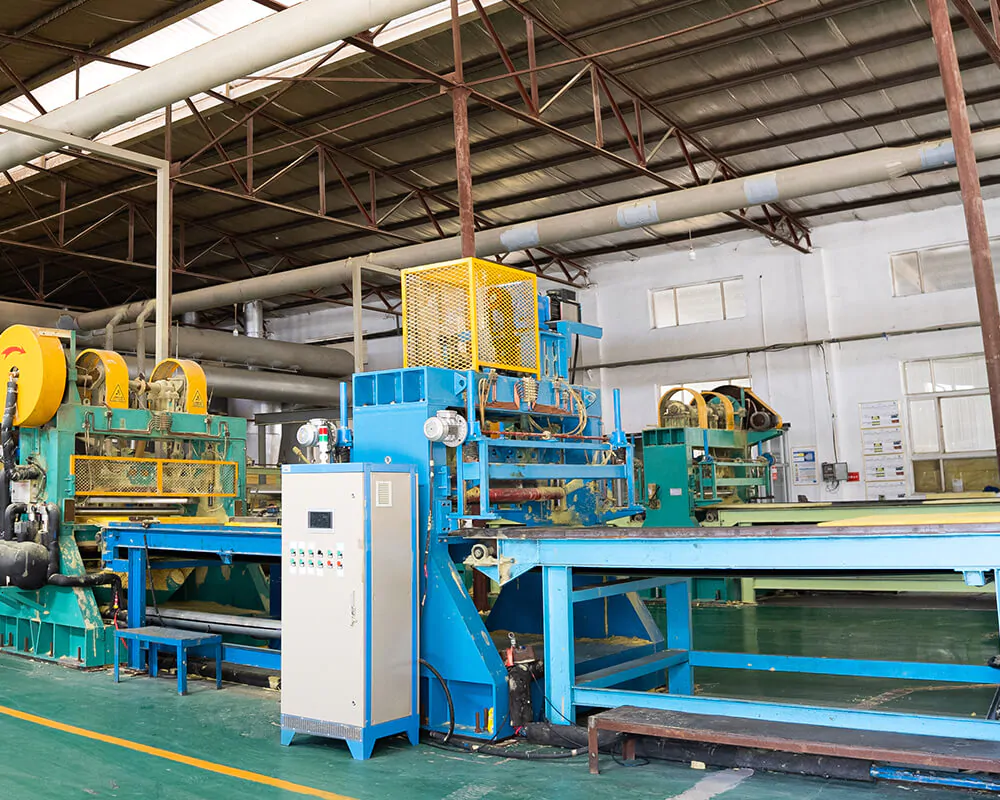
- Own factory plus a vetted partner-factory network — combined annual capacity up to 450,000 tons.
- MOQ from one 20ft container; LCL and mixed-container (multi-material) orders supported.
- Samples before bulk orders; custom packaging, compression packing, and private-label / OEM labeling.
- ISO 9001 and CE held; ASTM and AS/NZS test reports available on request, matched to the selected product.
- One inquiry, multiple materials: combine glass wool with rock wool, rubber foam, or cellular glass in a single order.
When It's Not the Best Fit
Flexible duct glass wool is not the best first choice for every HVAC condition. Review the project before using flexible duct when:
Selection Guide
Answer these to narrow down the right specification.
Is the duct run a branch distribution line or a main trunk duct?
Flexible duct is designed for branch runs and connections. Main trunk ducts require rigid duct board or metal duct with separate insulation.
Which diameter and length is required?
Helps define the quote-ready product option.
Is jacket type and acoustic requirement specified?
Determines the correct variant option.
Supply & Purchasing
SinoInsulation supports flexible duct glass wool sourcing for HVAC contractors and distributor programs.
Need datasheet or project documents?
Send your application and required product details. We can provide datasheet, packing information, and available supporting documents during quote review.
Quality & Market Certs
ISO 9001 quality system and CE marking held; ASTM and AS/NZS test reports available on request, matched to the selected product.
Product Datasheet
Get product data for the selected flexible duct glass wool type and option.
Packing & Labeling Details
Confirm carton, pallet, compression pack, private label, or mixed-SKU packing options.
Frequently Asked Questions
Answers to common questions about this product.
Use flexible duct for short branch runs, tight routing through confined ceiling voids, and offset connections where rigid duct cannot follow the path. Rigid duct is better for long runs and high-pressure systems.
The insulation is factory-integrated — the flexible duct comes pre-insulated with glass wool between the inner liner and outer jacket. No separate wrapping step is needed.
Insulation thickness and thermal performance vary by product. Confirm available R-values from the product datasheet against the project's thermal requirements.
Fire and smoke classification depends on the specific product and installation location. Confirm test data for the exact product against the project's code requirements.
Available diameters must be confirmed from the product range. Share the required duct sizes, lengths, and connection types for quotation.
Request a Quote
Tell us the duct diameters, run lengths, and insulation requirements — we will confirm product availability and thermal performance.