








Direct HVAC Duct Glass Wool
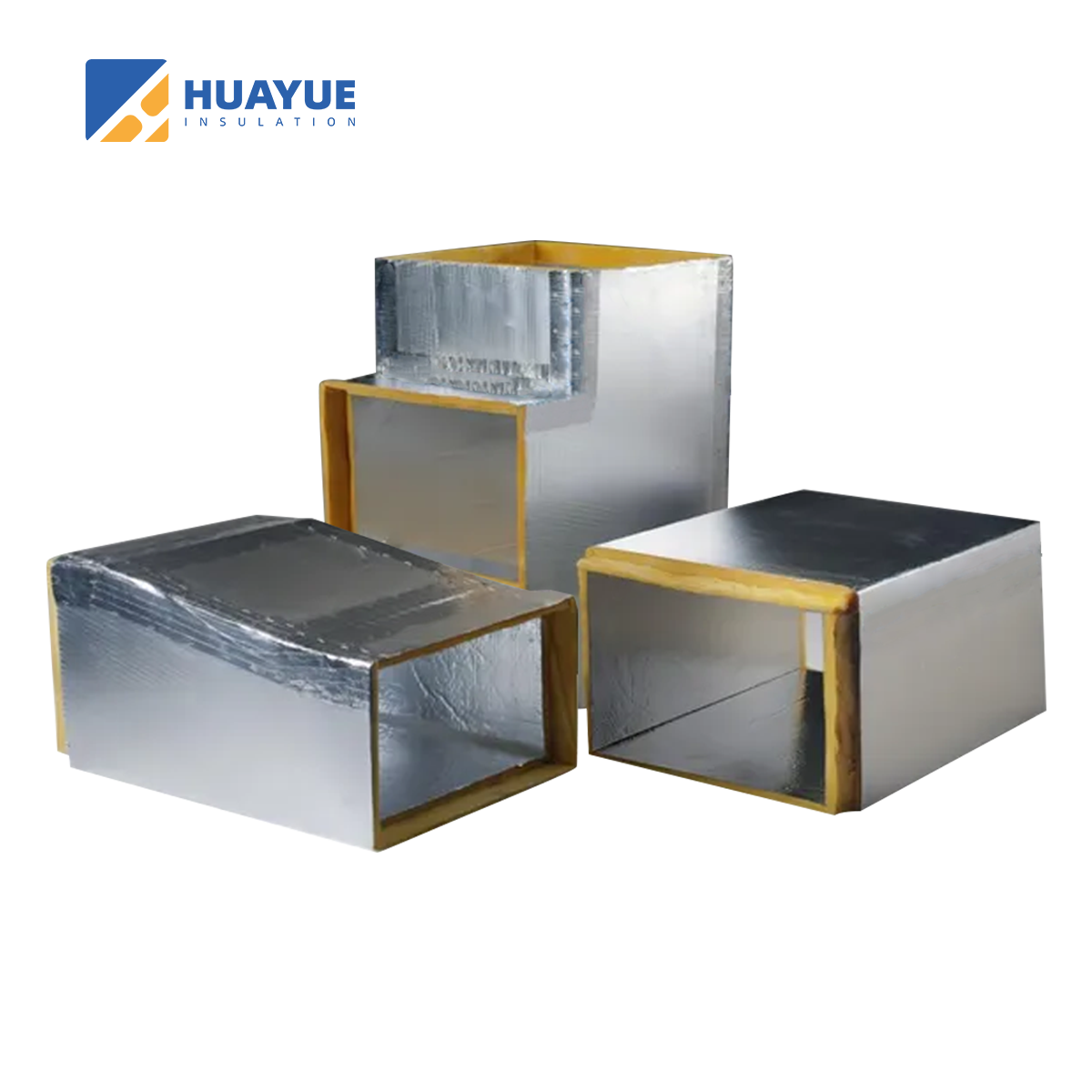
Direct HVAC duct glass wool provides rigid glass wool board that serves as both duct structure and insulation in one material — eliminating separate duct fabrication and wrapping. Board density typically from 48 to 96 kg/m³, thicknesses from 25 mm to 50 mm, with thermal conductivity around 0.032 to 0.040 W/m·K at 24 °C — confirm exact density, facing, and acoustic data by inquiry. Supplied from our own and partner factories — combined capacity up to 450,000 t/yr, with a one-container MOQ and LCL support.
- Rigid board serves as both duct structure and insulation — eliminates separate sheet metal fabrication and insulation wrapping steps.
- Glass wool core provides acoustic absorption inside the duct, reducing airflow noise that sheet metal ducts transmit.
- Pre-scored boards matched to duct dimensions reduce fabrication time and produce consistent duct cross-sections.
Quick Answer
Key questions buyers ask before sourcing this product.
What is it?
Glass wool board or panel products used for HVAC duct construction, duct lining, or direct duct insulation options.
Best for?
HVAC duct board, duct liner, air distribution panels, and pre-cut duct insulation needs.
Key advantage?
Duct-specific board format supports thermal insulation, acoustic absorption, and defined duct panel handling in one option.
Options?
board size, facing, density option, pre-cut size, duct application.
Next step?
Share duct application, board size, facing, quantity, destination, and document needs.
Problems This Product Solves
Common pain points this product is built to address.
Noise transmits through thin metal ductwork.
Sheet metal ducts radiate airborne noise from fans, dampers, and airflow turbulence into occupied spaces. Glass wool duct board with an acoustic tissue liner absorbs breakout noise inside the duct, reducing sound transmission without adding a separate acoustic treatment step.
Separate insulation adds labor to duct fabrication.
When rigid ducts are built from sheet metal first and insulated afterward, the project carries two trade steps and two material handling sequences. Duct board that doubles as structure and insulation combines both steps, cutting fabrication time on site or in the shop.
Condensation forms on cold-air ducts without a sealed vapor barrier.
Uninsulated or poorly sealed cold-air supply ducts sweat in humid environments, causing drip damage to ceilings and corrosion on duct surfaces. Foil-faced duct board provides an integrated vapor barrier that reduces condensation risk when joints are properly sealed.
Sourcing pre-scored boards matched to duct dimensions is difficult.
Contractors fabricating ducts from standard flat boards spend significant time measuring and scoring. Pre-scored duct board matched to common duct dimensions speeds layout, reduces material waste, and lowers the skill threshold for consistent duct assembly.
Engineered for Consistent Performance
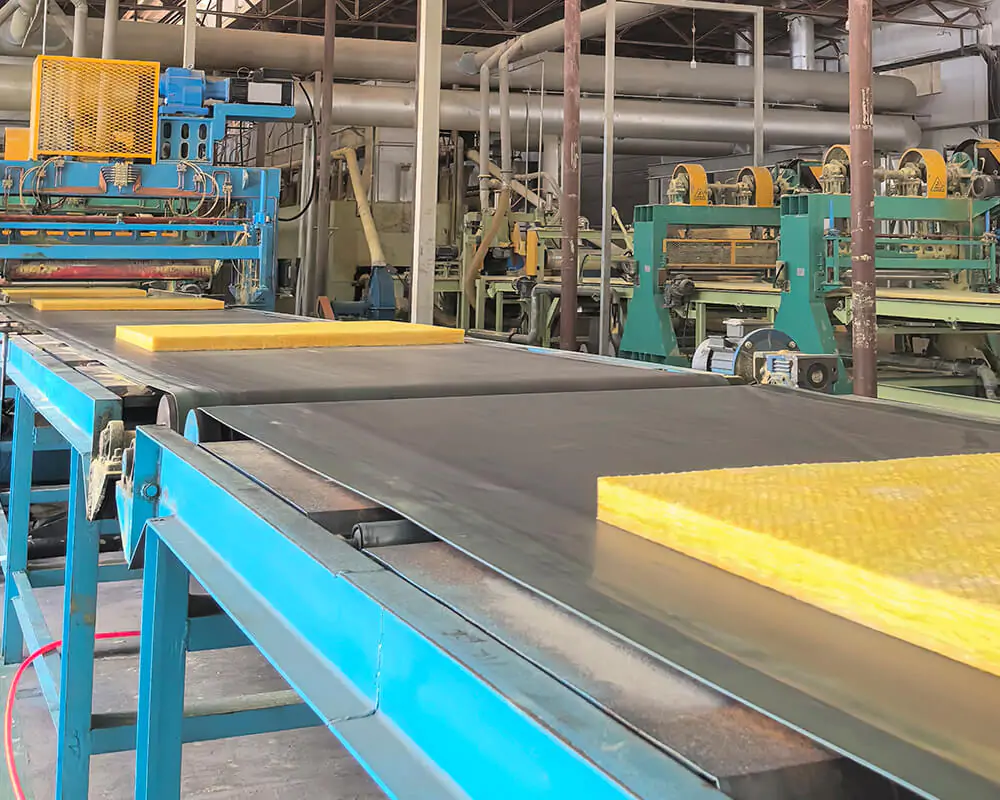
Every batch is produced under controlled conditions and verified against international standards, so what you specify is what you receive — project after project.
Product Benefits
What sets this product apart in real projects.
Rigid panel doubles as duct structure and insulation
Eliminates the separate insulation step — one material builds and insulates the duct.
Pre-scored boards for common duct sizes
Faster fabrication, less measuring, reduced material waste on site or in the shop.
Foil facing option
Provides an integrated vapor barrier and clean exterior surface for exposed duct runs.
Black tissue liner option
Absorbs airborne noise inside the duct, reducing breakout sound into occupied spaces.
Defined density provides panel rigidity
Board holds its shape during duct construction, supporting consistent duct geometry.
Thermal + acoustic performance in one layer
Reduces the need for separate thermal wrap and acoustic liner on the same duct section.
Compression packaging
Reduces freight volume for export and distribution without compromising board recovery.
Best-Fit Applications
Direct HVAC duct glass wool is most commonly used where rigid board format serves both as duct structure and insulation layer in air distribution systems.
HVAC duct fabrication
Rigid board is scored and folded to form insulated duct sections, combining structure and insulation in one step.
Metal duct interior lining
Board is bonded inside metal ducts to add thermal and acoustic performance to existing ductwork.
Air handling unit panels
Rigid panels line air handling units and plenums where thermal and acoustic control are needed.
Plenum barriers
Board sections create insulated barriers or divisions within plenum spaces.
Acoustic duct silencer sections
Dense board segments inserted into duct runs absorb airflow noise at specific locations.
Why source Direct HVAC Duct Glass Wool from SinoInsulation
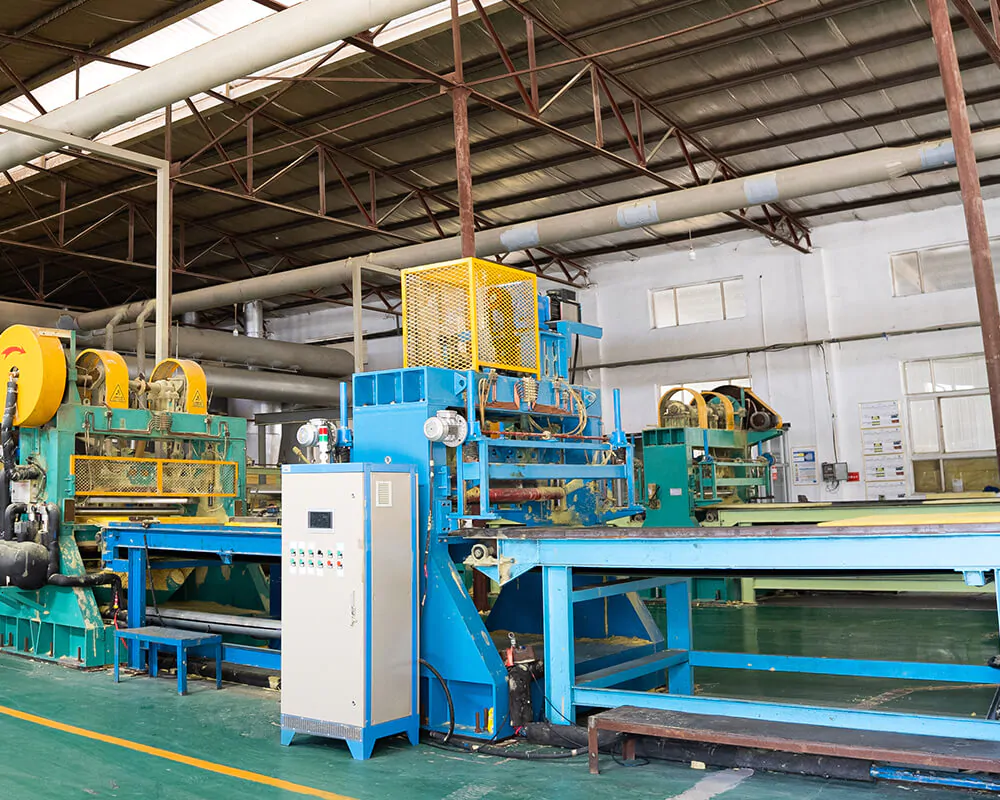
- Own factory plus a vetted partner-factory network — combined annual capacity up to 450,000 tons.
- MOQ from one 20ft container; LCL and mixed-container (multi-material) orders supported.
- Samples before bulk orders; custom packaging, compression packing, and private-label / OEM labeling.
- ISO 9001 and CE held; ASTM and AS/NZS test reports available on request, matched to the selected product.
- One inquiry, multiple materials: combine glass wool with rock wool, rubber foam, or cellular glass in a single order.
When It's Not the Best Fit
Direct HVAC duct glass wool is not the best first choice for every duct insulation condition. Review the project before using duct board when:
Selection Guide
Answer these to narrow down the right specification.
Is the board for duct fabrication, duct lining, or plenum panels?
Confirms the correct product variant and density requirement.
What are the duct dimensions?
Helps confirm board size, pre-scoring layout, and thickness.
What board density is needed?
Higher density supports structural duct construction; lower density suits lining applications.
Which facing type is required?
Foil for vapor barrier and exterior finish; black tissue for acoustic interior lining; unfaced for bonded applications.
Are pre-scored boards needed?
Pre-scoring reduces on-site fabrication time for repetitive duct sizes.
Supply & Purchasing
SinoInsulation supports HVAC duct glass wool sourcing for duct fabricators, contractors, and distributor programs.
Need datasheet or project documents?
Send your application and required product details. We can provide datasheet, packing information, and available supporting documents during quote review.
Quality & Market Certs
ISO 9001 quality system and CE marking held; ASTM and AS/NZS test reports available on request, matched to the selected product.
Product Datasheet
Get product data for the selected duct board type, facing, and density option.
Packing & Labeling Details
Confirm carton, pallet, compression pack, private label, or mixed-SKU packing options.
Frequently Asked Questions
Answers to common questions about this product.
Duct board is a rigid panel used to fabricate the duct itself — the board is the duct structure and insulation combined. Duct liner is bonded to the inside of an existing metal duct to add thermal and acoustic performance. The facing and density requirements differ between the two applications.
Use foil facing when the duct exterior needs a vapor barrier, reflective surface, or clean appearance. Use black tissue facing when the board lines the inside of a metal duct and acoustic absorption is the priority. Confirm facing options for your duct application by inquiry.
Consider phenolic or PIR panels when higher R-value per inch is needed to reduce duct insulation thickness, or when project codes require specific smoke and flame characteristics. Glass wool duct board offers better acoustic absorption and is typically more cost-effective for standard HVAC duct insulation.
Yes. Pre-scored duct board can be reviewed by inquiry. Share your duct dimensions so we can confirm available pre-scoring options and board sizes.
Share the duct application (fabrication, lining, or plenum), board size, facing type, density requirement, quantity, destination market, and any document needs. Duct dimension drawings are helpful when pre-scored boards are needed.
Request a Quote
Tell us the duct dimensions, insulation requirements, and facing preference — we will recommend the right duct board specification.