








Cellular Glass Pipe
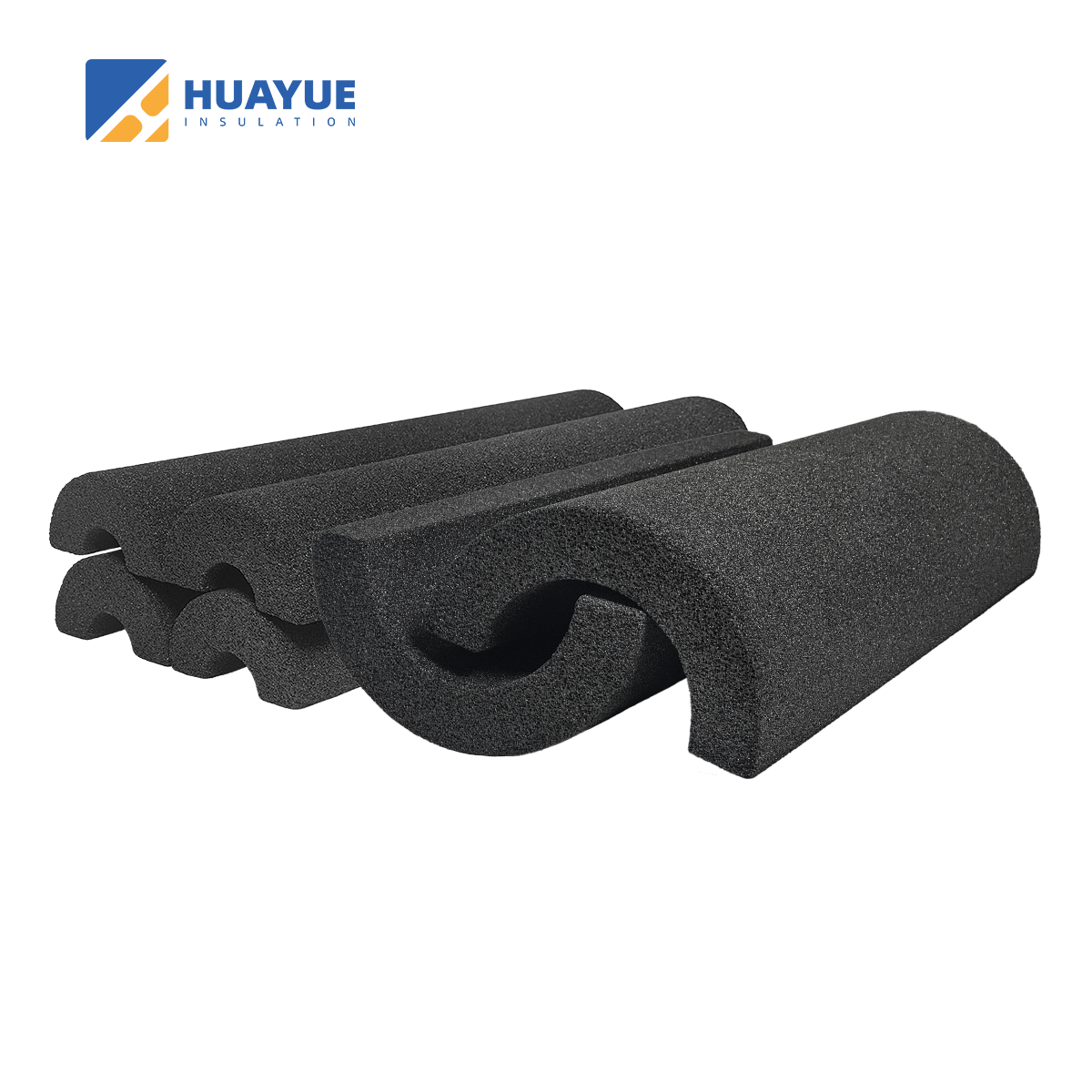
Cellular glass pipe insulation provides rigid, closed-cell pipe shells for cryogenic, buried, and cold-service piping systems. Service temperature range typically from -265 °C to +430 °C, available for pipe diameters from DN 15 to DN 600+ with wall thicknesses from 30 mm to 160 mm — confirm exact grade, temperature rating, and pipe schedule by inquiry. Supplied from our own and partner factories — combined capacity up to 450,000 t/yr, with a one-container MOQ and LCL support.
- Inherently vapor-tight — eliminates the separate vapor barrier that fails at joints and penetrations on cold-service pipe insulation systems.
- Zero water absorption protects against corrosion under insulation (CUI) in buried, flooded, and high-moisture piping environments.
- Handles cryogenic to moderate temperatures where rubber foam becomes brittle and fiber insulation accumulates condensation damage.
Quick Answer
Key questions buyers ask before sourcing this product.
What is it?
Rigid closed-cell cellular glass pipe shells or segments for cold-service, moisture-risk, and industrial pipe insulation options.
Best for?
Cold pipes, industrial lines, chilled systems, underground or moisture-risk pipe options, and pipe systems needing rigid closed-cell review.
Key advantage?
Closed-cell pipe shell option supports vapor and moisture-risk planning better than open fibrous pipe insulation in suitable systems.
Options?
pipe size, wall thickness, segment type, coating, service temperature option.
Next step?
Share pipe size, wall thickness, coating or segment option, quantity, destination, and document needs.
Problems This Product Solves
Common pain points this product is built to address.
Buried pipe insulation absorbs ground moisture and fails permanently.
Mineral wool pipe insulation absorbs water from soil contact and ground moisture, losing thermal performance that cannot be recovered. The resulting wet insulation also promotes corrosion under insulation (CUI) on the pipe surface. Cellular glass is closed-cell — ground moisture cannot penetrate.
Vapor barrier failure on cold pipes leads to condensation damage and CUI.
Sub-zero piping creates extreme condensation drive from the warm exterior toward the cold pipe surface. Fiber insulation with external vapor barriers eventually fails at joints, penetrations, and damage points — allowing moisture migration that destroys insulation performance and causes corrosion under insulation. Cellular glass is vapor-tight throughout its entire cross-section.
Cold-service pipe condensation destroys fiber insulation from the inside out.
Chilled water, refrigerant, and cold process piping create condensation conditions that gradually wet fiber insulation through moisture migration. Once wet, mineral wool cannot dry out in place — thermal performance degrades permanently and mold growth may develop in concealed pipe spaces.
Pipe systems need matching fittings for a complete insulation envelope.
Straight pipe shells alone leave elbows, tees, valves, and flanges uninsulated — creating thermal bridges and moisture entry points that compromise the entire insulation system. Cellular glass fitting components complete the envelope with the same material properties.
Engineered for Consistent Performance
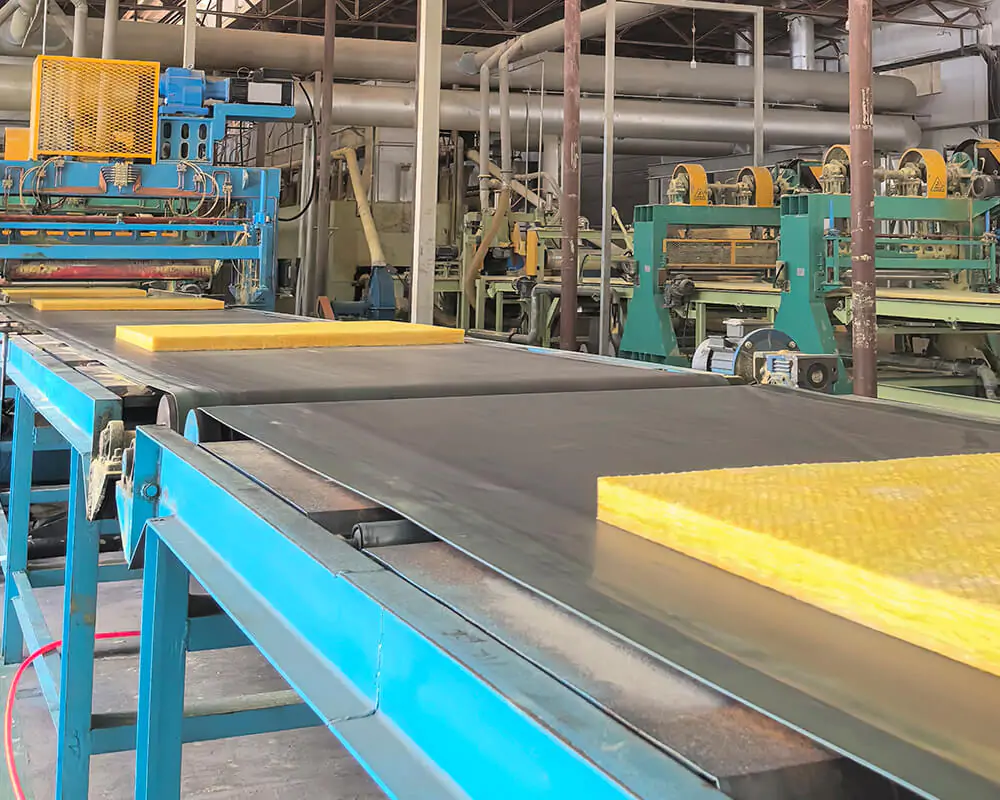
Every batch is produced under controlled conditions and verified against international standards, so what you specify is what you receive — project after project.
Product Benefits
What sets this product apart in real projects.
Closed-cell pipe shell with zero moisture wicking
Prevents condensation and ground water from penetrating insulation on cold pipes, buried lines, and humid environments. Eliminates the saturation failure common in fibrous pipe insulation.
Pre-formed half-shells for faster installation on straight runs
Reduces labor time compared to cutting flat board to shape. Consistent wall thickness ensures uniform thermal performance along the pipe run.
Impervious to water vapor without a separate barrier on cold lines
Simplifies cold-service pipe insulation design by removing the need for vapor barrier wraps, tapes, and sealants that can fail at joints over time.
High compressive strength at pipe shoes and supports
Maintains insulation integrity at pipe support points where concentrated loads would crush fibrous or foam insulation, causing thermal bridges.
Wide service temperature range from cryogenic to elevated temperatures
Covers LNG transfer lines, cryogenic piping, chilled water systems, and moderate-temperature process pipes in one material system without material transitions.
Best-Fit Applications
Cellular Glass Pipe fits piping systems where moisture penetration, condensation risk, or underground conditions make fibrous pipe insulation unreliable.
Chilled water lines
Closed-cell structure prevents condensation absorption on lines running below dew point. No vapor barrier wrap needed at joints.
Cryogenic piping
Handles cryogenic temperatures without cracking or losing structural integrity. Maintains insulation performance across extreme cold cycles.
Underground district cooling
Impervious to soil moisture and ground water. Pre-formed shells resist damage during burial and backfill better than wrapped fibrous insulation.
LNG process piping
Cryogenic-grade shells provide continuous moisture-proof insulation on LNG transfer and process lines where any moisture ingress risks ice formation and system failure.
Cold storage facility piping
Prevents moisture-driven insulation degradation on piping networks inside and outside cold storage facilities where condensation is constant.
Pipe supports and saddles
High compressive strength prevents crushing at support points. Maintains thermal break between pipe and steel structure under sustained load.
Why source Cellular Glass Pipe from SinoInsulation
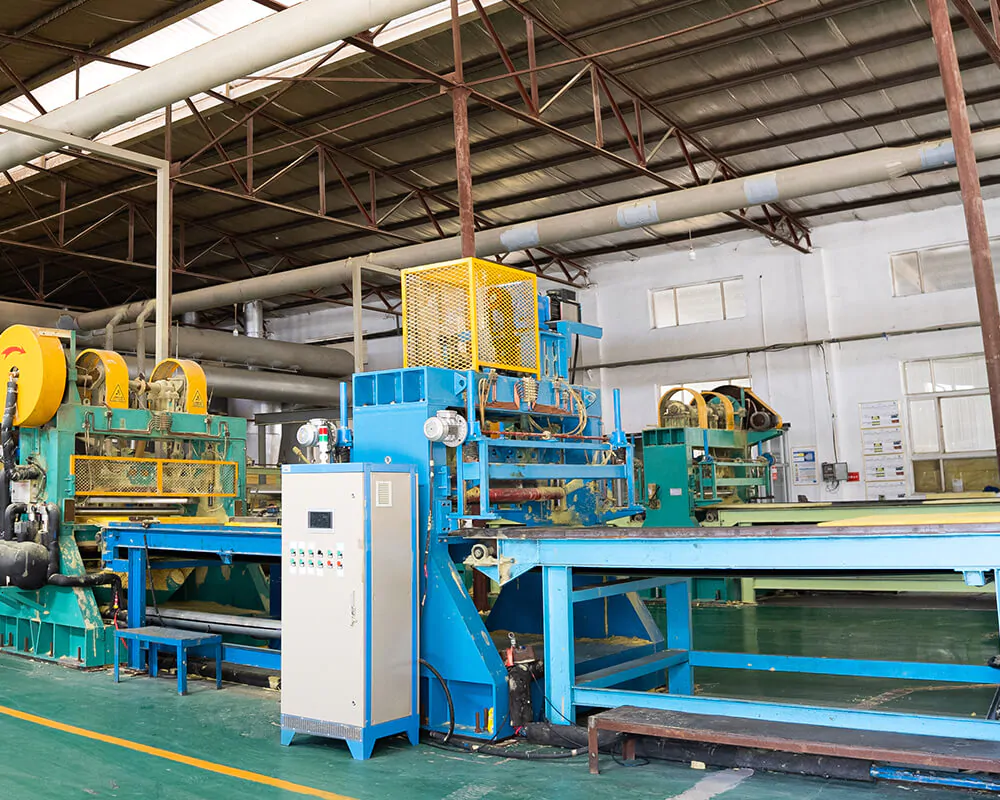
- Own factory plus a vetted partner-factory network — combined annual capacity up to 450,000 tons.
- MOQ from one 20ft container; LCL and mixed-container (multi-material) orders supported.
- Samples before bulk orders; custom packaging, compression packing, and private-label / OEM labeling.
- ISO 9001 and CE held; ASTM and AS/NZS test reports available on request, matched to the selected product.
- One inquiry, multiple materials: combine cellular glass with glass wool, rock wool, or rubber foam in a single order.
When It's Not the Best Fit
Cellular Glass Pipe is not the best first choice for every insulation condition. Review the project before using cellular glass pipe when:
Selection Guide
Answer these to narrow down the right specification.
Is the pipe service cold (below ambient), cryogenic, or buried?
Cellular glass pipe is most justified for cold-service, cryogenic, and buried piping. For standard HVAC or hot-service, rubber foam or rock wool pipe may be more cost-effective.
Which size, thickness, density, or shape is required?
Helps define the quote-ready product option.
Is facing, coating, color, adhesive, or jacket required?
Determines the correct variant option.
Supply & Purchasing
SinoInsulation supports cellular glass pipe sourcing for industrial, cryogenic, and infrastructure projects.
Need datasheet or project documents?
Send your application and required product details. We can provide datasheet, packing information, and available supporting documents during quote review.
Quality & Market Certs
ISO 9001 quality system and CE marking held; ASTM and AS/NZS test reports available on request, matched to the selected product.
Product Datasheet
Get product data for the selected cellular glass pipe type and option.
Packing & Labeling Details
Confirm carton, pallet, compression pack, private label, or mixed-SKU packing options.
Frequently Asked Questions
Answers to common questions about this product.
Choose cellular glass when the pipe is buried, cryogenic, or in wet conditions. Rock wool absorbs water and needs a separate vapor barrier that can fail. Cellular glass is inherently moisture-proof and vapor-tight.
No — cellular glass is inherently vapor-tight. Its closed-cell structure prevents moisture migration without a separate vapor barrier, eliminating the most common failure point in cold-service pipe insulation.
Yes — cellular glass is one of the few pipe insulation materials designed for direct burial. Its closed-cell structure does not absorb ground moisture. Confirm burial conditions and load requirements.
Yes — cellular glass fittings (elbows, tees, reducers, valve boxes) can be quoted alongside straight pipe shells for a complete insulation envelope.
Request a Quote
Send the pipe schedule and operating conditions — we will recommend the right pipe shell grade, thickness, coating, and fitting package.