







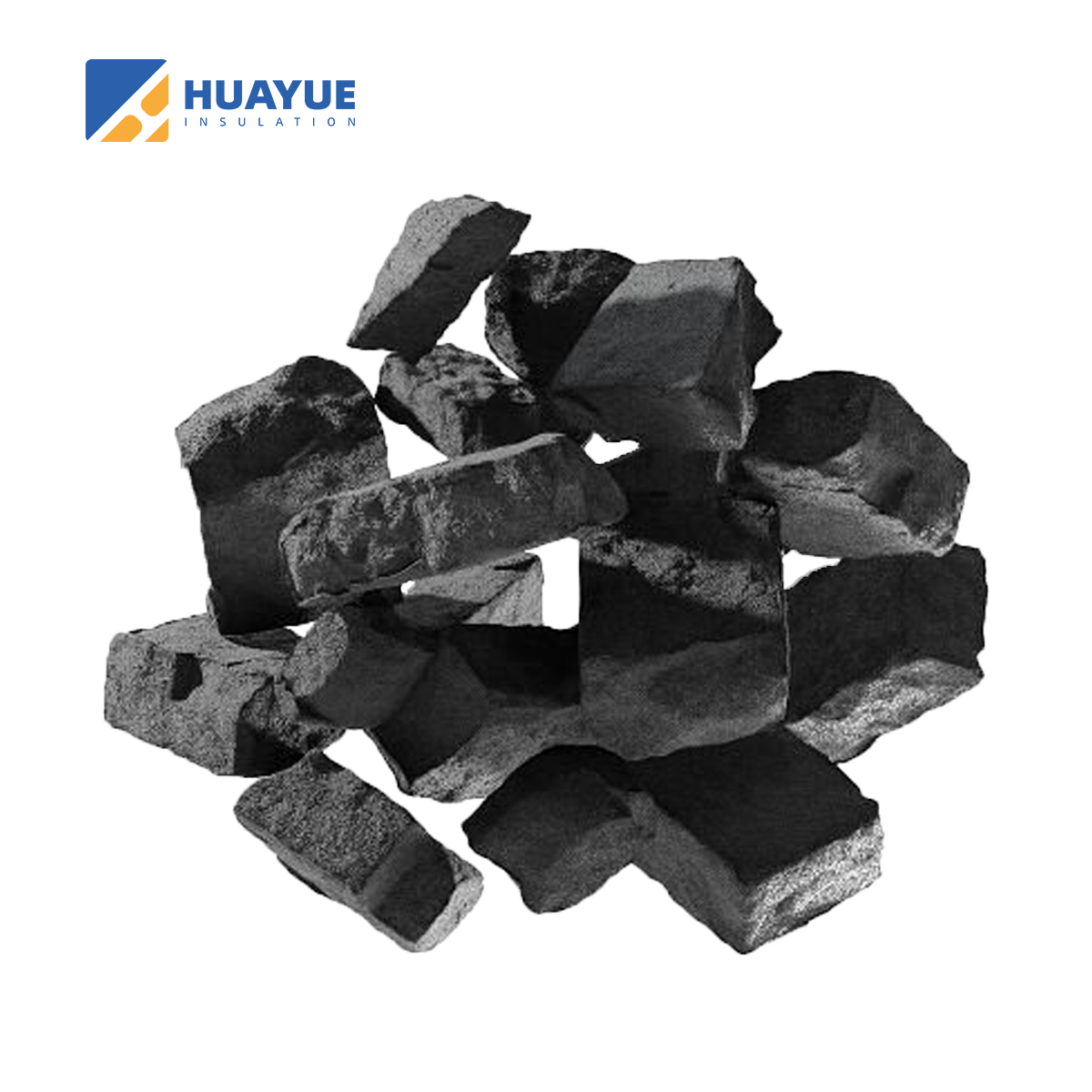
Cellular Glass Gravel
Foam glass gravel provides lightweight, closed-cell aggregate for fill, drainage, and insulation-layer applications — replacing heavy conventional fill at roughly 150 to 250 kg/m³ bulk density versus 1500+ kg/m³ for natural gravel. Thermal conductivity typically from 0.070 to 0.11 W/m·K in installed condition — confirm exact grading and thermal data by inquiry. Supplied from our own and partner factories — combined capacity up to 450,000 t/yr, with a one-container MOQ and LCL support.
- Lightweight aggregate reduces structural load on foundations and retaining walls — a fraction of the weight of natural gravel or crushed stone.
- Closed-cell structure does not absorb water — maintains insulation and drainage performance even in saturated ground conditions.
- Combines fill, drainage, and insulation in one aggregate layer — potentially replacing three separate construction materials and steps.
Quick Answer
Key questions buyers ask before sourcing this product.
What is it?
Cellular glass aggregate or gravel used as lightweight insulation fill, drainage layer, or thermal aggregate option.
Best for?
Drainage fill, lightweight insulation layers, landscaping, foundation build-ups, and aggregate applications needing project review.
Key advantage?
Gravel format combines lightweight fill behavior with glass-based insulation aggregate option.
Options?
gravel type, particle size option, color, application layer, packing.
Next step?
Share application, gravel type, particle option, quantity, destination, and document needs.
Problems This Product Solves
Common pain points this product is built to address.
Conventional gravel backfill adds excessive weight to foundations and elevated structures.
Crushed stone and natural gravel are dense and heavy, increasing structural load on parking decks, green roofs, and plaza surfaces. Foam glass gravel provides comparable fill function at a fraction of the weight.
Separate insulation and drainage layers increase roof and foundation build-up complexity.
Installing rigid insulation boards plus a separate drainage layer requires multiple materials and installation steps. Foam glass gravel combines insulation and drainage in a single fill layer.
Organic and mineral fill materials absorb ground moisture over time.
Expanded clay, perlite, and natural aggregates absorb varying amounts of water, reducing their insulation value and increasing load when saturated. Closed-cell foam glass gravel does not absorb water.
Frost heave under roads and building foundations damages structures.
Conventional subgrade fill conducts cold temperatures to the soil below, causing freeze-thaw damage to foundations and road surfaces. Foam glass gravel insulates the subgrade and breaks the frost path.
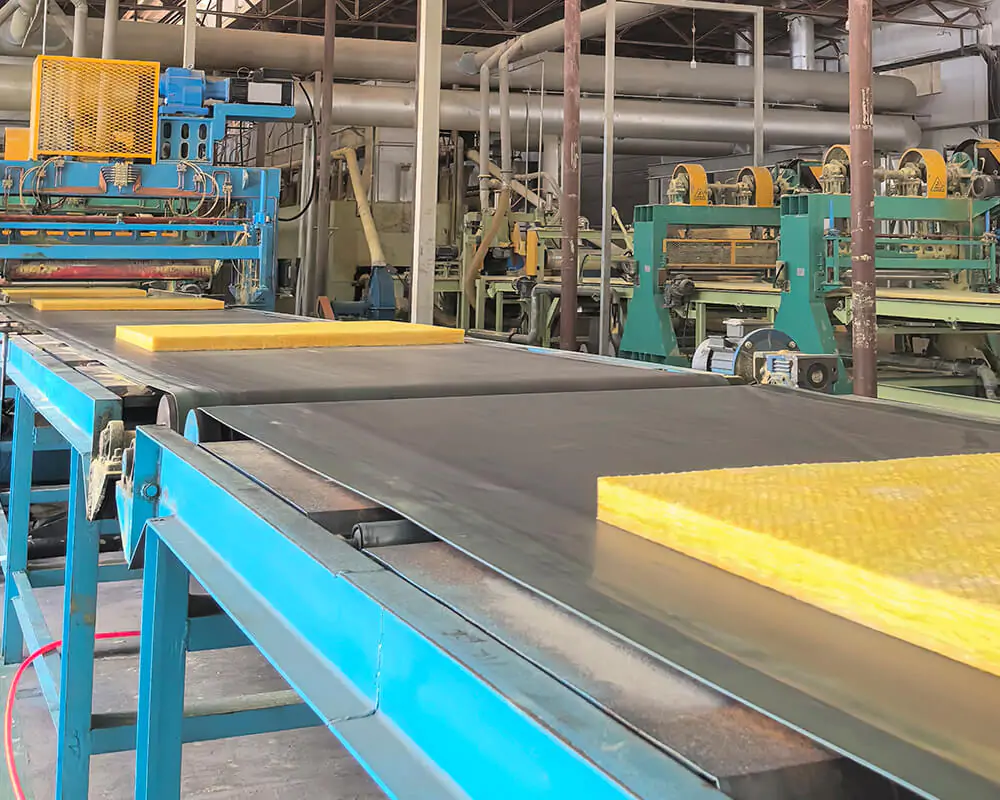
Engineered for Consistent Performance
Every batch is produced under controlled conditions and verified against international standards, so what you specify is what you receive — project after project.
Product Benefits
What sets this product apart in real projects.
Defined product form
Helps buyers start from the right insulation option instead of comparing unrelated products.
Option flexibility
Facing, coating, color, size, density, or shape can be reviewed by application.
B2B sourcing fit
Suitable for project, distributor, contractor, or OEM inquiry workflows.
Quote-ready confirmation path
Turns uncertain specs into clear inquiry items for sales follow-up.
Related material routing
Helps compare against glass wool, rock wool, rubber foam, or cellular glass alternatives.
Packaging review by inquiry
Supports export, distributor, and project handling needs without fixed unsupported claims.
Best-Fit Applications
Cellular Glass Gravel is most useful when the product form matches the installation surface, handling requirement, and purchasing option.
Foundation backfill and frost protection
Lightweight closed-cell aggregate provides insulation and drainage around foundations without absorbing ground moisture.
Green roof drainage and insulation layers
Non-absorbent gravel combines drainage function with thermal insulation under growing media, reducing overall roof build-up weight.
Road and rail subgrade insulation
Prevents frost heave under roads and rail beds while reducing fill weight compared to conventional crushed stone.
Parking deck and plaza fill
Lightweight fill reduces structural load on elevated decks while providing thermal break and drainage under paving.
Pipeline trench bedding
Non-compacting, non-absorbent fill supports buried pipes and provides consistent thermal protection around the pipe envelope.
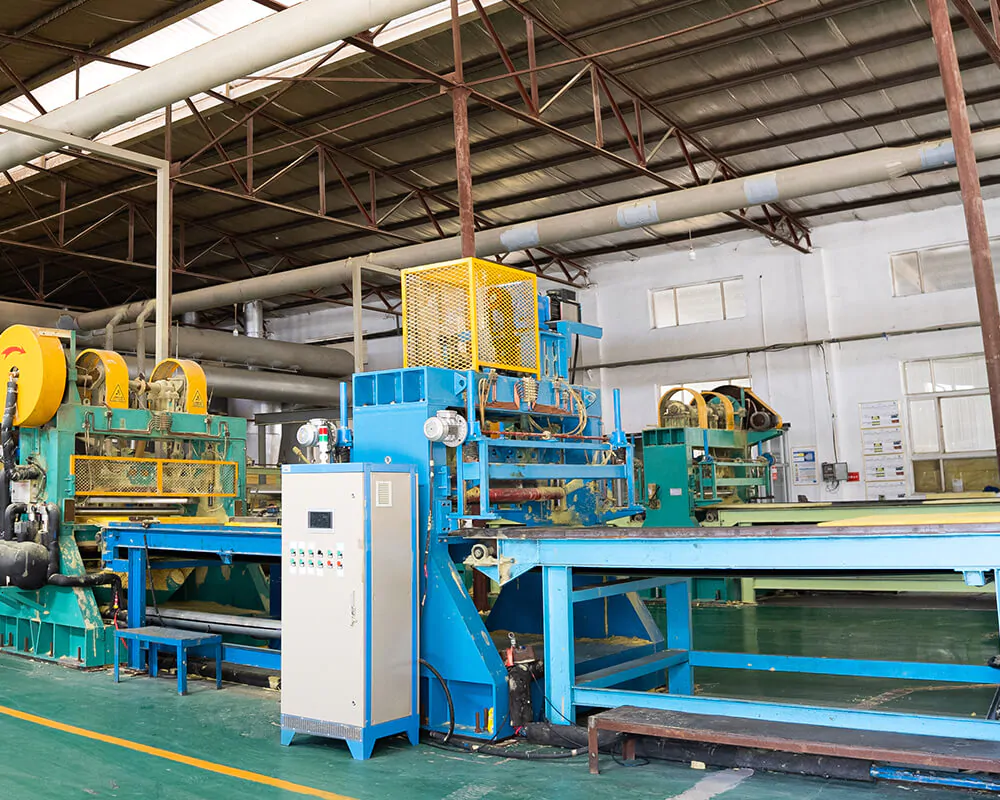
Why source Cellular Glass Gravel from SinoInsulation
- Own factory plus a vetted partner-factory network — combined annual capacity up to 450,000 tons.
- MOQ from one 20ft container; LCL and mixed-container (multi-material) orders supported.
- Samples before bulk orders; custom packaging, compression packing, and private-label / OEM labeling.
- ISO 9001 and CE held; ASTM and AS/NZS test reports available on request, matched to the selected product.
- One inquiry, multiple materials: combine cellular glass with glass wool, rock wool, or rubber foam in a single order.
When It's Not the Best Fit
Cellular Glass Gravel is not the best first choice for every insulation condition. Review the project before using cellular glass gravel when:
Selection Guide
Answer these to narrow down the right specification.
Is the fill purpose insulation, drainage, weight reduction, or a combination?
Determines whether foam glass gravel is the right material versus conventional aggregate, expanded clay, or rigid board insulation.
Which size, thickness, density, or shape is required?
Helps define the quote-ready product option.
Is facing, coating, color, adhesive, or jacket required?
Determines the correct variant option.
Supply & Purchasing
SinoInsulation supports foam glass gravel sourcing for construction, infrastructure, and fill projects.
Need datasheet or project documents?
Send your application and required product details. We can provide datasheet, packing information, and available supporting documents during quote review.
Quality & Market Certs
ISO 9001 quality system and CE marking held; ASTM and AS/NZS test reports available on request, matched to the selected product.
Product Datasheet
Get product data for the selected cellular glass gravel type and option.
Packing & Labeling Details
Confirm carton, pallet, compression pack, private label, or mixed-SKU packing options.
Frequently Asked Questions
Answers to common questions about this product.
No. Foam glass gravel is loose aggregate for fill, drainage, and insulation layers. Cellular glass board is rigid panel insulation for flat surfaces. Different applications entirely.
No — foam glass gravel is closed-cell and does not absorb water. It maintains performance in saturated ground conditions.
In some applications, foam glass gravel combines fill, drainage, and insulation in one aggregate layer. Confirm with the project engineer whether this is acceptable for the specific design.
Compressive behavior depends on particle size, layer thickness, and compaction. Confirm load-bearing requirements with the product datasheet and project engineering review.
Request a Quote
Tell us the application, volume, and project requirements — we will confirm grading availability, logistics, and technical documentation.