








Cellular Glass Fitting
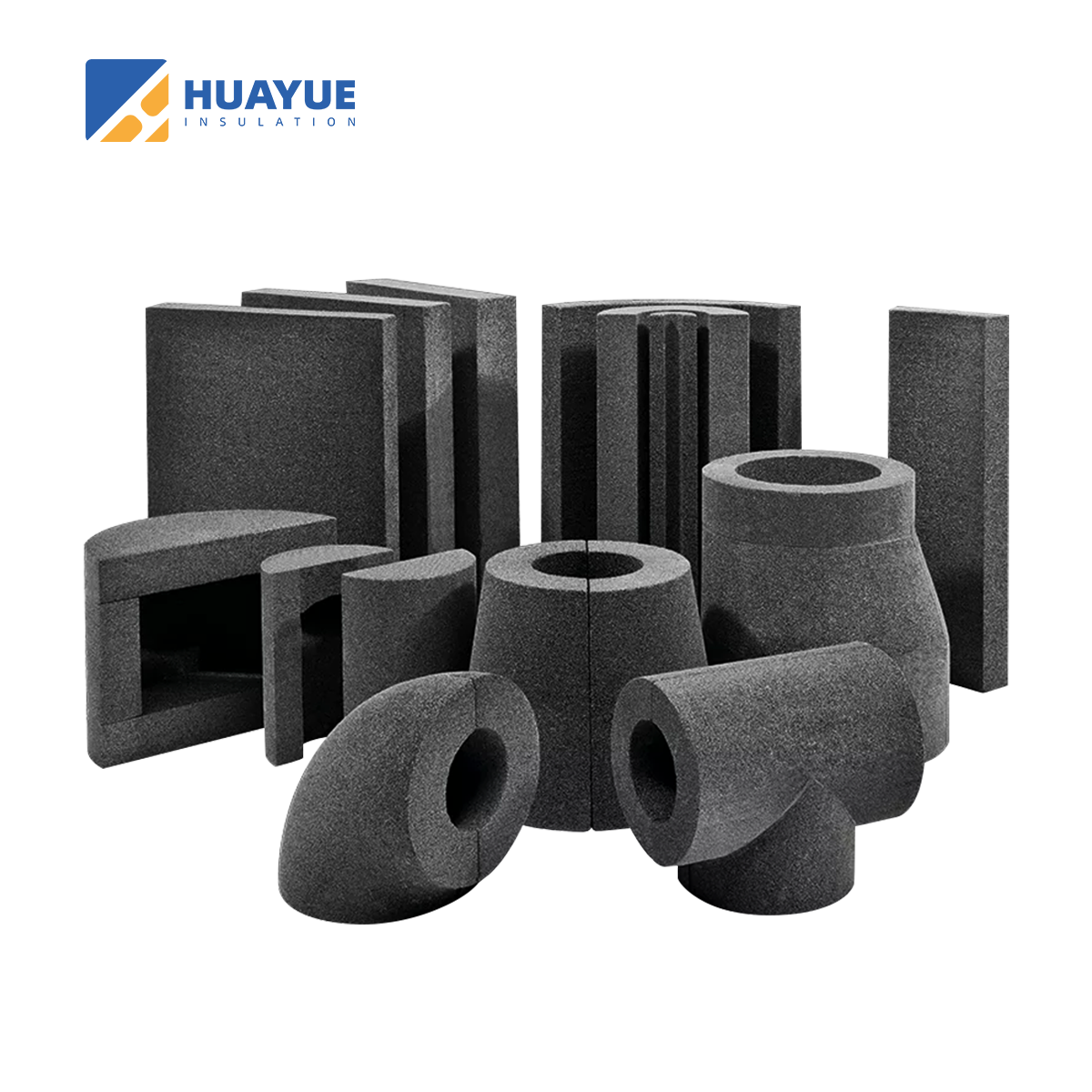
Cellular glass fittings complete the pipe insulation envelope at elbows, tees, reducers, and valves — matching the vapor-tight, closed-cell performance of cellular glass pipe shells. Factory-fabricated to match pipe diameters from DN 15 to DN 600+ with wall thicknesses from 30 mm to 160 mm — confirm fitting geometry and dimensions by inquiry. Supplied from our own and partner factories — combined capacity up to 450,000 t/yr, with a one-container MOQ and LCL support.
- Factory-fabricated geometry provides precise fit at elbows, tees, and valves — no field cutting of rigid cellular glass that wastes material and creates poor coverage.
- Same closed-cell, vapor-tight material as straight pipe shells — no weak points in the moisture barrier at fitting locations.
- Organized fitting packages labeled by pipe schedule for efficient site installation — less sorting, less confusion, fewer errors.
Quick Answer
Key questions buyers ask before sourcing this product.
What is it?
Custom-shaped cellular glass pieces for elbows, tees, reducers, flange boxes, valves, vessel heads, tank walls, and irregular industrial insulation shapes.
Best for?
Pipe fittings, valves, flanges, vessel heads, curved tank panels, conical sections, and project-specific cut pieces.
Key advantage?
Custom fitting option closes insulation gaps around complex shapes that straight boards or pipe shells cannot cover.
Options?
shape, dimensions, coating, drawing or template, service condition.
Next step?
Share shape, drawing or dimensions, coating, quantity, destination, and document needs.
Problems This Product Solves
Common pain points this product is built to address.
Gaps at elbows and valves break the insulation envelope.
Straight boards and pipe shells cannot seal around direction changes, branch connections, or valve bodies. These gaps allow condensation to form and create conditions for corrosion under insulation (CUI).
Field-fabricated covers do not seal at complex geometry.
Cutting and shaping insulation on-site around elbows, tees, and reducers produces inconsistent joints. Vapor continuity is lost at every hand-fitted seam, especially on cold-service piping.
Standard pipe shells cannot cover bends, tees, or irregular shapes.
Pipe insulation is designed for straight runs. Where piping changes direction, branches, or transitions to different diameters, pipe shells leave open gaps that require a different product form.
Maintenance access at valves needs removable insulation covers.
Valve and flange insulation is often destroyed during inspections because it was not designed for removal. Repeat replacement wastes material and labor at every maintenance cycle.
Engineered for Consistent Performance
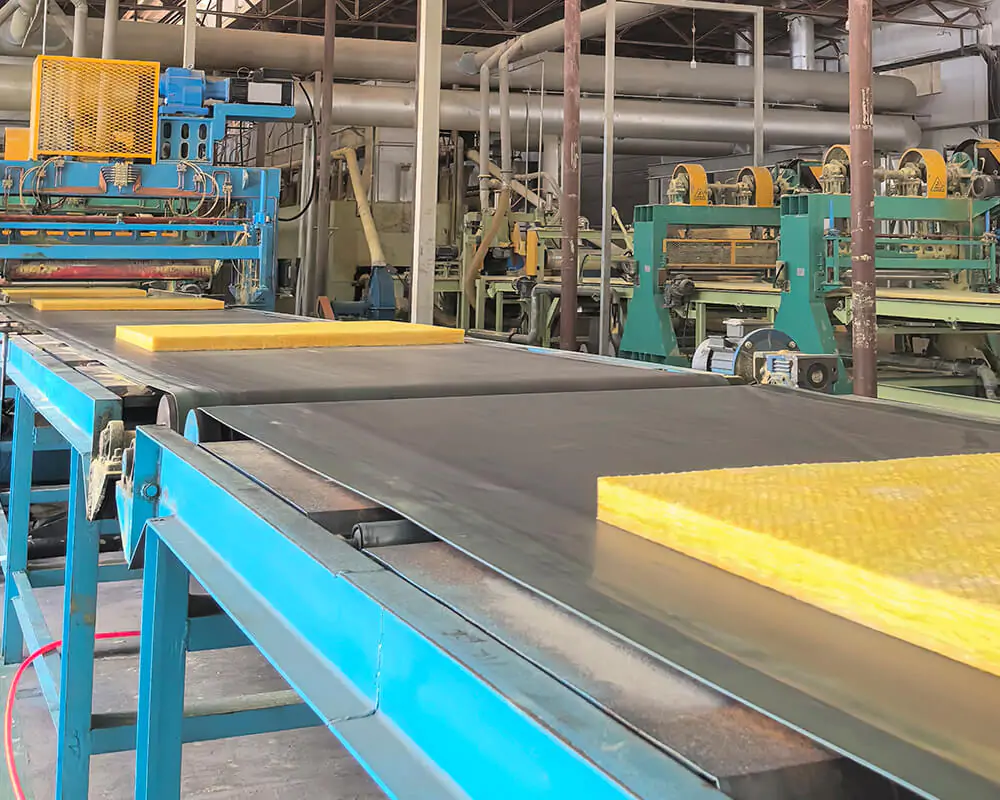
Every batch is produced under controlled conditions and verified against international standards, so what you specify is what you receive — project after project.
Product Benefits
What sets this product apart in real projects.
Pre-shaped to pipe geometry
Eliminates field fabrication and reduces installation time at elbows, tees, and reducers.
Custom-cut to drawing
Provides vapor-tight coverage at complex points where standard shapes leave gaps.
Same closed-cell moisture performance as board and pipe
Maintains consistent moisture resistance across the entire insulation system, not just straight runs.
Coordinated with cellular glass board and pipe
Ensures system continuity when the full piping and vessel insulation is specified together.
Removable valve and flange boxes
Allows maintenance access without destroying insulation, reducing repeat material and labor cost.
Best-Fit Applications
Cellular glass fittings are designed for points in piping and vessel systems where standard board and pipe shell formats cannot provide continuous insulation coverage.
Pipe elbows
Pre-shaped pieces seal direction changes where straight pipe shells leave open joints.
Tee junctions
Covers branch connections with vapor-tight geometry that field cutting cannot match.
Reducers
Bridges diameter transitions without gap or step at the joint.
Valve boxes (removable)
Provides insulation that can be removed for maintenance and reinstalled without replacement.
Flange covers
Seals bolt-circle geometry while allowing future bolt access.
Vessel heads
Covers dished or hemispherical tank ends with shaped sections.
Tank nozzles
Insulates penetration points where piping meets vessel walls.
Options & Variants
Choose the form that fits your application.
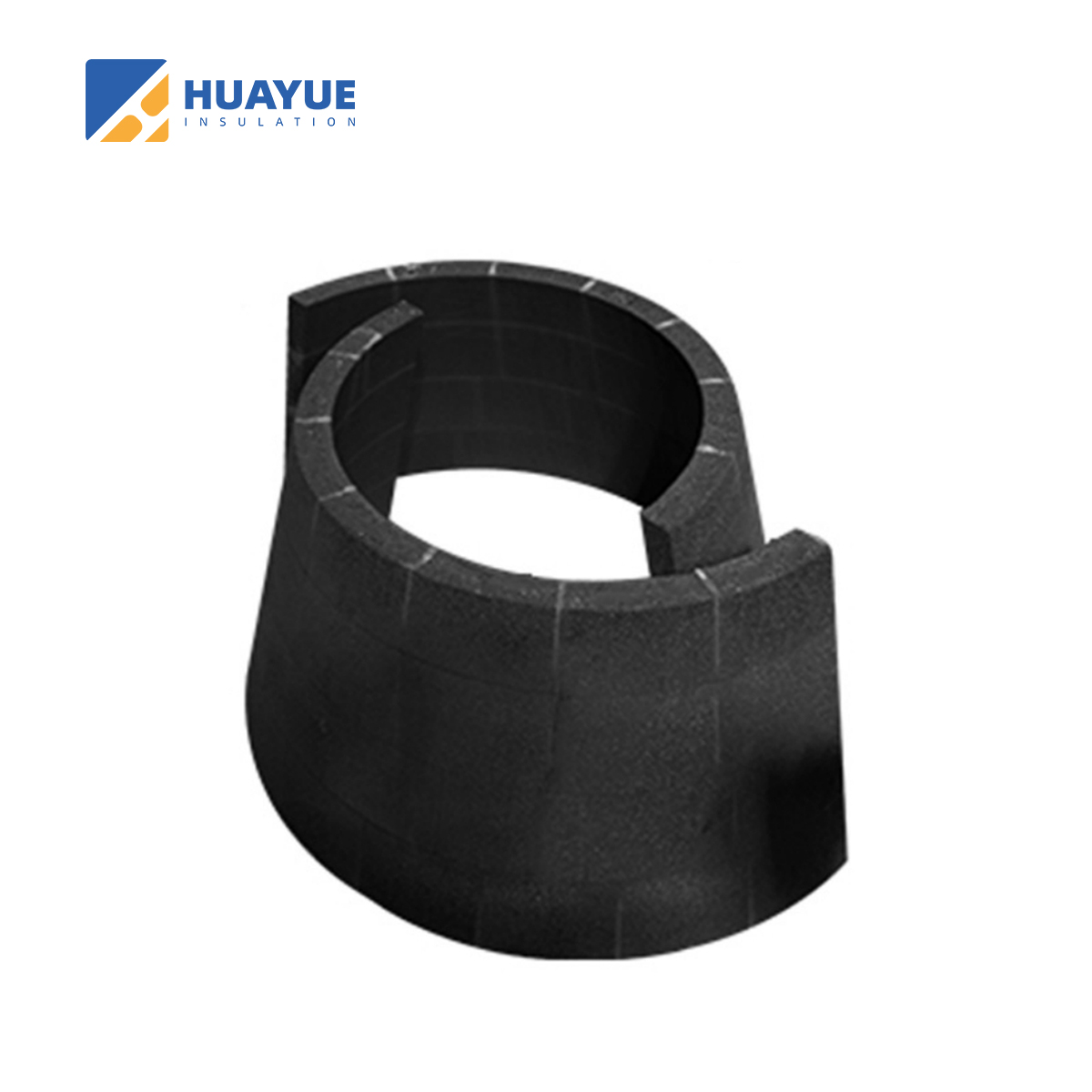
Cellular Glass Trapezoidal Parts
Tapered/trapezoidal pieces for transitions and irregular equipment geometry.
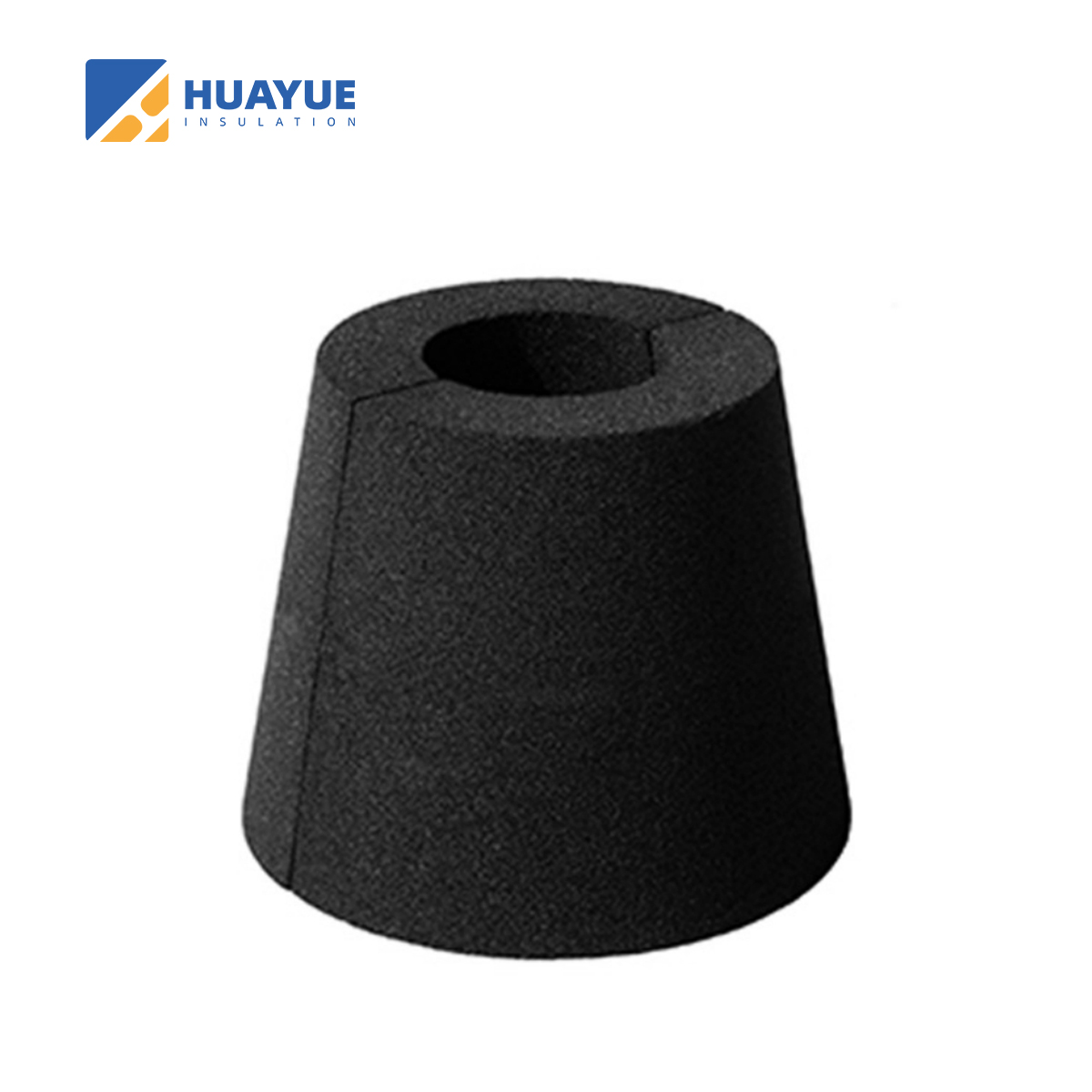
Cellular Glass Conical Equipment Segments
Conical segments for hoppers, reducers, and changing-diameter shells.
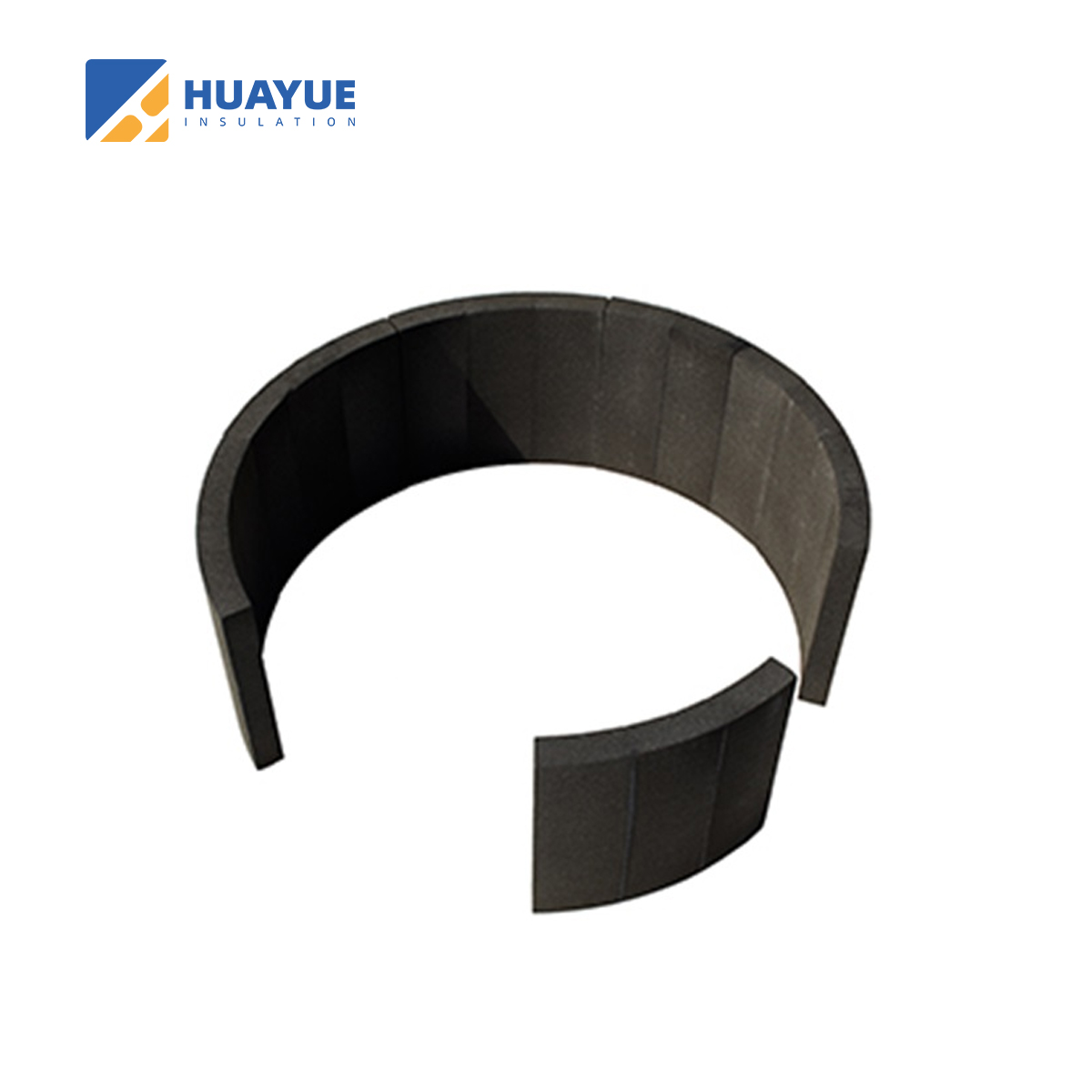
Cellular Glass Curve Segments
Curved segments for tank walls and large-radius surfaces.
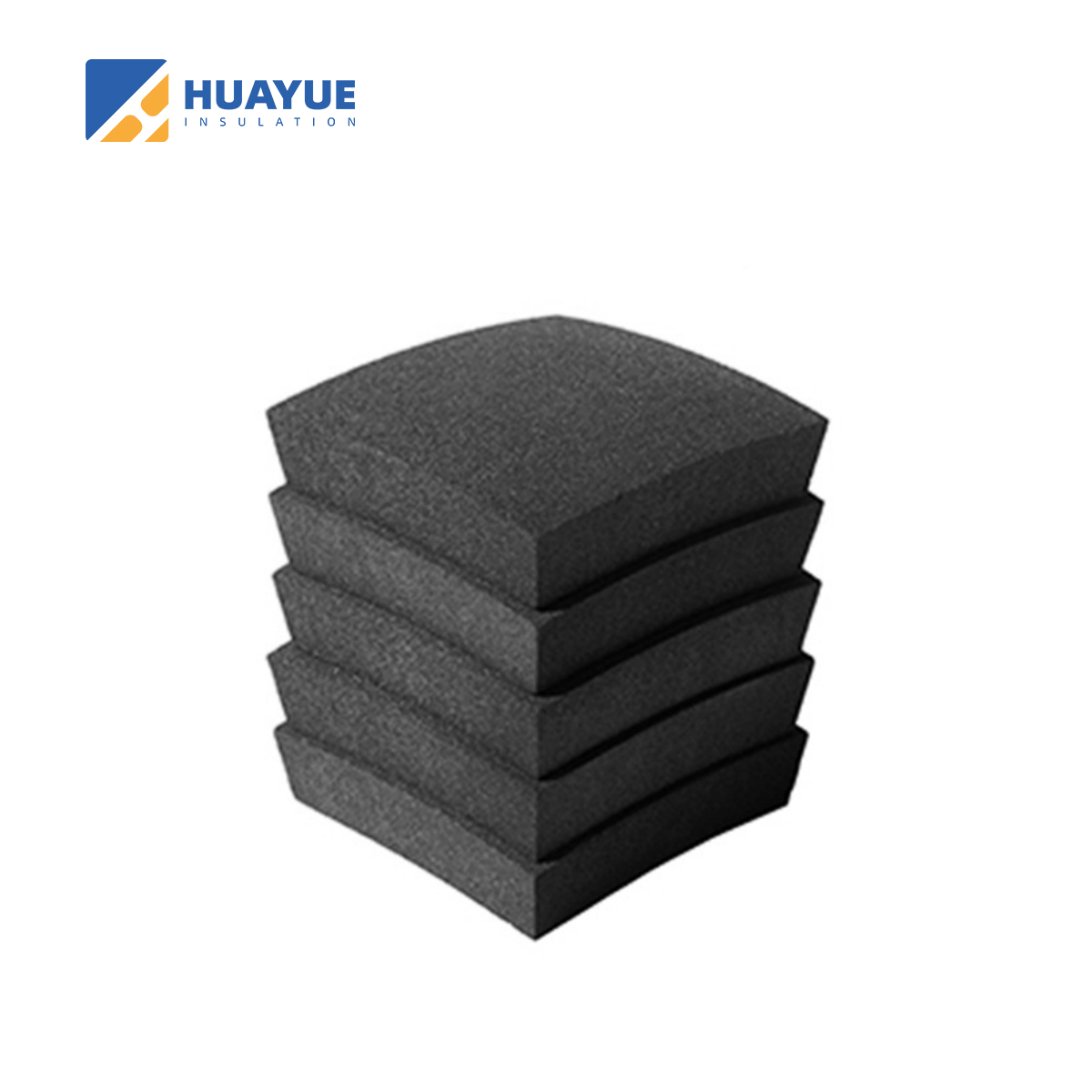
Cellular Glass Spherical Head Segments
Segmented pieces for spherical and dome equipment heads.
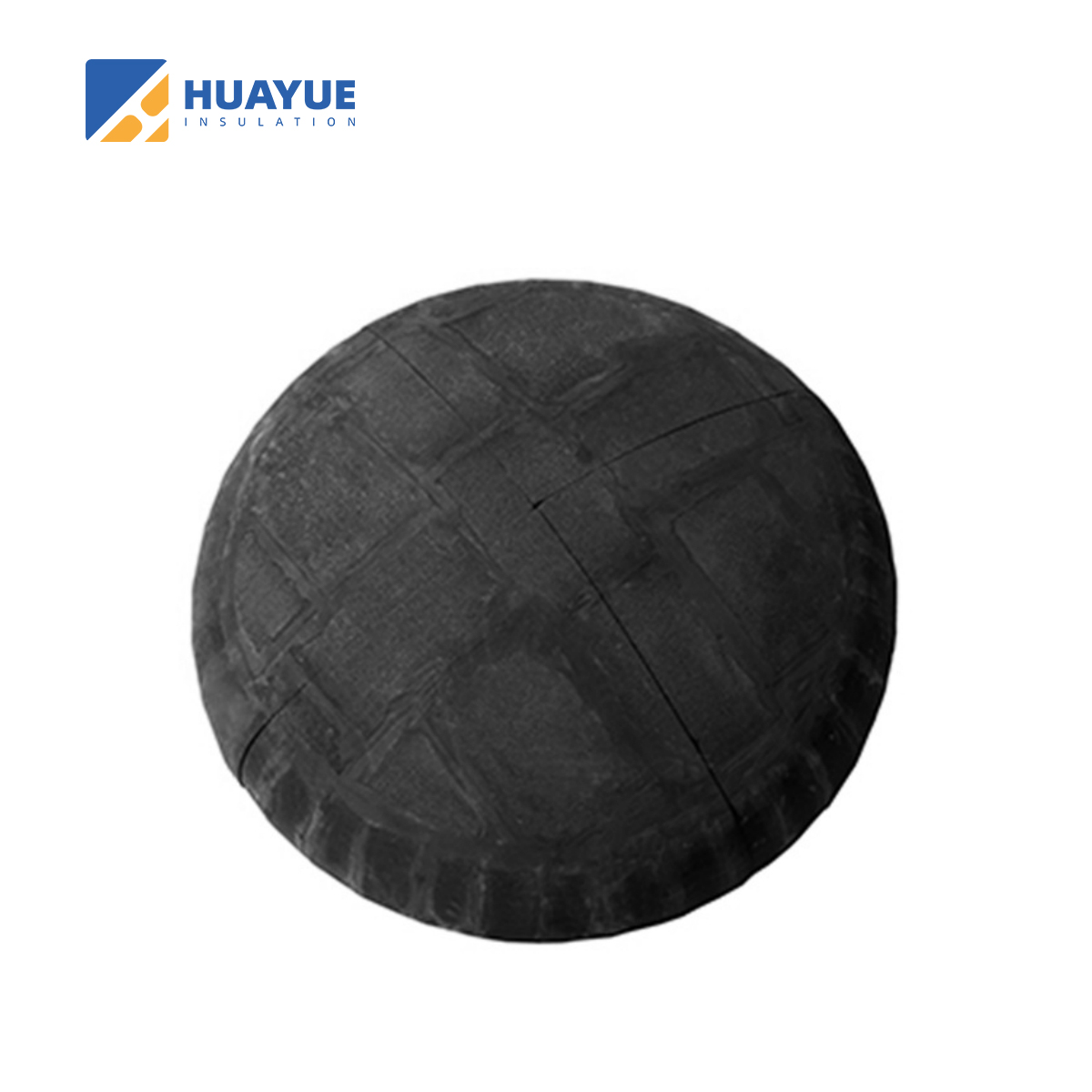
Cellular Glass Vessel Head Segments
Dished/elliptical head pieces fabricated to vessel drawings.
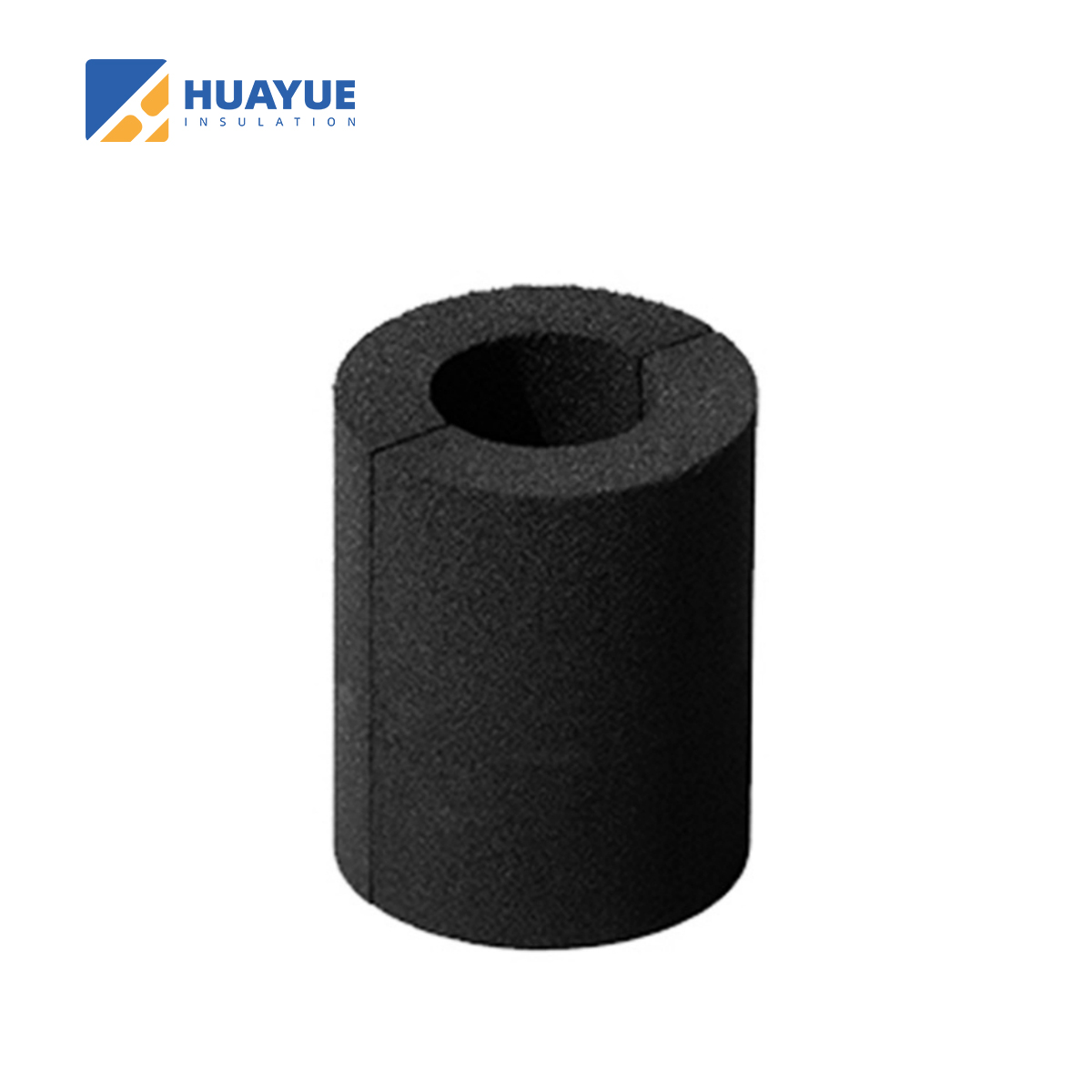
Cellular Glass Pipe End Caps
End caps that close insulation at pipe ends and dead legs.
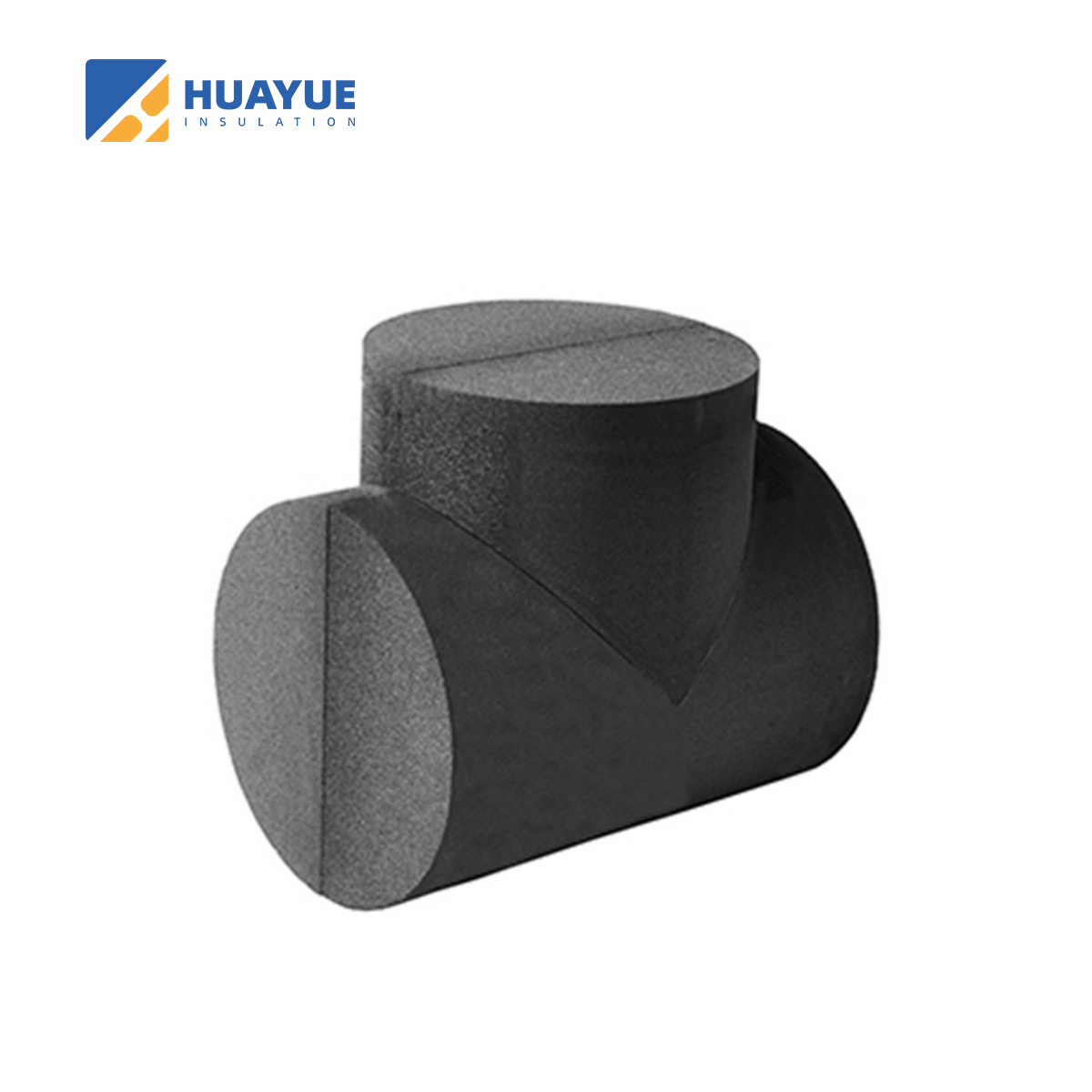
Cellular Glass T-Boxes
Boxed fitting for T-shaped pipe or equipment branches.
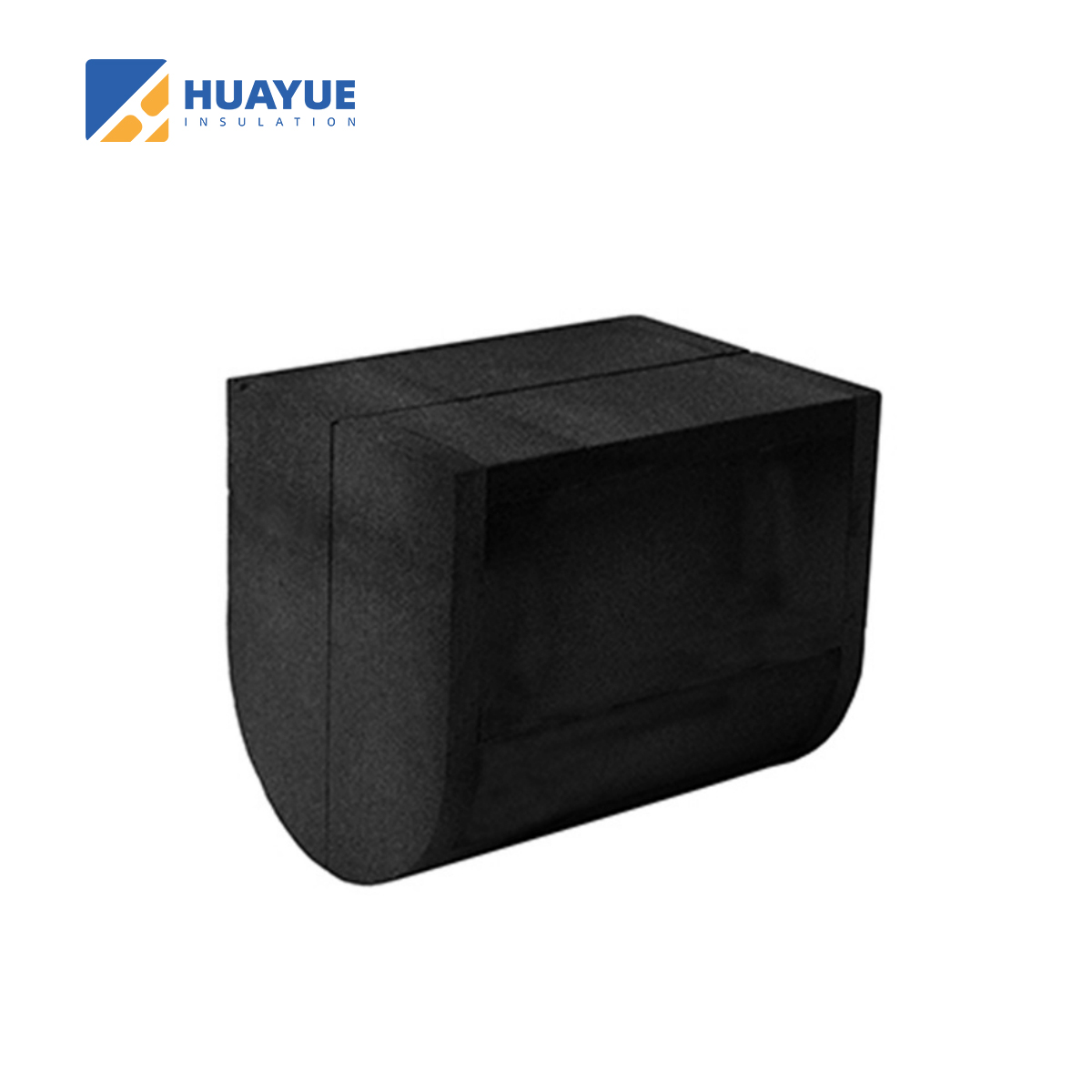
Cellular Glass V-Boxes
Removable valve-box fitting shaped around valve bodies.
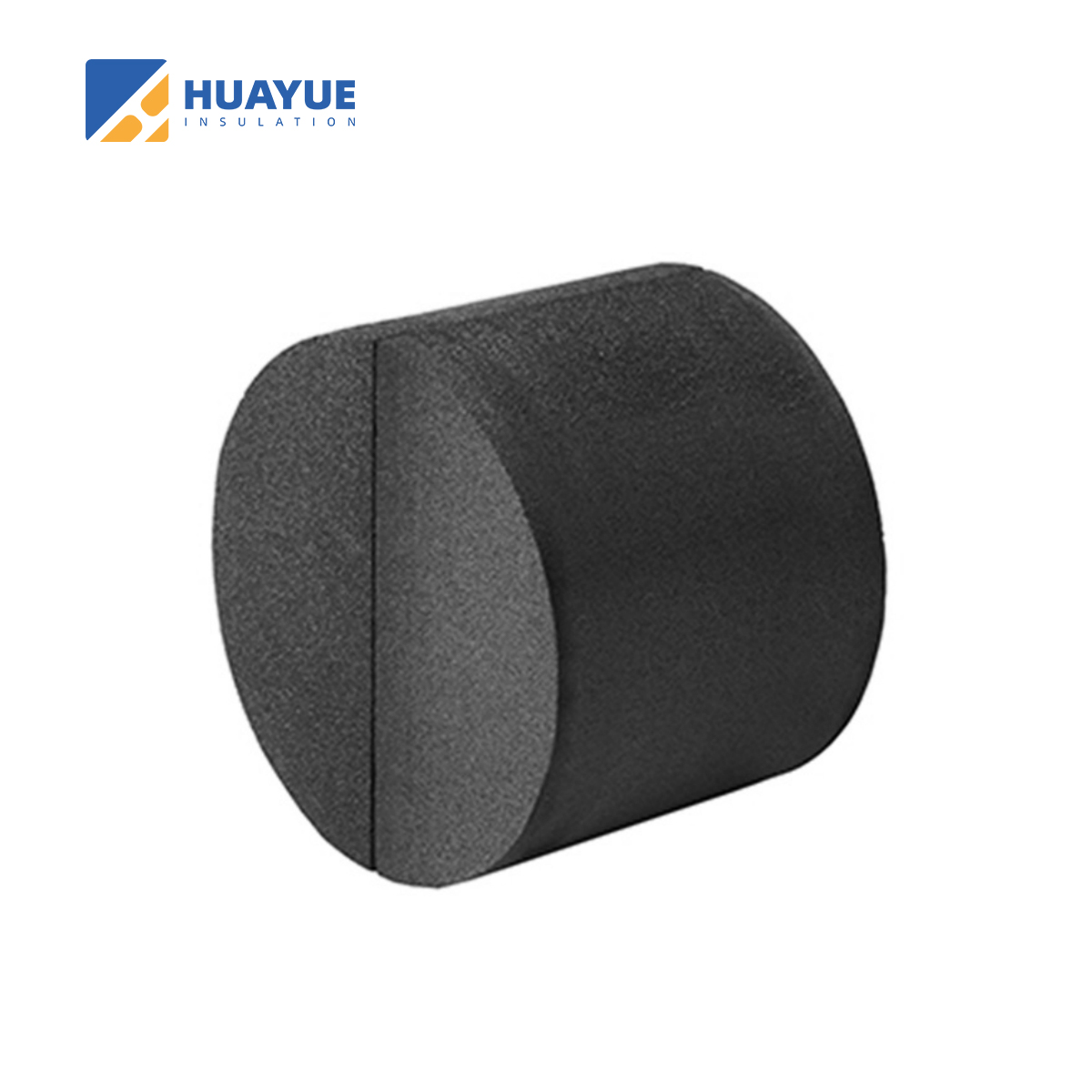
Cellular Glass F-Boxes
Flange-box fitting for bolted connections; removable for access.
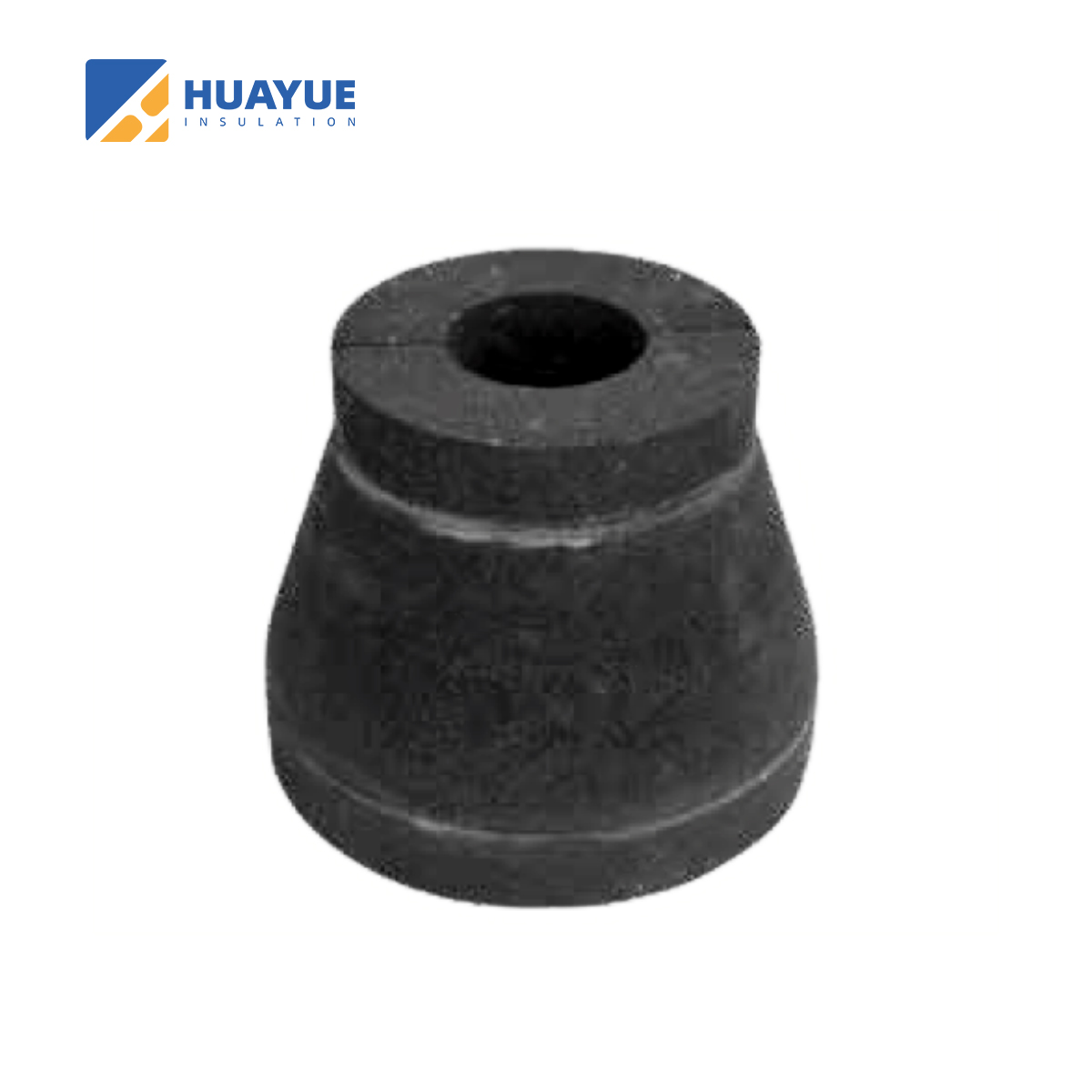
Cellular Glass for Pipe Reducers
Tapered piece for pipe diameter-transition points.
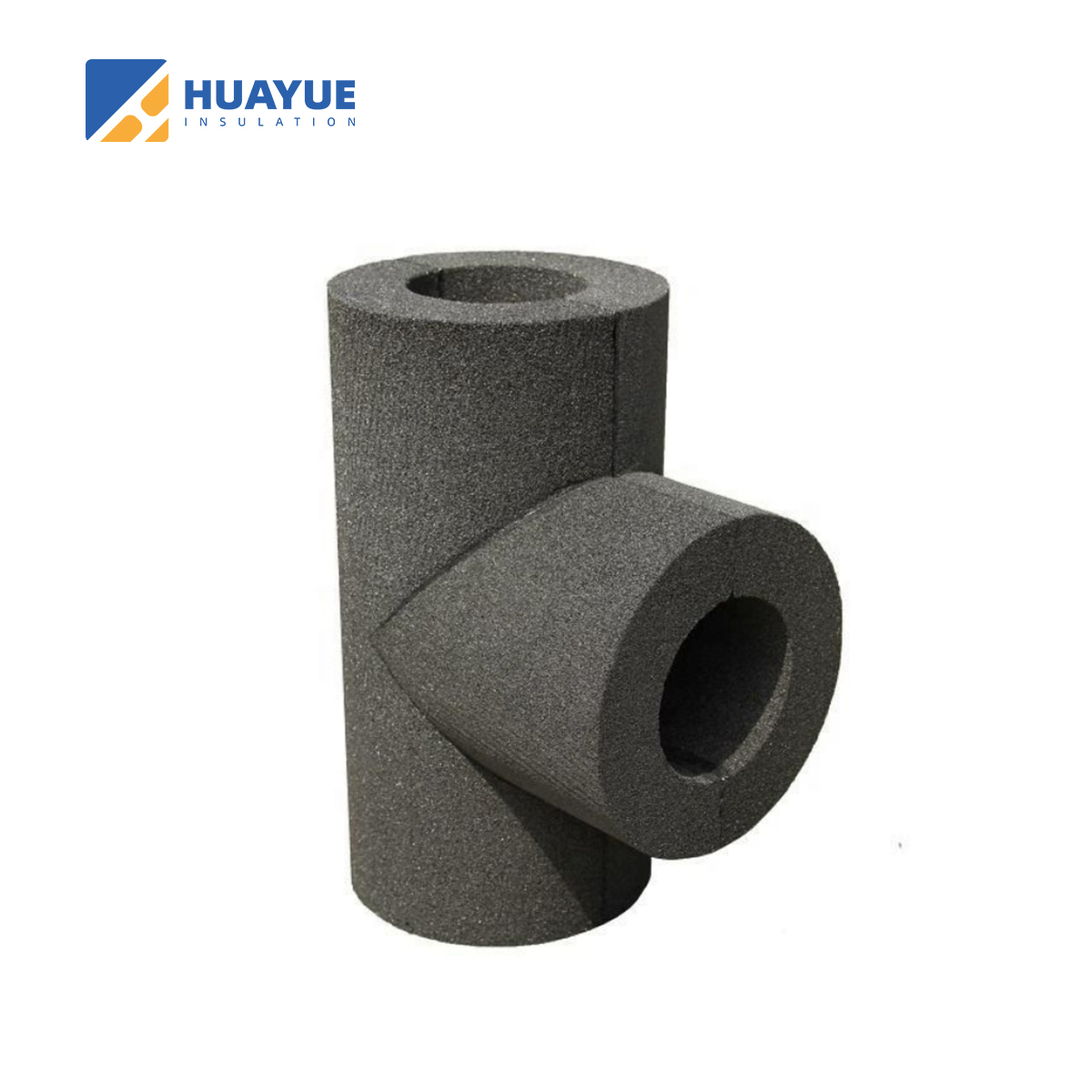
Cellular Glass Pipe Insulation T-Pieces
Pre-shaped T-piece for branch connections, less field cutting.
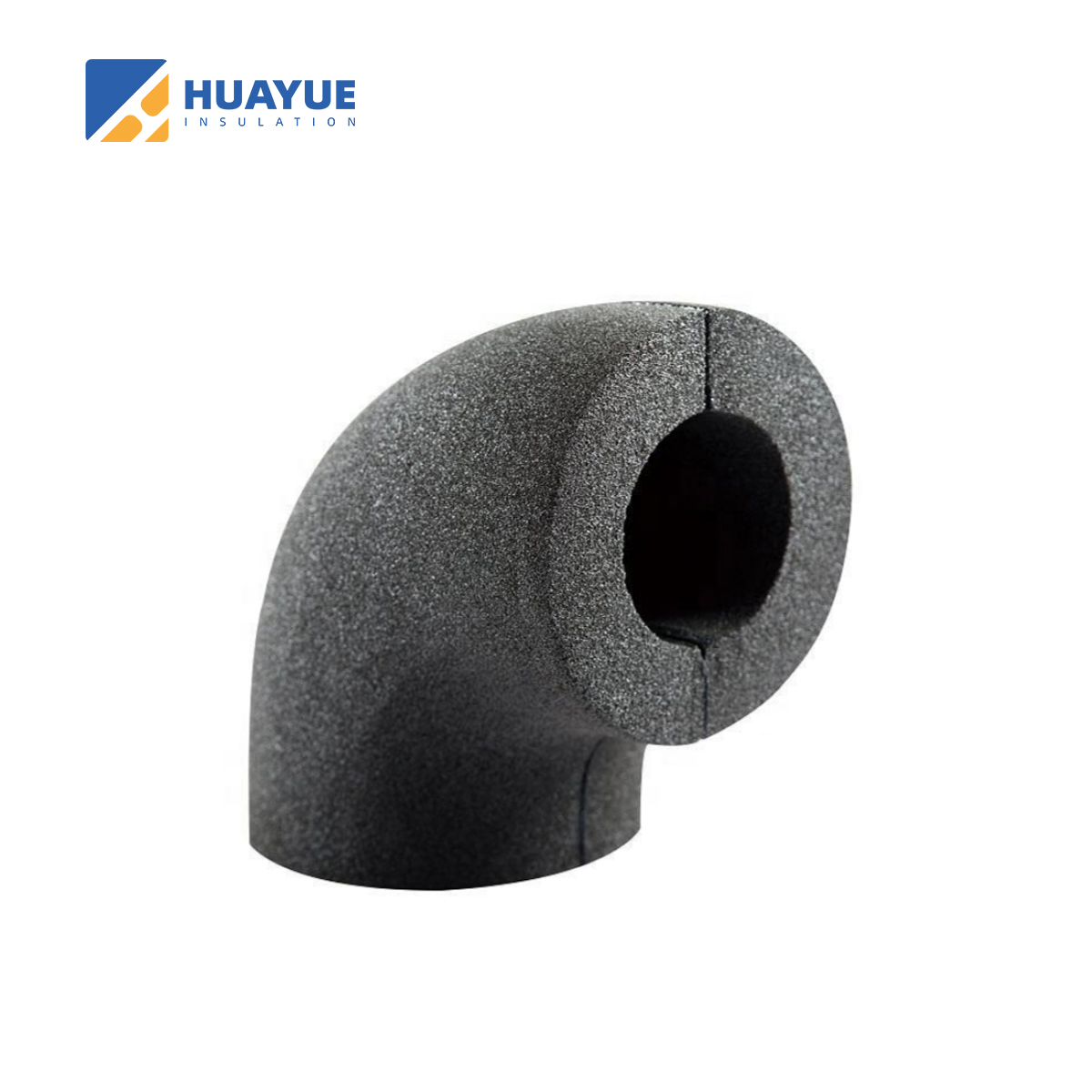
Cellular Glass Pipe Insulation Elbows
Pre-shaped elbows for direction changes and tighter joints.
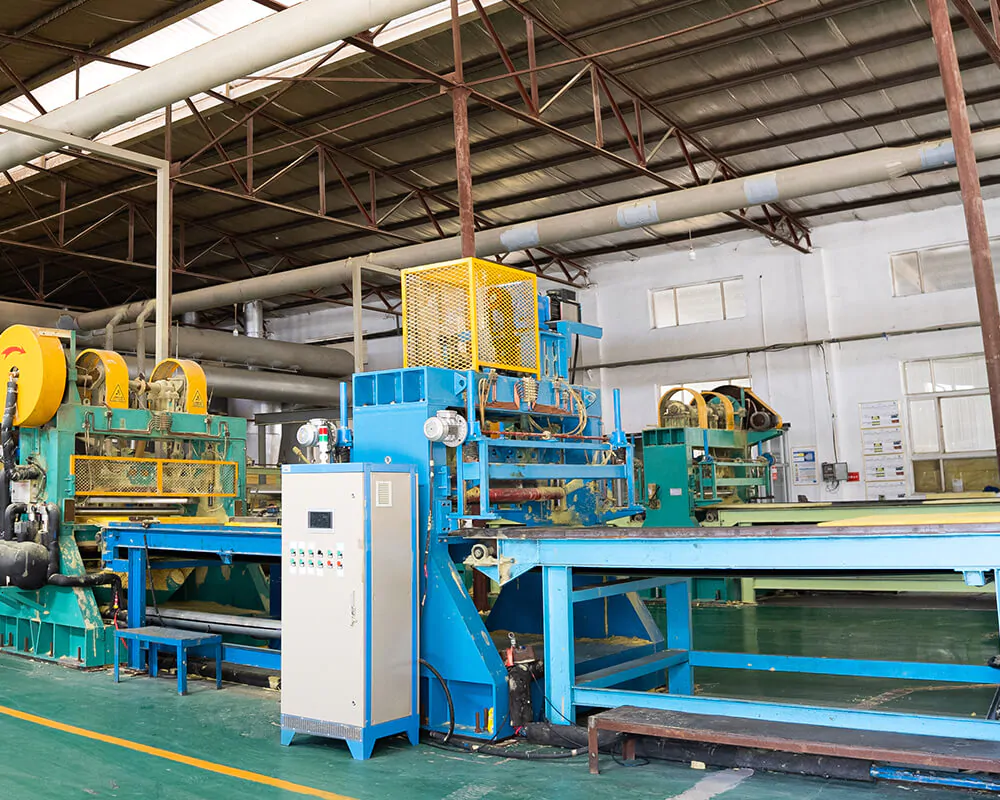
Why source Cellular Glass Fitting from SinoInsulation
- Own factory plus a vetted partner-factory network — combined annual capacity up to 450,000 tons.
- MOQ from one 20ft container; LCL and mixed-container (multi-material) orders supported.
- Samples before bulk orders; custom packaging, compression packing, and private-label / OEM labeling.
- ISO 9001 and CE held; ASTM and AS/NZS test reports available on request, matched to the selected product.
- One inquiry, multiple materials: combine cellular glass with glass wool, rock wool, or rubber foam in a single order.
When It's Not the Best Fit
Cellular glass fittings are not the best first choice for every insulation point. Review the alternatives below before specifying fittings when:
Selection Guide
Answer these to narrow down the right specification.
What are the pipe or vessel dimensions and fitting geometry?
This is the primary question. Fitting shape, pipe diameter, insulation thickness, and angle determine whether the piece can be pre-shaped or requires custom cutting to drawing.
What is the fitting type (elbow, tee, reducer, valve, flange, head)?
Determines the product variant and whether removable access is needed.
What is the service condition (temperature range, moisture exposure)?
Confirms whether cellular glass is the right material for the fitting point.
Is the fitting part of a coordinated cellular glass system?
If board and pipe are already specified, fittings should match the same material for system continuity.
Are drawings or dimensions available?
Custom-cut fittings require drawings or site dimensions for fabrication.
Supply & Purchasing
SinoInsulation supports cellular glass fitting sourcing as part of complete pipe insulation project packages.
Need datasheet or project documents?
Send your application and required product details. We can provide datasheet, packing information, and available supporting documents during quote review.
Quality & Market Certs
ISO 9001 quality system and CE marking held; ASTM and AS/NZS test reports available on request, matched to the selected product.
Product Datasheet
Get product data for the selected cellular glass fitting type and option.
Packing & Labeling Details
Confirm carton, pallet, compression pack, private label, or mixed-SKU packing options.
Frequently Asked Questions
Answers to common questions about this product.
Fittings depend on shape, angle, size, thickness, and installation access. Drawings or schedules prevent quoting the wrong geometry and ensure factory fabrication matches the pipe system.
Yes — fittings are typically reviewed alongside straight pipe sections for project completeness. Combined quotation ensures material matching and organized delivery.
Removable valve box designs can be reviewed when access requirements, dimensions, and operating conditions are provided. Confirm hinge mechanism and latching details.
Using different material at fittings breaks the vapor-tight continuity of a cellular glass pipe system. Matching cellular glass fittings maintain the same barrier across the entire system.
Request a Quote
Send the fitting schedule or pipe isometric drawings — we will fabricate matching cellular glass fittings for a complete insulation envelope.