







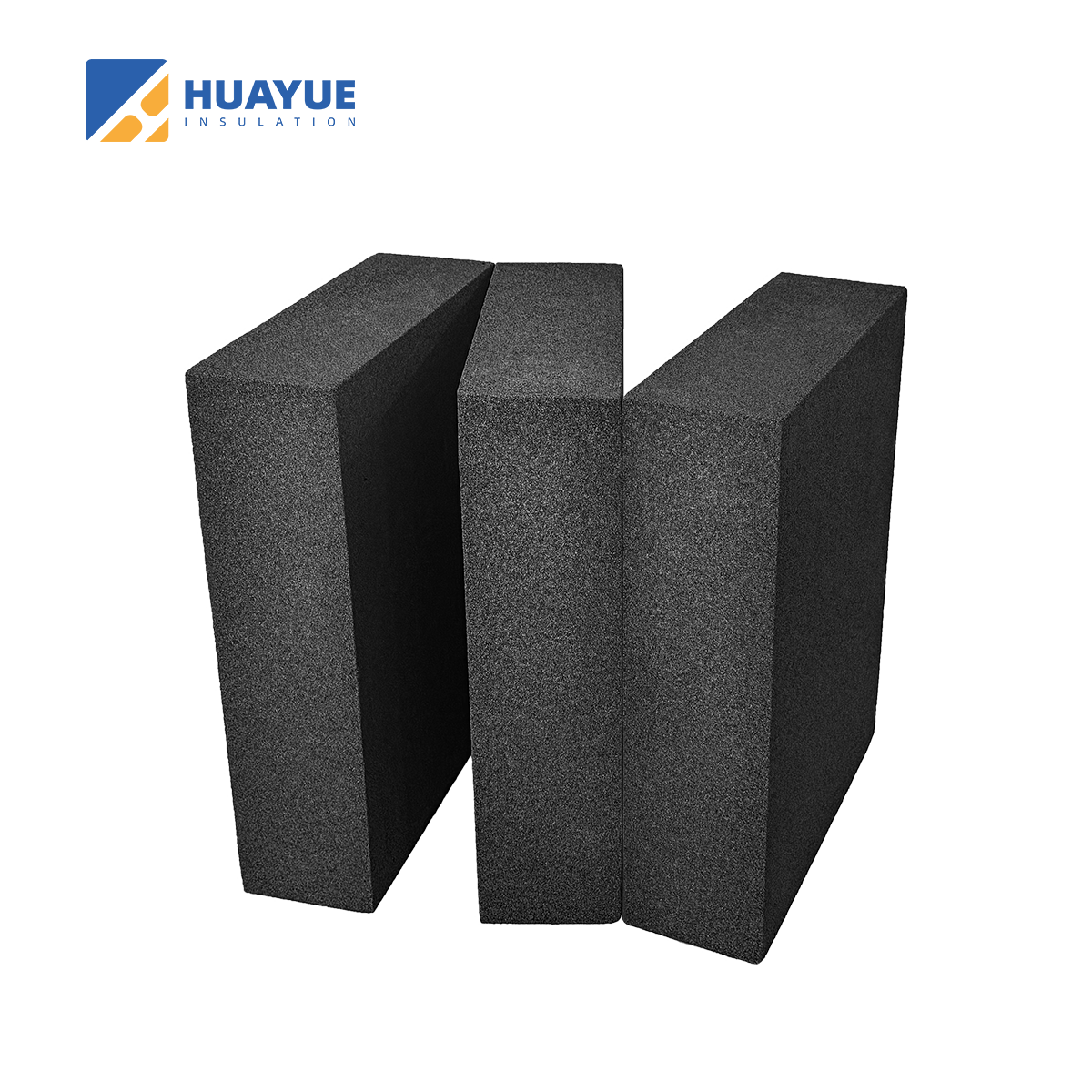
Cellular Glass Board
Cellular glass board provides rigid, closed-cell, vapor-tight panels for cold-storage foundations, tank insulation, buried applications, and load-bearing insulation layers. Service temperature range typically from -265 °C to +430 °C with compressive strength from 0.4 to 1.6 MPa and thermal conductivity from 0.036 to 0.050 W/m·K — confirm exact grade and load data by inquiry. Supplied from our own and partner factories — combined capacity up to 450,000 t/yr, with a one-container MOQ and LCL support.
- Zero water absorption — maintains thermal performance in buried, flooded, and high-moisture conditions where mineral wool fails permanently.
- Compressive strength supports cold-storage foundations, equipment bases, and roof traffic loads that crush foam and compress mineral wool.
- Inherently vapor-tight — eliminates the separate vapor barrier that other insulation materials require and that eventually fails at joints and penetrations.
Quick Answer
Key questions buyers ask before sourcing this product.
What is it?
Rigid closed-cell cellular glass insulation board for moisture-resistant, compressive-load, cold-service, and industrial insulation options.
Best for?
Cold service, tank bases, floors, roofs, foundations, pipe supports, and applications needing rigid closed-cell board review.
Key advantage?
Closed-cell glass structure supports moisture resistance and compressive-load review where fibrous insulation may not fit.
Options?
board size, thickness, coating, compressive option, service condition.
Next step?
Share application, board size, thickness, coating, load or service condition, quantity, and document needs.
Problems This Product Solves
Common pain points this product is built to address.
Mineral wool insulation fails permanently in wet and buried conditions.
Rock wool and glass wool absorb water when exposed to ground moisture, flooding, or persistent condensation. Wet mineral wool loses thermal performance and cannot recover — the insulation must be removed and replaced. Cellular glass is closed-cell and does not absorb water under any exposure condition.
Cold-storage foundations need insulation that supports structural loads.
Freezer floors and cold-storage foundations place the insulation layer under compressive load from the building structure above. EPS foam crushes under point loads, mineral wool compresses and loses thickness, and rubber foam deforms. Cellular glass provides the compressive strength to carry structural loads while insulating.
Separate vapor barriers on insulation systems fail at joints and penetrations.
Mineral wool and fiber insulation require vapor barriers to prevent moisture migration into the insulation layer. These barriers are punctured during installation, poorly sealed at overlaps, and degraded over time — creating moisture entry points that destroy insulation performance. Cellular glass is inherently vapor-tight without any separate barrier.
Tank and vessel insulation in wet environments degrades without protection.
Outdoor tanks, below-grade vessels, and equipment in humid or flooded environments expose insulation to persistent moisture. Mineral wool requires complex jacketing and vapor barrier systems that add cost and maintenance. Cellular glass resists moisture intrinsically — no additional protection layers needed for the insulation material itself.
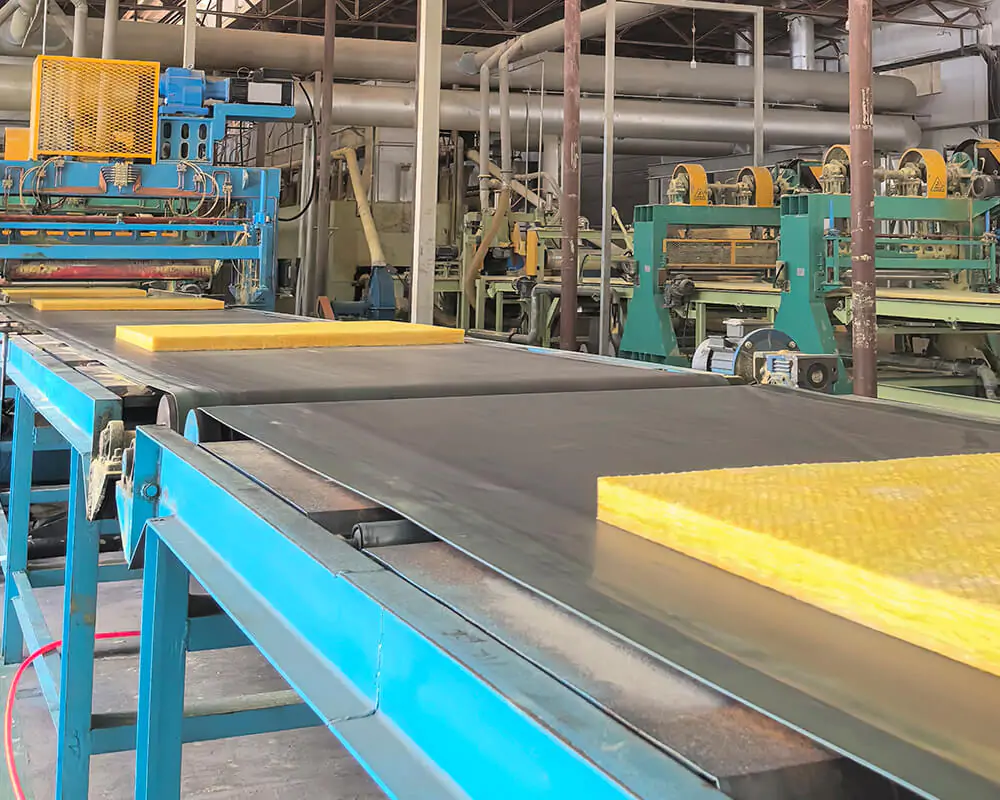
Engineered for Consistent Performance
Every batch is produced under controlled conditions and verified against international standards, so what you specify is what you receive — project after project.
Product Benefits
What sets this product apart in real projects.
Closed-cell glass structure with zero moisture absorption
Eliminates water ingress risk in wet, underground, and below-grade applications where fibrous insulation fails over time.
High compressive strength
Supports tank bases, cold storage floors, traffic areas, and pipe support pads without crushing or settling under sustained load.
Wide service temperature range from cryogenic to elevated temperatures
Covers LNG and cryogenic facility insulation through to standard industrial and commercial cold-service applications in one material system.
Non-combustible inorganic glass composition
Meets fire safety requirements without relying on chemical flame retardants that degrade over time. No smoke, no toxic fumes, no fuel contribution.
Dimensionally stable with no settling or shrinkage
Maintains original board thickness and R-value over the full service life, unlike fibrous products that settle or foam boards that shrink.
Impervious to water vapor without a separate barrier
Simplifies system design on cold-service and below-grade installations by removing the need for vapor barrier films, tapes, and sealants.
Best-Fit Applications
Cellular Glass Board fits applications where the combination of moisture resistance, compressive strength, and rigid board format solves problems that fibrous or foam insulation cannot.
Cold storage floors
Closed-cell structure prevents moisture accumulation under slab-on-grade cold rooms. High compressive strength supports floor loads without settling.
Tank bases and saddles
Withstands sustained compressive load from storage tanks while blocking ground moisture from reaching the tank shell.
Below-grade foundations
Impervious to soil moisture and ground water. No vapor barrier film needed in earth-contact installations.
Flat roofs with moisture-critical requirements
Zero water absorption protects thermal performance on roofs where ponding water, leaks, or condensation risk is present.
Pipe support pads and shoes
Provides compressive load bearing at pipe supports while maintaining thermal break between pipe and steel structure.
Cryogenic facility walls and floors
Handles cryogenic temperatures without cracking, shrinking, or losing structural integrity. No separate vapor barrier required on cold-side surfaces.
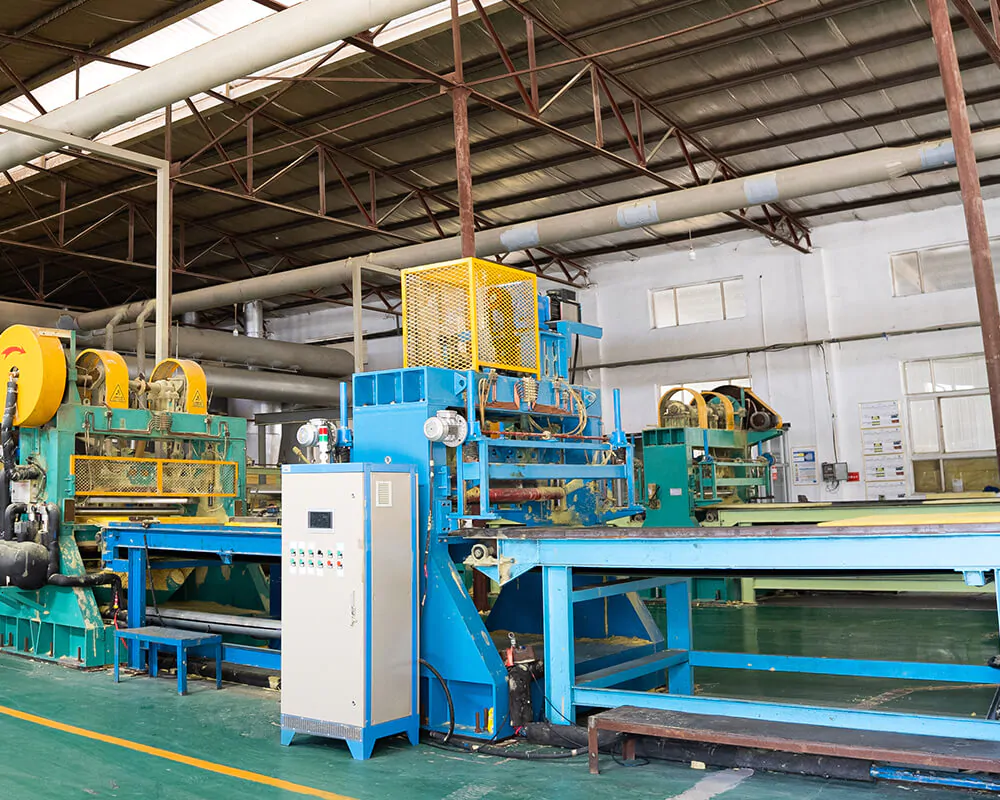
Why source Cellular Glass Board from SinoInsulation
- Own factory plus a vetted partner-factory network — combined annual capacity up to 450,000 tons.
- MOQ from one 20ft container; LCL and mixed-container (multi-material) orders supported.
- Samples before bulk orders; custom packaging, compression packing, and private-label / OEM labeling.
- ISO 9001 and CE held; ASTM and AS/NZS test reports available on request, matched to the selected product.
- One inquiry, multiple materials: combine cellular glass with glass wool, rock wool, or rubber foam in a single order.
When It's Not the Best Fit
Cellular Glass Board is not the best first choice for every insulation condition. Consider an alternative when:
Selection Guide
Answer these to narrow down the right specification.
Is the application below-grade, load-bearing, or exposed to moisture?
Confirms whether cellular glass board advantages (vapor-tight, compressive, waterproof) are actually needed — otherwise simpler insulation may be more cost-effective.
Which size, thickness, density, or shape is required?
Helps define the quote-ready product option.
Is facing, coating, color, adhesive, or jacket required?
Determines the correct variant option.
Supply & Purchasing
SinoInsulation supports cellular glass board sourcing for industrial, cold-storage, and project programs.
Need datasheet or project documents?
Send your application and required product details. We can provide datasheet, packing information, and available supporting documents during quote review.
Quality & Market Certs
ISO 9001 quality system and CE marking held; ASTM and AS/NZS test reports available on request, matched to the selected product.
Product Datasheet
Get product data for the selected cellular glass board type and option.
Packing & Labeling Details
Confirm carton, pallet, compression pack, private label, or mixed-SKU packing options.
Frequently Asked Questions
Answers to common questions about this product.
Choose cellular glass when the application involves moisture exposure, buried conditions, or compressive loads. Rock wool absorbs water and does not support structural loads — it is better for general building insulation at moderate conditions.
Yes — cellular glass is closed-cell and does not absorb water. It maintains thermal performance in buried, flooded, and high-moisture conditions where other insulation materials fail.
Yes — cellular glass board provides compressive strength for cold-storage foundations, equipment bases, and roof insulation layers. Confirm compressive data from the product datasheet against project loads.
Coated or faced options may be available for bonding, jacketing interface, or surface protection. Confirm coating type and compatibility with the installation system.
Request a Quote
Tell us the application and operating conditions — we will recommend the right board grade, thickness, and coating for the project.