








Acoustic Foam Sheet
Acoustic foam panels absorb sound energy and reduce echo in interior spaces — studios, equipment rooms, commercial interiors, and machinery enclosures where hard surfaces reflect noise. Available in thicknesses from 25 mm to 100 mm with NRC ratings typically from 0.4 to 0.95 depending on profile and thickness — confirm exact acoustic data by inquiry. Supplied from our own and partner factories — combined capacity up to 450,000 t/yr, with a one-container MOQ and LCL support.
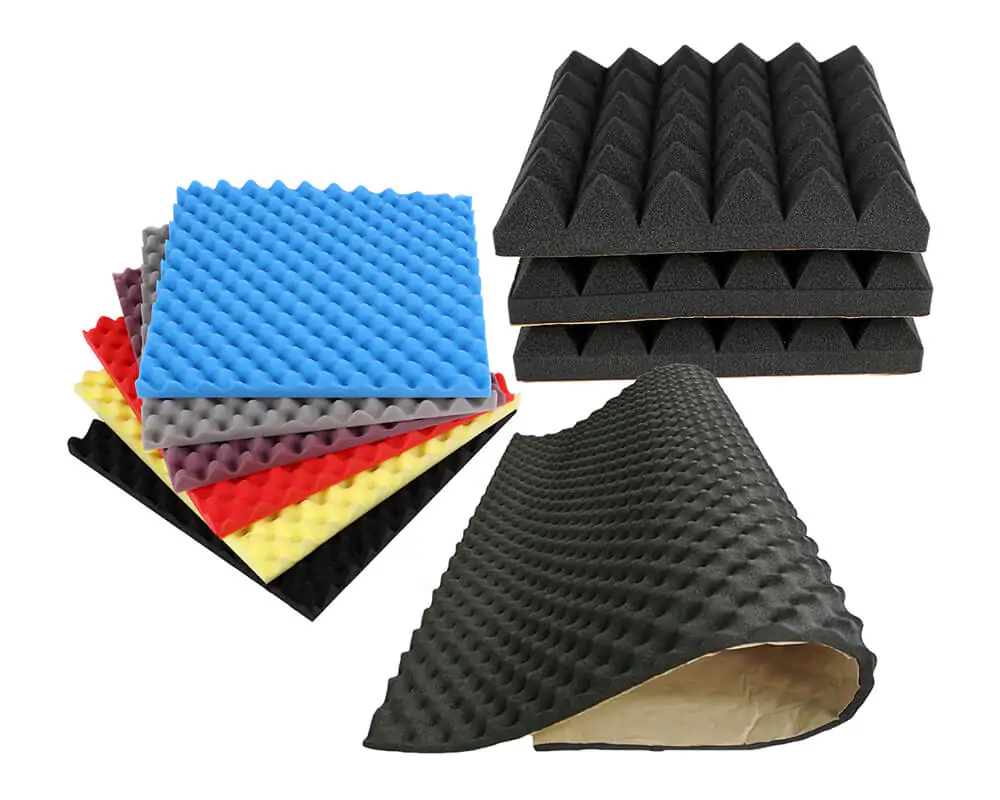
- Profiled surfaces (wedge, pyramid, egg-crate) increase absorption area and improve broadband noise reduction per installed panel.
- Lightweight open-cell foam cuts and installs with adhesive — no mechanical fasteners, no heavy construction, no specialist trades.
- Source acoustic foam alongside rock wool acoustic board, glass wool panels, and rubber foam in one multi-material inquiry.
Quick Answer
Key questions buyers ask before sourcing this product.
What is it?
Open-cell or shaped foam sheet routes used for sound absorption, interior acoustic treatment, and equipment noise-control applications.
Best for?
Interior acoustic panels, machine enclosures, studios, ducts or equipment housings, and self-adhesive acoustic surfaces.
Key advantage?
Foam surface shapes and open-cell routes support sound absorption where thermal insulation is not the only goal.
Options?
foam profile, color, thickness, adhesive backing, density option.
Next step?
Share application, profile, thickness, color, quantity, destination, and document needs.
Problems This Product Solves
Common pain points this product is built to address.
Excessive reverberation degrades speech clarity in offices and meeting rooms.
Hard surfaces in modern commercial interiors reflect sound, creating echo and reducing speech intelligibility. Acoustic foam sheet absorbs reflected sound energy and reduces reverberation time without major construction changes.
Machine noise exceeds allowable dB limits in industrial and commercial spaces.
Equipment rooms, server rooms, and production areas often produce noise levels that exceed regulatory limits or create uncomfortable working conditions. Acoustic foam panels inside enclosures or mounted on walls attenuate noise at the source.
Recording studios and broadcast rooms need broadband sound absorption.
Untreated rooms produce unwanted reflections across a wide frequency range, degrading recording quality. Profiled acoustic foam provides broadband absorption that can be tuned by thickness and profile selection.
Equipment enclosures need effective noise attenuation without adding weight.
Generator housings, compressor enclosures, and machine covers require lightweight lining materials that absorb sound without adding significant structural load. Acoustic foam sheet is lightweight and easy to cut and bond inside enclosure panels.
Engineered for Consistent Performance
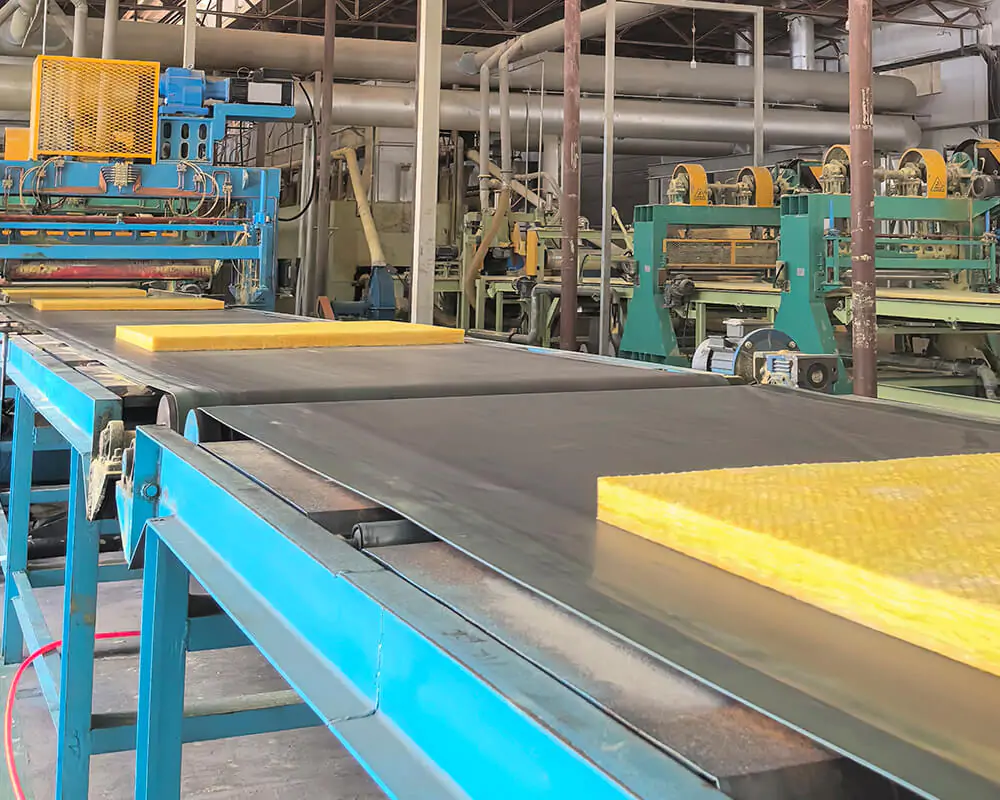
Every batch is produced under controlled conditions and verified against international standards, so what you specify is what you receive — project after project.
Product Benefits
What sets this product apart in real projects.
Profiled surface options (egg-crate, pyramid, wedge)
Increases effective absorption area compared to flat surfaces, improving broadband noise reduction per installed panel.
Lightweight foam construction
Easy to handle, cut, and install with adhesive. Does not add significant load to walls, ceilings, or enclosure panels.
Open-cell structure
Provides effective sound absorption by allowing sound energy to enter the foam matrix and dissipate as heat.
Self-adhesive backing option
Enables quick wall or ceiling mounting without mechanical fasteners, reducing installation time and surface damage.
Multiple thickness options
Allows frequency tuning: thicker panels absorb lower frequencies, thinner panels target mid-to-high frequency ranges.
Available in colors
Supports aesthetic requirements in studios, offices, and commercial spaces where appearance matters alongside acoustic performance.
Best-Fit Applications
Acoustic foam sheet is most useful when the project requires lightweight sound absorption panels for interior or enclosure applications.
Recording studios and broadcast rooms
Profiled foam panels provide broadband absorption that controls reflections and reduces reverberation for clear audio capture.
Office acoustic treatment
Wall- or ceiling-mounted panels reduce speech echo and improve privacy in open-plan offices, conference rooms, and call centers.
Machine noise enclosures
Lightweight foam lining inside generator, compressor, or pump housings absorbs noise at the source without adding structural weight.
Home theater and listening rooms
Absorptive panels control room reflections and improve audio clarity for entertainment and mixing environments.
Industrial noise control panels
Foam panels mounted on walls or barriers in production areas help reduce ambient noise levels toward compliance targets.
Server rooms and data centers
Acoustic foam on walls and ceiling reduces the cumulative noise from cooling fans and equipment, improving conditions for personnel.
Options & Variants
Choose the form that fits your application.
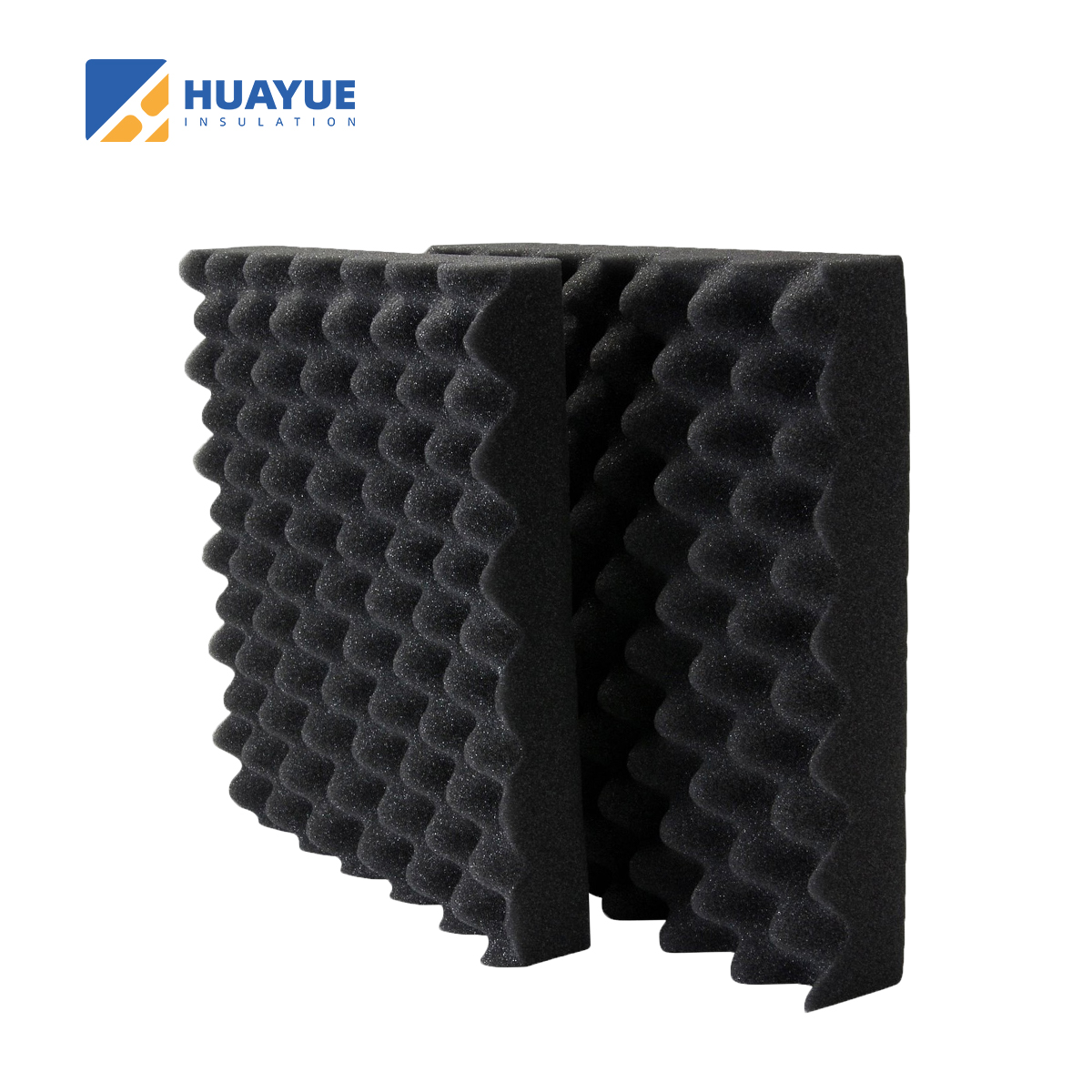
Black Egg-Crate Acoustic Foam
Black egg-crate profile for broadband sound absorption.
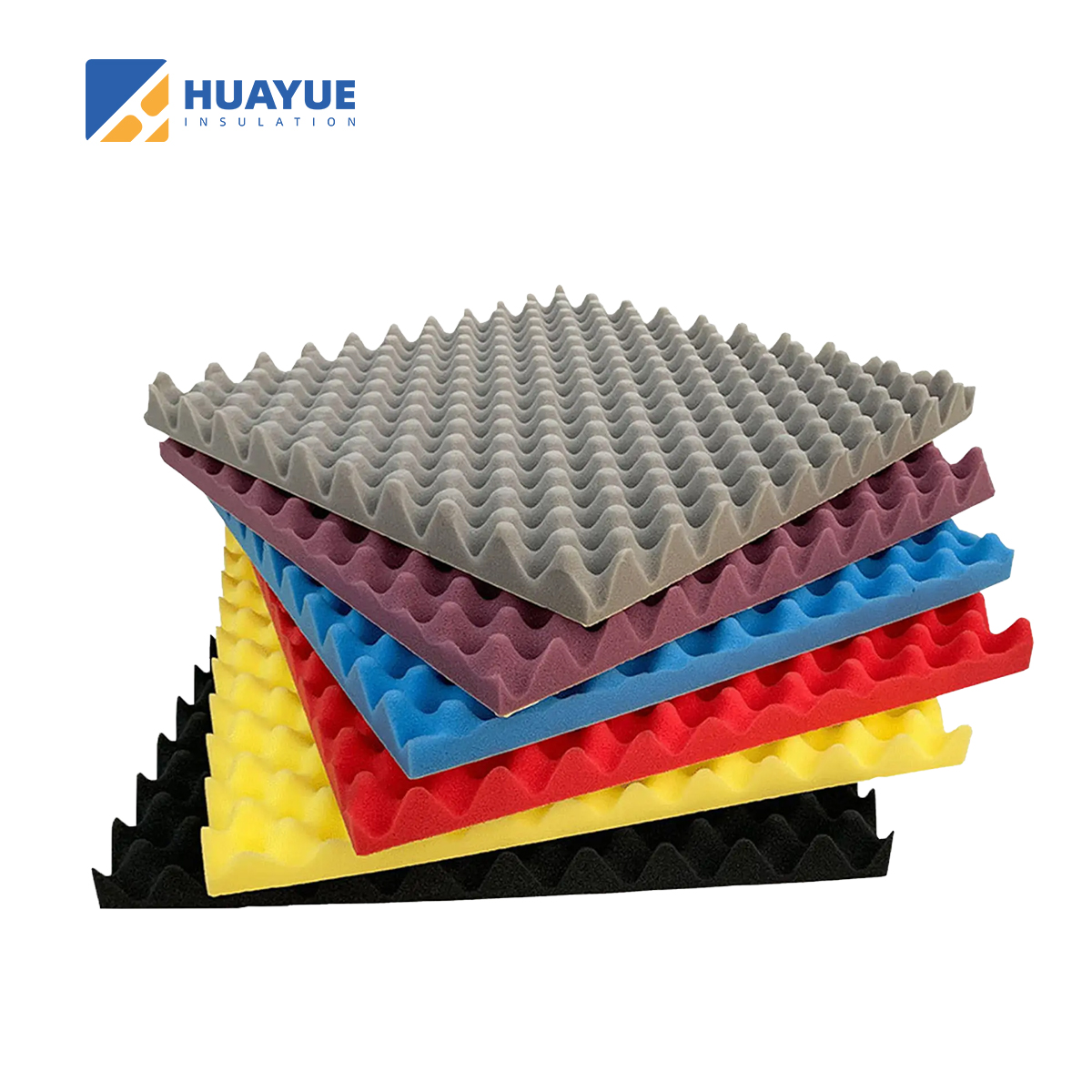
Colored Egg-Crate Acoustic Foam
Egg-crate profile in selectable colors for visible coordination.
Black Open-Cell Rubber Foam Acoustic Board
Flat open-cell rubber-foam board — dark finish, panel-format absorption.
Why source Acoustic Foam Sheet from SinoInsulation
- Own factory plus a vetted partner-factory network — combined annual capacity up to 450,000 tons.
- MOQ from one 20ft container; LCL and mixed-container (multi-material) orders supported.
- Samples before bulk orders; custom packaging, compression packing, and private-label / OEM labeling.
- ISO 9001 and CE held; ASTM and AS/NZS test reports available on request, matched to the selected product.
- One inquiry, multiple materials: combine rubber foam with glass wool, rock wool, or cellular glass in a single order.
When It's Not the Best Fit
Acoustic Foam Sheet is not the best first choice for every insulation condition. Review the project before using acoustic foam sheet when:
Selection Guide
Answer these to narrow down the right specification.
Is the goal sound absorption, noise blocking, or both?
Acoustic foam absorbs sound (reduces echo) but does not block sound transmission. If blocking is needed, a different material or composite system is required.
Which size, thickness, density, or shape is required?
Helps define the quote-ready product option.
Is facing, coating, color, adhesive, or jacket required?
Determines the correct variant option.
Supply & Purchasing
SinoInsulation supports acoustic foam sourcing for studio, commercial, industrial, and OEM programs.
Need datasheet or project documents?
Send your application and required product details. We can provide datasheet, packing information, and available supporting documents during quote review.
Quality & Market Certs
ISO 9001 quality system and CE marking held; ASTM and AS/NZS test reports available on request, matched to the selected product.
Product Datasheet
Get product data for the selected acoustic foam sheet type and option.
Packing & Labeling Details
Confirm carton, pallet, compression pack, private label, or mixed-SKU packing options.
Frequently Asked Questions
Answers to common questions about this product.
Acoustic foam absorbs sound energy and reduces echo and reverberation. It does not block sound transmission through walls — that requires mass and construction changes. Acoustic foam is for absorption, not soundproofing.
Thicker panels absorb lower-frequency sound more effectively. For speech echo control, 25–50 mm is often sufficient. For music studios or low-frequency equipment noise, 50–100 mm performs better.
Yes — lining equipment enclosures with acoustic foam reduces reflected noise from generators, compressors, and HVAC equipment. Confirm fire/smoke classification for the specific installation environment.
Profiled surfaces (wedge, pyramid, egg-crate) increase effective absorption area and can improve high-frequency absorption compared to flat panels of the same thickness.
No. Acoustic foam is open-cell and designed for sound absorption. Rubber foam insulation is closed-cell and designed for thermal control and condensation prevention. They serve different functions.
Request a Quote
Tell us the space, acoustic problem, and panel requirements — we will recommend the right foam type, thickness, and profile.