








Kraft Faced Insulation in Basement: What Should You Know?
Many homeowners worry about moisture and energy loss in their basements but aren’t sure if kraft faced insulation is a smart choice.
Kraft faced insulation is suitable for basements when you need a vapor barrier on the warm side, helping to control moisture and increase energy efficiency. Always install the facing towards the interior living space.
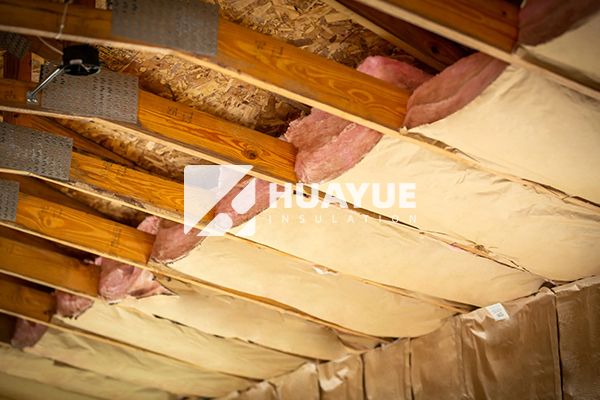
If you’ve ever walked into a chilly, damp basement and wondered how to fix it, you’re not alone. Many people have the same question: is faced insulation right for the basement? If you want comfort without worrying about future moisture issues, read on.
Can you use faced insulation in a basement?
Uninsulated basement walls and floors quickly turn into cold, uncomfortable spaces that drive up your energy bill.
You can use faced insulation in most basements. The kraft facing acts as a built-in vapor barrier, helping to prevent moisture from passing through to the insulation and walls, which helps control condensation and potential mold growth.
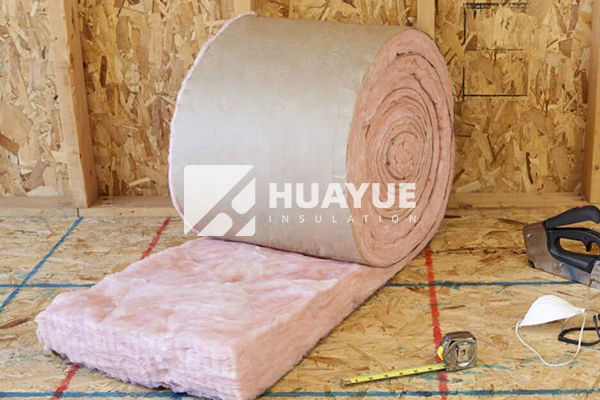
When I first started insulating basements, I didn’t realize how important the direction of the facing was. The vapor barrier that kraft faced insulation provides is essential in many basement projects, especially in climates where the interior space is warmer than the ground outside. Let’s break down when it makes sense and why.
When is using faced insulation a smart move?
| Situation | Use Kraft Faced Insulation? | Reason |
|---|---|---|
| Cold, damp climates | Yes | Helps reduce interior moisture |
| Finished basements | Yes | Keeps living space comfortable |
| Already dry basements | Maybe | May not need vapor barrier |
| High moisture problems | No* | Consider other solutions first |
*If your basement already has ongoing water problems (like liquid water coming in), you need to fix those first before worrying about any insulation type.
If you’re planning to finish your basement, kraft faced insulation is a common, code-compliant option in the United States. The kraft facing goes toward the heated side of the wall (basement interior) to slow down vapor movement from inside your home into the cold spaces in the wall. You can install it between wood studs before you add drywall. But, if your basement is prone to moisture, always fix leaks and run a dehumidifier before you insulate. If you want to choose the right insulation, it’s important to think about the whole moisture control system, not just one layer.
Which insulation is best for basements?
A cold, damp basement wastes energy and creates an uncomfortable living environment for you and your family.
The best basement insulation depends on your moisture control needs, wall type, and planned use of space. Rigid foam board, spray foam, and mineral wool all have advantages, but kraft faced fiberglass batts are a common, affordable choice when moisture is not an issue.
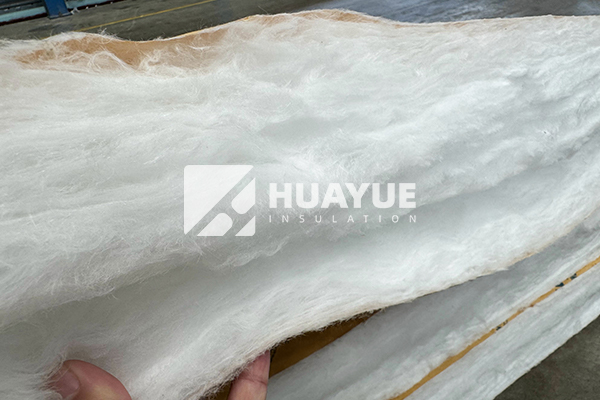
I used to worry about picking the “wrong” insulation. The truth is, no one solution fits everything. Fiberglass batts are popular because they’re inexpensive, easy to install, and widely available with kraft facing for vapor control. But there are other good options. Rigid foam board is very moisture-resistant and can be installed right up against basement walls, making it a top choice where water vapor is a concern. It also doesn’t support mold growth. Spray foam provides excellent air sealing, but it’s expensive and requires a professional installer.
Comparing popular basement insulation types
| Type | Pros | Cons |
|---|---|---|
| Fiberglass | Cheap, easy, comes with kraft facing | Can absorb moisture, needs barrier |
| Rigid foam | Water-resistant, stable R-value | More expensive, needs fire barrier |
| Spray foam | Air sealing, high R-value | Pricey, professional install |
| Mineral wool | Fire-resistant, good in damp areas | Heavier, pricier |
If your basement is dry and you’re finishing the walls with studs and drywall, kraft faced fiberglass insulation works well for most homes. Where moisture is a big worry, use rigid foam or mineral wool between the wall and living space. In any case, never insulate over truly wet walls. Get those problems fixed first.
Which way should insulation face in basement?
Improperly installed insulation can trap moisture and lead to mold, making your investment a problem instead of a solution.
In a basement, the kraft paper vapor barrier should always face the interior living space, not the foundation wall. This placement helps stop warm, moist indoor air from getting into the cold wall and condensing.
I learned early on that position matters as much as material. Kraft faced insulation works as a vapor barrier only when installed correctly. The rule is simple: the kraft side goes toward the part of the house you heat. In basements, that means kraft paper faces the room, not the concrete. This traps interior vapor before it can move through the wall. If you install it backwards, moisture from inside the house may get stuck in the wall, creating prime conditions for mold.
Quick guide to kraft faced insulation placement
| Where installed | Which way kraft faces |
|---|---|
| Above grade (first floor walls) | Facing inside the room |
| Basement walls | Facing inside the basement |
| Attic ceilings/floors | Facing heated living space |
If you’re not sure, just remember: it should always face where the heat is in wintertime.
Where to use kraft faced insulation?
Uninsulated areas lose energy, but wrong insulation choices can waste money and cause damage.
Kraft faced insulation works best in walls, floors, and ceilings where you need a vapor barrier against moist indoor air moving into a colder space. Use it in basement stud walls, above-grade exterior walls, and attic floors.
I often install kraft faced batts in new basement walls before drywall and above in attics. The integrated paper reduces the risk of vapor from the warm interior reaching cold exterior walls or unfinished spaces. Don’t use it in areas where water can come through, like untreated crawlspaces or wet basements, since trapped moisture can create mold. Avoid using more than one vapor barrier in a wall assembly, as double barriers can do more harm than good.
Does basement insulation need a vapor barrier?
Moisture not controlled by a vapor barrier can lead to mold damage and jeopardize your basement’s long-term health.
Most finished basement insulation systems require a vapor barrier, especially in climates with significant indoor/outdoor temperature differences. Kraft faced insulation provides a built-in vapor retarder, which can be enough in many cases when installed properly facing the interior.
You want to aim for a system that keeps wet air from your heated basement space out of the wall cavities. Kraft facing, foil-faced boards, or durable poly sheeting all qualify as vapor barriers when installed correctly. But, don’t rely only on the insulation for moisture control. Address leaks and drainage before you insulate. In some mild climates or in basements with proven dry conditions, a vapor barrier might not be needed. Local building codes will have the final say.
Conclusion
Kraft faced insulation is effective in basements when properly installed and coupled with good moisture management. Always face the kraft side toward the heated space for best results.
You may also be interested in:
Ready to Get Started?
Get in touch with our experts for personalized solutions tailored to your needs.
Get Free QuoteLatest Articles


Let's Work Together
Ready to take your business to the next level? Get in touch with our team of experts and let's discuss how we can help you achieve your goals.
Get Free Solutions